“But I tell thee, friend, that I have never yet harmed any man in all my life unless he has first harmed me.”
— Robin Hood explains his philosophy of justice to a stranger in the forest.

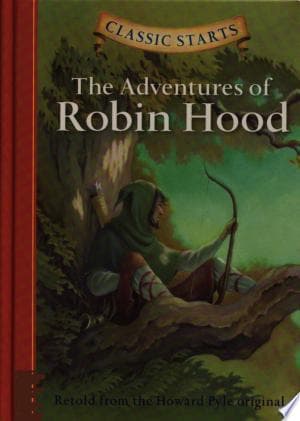
Howard Pyle (2005)
Genre
General
Reading Time
180 min
Key Themes
See below
Sign in to track this book
Join Robin Hood and his men as they outwit the Sheriff of Nottingham and King John, robbing from the rich to give to the poor in a series of escapades through Sherwood Forest.
The story introduces Robin Hood, born Robin Fitzooth, later Robin of Locksley. He is a skilled archer. One day, in Sherwood Forest, he meets King's foresters who mock his youth and challenge his skill. Robin wagers with a forester and wins, splitting the target's arrow. The forester, angry at his loss and Robin's disrespect, insults him. Robin defends himself, shooting and killing the forester. He must flee into Sherwood Forest, becoming an outlaw, hunted by the law but determined to live free.
In Sherwood Forest, Robin Hood finds a narrow bridge over a brook. A large stranger, seven feet tall, stands on the other side and will not let him pass. A verbal challenge becomes a physical one. Robin does not use his bow; they fight with quarterstaffs. The stranger is a strong opponent, knocking Robin into the brook. Amused and impressed, Robin invites him to join his outlaws. The giant agrees. Robin renames him Little John, marking the start of their friendship and Little John's role as Robin's trusted man.
Robin Hood meets a butcher on his way to Nottingham market, buying his meat and disguise. He then takes the butcher's place, selling meat cheaply, which gets the Sheriff of Nottingham's attention. The Sheriff invites Robin, still disguised, to dine. Robin boasts of his many cattle in Sherwood Forest. The greedy Sheriff, hoping for profit, goes with Robin into the forest to see these 'herds.' Deep in Sherwood, Robin reveals his identity and, with his men, takes the Sheriff's money, sending him back empty-handed. Later, Robin also meets his distressed nephew, Will Scarlet, and welcomes him to the band, seeing his loyalty and skill.
One day, Robin Hood and his men look for a priest to hear mass. Robin finds a jolly, portly friar by a stream and asks for passage. The friar, Friar Tuck, demands Robin carry him. A comical argument leads to a staff fight. Like Little John, Friar Tuck is a powerful opponent, throwing Robin into the stream. Impressed by the friar's strength and humor, Robin invites him to join his outlaws. Friar Tuck, tired of his solitary life and wanting adventure, agrees, becoming a spiritual guide and a comedic member of the men, known for his love of food, drink, and fighting.
Robin Hood meets a sad young minstrel, Allan-a-Dale, upset because his love, Fair Ellen, is being forced to marry an old, rich knight. The wedding is the next day. Robin, a supporter of true love, promises to help Allan-a-Dale. On the wedding day, Robin and his men enter the church. As the ceremony begins, Robin reveals himself and stops it. With his men's help, he ensures Fair Ellen marries Allan-a-Dale. Friar Tuck performs their wedding, adding another story of Robin Hood's justice to the forest legends.
The Sheriff of Nottingham, unable to catch Robin Hood, plans a grand archery contest with a silver arrow as the prize, knowing Robin's pride will make him attend. Despite warnings, Robin disguises himself and goes to Nottingham. He easily outshoots all competitors. As he claims his prize, the Sheriff's men recognize him and try to capture him. With his men, who had also entered the crowd, Robin makes a daring escape back into Sherwood Forest, silver arrow in hand, making his legend grow.
One day, Will Stutely, one of Robin Hood's men, is captured by the Sheriff's men near Nottingham. He is condemned to be hanged. News of Will Stutely's execution reaches Robin Hood. Angry at the injustice and loyal to his men, Robin gathers his band and plans a rescue. They ambush the procession taking Will Stutely to the gallows. A fierce battle follows, with the men fighting the Sheriff's guards. Through their strength, skill, and courage, they free Will Stutely from the noose, bringing him back to Sherwood Forest safely, showing the bond within Robin's band.
After years away, King Richard the Lionheart secretly returns to England from the Crusades, disguised as a monk. He wants to see the state of his kingdom and the loyalty of his subjects, especially the outlaws of Sherwood Forest. He meets Robin Hood and his men, who, unaware of his identity, invite him to dine. The 'monk' observes Robin's justice, generosity, and his men's loyalty. King Richard then reveals his identity to a surprised Robin Hood. Robin, happy at his king's return, pledges allegiance. The King, impressed by Robin, pardons him and his men, inviting them to join his service.
After King Richard's revelation, Robin Hood and his men receive a full pardon. They leave Sherwood Forest and enter the King's service, becoming part of his court. Robin Hood, no longer an outlaw, serves his King faithfully, using his archery skills and leadership for the crown. His men also find new roles, moving from forest life to life within the kingdom's official structure. This period is a big change, as they are now legitimate subjects, fighting for the King rather than against his corrupt officials, showing their loyalty to the true monarch.
After King Richard's death, his brother King John becomes king. King John, a cruel ruler, does not honor Richard's pardon. Robin Hood finds court life unsatisfying and misses Sherwood's freedom. He eventually returns to his forest, again becoming an outlaw, though with fewer men. As he ages, he falls ill and seeks help from his cousin, the Prioress of Kirklees Abbey. The Prioress, perhaps with bad intentions, bleeds him too much. Sensing his end, Robin asks Little John for his bow one last time. He shoots an arrow, asking to be buried where it falls, marking his final resting place in the forest he loved.
The Protagonist
From a young noble forced into outlawry, he becomes a legendary champion of the poor, eventually serving his true King, only to return to his forest roots and meet a tragic but peaceful end.
The Supporting
Starts as a formidable stranger, becomes Robin's closest companion, and remains loyal throughout all trials.
The Supporting
From a solitary friar, he finds companionship and purpose within the merry men, becoming their spiritual and physical aid.
The Supporting
Joins his uncle's band, becoming a steadfast and skilled fighter.
The Antagonist
Remains a consistently antagonistic figure, always trying and failing to capture Robin Hood, never learning from his mistakes.
The Supporting
Absent for much of the narrative, his return signifies the restoration of order and justice, culminating in Robin's pardon.
The Antagonist
Acts as the oppressive ruler during Richard's absence, his injustice fueling Robin's outlawry, eventually losing power upon Richard's return.
The Supporting
Rescued by Robin, he finds a place and purpose within the merry men through his musical talents.
The Supporting
A loyal follower, whose capture and rescue exemplify the strong bonds within Robin's band.
A main theme is the conflict between the oppressive law of the Sheriff of Nottingham and Prince John, and the justice Robin Hood provides. Robin and his men act outside the legal system, but their actions aim to correct wrongs, protect the innocent, and give wealth from the corrupt rich to the poor. This shows that true justice can exist outside formal legality when the formal system is unfair. For example, Robin's actions of robbing the rich to give to the poor, or rescuing Allan-a-Dale from an unwanted marriage, show this moral code.
“'For I shall rob the rich and give to the poor, and all for the honor of England and the good of her folk.'”
The strong bonds of loyalty among Robin Hood and his men are important. Their commitment to each other appears in many rescues and shared difficulties. The stories of Little John's and Friar Tuck's arrival, or the rescue of Will Stutely from the gallows, show the strength of these relationships. This theme emphasizes camaraderie, mutual support, and shared goals in adversity, creating a strong moral core for the outlaw community in Sherwood Forest.
“'If one of us falls, the rest will stand by him to the last drop of our blood.'”
Sherwood Forest is a character, representing freedom, refuge, and a safe place from the oppressive outside world. The men thrive in nature, living by their own rules. This theme explores the difference between society's artificial rules and the freedom of the wild. Robin's return to Sherwood after serving King Richard shows his connection to the forest and his preference for its free existence, symbolizing a return to his true self away from court life.
“'Here in the greenwood, we are free; no king nor sheriff can bind us here.'”
The story shows how unchecked power corrupts, mainly through Prince John and the Sheriff of Nottingham. Their greed, cruelty, and abuse of authority cause the suffering of common people and make Robin Hood's outlaw actions necessary. The story critiques tyrannical rule and shows how those in power can exploit their positions for personal gain, leading to injustice and rebellion from the oppressed. This theme is resolved, for a time, with the return of the just King Richard.
“'For the land groaned under the heavy hand of Prince John and his cruel officers.'”
A recurring element used by Robin Hood and his men to outwit their enemies.
Disguise is a frequently employed plot device, allowing Robin Hood and his merry men to move freely among their enemies, gather information, and execute their plans. Robin often disguises himself as a butcher, a monk, or a simple yeoman, notably during the Nottingham archery contest to win the silver arrow. This device highlights Robin's cleverness and resourcefulness, enabling him to infiltrate hostile environments and directly challenge the Sheriff without immediate capture, adding an element of suspense and humor to many of the escapades.
A classic trap set by the Sheriff, which Robin cannot resist.
The archery contest serves as a recurring narrative trope and a test of Robin Hood's pride and skill. The Sheriff of Nottingham often uses the lure of a grand prize, like the silver arrow, to draw Robin out of Sherwood Forest, betting on his inability to resist such a challenge to his legendary prowess. This device creates high-stakes tension, as Robin risks capture to prove his unmatched skill. It effectively showcases his extraordinary talent while also highlighting the constant cat-and-mouse game between him and the Sheriff.
A traditional form of combat used to introduce and test new characters.
The quarterstaff duel is a significant plot device used to introduce and establish the strength and character of key merry men, particularly Little John and Friar Tuck. These encounters are more than just fights; they are tests of skill, honor, and wit. Robin, forgoing his bow, engages in fair combat, and his willingness to fight fairly and his subsequent acceptance of defeat (or victory) lead to the formation of loyal friendships. This device emphasizes the importance of physical prowess and mutual respect in the formation of Robin's band.
The political backdrop that allows for the rise of outlaws and injustice.
The absence of King Richard the Lionheart is a crucial political plot device that sets the stage for the entire narrative. His departure on the Crusades creates a power vacuum, allowing Prince John to usurp authority and enabling corrupt officials like the Sheriff of Nottingham to oppress the common people. This absence justifies Robin Hood's outlawry as a form of righteous resistance against an unjust interim rule, transforming him from a simple criminal into a champion of the people and a loyal subject awaiting his true king's return. The King's eventual return signifies the restoration of order and justice.
“But I tell thee, friend, that I have never yet harmed any man in all my life unless he has first harmed me.”
— Robin Hood explains his philosophy of justice to a stranger in the forest.
“For I am a king in my own way, and rule my forest as surely as the king rules his castle.”
— Robin Hood asserts his authority over Sherwood Forest to his men.
“He who steals from the rich to give to the poor is no thief, but a friend to the needy.”
— Robin Hood justifies his actions of redistributing wealth to his followers.
“A merry life do we lead in the greenwood, with never a care to trouble us.”
— Robin Hood describes the carefree life of his band in Sherwood Forest.
“For every man has a right to live, and to live in freedom if he can.”
— Robin Hood argues for personal liberty while confronting an oppressive noble.
“The law is made for the rich to oppress the poor, and I will have none of it.”
— Robin Hood criticizes the corrupt legal system of medieval England.
“In Sherwood Forest, we make our own laws, and they are laws of fairness and kindness.”
— Robin Hood explains the code of conduct within his outlaw band.
“A true friend is worth more than all the gold in Nottingham.”
— Robin Hood reflects on loyalty after a comrade risks his life for him.
“Let no man say that Robin Hood fears to face his enemies, for I will meet them with bow in hand.”
— Robin Hood rallies his men before a confrontation with the Sheriff's forces.
“The forest is our home, and we will defend it against any who would take it from us.”
— Robin Hood declares his commitment to protecting Sherwood Forest from encroachment.
“Better to die free in the greenwood than live as a slave in a castle.”
— Robin Hood inspires his followers to value liberty over comfort.
“We may be outlaws, but we are honest men at heart, and that is more than can be said for many in high places.”
— Robin Hood contrasts his band's integrity with the corruption of the nobility.
“For in helping others, we find our own happiness and purpose.”
— Robin Hood explains the rewards of altruism to a young recruit.
“The arrow that flies true is like justice—it finds its mark without fail.”
— Robin Hood uses archery as a metaphor while teaching a lesson about fairness.
Ready to see how well you understood this book? Take our interactive quiz with 10 questions.
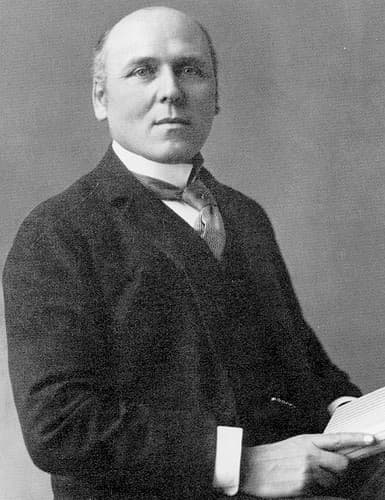
Biography coming soon.