“I was born a girl, but that's not what I am. I was born a boy, but that's not what I am. I am a person.”
— Riley reflecting on their gender identity early in the book.

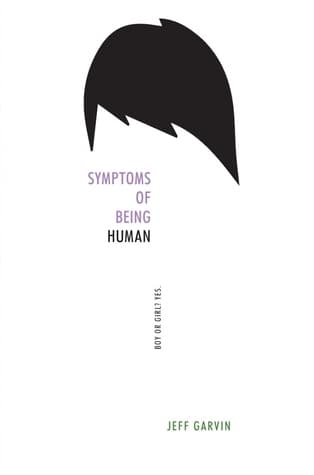
Jeff Garvin (2016)
Genre
Psychology / Young Adult / Romance
Reading Time
360 min
Key Themes
See below
Sign in to track this book
Caught between a secret gender-fluid identity, a viral anonymous blog, and a congressman father's conservative campaign, Riley must choose between authenticity and remaining hidden.
Riley Cavanaugh, who is genderfluid, starts junior year at a new high school, an anonymous student in busy hallways. Their father, Congressman Mike Cavanaugh, is running for re-election in conservative Orange County, adding pressure to maintain a 'normal' image. Riley struggles daily with presenting as male or female, depending on how they feel, but at school, they present as a girl to avoid attention. This constant internal negotiation, plus the stress of a new environment and their father's political ambitions, leaves Riley feeling isolated and misunderstood. They tell their therapist, Dr. Albright, about these overwhelming feelings and the difficulty of living authentically.
Following Dr. Albright's suggestion, Riley starts an anonymous blog called 'Symptoms of Being Human.' Under the name 'R.C.,' Riley begins to write about their thoughts, experiences, and frustrations about being genderfluid. The blog becomes a safe place to explore their identity, describe daily challenges of societal expectations, and vent about pressure from family and school. Initially, it is a personal outlet, a way to process life's complexities without fear of judgment. Riley feels free expressing their authentic self, even if only to an unknown online audience.
At school, Riley begins to navigate the social scene. They meet Solo, a quiet, artistic boy who often sketches and seems to be an outcast. There is an immediate, unspoken understanding between them, and Riley is drawn to Solo's introspective nature. They also connect with Bec, a tough but kind girl who is part of the school's GSA (Gay-Straight Alliance). These new friendships offer Riley hope and a sense of belonging, making the new school feel less daunting, even as they keep their gender identity a secret from almost everyone.
To Riley's surprise, the 'Symptoms of Being Human' blog starts to get attention. Comments and shares accumulate, showing that their anonymous posts resonate with a wider audience, especially other LGBTQ+ youth and allies. The blog becomes a platform for discussion, support, and shared experiences, creating a virtual community Riley never expected. While this new connection is empowering, it also brings anxiety. The more popular the blog becomes, the greater the risk of someone discovering R.C.'s true identity, a threat that grows with each new reader.
As Riley spends more time with Solo, their friendship deepens. Riley develops romantic feelings for Solo, appreciating his quiet understanding and artistic soul. The possibility of a romantic relationship adds another layer of complexity to Riley's secret life. They wonder how to pursue these feelings while still hiding their gender fluidity, fearing rejection if they reveal their true self. This internal conflict creates tension between the desire for intimacy and the fear of vulnerability, making Riley question how much longer they can maintain their facade.
The blog's growing popularity takes a dark turn when an anonymous commenter, 'Anonymous_Exposer,' posts increasingly pointed and threatening messages. The commenter reveals details suggesting they know R.C.'s true identity, specifically mentioning Congressman Cavanaugh's daughter. The threats escalate, warning Riley that their identity will be revealed publicly if they do not stop blogging. This development makes Riley panic, as potential exposure not only jeopardizes their personal life but also threatens to derail their father's political campaign, creating immense fear and pressure.
Overwhelmed by the threats, Riley tells Bec and Solo about their gender fluidity and the blog. Bec, being part of the GSA, is immediately supportive and understanding, offering practical advice and emotional solidarity. Solo, though surprised, also offers comfort and reassurance, reaffirming his care for Riley regardless of their gender identity. While their support is invaluable, the revelation forces Riley to confront their situation and the blog's potential consequences. The decision of whether to continue blogging and risk exposure, or to retreat into silence, becomes critical.
Despite the threats, Riley continues to blog, driven by a sense of responsibility to the community they have built. The 'Symptoms of Being Human' blog goes viral, attracting national attention and sparking discussion about gender identity. News outlets pick up the story, eager to identify the anonymous author. This intense media scrutiny increases the pressure on Riley, who is now caught between advocating for genderfluid youth and the real danger of their identity being publicly revealed. The line between their anonymous online persona and their secret real life blurs.
The inevitable happens: Riley's parents discover the 'Symptoms of Being Human' blog and, through it, Riley's gender fluidity. The revelation leads to a tense and emotional confrontation. Congressman Cavanaugh is concerned about the impact on his re-election campaign, while Riley's mother struggles to understand and accept this aspect of her child. Riley feels hurt and misunderstood by their parents' initial reactions, especially their focus on political optics rather than Riley's well-being. This family crisis forces Riley to explain their identity and needs more explicitly than ever before, even as it creates a rift within the household.
Faced with the imminent threat of 'Anonymous_Exposer' revealing their identity, and encouraged by the support of Bec, Solo, and their online community, Riley makes a courageous decision. They decide to take control of their narrative and come out publicly on their own terms. At a school assembly, Riley steps forward and reveals that they are R.C., the author of 'Symptoms of Being Human,' and that they are genderfluid. This act of bravery is met with mixed reactions, but it marks a moment of self-acceptance and empowerment for Riley, asserting their identity in front of their peers and the world.
After coming out, Riley experiences many emotions and reactions. While some peers are unaccepting, many offer support and understanding. Riley's relationship with Solo deepens, now built on honesty and mutual respect. Their friendship with Bec becomes even stronger, and they continue to advocate for LGBTQ+ rights. Slowly, Riley's parents also begin to accept their child's identity, showing signs of growing understanding. The public coming out, though challenging, allows Riley to live more authentically and inspire others.
By the end of the book, Riley Cavanaugh fully embraces their genderfluid identity, finding strength and peace in living authentically. The blog, now no longer anonymous, continues to be a platform for advocacy and support. Riley's journey from secret struggles to public self-acceptance inspires not only their immediate community but also countless others who follow their story. They navigate challenges with new confidence, supported by friends, family (still a work in progress), and a wider community. Riley looks forward to a future where they can freely express their gender identity without fear, continuing to be a voice for those who feel unseen.
The Protagonist
Riley evolves from secretly struggling with their gender identity to bravely coming out publicly, finding self-acceptance and becoming a powerful advocate for genderfluid youth.
The Supporting
Solo remains a steadfast source of support for Riley, demonstrating unconditional acceptance and becoming a significant romantic partner.
The Supporting
Bec consistently champions Riley, becoming a vital ally and friend who helps Riley navigate the challenges of coming out.
The Antagonist/Supporting
Initially resistant and politically motivated, Congressman Cavanaugh slowly begins to understand and accept Riley's identity, showing growth in his parental role.
The Supporting
Mrs. Cavanaugh gradually moves from confusion and concern to a more accepting and understanding stance regarding Riley's gender identity.
The Supporting
Dr. Albright consistently provides professional support and guidance, empowering Riley to find their voice and agency.
The Antagonist
Anonymous_Exposer serves as a catalyst for Riley's public coming out, inadvertently forcing Riley to reclaim their narrative.
The main theme is Riley's journey to understand, accept, and embrace their genderfluid identity. Initially, Riley struggles with internal conflict and pressure to conform, hiding their true self. The anonymous blog helps with self-exploration. The story ends with Riley's public coming out, a strong act of self-acceptance and a refusal to be defined by others' expectations or fears. This theme is clear in Riley's thoughts, their interactions with Solo and Bec, and the decision to reveal their identity at the school assembly.
“The first thing you’re going to want to know about me is: Am I a boy, or am I a girl?”
The novel shows the power of finding one's voice, especially through online platforms, and the strength from community. Riley's anonymous blog, 'Symptoms of Being Human,' starts as a personal outlet but becomes a space for shared experiences and support among genderfluid youth and allies. This online community gives Riley validation and courage, showing how collective voices can challenge silence and create belonging. The theme is also reinforced by Riley's friendships with Bec and Solo, who offer support when Riley's secret is revealed.
“I was R.C., and these were my people.”
The book explores the societal and political pressures faced by LGBTQ+ individuals, especially teenagers. Riley's father, a congressman in a conservative district, represents political influence, prioritizing his re-election campaign over Riley's authentic self. This creates tension, as Riley's identity is seen as a potential problem. The threats from 'Anonymous_Exposer' and media scrutiny show how public perception and political ambition can endanger personal well-being and authenticity. The novel criticizes societal norms that force individuals to hide their true selves.
“My dad’s whole reelection campaign was riding on the image of a normal, happy, well-adjusted family.”
The theme of love and acceptance appears through Riley's romantic relationship with Solo and the support from friends like Bec. Solo's quiet understanding and immediate acceptance of Riley's gender fluidity contrast with Riley's struggles with family and society. Bec's loyalty and advocacy, from her own experiences within the LGBTQ+ community, show unconditional friendship. These relationships demonstrate how genuine love and acceptance can provide the strength and courage needed to face prejudice and embrace one's true identity.
“He just saw me. All of me.”
A digital platform for Riley's self-expression and a catalyst for the plot.
The blog is the central plot device. It initially serves as a safe, anonymous outlet for Riley to express their genderfluid identity and feelings, suggested by their therapist. As the blog gains popularity, it transforms into a vital community for genderfluid youth, but also becomes the source of intense pressure and the threat of exposure. It drives the narrative by allowing Riley to find their voice, build connections, and ultimately forces them to confront their secret identity in the real world.
Provides direct access to Riley's thoughts and emotional struggles.
The story is told entirely from Riley's first-person perspective, offering intimate access to their internal monologues, anxieties, and genderfluid experiences. This device effectively immerses the reader in Riley's psychological journey, making their struggles with identity, fear of exposure, and moments of self-realization deeply personal and relatable. It emphasizes the internal conflict of being genderfluid and closeted, allowing the reader to understand the nuances of Riley's daily emotional negotiations and identity shifts.
Creates external pressure and conflict for Riley's secret identity.
Congressman Cavanaugh's re-election campaign serves as a significant external pressure point and source of conflict. It heightens the stakes for Riley's secret, as any 'scandal' could jeopardize their father's career. This device underscores the theme of societal and political influence on personal identity, demonstrating how external pressures can force individuals to hide their true selves. The campaign's conservative setting further amplifies the danger and fear associated with Riley's gender fluidity becoming public knowledge.
A direct threat that forces Riley's hand and accelerates the climax.
This anonymous online antagonist represents the very real threat of exposure and prejudice faced by LGBTQ+ individuals. The commenter's increasingly specific threats to reveal Riley's identity serve as the primary external conflict that drives the plot towards its climax. This device creates intense suspense and directly forces Riley to make a crucial decision: either succumb to fear and silence or bravely take control of their narrative by coming out publicly, thus accelerating their journey of self-acceptance.
“I was born a girl, but that's not what I am. I was born a boy, but that's not what I am. I am a person.”
— Riley reflecting on their gender identity early in the book.
“Being human is messy. It's confusing. It's beautiful and terrifying and wonderful and awful all at once.”
— Riley's internal monologue about the complexities of life and identity.
“The internet is a scary place, but it can also be a lifeline.”
— Riley acknowledging the duality of online communities, especially the blog.
“Maybe the bravest thing you can do is just be yourself, even if you don't know exactly who that is yet.”
— A piece of advice Riley considers or offers to themselves.
“It's not about choosing a side. It's about choosing yourself.”
— Riley grappling with external pressures to conform to binary gender expectations.
“Sometimes the hardest part about being human is learning to let people in.”
— Riley's struggle with vulnerability and allowing friends and family to understand them.
“Labels are for jars, not people.”
— A character, possibly Riley or a supportive friend, expressing disdain for restrictive labels.
“Fear can be a powerful motivator, but so can hope.”
— Riley weighing the emotional forces driving their decisions.
“Being different isn't a flaw; it's a feature.”
— A message of self-acceptance Riley comes to understand.
“Love isn't about gender. It's about connection.”
— Riley reflecting on their romantic feelings and the nature of love.
“The truth is a complicated thing, especially when it's your truth.”
— Riley considering the difficulty of revealing their authentic self.
“You don't have to have all the answers. Sometimes just asking the questions is enough.”
— A moment of realization for Riley about the journey of self-discovery.
“It’s amazing how much courage you can find when you realize you have nothing left to lose.”
— Riley feeling empowered after a significant event or decision.
“Sometimes the biggest battles are fought inside your own head.”
— Riley's internal struggle with anxiety, self-doubt, and identity.
Ready to see how well you understood this book? Take our interactive quiz with 10 questions.

Rhonda Byrne
4.3

Menno Henselmans
4.3

Sylvia Plath
4.3

Elliot Aronson
4.3

Joseph Campbell
4.3

Erich Fromm
4.3
Irvin D. Yalom
4.2

Lucy Strange
4.2