A Song is Born
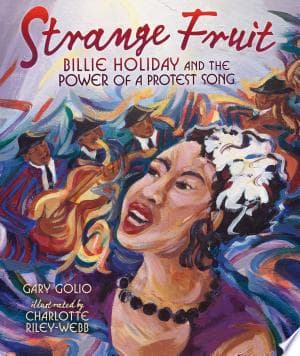
In 1937, Abel Meeropol, a Jewish high school teacher and civil rights activist in the Bronx, saw a disturbing photograph of two Black men lynched in the American South. This image, a symbol of racial injustice, led him to write a poem called 'Bitter Fruit.' Abel, who also wrote songs as Lewis Allan, knew art could impact social awareness. He began setting his poem to music, creating a melody for its heavy message. He wanted to create a piece that would confront the brutal reality of racism, hoping to stir empathy and change in a society that often ignored such acts.
Billie's Early Life and Music
Eleanora Fagan, who became Billie Holiday, had a difficult childhood in Baltimore. Born in 1915, she faced poverty, prejudice, and lacked formal education. Despite this, Billie found comfort and expression in music, especially blues and jazz. She liked the emotion and storytelling in these genres, and her unique vocal style, known for its soulful delivery and improvisation, began to develop. By the 1930s, she performed in Harlem clubs, building a reputation as a captivating singer. Her voice, though seemingly effortless, carried the weight of her experiences, giving her performances depth that connected with audiences.
Meeting of Minds
Abel Meeropol's song, now called 'Strange Fruit,' began to circulate, though a few smaller acts first performed it. Its true power, however, waited for the right voice to spread its message. Barney Josephson, owner of New York's integrated Café Society, a club known for its progressive views and diverse clientele, heard the song and saw its potential. He believed Billie Holiday, with her ability to show deep emotion, was the perfect artist to perform it. Josephson approached Billie, who was at first hesitant. The song was unlike anything she had sung before – raw, political, and deeply uncomfortable. It was a clear change from the jazz and blues standards she was known for.
The First Performance at Café Society
After thinking it over and seeing the song's importance, Billie Holiday agreed to perform 'Strange Fruit' at the Café Society. Barney Josephson set rules for its performance: it would be her last song, waiters would stop serving, and lights would dim to darkness except for a single spotlight on Billie's face. On that night, as Billie sang the haunting lyrics about 'strange fruit' hanging from poplar trees, the audience was silent. The song's graphic imagery and somber melody created deep shock and reflection. Many in the audience cried. It was a moment of shared understanding and a powerful artistic statement against racial violence.
A Song That Changed Everything
'Strange Fruit' quickly became a controversial and impactful piece. It was more than a song; it was a protest anthem, a clear statement against American racism. The performance at Café Society received both outrage and praise. While some found it too graphic and confrontational, many others saw it as a necessary and brave act of truth-telling. The song forced audiences, especially white audiences, to confront the brutal realities of lynching and racial injustice in a way rarely done through popular music. It became a powerful symbol of the growing Civil Rights movement, giving voice to the unspeakable and challenging the existing order.
Recording and Distribution Challenges
The controversial nature of 'Strange Fruit' made it hard to record. Columbia Records, Billie Holiday's label, refused to release it, fearing backlash and boycotts. However, Billie was determined to preserve the song and its message. She found a small, independent label called Commodore Records, owned by Milt Gabler, who was willing to take the risk. In 1939, Billie Holiday recorded 'Strange Fruit,' and the record quickly gained popularity, despite limited radio play. Its distribution, though challenging, allowed the song's powerful message to reach a wider audience beyond the Café Society, making it an important piece of protest art.
Impact on Billie's Career and Life
Performing 'Strange Fruit' changed Billie Holiday from a jazz singer into an activist and symbol of resistance. While it secured her legacy as an artist who spoke truth to power, it also brought challenges. She faced more scrutiny from authorities, including the Federal Bureau of Narcotics, who saw her and the song as subversive. The emotional toll of performing such a raw and painful song nightly was also huge. Yet, Billie continued to perform 'Strange Fruit' throughout her career, understanding its importance in the fight for civil rights, even though it made her a target.
The Song's Enduring Legacy
'Strange Fruit' became one of the most important protest songs ever. Its impact went far beyond the 1930s, influencing generations of artists and activists. The song is a precursor to the Civil Rights Movement, laying emotional groundwork and building empathy that helped prepare the way for later social change. It remains a powerful reminder of racial violence and the ongoing fight for human rights. Today, 'Strange Fruit' is in the Library of Congress and continues to be studied and performed, showing its timeless message and the courage of those who created it.