“I used to think that I'd had a good life, that I'd had a lot of fun, that I'd loved and been loved. But now I think that I've lived a life of mistakes.”
— Alice reflects on her life as her memory falters.

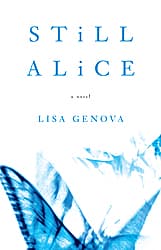
Lisa Genova (2007)
Genre
Psychology
Reading Time
240 min
Key Themes
See below
Sign in to track this book
A linguistics professor at the height of her career faces early-onset Alzheimer's, as her intellect and sense of self slowly fade.
“I used to think that I'd had a good life, that I'd had a lot of fun, that I'd loved and been loved. But now I think that I've lived a life of mistakes.”
— Alice reflects on her life as her memory falters.
“Living in the moment. I've been doing that a lot lately. It's not a choice. It's just the way I live.”
— Alice describes her experience of time as her short-term memory deteriorates.
“How many more of me will I lose?”
— Alice contemplates the progressive loss of her identity due to the disease.
“My yesterdays are disappearing, and my tomorrows are uncertain, so what do I live for?”
— Alice grapples with the existential implications of her diagnosis.
“I wish I had cancer. I wouldn't wish this on my worst enemy.”
— Alice expresses the profound despair and unique challenges of living with Alzheimer's.
“Every morning I wake up and I play a game. It's a game of trying to remember. I try to remember who I am, where I am, what day it is.”
— Alice describes her daily struggle to orient herself.
“I am not suffering. I am not even here. I am a ghost. A memory of a memory.”
— Alice's internal experience as her mind continues to decline.
“You don't have to be a genius to be a good person.”
— Alice's daughter, Lydia, reminds her of intrinsic worth beyond intellectual capacity.
“What's the point of having a memory if you can't access it?”
— Alice's frustration with her inability to retrieve information from her own mind.
“I am not my brain. I am me.”
— Alice asserts her sense of self despite the changes in her cognitive abilities.
“The only way to get through this is together.”
— Alice's husband, John, expresses his commitment to supporting her.
“I used to know so many things. Now I know so few. But I know what love is. I know what family is. I know what hope is.”
— Alice finds solace and meaning in fundamental human connections despite her losses.
“I am still Alice.”
— The central theme of the book, Alice's assertion of her enduring self.
“It’s not what you take with you when you leave this world. It’s what you leave behind you when you go.”
— Alice reflects on her legacy and the impact she has had, particularly on her children.
Ready to see how well you understood this book? Take our interactive quiz with 10 questions.

Biography coming soon.

Rhonda Byrne
4.3

Menno Henselmans
4.3
Sylvia Plath
4.3
Elliot Aronson
4.3

Joseph Campbell
4.3
Erich Fromm
4.3
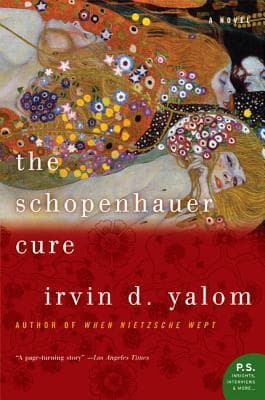
Irvin D. Yalom
4.2
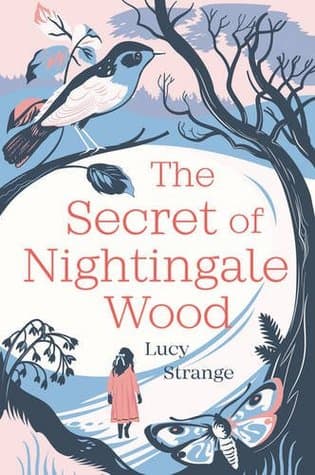
Lucy Strange
4.2