“I'm a nought and you're a Cross. We're not supposed to be friends.”
— Sephy says this to Callum, highlighting the societal divide between their races.

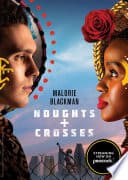
Malorie Blackman (2011)
Genre
General
Reading Time
30 min
Key Themes
See below
Sign in to track this book
In a world divided by race, a forbidden love between a privileged Cross and an oppressed Nought starts a rebellion against a society determined to keep them apart.
The story introduces Sephy Hadley, a Cross (the privileged dark-skinned majority), and Callum McGregor, a Nought (the oppressed light-skinned minority), who have been friends since childhood. Their bond contrasts with the segregated society of Albion, where Noughts are treated as second-class citizens. Sephy's mother, Jasmine, secretly employs Callum's mother, Meggy, as a domestic helper, allowing the children to interact. As they grow older, their friendship deepens, worrying their families. Sephy's father, Kamal Hadley, a politician, shows the systemic racism against Noughts, while Callum's family struggles with poverty and daily indignities. Despite increasing racial tensions, Sephy and Callum hold onto their connection, often meeting in secret, showing the challenges to come.
A new government program allows some Nought children, including Callum, to attend the Cross school, Heathcroft High. This integration faces strong resistance from the Cross community. On Callum's first day, angry Cross parents and students riot outside the school, throwing stones and shouting slurs. Sephy, at first happy to have Callum at her school, is horrified by her peers' behavior. She tries to protect Callum during the chaos, but her efforts are seen as a betrayal by her Cross friends and as not enough by Callum, who experiences the prejudice. The incident shows the hatred and pressure on their friendship, forcing them to confront their divided world publicly.
As Callum endures bullying and discrimination at Heathcroft, his frustration and anger grow. Sephy tries to support him, but her privileged position often makes her efforts seem naive or ineffective to Callum. Despite the outside pressures, their bond intensifies, becoming a secret romance. They share intimate moments, finding comfort in each other away from society's judgment. However, the political climate worsens, with the Nought Liberation Army (NLA) emerging as a group fighting for Nought rights. Callum's older brother, Jude, becomes more radicalized, blaming Crosses for all their suffering, including the death of their father, Ryan, who was unfairly accused of murder and executed. These outside forces threaten to pull Sephy and Callum apart, even as their love grows.
The NLA carries out a bombing at the Dundale shopping center, a Cross area. Meggy, Callum's mother and Sephy's former nanny, is among the many casualties. This event increases the hatred between Noughts and Crosses. Callum, devastated by his mother's death, is drawn into Jude's radical views, believing that only violence can bring about change. Sephy is also heartbroken by Meggy's death, feeling guilt for not preventing it. The bombing creates a rift between the two communities and between Sephy and Callum, as Callum struggles to balance his love for Sephy with his growing resentment towards her people. The incident pushes Callum further away from Sephy and towards retribution.
Driven by grief, anger, and a need for belonging and justice for his family, Callum decides to join the NLA. He is unhappy with peaceful protests and believes that only direct action can make Crosses acknowledge Noughts' suffering. His commitment to the NLA separates him and Sephy, who is horrified by his choice. She tries to convince him to leave the group, fearing for his safety and their future, but Callum is determined. His change from a hopeful young man to a hardened militant marks a shift in his character. The NLA gives him a purpose and camaraderie that he felt was denied by Cross society, but it also puts him on a dangerous path, opposing Sephy's world.
As an NLA member, Callum participates in a plan to kidnap Minerva, Sephy's younger sister, for ransom. The NLA wants to use the abduction to highlight the plight of Noughts and demand government concessions. Sephy is distraught, torn between loyalty to her family and her feelings for Callum, knowing he is involved. During the kidnapping, Sephy confronts Callum, asking him to release Minerva. The encounter is emotional, forcing Callum to face the consequences of his actions and the pain he is causing the person he loves. This act of violence, targeting Sephy's innocent sister, is a betrayal in their relationship, solidifying the division between them due to their opposing loyalties.
After a secret encounter, Sephy learns she is pregnant with Callum's child. This news changes her world, making her confront the implications of carrying a Nought child in a Cross-dominated society, especially since her father, Kamal, is an anti-Nought politician. Meanwhile, authorities capture Callum for his involvement in the NLA and the kidnapping. His arrest and trial are publicized, becoming a symbol of racial tensions in Albion. Sephy, dealing with her pregnancy and Callum's situation, is torn between protecting her secret and supporting the man she loves, who faces severe punishment. Her pregnancy adds complexity and desperation to their tragic love story.
Callum's trial is a political event, with the Cross establishment wanting to make an example of him. Despite his lawyer's efforts, the jury, all Crosses, finds him guilty of terrorism and kidnapping. He is sentenced to death by hanging. Sephy attends the trial, watching in despair as the man she loves is condemned. She wants to reveal her pregnancy to Callum and the world, hoping it might change the verdict or offer hope, but she fears her father's reaction and societal backlash. The verdict solidifies Callum's tragic fate and shows the barriers of the Nought-Cross divide, leaving Sephy devastated and alone with her secret.
On the eve of Callum's execution, Sephy visits him on death row. She tells him she is pregnant with their child. Callum is shocked, then filled with despair and a flicker of hope. He tells Sephy to raise their child with love and to never forget him. He also expresses bitterness towards the system that condemned him, not just for his actions, but for being a Nought. Sephy, wanting to save him, suggests they escape together, but Callum, resigned to his fate, refuses. Their final moments are a blend of love, regret, and the reality of their separation, leaving Sephy to face a future as a single Nought mother in a Cross world.
Callum McGregor is executed by hanging. Sephy is not present but feels the impact of his death. The execution is a reminder of the brutality and injustice of their society. Afterwards, Sephy gives birth to a daughter, Callie Rose. She is determined to raise Callie Rose to be proud of both her Nought and Cross heritage, hoping to break the cycle of hatred. Despite the grief and challenges, Sephy finds strength in her daughter, vowing to fight for a better future, one where the divisions that destroyed her love with Callum might one day be overcome. The ending is bittersweet, with Callum's death tempered by the hope in their child and Sephy's resolve.
The Protagonist
From naive privilege, she evolves into a courageous, independent woman, advocating for equality and raising her daughter with hope amidst tragedy.
The Protagonist
From a hopeful but oppressed boy, he transforms into a radicalized militant, ultimately sacrificing his life for a cause he believes in, leaving behind a legacy of love and resistance.
The Antagonist/Supporting
Remains a staunch, unyielding antagonist, never truly changing his prejudiced views.
The Supporting
Her character arc is one of decline, succumbing to addiction and emotional detachment.
The Supporting
Her character arc is tragically cut short, her death serving as a catalyst for significant plot developments.
The Supporting/Antagonist
His arc is one of escalating radicalization and unyielding hatred, never finding peace or reconciliation.
The Mentioned
His tragic death before the main narrative begins serves as a foundational injustice that drives the plot and character motivations.
The Supporting
Her arc is static, remaining largely unchanged in her personality and views.
The Mentioned
Her arc is largely undeveloped, serving to represent the younger generation of Noughts.
The Supporting
Her arc is consistent with her radicalized beliefs, remaining a steadfast member of the NLA.
The main theme of 'Noughts and Crosses' is the destructive nature of racism and prejudice. The story inverts traditional racial dynamics, with dark-skinned Crosses as the dominant group and light-skinned Noughts as the oppressed minority. This societal structure affects every aspect of life, from education and employment to social interaction and legal justice. Characters like Kamal Hadley show institutional racism, while the McGregor family's struggles show its impact. The riots at Heathcroft High and Ryan McGregor's wrongful execution are examples of how prejudice leads to violence and injustice, ultimately tearing apart lives and relationships, especially between Sephy and Callum.
“Just because you're a Nought doesn't mean you're not as good as a Cross. And just because you're a Cross doesn't mean you're better than a Nought.”
The forbidden love between Sephy and Callum is central to the novel, constantly tested by their segregated society. Their relationship is a sign of hope against racial hatred, yet acts of betrayal challenge it. Sephy's inability to fully understand Callum's Nought experience or protect him from Cross prejudice can be seen as a betrayal by Callum. Callum's involvement in the NLA, especially Minerva's kidnapping, is a betrayal of Sephy's trust and love. These betrayals, from conflicting loyalties and societal pressures, lead to their tragic separation and the end of their romance, showing how societal divisions can corrupt even pure love.
“How can you love someone and hate their race at the same time?”
The novel explores different ideas of justice and the cycle of retribution. For Noughts like the McGregors, a biased legal system denies justice, as shown by Ryan's wrongful execution. This perceived injustice creates a desire for retribution, leading Noughts like Jude and Callum to join the NLA and use violence. They believe that 'an eye for an eye' is the only way to achieve equality and make Crosses understand their suffering. However, the NLA's violence, such as the Dundale bombing and Minerva's kidnapping, only continues the cycle of hatred and suffering, causing more deaths and deepening the divide. The story questions if true justice can be achieved through violence, or if it only leads to endless retribution.
“What's the point of having a fair trial if the verdict's already decided?”
Characters in 'Noughts and Crosses' deal with their sense of identity and belonging in a society defined by race. Callum struggles with his Nought identity, feeling marginalized, leading him to seek belonging and purpose within the NLA. Sephy, a Cross, questions her own identity as she falls in love with a Nought, feeling separated from her privileged community and family, yet never fully able to shed her Cross upbringing. The constant pressure to conform to racial expectations and loyalties forces both characters to confront who they are and where they belong. Callie Rose, a child of both Nought and Cross heritage, embodies the complex question of identity and the hope for a future where belonging goes beyond racial lines.
“I was a Nought. And she was a Cross. And there was no such thing as love between us.”
Family bonds and conflicting loyalties are important to the story. The McGregor family, despite hardships, is close, and their shared suffering strengthens their resolve to fight for Nought rights. Callum's loyalty to his family, especially his father's memory and Jude's radical views, often conflicts with his loyalty to Sephy. Sephy's loyalty to Callum puts her at odds with her own family, especially her prejudiced father. The novel explores the pressure on individuals when family loyalty conflicts with personal desires or moral beliefs, showing how family ties can both sustain and trap characters within the broader racial conflict. The tragic outcomes often come from these loyalties.
“Sometimes I think the world would be a better place if there weren't any families at all.”
A world where light-skinned people are oppressed by dark-skinned people
Blackman uses inverted racism as the foundational plot device, creating a fictional world where the dark-skinned 'Crosses' are the dominant, privileged class, and the light-skinned 'Noughts' are the oppressed, marginalized minority. This inversion forces readers to confront the arbitrary nature of racial prejudice and to empathize with the experience of systemic oppression, regardless of superficial physical differences. By making the familiar unfamiliar, the device effectively highlights the absurdity and cruelty of racism itself, allowing readers who may not typically experience prejudice to see it from a fresh perspective. It challenges preconceived notions and encourages a deeper understanding of the destructive impact of societal divisions.
Alternating chapters narrated by Sephy and Callum
The novel is narrated in alternating first-person chapters by Sephy and Callum. This dual perspective is a powerful device that allows readers to experience the story's events from both sides of the racial divide. It provides intimate access to their individual thoughts, feelings, and struggles, highlighting their differing perceptions of the same events, such as the Noughts' integration into Heathcroft High or the NLA's actions. This technique fosters empathy for both protagonists, even when their actions are in conflict, and vividly illustrates how their experiences are shaped by their respective racial backgrounds. It underscores the complexity of the Nought-Cross conflict and the personal toll it takes on individuals from both communities.
Hints of future tragedy and conflict throughout the narrative
Foreshadowing is used extensively throughout the novel to build tension and hint at the tragic fate awaiting Sephy and Callum. Early references to the increasing racial tensions, the growing anger among Noughts, and the inherent dangers of their forbidden friendship all subtly prepare the reader for the inevitable escalation of conflict. For instance, the early challenges to their friendship and the outright hostility they face when Callum attends Heathcroft foreshadow the insurmountable obstacles their love will face. This device creates a sense of impending doom, making the eventual betrayals, violence, and executions feel both shocking and tragically inevitable, reinforcing the idea that their love was doomed from the start by the society they lived in.
Names representing social hierarchy and division
The very titles 'Noughts' and 'Crosses' function as a powerful symbolic device. 'Nought' signifies zero, nothingness, or insignificance, directly reflecting the marginalized and devalued status of the light-skinned population. Conversely, 'Cross' suggests importance, a mark of distinction, or perhaps even a burden (a 'cross to bear'), symbolizing the privileged but also sometimes troubled status of the dark-skinned ruling class. These simple yet loaded terms immediately establish the rigid social hierarchy and the inherent prejudice embedded within the society. The names are a constant reminder of the characters' assigned positions and the deep-seated divisions that define their world, emphasizing that their identities are inextricably linked to their race.
A pivotal event that escalates conflict and radicalizes characters
The bombing of the Dundale shopping centre serves as a critical plot device. It is a turning point that drastically escalates the conflict between Noughts and Crosses. The bombing, carried out by the NLA, results in the death of Meggy McGregor, a beloved character, and transforms Callum's personal grief into a catalyst for his radicalization. It justifies the Cross establishment's crackdown on Noughts and intensifies their prejudice, while simultaneously solidifying the NLA's commitment to violent resistance. This singular event irrevocably alters the trajectory of the main characters' lives, deepening the chasm between Sephy and Callum and pushing the narrative towards its tragic conclusion, showcasing the devastating consequences of extremist actions.
“I'm a nought and you're a Cross. We're not supposed to be friends.”
— Sephy says this to Callum, highlighting the societal divide between their races.
“I don't want to be a nought. I want to be a Cross.”
— Callum expresses his desire to escape the oppression of his racial identity.
“Love is not a disease. It doesn't discriminate.”
— Sephy defends her feelings for Callum against societal prejudice.
“We're all just people. That's all we are.”
— A simple yet powerful statement challenging racial hierarchies.
“Sometimes you have to be cruel to be kind.”
— Reflects the difficult choices characters make in a divided society.
“I'm not a nought. I'm a person.”
— Callum asserts his humanity beyond racial labels.
“Hate is too easy. Love takes courage.”
— Sephy reflects on the challenges of overcoming prejudice.
“The world isn't black and white. It's shades of grey.”
— Acknowledges the complexity of moral and social issues.
“You can't change the past, but you can learn from it.”
— A lesson about growth and history in the face of trauma.
“Freedom isn't free. It costs.”
— Highlights the sacrifices required for liberation and equality.
“We're all prisoners of our own making.”
— Reflects on how societal roles and prejudices confine individuals.
“Sometimes the hardest thing and the right thing are the same.”
— Describes the moral dilemmas faced by characters.
“Hope is the thing with feathers that perches in the soul.”
— A poetic line (adapted from Emily Dickinson) used to convey resilience.
“In the end, we only regret the chances we didn't take.”
— Encourages bravery in love and life despite risks.
Ready to see how well you understood this book? Take our interactive quiz with 10 questions.
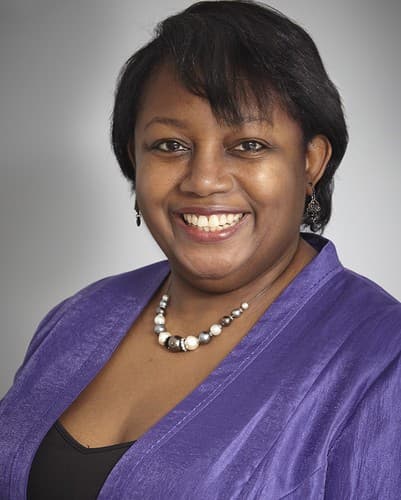
Malorie Blackman is a British writer who held the position of Children's Laureate from 2013 to 2015. She primarily writes literature and television drama for children and young adults. She has used science fiction to explore social and ethical issues. Her critically and popularly acclaimed Noughts and Crosses series uses the setting of a fictional dystopia to explore racism. Blackman has been the recipient of many honours for her work including, most recently, the 2022 PEN Pinter Prize.