“The only thing I ever wanted was to be happy. Not this.”
— Diana expresses her frustration with her mental state and the impact it has on her family.

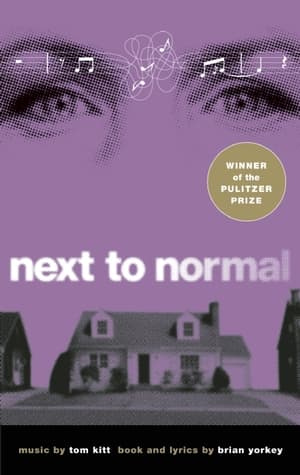
Brian Yorkey (2009)
Genre
Psychology
Reading Time
120 min
Key Themes
See below
Sign in to track this book
A suburban mother's struggle with bipolar disorder shatters her family's facade, revealing the raw, often painful, truths beneath their pursuit of normalcy.
“The only thing I ever wanted was to be happy. Not this.”
— Diana expresses her frustration with her mental state and the impact it has on her family.
“I'm the one who's broken. I'm the one who's crazy.”
— Diana's self-perception during a period of distress.
“They say the crazy, it's hereditary. Maybe I'm just like my mother.”
— Natalie worries about inheriting her mother's mental illness.
“My son is not a delusion. He is my son.”
— Diana's firm belief in her son's presence, despite his being a hallucination.
“I miss the bright, the vivid, the clear. I miss the music.”
— Diana describes the dulling effect of her medication on her emotions and perceptions.
“It's not a question of love, it's a question of what's real.”
— Dan tries to explain to Diana the reality of their situation regarding their son.
“Every day is just a little bit brighter. Every day is just a little bit less dark.”
— Diana reflects on her progress, even if it's slow and incremental.
“I don't need a cure. I just need a sign that I'm not alone.”
— Diana expresses her need for connection and understanding rather than just medical treatment.
“The only way to get through this is together.”
— Dan's plea to Diana to face their challenges as a couple.
“Sometimes I think I'm the only sane one in this house.”
— Natalie's feeling of isolation and burden within her family.
“What if I can't feel anything anymore? What if I'm just numb?”
— Diana questions the side effects of her medication, fearing emotional blunting.
“The price of sanity is too high.”
— Diana's despair when considering the impact of treatment on her identity and memories.
“I love you too much to let you go, but I love you too much to stay.”
— Gabe's paradoxical expression of love and influence over Diana.
“You don't have to be happy to be good.”
— Dr. Madden's advice to Diana, emphasizing that well-being isn't solely about happiness.
Ready to see how well you understood this book? Take our interactive quiz with 10 questions.

Brian Yorkey is an American playwright and lyricist, best known for the Pulitzer Prize-winning musical "Next to Normal." His work often explores complex family dynamics and mental health challenges with a blend of emotional depth and contemporary musicality. He has also penned lyrics for other notable stage productions.
Rhonda Byrne
4.3

Menno Henselmans
4.3
Sylvia Plath
4.3
Elliot Aronson
4.3

Joseph Campbell
4.3
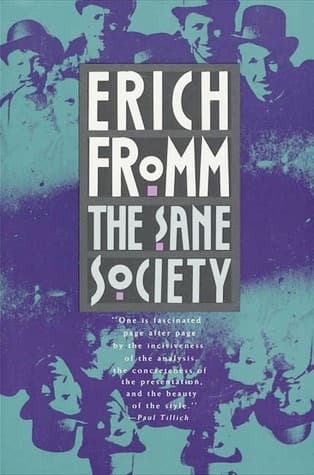
Erich Fromm
4.3
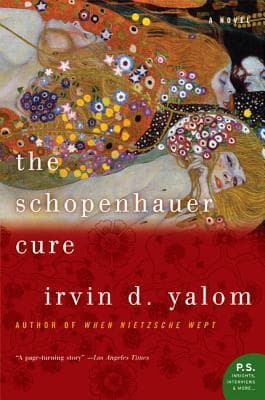
Irvin D. Yalom
4.2
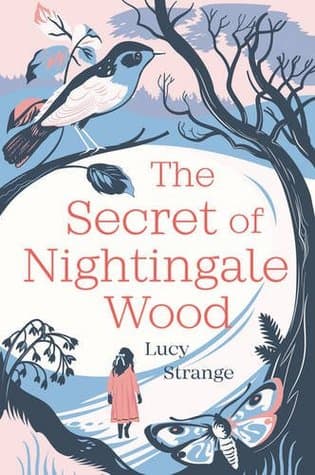
Lucy Strange
4.2