BookBrief
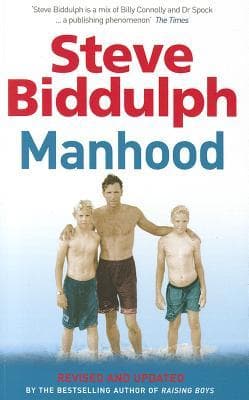
Manhood cover
Archivist's Choice

Manhood

Steve Biddulph (2012)

Genre

Psychology / Finance / Relationships / Self-Help

Reading Time

360 min

Key Themes

See below

Track Your Reading

Sign in to track this book

Steve Biddulph's "Manhood" helps men break free from old societal expectations, build real relationships, and find a richer, more emotional life, benefiting both men and the women in their lives.

Core Idea

Steve Biddulph's 'Manhood' questions old ideas of masculinity. It says that true manhood is not about being tough or dominant, but about understanding emotions, connecting deeply, and being an involved, caring father. The book suggests that many men carry unaddressed hurts from childhood, which lead to emotional distance, relationship problems, and a feeling of not being fulfilled. It offers a way for men to heal these hurts, get back in touch with their emotions, build real relationships, and become fathers who actively support their children's emotional health.
Reading time
360 min
Difficulty
Medium
✓ Read this if...
You are a man seeking to understand and redefine your masculinity, improve your emotional intelligence, heal past wounds, or become a more present and effective father. Also recommended for partners of men who wish to understand their experiences better.
✗ Skip this if...
You are content with traditional, stoic definitions of masculinity and have no interest in exploring emotional depth or vulnerability in men.

Core idea

The central argument and framework that powers the entire book.

Steve Biddulph's 'Manhood' questions old ideas of masculinity. It says that true manhood is not about being tough or dominant, but about understanding emotions, connecting deeply, and being an involved, caring father. The book suggests that many men carry unaddressed hurts from childhood, which lead to emotional distance, relationship problems, and a feeling of not being fulfilled. It offers a way for men to heal these hurts, get back in touch with their emotions, build real relationships, and become fathers who actively support their children's emotional health.

At a glance

Reading time

360 min

Difficulty

Medium

Read this if...

You are a man seeking to understand and redefine your masculinity, improve your emotional intelligence, heal past wounds, or become a more present and effective father. Also recommended for partners of men who wish to understand their experiences better.

Skip this if...

You are content with traditional, stoic definitions of masculinity and have no interest in exploring emotional depth or vulnerability in men.

Key Takeaways

1

The Wounded Son

Unresolved father-son dynamics cripple adult masculinity.

Quote

The relationship with our father is the most important single factor in determining how we feel about being a man.

Biddulph states that a man's relationship with his father, or lack of one, affects his entire life, shaping his self-worth, emotional expression, and ability to build healthy relationships. Many men carry unacknowledged hurts from childhood—an absent, critical, or emotionally distant father—leading to deep insecurity and a struggle to connect with who they really are. This 'father wound' can appear as anger, emotional numbness, difficulty with intimacy, or constantly seeking outside approval, stopping men from feeling truly fulfilled ...

Supporting evidence

Biddulph frequently references case studies and therapeutic insights, highlighting men who, through therapy, discovered how their early experiences with their fathers directly correlated with their adult emotional difficulties and relational patterns.

Apply this

Men should actively reflect on their relationship with their father, identifying unresolved feelings or unmet needs. Journaling, seeking therapy, or even initiating conversations with their father (if possible and safe) can begin the healing process. The goal is not to blame, but to understand and release the grip of past dynamics on present behavior.


father-woundemotional-legacymasculine-identity
2

Beyond the 'Macho' Myth

Traditional masculinity stifles emotional depth and authentic connection.

Quote

Most men are not fully alive.

Biddulph says that common societal ideas about masculinity—emphasizing stoicism, aggression, competition, and hiding emotions—harm men's well-being and their ability to live fulfilling lives. This 'macho' myth puts men in a narrow box, discouraging vulnerability, empathy, and real emotional expression. This often leads to deep isolation, an inability to connect deeply with partners or friends, and a higher chance of mental health issues like depression, all hidden behind a show of strength. Breaking free from these old ideas is necess...

Supporting evidence

The book discusses how cultural narratives and media portrayals often reinforce these restrictive masculine ideals, leading men to believe that showing emotion is a sign of weakness. Biddulph contrasts this with healthier models of masculinity observed in various cultures.

Apply this

Challenge personal assumptions about what it means to 'be a man.' Practice expressing emotions (beyond anger) in safe spaces. Seek out relationships with men who embody a more expansive, emotionally intelligent masculinity. Engage in activities that foster connection over competition.

toxic-masculinityemotional-repressionauthentic-self
3

Sex as Connection, Not Conquest

Reframe sex from performance to mutual intimacy.

Quote

Getting sex right is not about technique; it's about presence and connection.

Biddulph criticizes the common, often porn-influenced, view of sex as a performance or conquest, which reduces true intimacy and satisfaction for both partners. He argues that real sexual fulfillment for men is not about reaching a specific goal, but about being present, emotionally open, and deeply connected with their partner. This means understanding and valuing a partner's desires, communicating openly, and allowing for a more fluid, less goal-focused experience. Changing this view frees men from performance pressure and allows fo...

Supporting evidence

Biddulph draws on extensive interviews and counseling experiences, noting that many men express deep dissatisfaction with their sex lives despite adhering to conventional 'masculine' approaches, while those who prioritize connection report greater fulfillment.

Apply this

Shift focus during sex from performance anxiety to present-moment awareness and partner connection. Engage in open, honest conversations with partners about desires, boundaries, and what truly fosters intimacy. Explore non-coital touch and emotional intimacy as integral parts of a fulfilling sex life.

sexual-intimacyconscious-sexualityrelationship-communication
4

The True Work of Fatherhood

Active, engaged fatherhood transforms men and children.

Quote

Being a true dad is not about being a provider, but about being present.

Biddulph supports active, involved fatherhood as one of the most life-changing experiences for a man, challenging the old idea that a father's main job is just to provide money. He highlights the strong positive effect an present, emotionally available father has on a child's development—building security, resilience, and a healthy sense of self. For men, this involvement brings great joy, purpose, and a chance for personal growth, breaking cycles of absent fatherhood. It requires prioritizing time, emotional investment, and a willing...

Supporting evidence

The book cites numerous studies demonstrating the positive developmental outcomes for children with actively involved fathers, including better academic performance, higher self-esteem, and fewer behavioral problems. Biddulph also shares anecdotes of men who found profound meaning in hands-on parenting.

Apply this

Prioritize dedicated, quality time with children daily. Engage in playful activities, read stories, and be emotionally responsive. Be present and attentive, putting away distractions like phones. Actively participate in their care and upbringing, sharing responsibilities with partners.

engaged-fatherhoodparental-involvementchild-development
5

The Power of Male Friendship

Deep, non-competitive male friendships are vital for emotional health.

Quote

Real male friends are a lifeline, a place where men can truly be themselves.

Biddulph points out how important deep, real male friendships are, noting that many men struggle to form or keep these connections because of societal pressures that promote competition or emotional distance among men. He argues that true male friendship offers a unique space for vulnerability, mutual support, and understanding without judgment, which is essential for emotional well-being and handling life's challenges. These friendships go beyond surface-level talk or shared activities, moving into deeper emotional sharing, offering ...

Supporting evidence

Biddulph observes that men often report feeling isolated despite having many acquaintances. He contrasts this with examples of men who have cultivated enduring, emotionally supportive friendships, describing the profound positive impact on their mental health and resilience.

Apply this

Actively seek out opportunities to deepen existing male friendships beyond shared activities. Initiate conversations that go beyond surface-level topics. Practice active listening and offer genuine emotional support. Be willing to share personal struggles and vulnerabilities with trusted friends.

male-friendshipemotional-supportsocial-connection
6

Finding a Job with Heart

Work should align with purpose, not just provide for material needs.

Quote

A job with heart is one that nourishes your soul, not just your bank account.

Biddulph challenges men to rethink their relationship with work, moving past the traditional male role of only being a 'provider' and enduring unfulfilling jobs. He suggests finding 'a job with heart'—work that matches one's values, passions, and gives a sense of purpose and meaning, not just financial security. This is not about abandoning responsibility, but about seeking a job that nourishes the soul and helps overall well-being. Constantly chasing money or status in a soul-crushing job ultimately leads to burnout, unhappiness, and...

Supporting evidence

Biddulph shares stories of men who, despite financial success, felt empty and purposeless in their careers until they made a courageous shift towards work that resonated with their deeper values. He contrasts this with the widespread 'quiet desperation' many men experience in unfulfilling jobs.

Apply this

Reflect on personal values, passions, and skills. Explore career paths that offer a sense of purpose and contribution beyond financial gain. Consider volunteer work or side projects to inject 'heart' into daily life if a full career change isn't immediately feasible. Prioritize work-life balance to prevent burnout.

meaningful-workcareer-purposework-life-balance
7

The Lifelong Quest for Self

Manhood is a continuous journey of self-discovery and growth.

Quote

Manhood is not a destination, but a journey of becoming.

Biddulph states that becoming a 'fully alive' man is not a one-time achievement but a lifelong journey of self-discovery, learning, and adapting. He rejects rigid definitions of masculinity, instead suggesting an evolving identity that embraces change, vulnerability, and continuous personal growth. This journey involves regularly examining one's beliefs, challenging old patterns, and being open to new experiences and views. It means accepting imperfections, learning from mistakes, and actively trying to be a better man, partner, fathe...

Supporting evidence

The book's updated edition reflects Biddulph's own evolving understanding of masculinity over the years, demonstrating that even the author's insights are not static. He encourages men to see their lives as a continuous narrative of growth, rather than a fixed state.

Apply this

Cultivate a growth mindset, embracing challenges and setbacks as opportunities for learning. Regularly engage in self-reflection through journaling or meditation. Seek out new experiences and perspectives. Be open to feedback and willing to adapt beliefs and behaviors as needed.

personal-growthself-discoverylifelong-learning
8

Reclaiming Emotional Literacy

Understanding and expressing emotions is fundamental to male well-being.

Quote

Many men are like emotional illiterates, unable to read or write the language of their own feelings.

A main idea of Biddulph's work is the urgent need for men to regain their emotional understanding. He argues that society often teaches boys to hide or intellectualize emotions, leading to an inability to identify, process, and express feelings beyond anger or frustration. This emotional difficulty creates a deep disconnect within men themselves and with others, harming intimacy, effective communication, and problem-solving. Re-learning to feel and express emotions is not a sign of weakness but a vital strength that brings deeper self...

Supporting evidence

Biddulph frequently uses the analogy of emotional illiteracy, describing how men often struggle to name their feelings, leading to miscommunication and internal distress. He provides examples from his clinical practice where men initially present with anger, only to uncover underlying sadness, fear, or loneliness.

Apply this

Practice identifying and naming emotions throughout the day. Start a 'feelings journal' to track emotional states. Learn to differentiate between primary and secondary emotions (e.g., anger often masks sadness). Seek therapy or join men's groups to practice expressing emotions in a safe, supportive environment.

emotional-intelligenceemotional-expressionvulnerability
9

The Partner as Ally

Partners can support men's growth while maintaining their own boundaries.

Quote

Women have found the book to be a profoundly moving and revealing read, while men acquire recognition and a sense of hope that life can be different.

While 'Manhood' is mainly for men, Biddulph acknowledges that partners (often women) play a key role in supporting men's journey toward healthier masculinity. He suggests that partners can be strong allies by understanding the societal pressures men face, encouraging emotional expression, and creating safe spaces for vulnerability. However, he also stresses that partners must keep their own boundaries, avoid becoming a man's only emotional caretaker, and recognize that personal growth is ultimately an individual's responsibility. This...

Supporting evidence

The book itself is framed as being beneficial for both men and women, implicitly suggesting that a partner's understanding can facilitate a man's growth. Biddulph provides insights that help partners interpret male behavior and emotional struggles more empathetically.

Apply this

Partners can read and discuss books like 'Manhood' to gain insight into male experiences. Encourage open communication and emotional sharing without judgment. Support a man's efforts to connect with other men or seek therapy. Set clear boundaries and avoid taking sole responsibility for a man's emotional well-being.

relationship-supportmutual-growthhealthy-boundaries
10

Breaking the Cycle

Conscious manhood offers hope for future generations.

Quote

By healing ourselves, we heal the future.

Biddulph offers a powerful message of hope: by consciously working on personal growth and redefining masculinity, men can break cycles of emotional repression, trauma, and unfulfilling lives that have been passed down through generations. This is not just about individual well-being; it is about creating a better world for sons and daughters. A man who faces his own 'father wound,' embraces emotional understanding, and models involved fatherhood actively helps create a healthier family line. This conscious effort creates a ripple effe...

Supporting evidence

The book's very existence, and its continuous updates, is evidence of Biddulph's belief in the possibility of change and positive evolution for men and society. He implicitly argues that understanding past patterns is the first step toward consciously choosing a different future.

Apply this

Commit to ongoing personal development and self-reflection. Model healthy emotional expression and relationship dynamics for children and younger men. Engage in discussions about masculinity with peers and family. Advocate for societal changes that support a more expansive and healthy understanding of manhood.

generational-healingsocial-changepositive-masculinity

Critical analysis

Notable Quotes

The single most important factor in a child's development is the presence of a loving, involved father.

Highlighting the crucial role of fathers in child rearing.

Men need to learn to talk about their feelings, not just their achievements.

Encouraging emotional literacy and vulnerability in men.

True strength lies not in never falling, but in rising every time we fall.

Redefining strength beyond stoicism to include resilience.

Your most important job as a man is to be present for your family.

Emphasizing presence over material provision as a key paternal duty.

Money is not a substitute for love or time. It is merely a tool.

Putting financial success into perspective against relational needs.

Many men are living lives of quiet desperation, feeling trapped by expectations.

Addressing the internal struggles many men face due to societal pressures.

The greatest gift you can give your children is a healthy relationship with their mother.

Underscoring the impact of parental relationship quality on children.

Every man needs a mentor, someone older and wiser to guide him.

Advocating for the importance of mentorship in male development.

The journey to manhood is about finding your purpose and living it with integrity.

Defining the essence of mature manhood as purpose-driven and ethical.

Learn to say no to the things that drain you and yes to the things that nourish you.

Advising on boundary setting and self-care for men.

A man who cannot forgive himself or others is a man burdened.

Highlighting the importance of forgiveness for emotional freedom.

The best way to teach your son about respect is to respect his mother.

Illustrating how actions, particularly within relationships, teach values.

Don't outsource your happiness. It's an inside job.

Encouraging personal responsibility for one's own well-being.

Financial literacy is not just about making money, but about managing it to support your values and your life.

Broadening the definition of financial literacy beyond mere accumulation.

Quiz

Test Your Knowledge

Ready to see how well you understood this book? Take our interactive quiz with 10 questions.

10
Questions
~5
Minutes
?
Best Score

Key Questions (FAQ)

'Manhood' posits that many men are not living fully alive and explores how to establish a healthy masculinity free from outdated social molds. It addresses the problems and possibilities confronting men in their daily lives, offering paths to a more fulfilling existence.

About the author