BookBrief
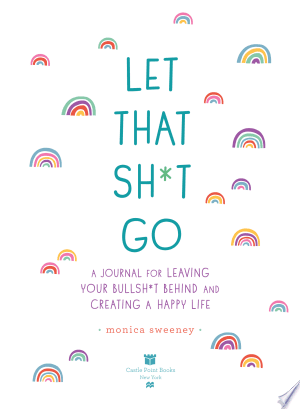
Let That Sh*t Go cover
Archivist's Choice

Let That Sh*t Go

Monica Sweeney (2018)

Genre

Self-Help

Reading Time

90 min

Key Themes

See below

Track Your Reading

Sign in to track this book

This journal uses profanity to help you let go of drama and find a happier life by simply not caring about the nonsense.

Core Idea

This book suggests that much mental and emotional stress comes from overthinking, outside pressure, and not being able to let go of small or harmful worries. It argues that using profanity can be a strong way to release feelings. It also helps set boundaries, reject negativity, and build a more real sense of self-worth. By choosing not to care about unimportant stressors, people can get back their mental energy and use it for self-care and personal happiness.
Reading time
90 min
Difficulty
Easy
✓ Read this if...
You're feeling overwhelmed by minor annoyances, want a no-nonsense approach to stress relief, or enjoy self-help with a humorous, irreverent tone.
✗ Skip this if...
You are offended by profanity, prefer academic or deeply philosophical self-help, or are looking for extensive psychological research.

Core idea

The central argument and framework that powers the entire book.

This book suggests that much mental and emotional stress comes from overthinking, outside pressure, and not being able to let go of small or harmful worries. It argues that using profanity can be a strong way to release feelings. It also helps set boundaries, reject negativity, and build a more real sense of self-worth. By choosing not to care about unimportant stressors, people can get back their mental energy and use it for self-care and personal happiness.

At a glance

Reading time

90 min

Difficulty

Easy

Read this if...

You're feeling overwhelmed by minor annoyances, want a no-nonsense approach to stress relief, or enjoy self-help with a humorous, irreverent tone.

Skip this if...

You are offended by profanity, prefer academic or deeply philosophical self-help, or are looking for extensive psychological research.

Key Takeaways

1

The Burden of Bullsh*t

Unexamined emotional baggage weighs you down, preventing joy.

Quote

Harboring grudges and plotting revenge takes a lot of energy.

Many people carry a lot of emotional "bullsh*t" without knowing it. This includes unresolved anger, past hurts, worries about the future, and always seeking approval or revenge. This mental and emotional clutter is not harmless; it drains energy, clouds judgment, and reduces real happiness. The book's journal prompts suggest that this inner noise causes constant, low-level stress, stopping people from being present and enjoying life's simple pleasures. Understanding how much energy is lost by holding onto these negative emotions is th...

Supporting evidence

The book's entire premise is built on the idea that holding onto negativity is detrimental and energy-consuming, rather than citing specific studies, it's a foundational assertion for its therapeutic approach.

Apply this

Conduct a mental inventory of recent instances where you felt drained or overwhelmed. Identify if these feelings stemmed from replaying past grievances or worrying about future 'what-ifs.' Actively acknowledge the energy drain these thoughts cause.


emotional-baggageenergy-drainmental-clutter
2

Profanity as Catharsis

Using 'f*ck' isn't just rude; it's a powerful release valve.

Quote

With Let That Sh*t Go, you’ll find moments of profanity-laced catharsis and joy through journaling activities.

Sweeney's method relies heavily on how profanity can help. The planned use of "fck" and "sht" in the journal is a direct, open way to show frustration, anger, and the desire to let go. In a society that often limits how emotions are shown, especially for women, this strong language gives permission to be real and authentic. It skips polite words and directly addresses intense feelings, offering a strong release that more "polite" language might weaken. This is not about being vulgar for no reason, but about using the impact of certa...

Supporting evidence

The very title and consistent language of the book serve as evidence, demonstrating the author's intentional use of profanity as a tool for emotional release and authenticity.

Apply this

When journaling about something truly frustrating, allow yourself to use strong, 'unfiltered' language. Don't censor; write exactly what comes to mind, even if it feels aggressive or impolite. Notice the feeling of release.

catharsisemotional-releaseauthentic-expression
3

The Power of Not Giving a F*ck

True bliss arises from detachment, not constant striving or revenge.

Quote

True bliss can be found in simply not giving a f*ck.

The book's main idea supports the strong act of "not giving a f*ck" as a way to real happiness. This is not about being uncaring, but about choosing to detach from outcomes, others' opinions, and the need for approval or revenge. It is an active choice to take back your mental energy from things that do not help your well-being. Instead of putting emotional effort into past wrongs or future worries, the book encourages focusing on present happiness. This detachment frees up mental space, allowing for a more authentic and unburdened li...

Supporting evidence

The book explicitly contrasts the energy spent on 'plotting revenge' with the 'true bliss' found in 'simply not giving a f*ck,' highlighting detachment as a superior path to happiness.

Apply this

Identify one area where you frequently 'give too many f*cks' (e.g., a critical colleague, social media validation). For one day, consciously practice observing without emotional investment. Notice how much lighter you feel.

detachmentmindfulnessinner-peace
4

Journaling as a Release Valve

Writing provides a structured outlet for unburdening your mind.

Quote

you’ll find moments of profanity-laced catharsis and joy through journaling activities and inspirations.

The book, as a journal, highlights the benefits of writing. Journaling is not just for reflection; it is an active way to release strong emotions and thoughts. By putting internal "bullsh*t" on paper, people can gain distance and perspective. Writing, especially with permission to be raw and unfiltered (as the book's tone encourages), allows for a full emotional clearing. It is a private space where judgment is absent, allowing honest self-expression and processing difficult feelings without fear. This systematic release helps clear m...

Supporting evidence

The format of the book itself, being a journal with 'journaling activities,' is the primary evidence for this takeaway. It's designed as a practical tool for emotional processing.

Apply this

Dedicate 10-15 minutes each day to free-form journaling. Don't worry about grammar or coherence; just write whatever comes to mind, especially any frustrations or anxieties, until you feel a sense of release.

expressive-writingemotional-processingself-reflection
5

Positive as F*ck

Embracing positivity doesn't mean ignoring negativity; it's a conscious choice.

Quote

Within these truly charming pages, you’ll find ways to let go of the bullsh*t and lift your spirit a little f*cking higher.

Sweeney's positivity is not fake or naive. It is a strong, active choice to feel better after acknowledging and releasing the "bullsht." This approach understands that true positivity is not about pretending everything is fine, but about intentionally moving focus and energy toward what makes you feel good, once emotional clutter is gone. It is a tough, strong kind of optimism that comes from facing and letting go of negativity. The "fck" in "positive as f*ck" means a strong, no-nonsense dedication to well-being, rather than passive...

Supporting evidence

The phrase 'lift your spirit a little f*cking higher' directly illustrates the book's goal of proactive positivity, built upon the foundation of letting go.

Apply this

After a journaling session where you've released negativity, consciously write down three things you are genuinely grateful for, using strong, emphatic language to describe your appreciation. Focus on the feeling of upliftment.

resilienceoptimismgratitude
6

Self-Compassion Through Swearing

The raw language fosters a non-judgmental space for self-acceptance.

Quote

letting your bullsh*t behind and creating a happy life.

One often overlooked part of "Let That Sht Go" is how its informal, expletive-filled tone quietly encourages self-compassion. When you are allowed to call your own internal struggles "bullsht" and express frustration with "fck," it creates a less formal, less judgmental inner talk. This lets people approach their flaws and mistakes with humor and acceptance, rather than harsh self-criticism. It makes the messiness of human experience normal, suggesting it is okay to be imperfect and have "sht" to let go of. This raw acceptance is ...

Supporting evidence

The book's overall tone and language, which is both direct and accepting of human flaws, underpins this concept. It's a therapeutic environment created by the voice of the book.

Apply this

Next time you catch yourself in a loop of negative self-talk, try reframing your internal criticism using the book's language. For example, instead of 'I'm such an idiot,' try 'That's some f*cking bullsh*t I'm telling myself.' Notice if it helps create distance and reduces the sting of self-judgment.

self-acceptanceinner-criticvulnerability
7

Action Over Apathy

Letting go is an active process, not passive indifference.

Quote

With Let That Sh*t Go, you’ll find moments of profanity-laced catharsis and joy through journaling activities.

Despite its casual title, "Let That Sht Go" is about taking active steps toward emotional well-being. The "not giving a fck" idea is often mistaken for apathy, but Sweeney's work clarifies it as a deliberate, energetic choice to pull away from harmful thoughts and situations. The journaling activities themselves are actions—they need involvement, self-reflection, and the courage to face internal struggles. It is an active process of finding, recognizing, and then purposely letting go of what no longer helps you, rather than passivel...

Supporting evidence

The book is explicitly a 'journal for leaving your bullsh*t behind,' emphasizing 'journaling activities' as the mechanism for change, which are inherently active.

Apply this

When faced with a recurring negative thought or situation, don't just try to ignore it. Actively acknowledge it, then engage in a 'letting go' exercise from the journal (or a similar mental ritual) to consciously release your grip on it. It's a choice, not an absence of thought.

proactive-wellbeingemotional-agencyconscious-choice
8

Defining Your Own Bliss

Happiness is an internal state, independent of external validation or revenge.

Quote

While the wait for one true moment of schadenfreude sounds oh so sweet, true bliss can be found in simply not giving a f*ck.

The book clearly contrasts the short-lived satisfaction of "schadenfreude" or outside approval with the lasting "true bliss" found within. This shows an important idea: lasting happiness does not depend on others' suffering, their approval, or reaching specific outside goals. Instead, it comes from an inner change—the decision to release the need for outside circumstances to be perfect. By "not giving a f*ck" about what others think or about "getting even," people regain their power to define and experience happiness on their own term...

Supporting evidence

The direct comparison between 'schadenfreude' and 'true bliss' through 'not giving a f*ck' is a central tenet of the book's philosophy on happiness.

Apply this

Reflect on what you currently believe would make you truly happy. Challenge whether these are external achievements or internal states. Practice finding moments of 'bliss' in simple, present activities, independent of external factors.

internal-locus-of-controlself-sufficiencyauthentic-happiness

Critical analysis

Notable Quotes

Letting go is not about not caring, it's about caring for yourself more.

A core philosophy of the book, emphasizing self-compassion.

Holding onto anger is like drinking poison and expecting the other person to die.

A common analogy used to illustrate the self-destructive nature of resentment.

Your mental health is more important than anyone else's opinion.

Encouraging readers to prioritize their well-being over external validation.

The past is a place of reference, not a place of residence.

Advising against dwelling on past events and encouraging forward movement.

You are not responsible for other people's happiness. You are responsible for your own.

Setting boundaries and promoting personal accountability for one's own emotional state.

Comparison is the thief of joy. Stop looking at other people's highlight reels.

Warning against social comparison and its negative impact on contentment.

It's okay to not be okay. It's not okay to stay not okay.

Acknowledging difficult emotions but encouraging active steps towards improvement.

The only thing you can control is your reaction to things.

Highlighting the power of one's own response in difficult situations.

Forgiveness is a gift you give yourself, not the person who wronged you.

Reframing forgiveness as an act of self-liberation.

Your energy is a precious resource. Guard it fiercely.

Emphasizing the importance of protecting one's personal energy from draining influences.

Don't let what you can't do interfere with what you can do.

A call to focus on capabilities and possibilities rather than limitations.

The greatest prison people live in is the fear of what other people think.

Addressing the crippling effect of external judgment and societal expectations.

Progress, not perfection. Every small step forward is a victory.

Encouraging a focus on gradual improvement over an unattainable ideal.

Sometimes the most productive thing you can do is rest and recharge.

Underscoring the importance of self-care and taking breaks.

Quiz

Test Your Knowledge

Ready to see how well you understood this book? Take our interactive quiz with 10 questions.

10
Questions
~5
Minutes
?
Best Score

Key Questions (FAQ)

'Let That Sh*t Go' is a self-help journal designed to help you release grudges, negativity, and unnecessary stress. Through journaling activities and inspirations, it guides you toward a happier life by teaching you the art of not giving a f*ck about the things that hold you back.

About the author