“In this world, the only thing that cannot be stolen is wisdom. But wisdom is also the only thing that cannot be given to you by others.”
— Reflecting on personal growth and the nature of knowledge.

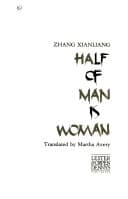
Zhang Xianliang (1988)
Genre
General
Reading Time
8-10 hours
Key Themes
See below
Sign in to track this book
In a Chinese labor camp, a poet finds forbidden love with a peasant woman, seeking solace in nature's beauty amidst political turmoil.
The novel begins with Zhang Niannian, an intellectual and poet, sent to a re-education camp in the desolate deserts of Northwest China. He is a 'rightist,' condemned for his art and independent thinking. He immediately faces the harsh realities of camp life: hard physical labor, small food portions, and constant ideological checks. His name is erased, and he becomes a number in the system. Zhang struggles with losing his intellectual freedom and the psychological burden of his new life, finding comfort only in the vast, empty landscape and faint memories of his past as a writer.
While working on a construction project, Zhang Niannian meets Huang Xiangji, a local peasant woman from a nearby village. Huang is strong, practical, and free from the intellectual worries that trouble Zhang. Their first meetings are brief and careful, following strict camp rules that forbid prisoners from interacting with villagers. However, Zhang is drawn to her earthy energy and strength, which contrasts with his own weakened state. Huang, in turn, seems interested in the educated, melancholic poet. Their growing connection offers Zhang a glimpse of humanity and intimacy in a dehumanizing place.
Driven by mutual attraction and a desperate need for human connection, Zhang Niannian and Huang Xiangji begin a secret affair. Their meetings are short, often in hidden parts of the construction site or at night. For Zhang, Huang represents a link to life, physicality, and a basic freedom he has lost. For Huang, Zhang offers a look into a world of intellect and sensitivity she has never known. Their physical intimacy becomes a powerful act of defiance against the oppressive system, a sanctuary where they can briefly reclaim their identities and desires, even as the constant threat of discovery hangs over them.
Zhang Niannian's time in the labor camp has deeply affected his physical and mental health, leading to a period of impotence. This weakness is a direct result of the dehumanizing conditions, constant hunger, and suppression of his individual will. He feels very inadequate in his relationship with Huang Xiangji, unable to fully be a man. This struggle with his masculinity becomes a central internal conflict, symbolizing his broader loss of self and power. Huang, though patient, also feels the frustration of this unfulfilled desire, showing how the political system impacts even the most private parts of human life.
Facing Zhang Niannian's continued impotence and her own unmet needs, Huang Xiangji, with her usual practicality, suggests a temporary solution: she will seek intimacy with another man to have a child. She sees this as necessary for her future and their potential life together. This idea, while practical for Huang, deeply hurts Zhang. He understands her logic but is consumed by jealousy and a strong feeling of failure. This event highlights the vast cultural and psychological differences between them, as well as the extreme circumstances that force such compromises. It further shows Zhang's internal conflict between his intellectual ideals and the harsh realities of survival.
Through sheer will and perhaps a gradual improvement in his physical condition, along with emotional support (and challenge) from Huang, Zhang Niannian's masculinity slowly returns. This restoration is a key moment, symbolizing his return to self and a victory over the dehumanizing forces of the camp. Their physical intimacy reignites, stronger and deeper than before. This renewal brings Zhang great joy and a sense of completeness, allowing him to fully embrace his relationship with Huang and experience a form of freedom and self-worth that had been lost. Their shared passion shows the enduring human spirit.
As Zhang Niannian and Huang Xiangji's relationship deepens, the risks of discovery grow. The constant watch of camp authorities and other prisoners creates an atmosphere of tension. Any hint of a forbidden relationship could lead to severe punishment for Zhang, and possibly for Huang. They become better at hiding their affair, but the stress of keeping it secret takes a toll. This constant threat highlights the oppressive nature of the regime, which tries to control not only people's thoughts and actions but also their most private desires and connections, seeing them as rebellious.
Through luck or a change in camp duties, Zhang Niannian is temporarily moved to a less demanding role, giving him more time and some privacy with Huang Xiangji. During this time, they create a makeshift home, sharing meals and daily routines that resemble domestic life. This brief break from the camp's harsh realities allows their relationship to deepen beyond physical passion, becoming a companionship built on shared experiences and mutual support. It offers a precious, though fragile, taste of normalcy and happiness amidst ongoing hardship, strengthening their bond against an uncertain future.
The political situation outside the camp quickly worsens with the Cultural Revolution's growth. News of purges, public accusations, and strong ideological fervor reaches even the remote labor camp, creating an atmosphere of increased paranoia and fear. The authorities become even more watchful, and 're-education' efforts stricter. This outside political turmoil directly impacts Zhang Niannian and Huang Xiangji's fragile life, making their forbidden relationship even more dangerous. The growing ideological pressure threatens to crush any remaining individual freedom, forcing Zhang to face the impossibility of a truly private life under such a regime.
The relentless pressure of the Cultural Revolution and the labor camp's strict rules finally make Zhang Niannian and Huang Xiangji's relationship impossible. Whether through an order for Zhang's transfer, a forced relocation of Huang, or the sheer impossibility of keeping their secret amidst increasing surveillance, they are separated. This parting is heartbreaking, showing the political system's victory over individual desire and human connection. Zhang is left again with a deep sense of loss, but also with the lasting memory of Huang's strength and their shared moments of intimacy, which have changed him forever.
After his separation from Huang, Zhang Niannian enters a period of deep self-reflection. He thinks about his journey of losing and then regaining his masculinity, not just physically but also emotionally and intellectually. He considers the meaning of freedom, both personal and political, and how the oppressive system tried to strip individuals of their core. His relationship with Huang, though ended, helps him understand the complex interaction between human nature, societal limits, and the lasting need for love and connection. He realizes that true selfhood is not just about political freedom but also about the ability to love and be loved.
The novel ends with Zhang Niannian's survival through the harsh years of the labor camp and the Cultural Revolution. While he endures, his experiences, especially his relationship with Huang and the struggle for his own identity, leave lasting marks. He carries the scars of his past, both physical and psychological, but also a deep understanding of human strength and the enduring power of the human spirit. The ending suggests a complex form of liberation, where physical freedom may be regained, but the inner self has been changed forever by suffering and love. Zhang shows the human ability to find meaning and connection even in the most desolate situations.
The Protagonist
Zhang transforms from a physically and emotionally broken intellectual into a man who reclaims his vitality and selfhood through love and resilience, learning to integrate his intellectual and physical selves.
The Supporting
Huang remains steadfast in her practical nature, but her relationship with Zhang opens her to a world of deeper emotional and intellectual connection, subtly broadening her perspective.
The Antagonist (Collective)
The Camp Authorities remain a static, unyielding force throughout the narrative, symbolizing the unchanging nature of the oppressive regime.
The Supporting/Mentioned
Individually, their arcs are largely unseen, but collectively they represent the enduring human capacity for both despair and small acts of solidarity.
The Supporting/Symbolic
The desert remains largely unchanged, but Zhang's perception and relationship with it evolve from despair to finding a sense of grounding and even spiritual connection.
The novel shows how totalitarian political systems, like the Cultural Revolution, strip individuals of their identity, dignity, and basic humanity. Zhang Niannian's weakness and the reduction of prisoners to numbers illustrate the regime's goal to control not just actions but also thoughts and desires. Constant surveillance and fear of accusation create an environment where trust erodes, and individual expression is brutally suppressed. This theme is central, as Zhang's fight to reclaim his selfhood is a direct response to this systemic dehumanization.
“Half of man is woman, and half of man is also beast. And half of man is also God.”
A main theme is Zhang Niannian's journey to reclaim his masculinity, which is deeply tied to his overall identity. The camp system initially makes him impotent, symbolizing his broader weakness as an intellectual and a free individual. His physical and emotional recovery, especially through his relationship with Huang Xiangji, signifies a victory over the oppressive forces that tried to diminish him. This is not just about sexual potency, but about regaining his control, his ability to love, and his sense of worth as a man and a human being in the face of great hardship.
“It was as if I had been reborn. My manhood, which had been buried for so long, had finally resurrected.”
In a world designed to crush individual spirit and connection, Zhang and Huang's secret affair is a powerful act of resistance. Their intimacy, both physical and emotional, provides a refuge from the camp's harsh realities and a way to reclaim their humanity. Their love defies the ideological control that tries to regulate all parts of life. It shows the lasting human need for connection, passion, and belonging, even under the most oppressive conditions. Their relationship is a private rebellion against a public tyranny.
“In that vast, desolate place, only our bodies knew what true freedom was.”
The novel sharply contrasts Zhang Niannian's intellectual, reflective nature with Huang Xiangji's earthy, practical, and instinctive approach to life. Zhang, a poet, grapples with abstract ideas of freedom and identity, while Huang focuses on immediate survival and physical needs. This dynamic highlights different forms of human strength and understanding. Zhang's journey involves learning to appreciate and incorporate Huang's more basic wisdom, suggesting that true completeness requires a balance between mind and body, intellect and instinct. The harsh environment forces Zhang to confront the limits of a purely intellectual existence.
“She was like the earth itself, fertile and unyielding, while I was just a seed, blown by the wind.”
The vast, desolate landscape of the Northwest desert is a powerful backdrop and a character itself. It symbolizes Zhang's imprisonment and also offers deep comfort and a place for thought. Nature's indifference contrasts with the small cruelties of human politics, offering perspective and a sense of timelessness. Zhang often finds comfort and a connection to something larger than himself in the stark beauty of the natural world, suggesting that nature's grandeur can provide a spiritual escape and a reminder of life's strength even when humans cause suffering.
“The desert stretched endlessly, indifferent to our suffering, yet in its vastness, I found a strange kind of peace.”
Zhang's physical impotence symbolizes his broader loss of power and identity under political oppression.
Zhang Niannian's initial impotence is a powerful symbol of the dehumanizing effects of the labor camp system. It represents not just a physical affliction but also his emasculation as an intellectual, a free thinker, and a man stripped of his agency and self-worth. His eventual recovery of potency, largely through his relationship with Huang Xiangji, symbolizes his reclamation of self, vitality, and human dignity. This device highlights how political oppression can penetrate and corrupt even the most intimate aspects of an individual's being, and how personal resilience can lead to a profound reassertion of self.
The story is told from Zhang Niannian's subjective viewpoint, offering deep insight into his psychological state.
The novel employs a first-person narrative, allowing the reader direct access to Zhang Niannian's internal thoughts, reflections, and emotional struggles. This perspective is crucial for understanding the psychological impact of the labor camp, his intellectual analyses of his situation, and the profound introspection surrounding his relationship with Huang Xiangji and his own masculinity. It creates an intimate and subjective experience, emphasizing the personal cost of political oppression and making Zhang's journey of self-discovery deeply resonant.
The desolate Northwest desert functions as a character, symbolizing isolation, harshness, and a primal freedom.
The remote, vast, and often brutal desert landscape of Northwest China is more than just a backdrop; it acts as a symbolic character. It represents the physical and psychological isolation of the labor camp, the harshness of the conditions, and the indifference of the natural world to human suffering. However, it also offers moments of stark beauty and a sense of primal freedom that contrasts with the artificial constraints of the camp. For Zhang, the desert becomes a space for profound contemplation and a connection to something enduring beyond human politics, mirroring his internal journey.
Zhang's memories and introspective thoughts provide context and deepen understanding of his past and present.
The narrative frequently uses flashbacks to Zhang Niannian's past life as a poet and intellectual, providing context for his current predicament and highlighting what he has lost. These are often interwoven with extensive internal monologues, where Zhang analyzes his experiences, his relationship with Huang, and his struggle with identity and masculinity. This device allows for a rich exploration of his psychological landscape, demonstrating the enduring power of memory and intellect even under oppressive conditions, and emphasizing the internal conflict between his past self and his present reality.
“In this world, the only thing that cannot be stolen is wisdom. But wisdom is also the only thing that cannot be given to you by others.”
— Reflecting on personal growth and the nature of knowledge.
“A man without a woman is only half a man; a woman without a man is only half a woman.”
— The central theme of the novel, exploring gender roles and human completeness.
“Freedom is not the absence of chains, but the ability to choose your own chains.”
— A philosophical reflection on the nature of freedom within restrictive circumstances.
“The greatest tragedy of our era is that people have forgotten how to laugh at themselves.”
— Observing the lack of self-awareness and humor in society.
“Man's greatest enemy is not others, but his own desires.”
— Introspection on internal struggles and human nature.
“To be alive is to suffer, to survive is to find some meaning in the suffering.”
— Coping with hardship and searching for purpose.
“Love is not a gift, but a struggle, a constant effort to understand and be understood.”
— Defining love beyond romantic ideals, as an active process.
“The past is like a ghost that haunts you, but also teaches you.”
— Reflecting on the enduring impact of past experiences.
“Sometimes, silence is the only language left to express the deepest pain.”
— Describing the inexpressibility of profound sorrow.
“Hope is a fragile thing, easily crushed, but essential for life.”
— Acknowledging the delicate but vital role of hope in human existence.
“The greatest prison is not built with bars, but with one's own mind.”
— Exploring self-imposed mental limitations and psychological confinement.
“Beauty is not in the object itself, but in the eye of the beholder who sees it.”
— A classic philosophical stance on subjective perception of beauty.
“Even in the darkest times, a small flicker of humanity can ignite a revolution.”
— A message of resilience and the power of individual spirit.
Ready to see how well you understood this book? Take our interactive quiz with 10 questions.