BookBrief
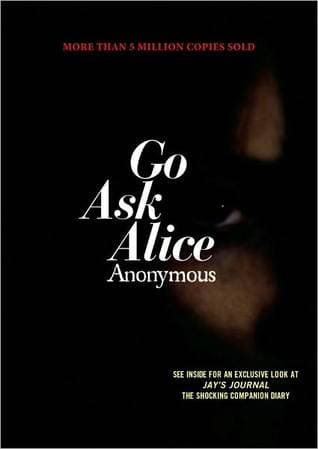
Go Ask Alice cover
Archivist's Choice

Go Ask Alice

Beatrice Sparks (1971)

Genre

Psychology / Young Adult

Reading Time

213 min

Key Themes

See below

Track Your Reading

Sign in to track this book

A naive teenager's diary shows her terrifying descent into drug addiction after a spiked drink, revealing a harrowing loss of innocence and life on the unforgiving streets.

Synopsis

A 15-year-old girl, likely named Alice, starts a new life after her family moves. Wanting to fit in, she attends a party where someone spikes her drink with LSD. This begins a terrifying journey into drug addiction. Despite initial guilt and attempts to resist, she finds herself drawn deeper into the drug scene, trying various substances and befriending other users. Her life quickly falls apart, including a runaway attempt, a stay in a mental institution, and a desperate flight to a large city where she lives on the streets, using prostitution to survive. After traumatic experiences, she returns home, trying to rebuild her life and reconnect with her family and a supportive boyfriend, Joel. However, her past and the constant threat of relapse remain. She experiences times of sobriety and hope, even planning a future with Joel, but drugs and lingering paranoia prove too strong. Despite her sincere efforts to stay clean and her desire for a normal life, she ultimately dies from an overdose, leaving her diary as a warning.
Reading time
213 min
Difficulty
Medium
Pacing
Fast
Mood
Dark, Disturbing, Tragic, Cautionary, Intense
✓ Read this if...
You are interested in a raw, unflinching look at drug addiction from a first-person perspective, or want to understand the perceived realities of drug use in the late 1960s/early 1970s.
✗ Skip this if...
You are looking for a nuanced or medically accurate portrayal of addiction, prefer books with clear narrative structure and character development beyond a diary format, or are sensitive to themes of drug abuse, sexual assault, and mental health struggles.

Plot Summary

The Move and the Party

Fifteen-year-old Alice and her family move to a new town, leaving her old friends behind. She feels lonely at first, but soon befriends Jill and the more rebellious Chris. Chris invites Alice to a party, promising a chance to meet new people. At the party, Alice hesitates to drink alcohol but accepts a soft drink. Unknown to her, Chris's boyfriend, Joel, and another boy, Bill, have secretly put LSD in her drink as a 'game.' Alice experiences a terrifying, confusing trip, filled with disturbing hallucinations and paranoia. She struggles to understand what is happening, feeling completely out of control and scared by the distorted reality around her.

Initial Experimentation and Guilt

After the traumatizing LSD experience, Alice is troubled by guilt and fear, believing she has done something unforgivable. She tells Chris, who downplays the incident and introduces her to marijuana as a way to 'relax.' Alice tries marijuana, at first feeling a sense of calm and belonging, which she desperately wants. This brief escape from her anxiety makes her open to further experimentation. She begins to spend more time with Chris and her group, feeling more distant from her parents and younger siblings, Elizabeth and Alex, who she fears will discover her secret. Her diary becomes her only confidante, a place to confess her growing shame and confusion.

The Summer of Drugs and Runaway Attempt

Alice's drug use increases over the summer, moving from marijuana to speed and other pills. She attends a commune with Chris and other friends, where drug use is common and unsupervised. The experience is chaotic and unsettling, further eroding Alice's sense of self and morality. Feeling overwhelmed by her addiction and the lies she tells her family, Alice tries to run away from home. She packs a bag and waits for a bus, but her conscience and fear of the unknown lead her to return home, filled with renewed guilt and self-hatred. Her parents, unaware of her struggles, are simply relieved to have her back.

Rehab and Relapse

Seeing Alice's worsening mental state and erratic behavior, her parents admit her to a mental institution for treatment. There, Alice receives therapy and tries to detox. She meets other young people struggling with addiction and begins to understand the depth of her problem. She makes progress and feels a flicker of hope for a drug-free future. However, upon returning home, the pressures of her old environment and the lingering desire for escape prove too strong. She reconnects with some of her old drug-using friends and quickly succumbs to temptation, relapsing into her previous habits, to her despair and her family's heartbreak.

Running Away to the City

After her relapse, Alice feels an overwhelming need to escape her stifling home environment and the judgment she perceives. She runs away to a large city, hoping to find freedom and a new life. She quickly joins a group of runaways and drug users, experiencing the harsh realities of street life. She is exploited, forced into prostitution to support her drug habit, and lives in squalor. Her diary entries from this period are filled with raw descriptions of her desperation, hunger, and constant fear of violence and arrest. She realizes that the 'freedom' she sought is simply another form of enslavement, far more brutal than anything she experienced at home.

The Return Home and Brief Hope

After months of living on the streets, authorities find Alice and reunite her with her distraught parents. She returns home physically and emotionally scarred, but with a renewed desire to get clean and start over. Her family is supportive, and she begins attending school again, trying to return to a normal life. She works to mend her relationships with her parents and siblings, and for a time, it seems she might truly be on the path to recovery. She even finds a boyfriend, Roger, who understands and supports her past struggles, offering her a glimmer of hope for a stable future.

The Wedding and the Drug Bust

Alice attends a wedding with her family, feeling hopeful about her progress. However, during the reception, she encounters old acquaintances openly using drugs. The temptation is immense, and despite her best intentions, Alice gives in and takes drugs. The situation quickly escalates when the police raid the wedding, having received a tip about drug activity. Alice is caught in the bust, leading to her arrest and public humiliation. This event shatters her fragile recovery and deeply disappoints her family, who had believed she was finally overcoming her addiction. The public nature of the arrest further increases her shame and despair.

Another Attempt at Recovery

Following the wedding bust, Alice is once again at a low point. Her parents, though heartbroken, continue to support her, and she commits to another attempt at sobriety. She re-engages with therapy and tries to avoid her old drug-using friends. Her diary becomes an even more important outlet, where she candidly records her daily battles with cravings, her feelings of isolation, and her fervent prayers for strength. She finds some comfort in writing, using it to process her emotions and reaffirm her commitment to staying clean. Despite these efforts, the shadow of her past addiction remains, making every day a conscious fight against relapse.

The Lingering Threat and Paranoia

Even as Alice tries to live a normal life, she feels perpetually marked by her past. She imagines people whispering about her, judging her, and always seeing her as 'the drug addict.' This constant perceived scrutiny leads to increasing paranoia and a deep sense of shame. She struggles to trust others, even those who genuinely care for her, convinced that they are secretly judging her. Her diary entries reflect this growing anxiety, detailing her fears of never being truly free from her past mistakes and the societal stigma of drug addiction, making her feel isolated even when surrounded by loved ones.

A Glimmer of Hope and the Final Entry

In her final diary entries, Alice expresses a renewed sense of purpose and optimism. She writes about her plans for the future, her desire to help others avoid her mistakes, and her belief that she can finally overcome her addiction for good. She feels a sense of peace and a deep connection to her family and a supportive new friend. Her last entry is filled with hope and the promise of a bright tomorrow, reflecting a young woman who believes she has finally found her path to recovery and happiness. This hopeful tone makes the abrupt end even more shocking and tragic.

The Tragic End

Following her last hopeful diary entry, Alice is found dead in her bed, a victim of an accidental drug overdose. The circumstances suggest she may have taken drugs one last time, perhaps miscalculating the dosage or succumbing to a moment of weakness. Her death is a devastating blow to her family and friends, who had believed she was finally on the road to recovery. Her diary, found by her parents, becomes her legacy, a raw and honest account of her descent into addiction and her desperate struggle to escape it. The book concludes with an editor's note, emphasizing the authenticity of Alice's diary and the tragic reality of drug addiction.

Principal Figures

Alice

The Protagonist

Alice descends from an innocent, curious teenager into a desperate addict, experiences brief periods of recovery, but ultimately succumbs to her addiction.

Chris

The Supporting

Chris remains largely unchanged, serving as a consistent negative influence in Alice's life, representing the unchanged environment Alice struggles to escape.

Alice's Mother

The Supporting

Her arc is one of escalating concern and heartbreak as she witnesses her daughter's decline, yet never gives up hope.

Alice's Father

The Supporting

Like Alice's mother, his arc is one of increasing despair and determination to save his daughter, culminating in profound grief.

Roger

The Supporting

Roger's role is largely static, serving as a beacon of hope and stability for Alice during a crucial period.

Jill

The Supporting

Jill's arc is minimal; she represents the 'normal' life Alice drifts away from.

Joel

The Mentioned

Joel has no discernible arc, serving primarily as a plot device.

Bill

The Mentioned

Bill has no discernible arc, serving primarily as a plot device.

Themes & Insights

The Peril of Peer Pressure and the Desire for Acceptance

Alice's first venture into drug use is driven by her desperate need to fit in with Chris and her group after moving to a new town. Her loneliness and insecurity make her highly vulnerable to the influence of others, even when her instincts tell her otherwise. The ease with which she is pressured into trying drugs, first LSD and then marijuana, shows how the desire for belonging can override personal judgment. This theme is clear from the first party scene where she accepts the spiked drink, and continues as she follows Chris into deeper drug use rather than risking social isolation.

I can't imagine what it would be like to be an outcast at school, and I'm afraid that if I don't go along with things, I will be.

Alice (diary entry)

The Destructive Nature of Drug Addiction

The novel directly shows the devastating physical, psychological, and social effects of drug addiction. Alice's journey from a naive teenager to a desperate, exploited runaway illustrates the rapid and brutal decline caused by drug dependence. Her addiction takes away her innocence, self-respect, relationships, and ultimately her life. The story details the paranoia, hallucinations, the need to steal and use prostitution for drugs, and the constant cycle of relapse and despair, painting a clear picture of addiction's grip.

I hate myself. I hate what I've become. I'm a junkie, a prostitute, a liar, a thief. I'm everything I swore I'd never be.

Alice (diary entry)

Loss of Innocence and Childhood

Alice's diary chronicles a rapid and tragic loss of innocence. Before drugs, she is a typical teenager with normal concerns. After her first LSD trip, her world changes completely. She is exposed to a dark side of society, involving sexual exploitation, violence, and deep moral compromises. The contrast between her initial hopes and dreams and the harsh realities of her drug-fueled life shows how addiction steals not just her future, but her childhood, forcing her into adult situations she is not ready for.

I'm not a child anymore. I'm a woman, a whore, a user, a pusher. I'm everything evil.

Alice (diary entry)

The Struggle for Identity and Self-Acceptance

Throughout her ordeal, Alice struggles with who she is and who she wants to be. Her drug use distorts her view of herself, leading to extreme self-hatred. During periods of sobriety, she tries to reclaim her former identity, or create a new, healthier one, but her past constantly haunts her. Her diary entries show her internal conflict, as she grapples with the shame of her actions versus her desire to be a good person. This internal battle for self-definition is a key part of her tragic journey.

Who am I? What am I? I don't even know anymore.

Alice (diary entry)

Family Love and Helplessness

Alice's parents consistently show deep love and concern for her, despite their inability to fully understand or control her addiction. They try everything, from therapy to institutionalization, to save her. However, their love, while strong, proves insufficient against the force of her addiction. This theme highlights the heartbreak and helplessness experienced by families dealing with drug abuse, showing that even the strongest family bonds can be strained to their limit and ultimately unable to prevent tragedy.

They love me so much. Why can't I stop hurting them?

Alice (diary entry)

Plot Devices & Literary Techniques

First-Person Diary Narration

The entire story is told through Alice's personal diary entries.

This device immediately establishes an intimate and subjective perspective, allowing readers direct access to Alice's innermost thoughts, fears, and justifications. It creates a sense of authenticity and immediacy, making her descent into addiction feel raw and personal. The diary entries range from mundane teenage observations to horrifying accounts of drug-induced hallucinations and exploitation. This format also serves as a confessional, revealing Alice's guilt and self-loathing that she cannot express to others, and ultimately becomes her legacy.

Foreshadowing (via tragic ending)

The 'editor's note' and the book's premise immediately hint at Alice's eventual death.

The book's title and the initial 'editor's note' (if included in the specific edition, or implied by the marketing) immediately inform the reader that Alice's story ends tragically. This creates a pervasive sense of dread and inevitability throughout the narrative. Every hopeful moment for Alice is tinged with the knowledge that it will not last, intensifying the emotional impact of her relapses and ultimately her death. It transforms the story from a simple cautionary tale into a profound tragedy, highlighting the fatal consequences of her choices.

The Drug as a False Escape/Coping Mechanism

Drugs are initially presented as a means of escape or acceptance, but become a trap.

From the initial LSD trip offering a bizarre 'experience' to marijuana providing a temporary sense of calm and belonging, drugs are consistently portrayed as Alice's chosen (or coerced) method of coping with loneliness, insecurity, and later, the harsh realities of her addiction. This device highlights the deceptive nature of drugs, which promise freedom or happiness but deliver only deeper enslavement and misery. Alice's repeated returns to drugs, even after attempts at sobriety, underscore how deeply ingrained this false coping mechanism becomes.

Symbolism of the 'New Town'

The new town represents a fresh start that quickly sours.

Alice's family move to a 'new town' at the beginning of the book symbolizes a fresh start and the potential for new experiences. However, instead of finding positive new connections, Alice quickly falls in with a dangerous crowd, and the new town becomes the setting for her initial descent into drug use. This contrast between the promise of a new beginning and its tragic outcome underscores how external changes cannot solve internal vulnerabilities, and how easily a fresh start can be corrupted.

Critical analysis

Notable Quotes

I'm never going to be the same again. I'm going to be a drug addict. I'm going to be a prostitute. I'm going to be a junkie. I'm going to be a bum. I'm going to be a nothing.

Alice's internal monologue after her first significant drug experience.

Sometimes I feel like I'm on the outside looking in, and sometimes I feel like I'm on the inside looking out.

Alice reflecting on her sense of detachment and confusion.

I'm so sick of being good. I'm so sick of being a good girl. I'm so sick of being a good student. I'm so sick of being a good daughter. I'm so sick of being a good sister. I'm so sick of being good.

Alice's frustration with the pressures of societal expectations before her drug use escalates.

It's hard to be normal when you're not normal.

Alice struggling to fit in and return to a 'normal' life after her experiences.

Drugs are a lie. They promise you heaven but deliver you to hell.

A moment of clarity and regret from Alice about the false promises of drugs.

I wanted to be loved, to be accepted, to be understood. I wanted to belong.

Alice expressing her fundamental desires that often led her to make poor choices.

The worst thing about drugs is that they make you forget who you are.

Alice realizing the profound impact drugs have had on her identity.

I wish I could go back and change everything, but I can't. All I can do is move forward.

Alice's reflection on her past mistakes and the necessity of moving on.

There are times when I feel so alone, even when I'm surrounded by people.

Alice describing her feelings of isolation, even among friends or family.

I don't know who I am anymore. I don't know what I believe in. I don't know what I want.

Alice's deep confusion and loss of self during her heaviest drug use.

The world is full of beautiful things, but sometimes you have to look for them.

A rare moment of optimism or hope from Alice, even amidst her struggles.

I hate myself for what I've done, but I hate the drugs more.

Alice differentiating between her actions under the influence and her true self.

It's so easy to get caught up in the wrong crowd, to make the wrong choices.

Alice reflecting on the peer pressure and circumstances that led her astray.

Every day is a struggle, but every day is also a chance to start over.

Alice expressing a glimmer of resilience and the ongoing effort required for recovery.

Quiz

Test Your Knowledge

Ready to see how well you understood this book? Take our interactive quiz with 10 questions.

10
Questions
~5
Minutes
?
Best Score

Key Questions (FAQ)

'Go Ask Alice' is presented as the authentic diary of a fifteen-year-old girl who, after an initial accidental exposure to LSD, descends into a severe drug addiction. The book chronicles her struggles with substance abuse, her attempts to escape the drug scene, and the devastating impact it has on her life, family, and ultimately, her survival.

About the author

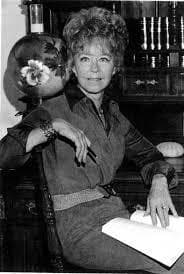
Beatrice Sparks

Beatrice Sparks was an American author and therapist known for her controversial young adult novels. Her most famous work, 'Go Ask Alice,' published in 1971, purported to be the diary of a teenage drug addict. While presented as non-fiction, the book's authorship and authenticity have been widely debated, with many attributing it to Sparks herself. The book became a bestseller and remains a cautionary tale for young readers.