“I want to be the kind of girl who can be a friend to a boy, and not have it be weird. I want to be cool with it.”
— Anna reflects on her relationship with Cris after her suicide attempt.

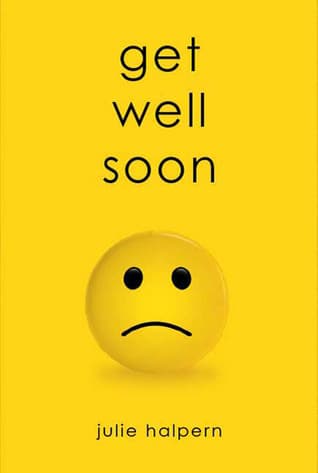
Julie Halpern (2007)
Genre
Psychology / Young Adult / Romance
Reading Time
240 min
Key Themes
See below
Sign in to track this book
Confined to a mental hospital, a witty and depressed teen navigates quirky roommates, therapeutic absurdities, and an unexpected crush. She finds that even in the 'loony bin,' the heart finds its own path to healing.
Anna Bloom, a high school student, is admitted to Willow Creek Psychiatric Hospital after her parents decide she needs professional help for her severe depression. She is initially resistant and cynical, feeling out of place among the other patients. Upon arrival, she learns the strict hospital rules, meets the various therapists, and her new roommate, Valerie. Anna immediately starts observing her surroundings with a sarcastic internal monologue, documenting her experiences in her journal. She struggles with the bland food and the forced group therapy sessions, finding them mostly unhelpful and sometimes absurd. Her parents visit, expressing their concern, which only adds to her feeling of being trapped and misunderstood.
Anna's first days are spent observing the diverse group of patients. She meets Valerie, her roommate, who carries a plastic baby doll and is secretive about her past. There is also Nate, a quiet boy with an eating disorder who she finds herself drawn to, and a girl named Jess who is overly dramatic. The staff includes Dr. Miller, a therapist who focuses heavily on Anna's weight, and various nurses who enforce the rules. Anna finds some of the group therapy sessions awkward, especially when patients share deeply personal stories she cannot relate to, or when discussions feel forced. She starts sketching in her journal, using art to cope and process her new reality.
Anna starts spending more time with Nate during free periods and mealtimes. She learns he is in the hospital for an eating disorder and struggles with anxiety. Their conversations are initially shy and hesitant, but they gradually discover a shared sense of humor and understanding. Nate's quiet nature appeals to Anna, and she finds comfort in his presence. They exchange drawings and small notes, building a genuine connection amidst the artificiality of the hospital. This growing relationship provides Anna with a much-needed distraction from her own depression and the monotony of her treatment, offering a glimpse of normalcy and hope.
Anna becomes more curious about Valerie's behavior, particularly her constant companionship with a plastic baby doll. Through subtle observations and overheard conversations, Anna pieces together Valerie's story. It is revealed that Valerie was pregnant and had a miscarriage, and the doll is a way for her to cope with her grief and trauma. This revelation deeply affects Anna, making her see Valerie not just as an eccentric roommate, but as someone in deep pain. This understanding helps Anna empathize, broadening her perspective on the struggles of the other patients and the complex reasons for their hospitalizations.
Anna attends regular individual therapy sessions with Dr. Miller, who consistently brings up Anna's weight and eating habits, much to Anna's frustration. Anna resists opening up about her true feelings, often giving sarcastic or evasive answers. Group therapy sessions are also challenging, with various patients sharing their struggles, some of which Anna finds relatable, others completely unfamiliar. She has a particularly difficult session where she is pressed to articulate the depth of her depression, forcing her to confront the overwhelming sadness she has been trying to ignore. These sessions are slow and painful, but they gradually break down Anna's defenses, pushing her towards self-reflection.
As weeks pass, Anna slowly adjusts to the structured routine of Willow Creek. She finds small comforts in unexpected places, like sharing jokes with Nate, drawing in her journal, and the occasional good meal. She starts participating more in art therapy, finding it a cathartic outlet. Her initial cynicism begins to lessen as she observes the genuine efforts of some staff members and witnesses moments of vulnerability and connection among patients. She realizes that despite her initial resistance, she is forming bonds and finding a strange sense of community within the hospital walls, making the daunting experience slightly more bearable.
The hospital organizes a Valentine's Day dance, an event that brings a mix of excitement and awkwardness to the patients. Anna initially views it with her usual cynicism, but Nate encourages her to attend. She gets dressed up, and they share a slow dance, a tender moment that solidifies their growing romantic connection. The dance provides a much-needed break from the usual therapeutic activities and offers a glimpse of normal teenage life. It is a bittersweet experience, as the temporary joy is tinged with the awareness of their circumstances, but for Anna and Nate, it is a significant step in their relationship.
Anna and Nate's bond continues to strengthen. They spend more time together, sharing secrets, fears, and dreams. Their connection becomes a significant source of comfort and motivation for Anna. However, hospital life continues with its ups and downs. There are moments of regression for other patients, and Anna witnesses these struggles firsthand, which reminds her of her own precarious mental state. She also continues to battle with Dr. Miller's focus on her weight, feeling misunderstood and judged. Despite these challenges, the budding romance with Nate provides a powerful anchor, making the prospect of recovery seem less daunting.
As Anna makes progress in therapy and shows signs of improvement, the topic of discharge arises. While she longs for freedom, the prospect of leaving the structured environment of Willow Creek, and especially Nate, fills her with anxiety. She worries about relapse, about facing her old life without the immediate support system of the hospital. Her parents are eager for her return, but Anna feels a complex mix of emotions — relief, fear, and a sense of loss for the unexpected connections she has made. She has to confront the reality that recovery is an ongoing process, not a magical cure, and that the outside world will present new challenges.
The day of Anna's discharge finally arrives. She shares an emotional farewell with Nate, promising to stay in touch. Their goodbye is filled with the uncertainty of their future relationship, but also a shared hope. Anna also says her goodbyes to Valerie and other patients, acknowledging the unique bonds formed. Leaving the hospital, she feels a mix of liberation and trepidation. She returns home to her parents, a changed person, but still with battles to fight. The experience at Willow Creek, while difficult, has given her new perspectives, coping mechanisms, and the unexpected gift of connection, particularly with Nate, which she carries with her into her uncertain future.
The Protagonist
Anna transforms from a withdrawn, cynical girl into someone who can acknowledge her pain, form meaningful connections, and approach recovery with tentative hope.
The Supporting/Love Interest
Nate slowly opens up to Anna, finding comfort and connection that aids his own journey, even if his specific arc isn't fully detailed.
The Supporting
Valerie's story is revealed to Anna, allowing for a moment of shared understanding and breaking down initial judgments.
The Supporting
Remains largely static, serving as a foil to Anna's internal resistance to therapy.
The Supporting
Their arc is not detailed, but they represent the family's role in Anna's journey and recovery.
The central theme is Anna's struggle with severe depression and her journey to seek help in a psychiatric hospital. The story explores the internal experience of depression, including feelings of hopelessness, cynicism, and isolation, as well as the external challenges of therapy and institutionalization. It portrays mental illness not as a simple problem, but as a complex and deeply personal journey, seen in Anna's resistance to treatment and her slow, incremental steps towards understanding her own condition. Valerie's story further broadens the scope, showing the diverse ways mental health struggles appear.
“I was depressed. I was sad. I was a mess. But I wasn't crazy. At least, not yet.”
Despite her initial cynicism and desire for isolation, Anna's journey in the hospital is largely defined by her unexpected search for and discovery of connection. Surrounded by other 'messed-up teens,' she slowly finds common ground and empathy. Her relationship with Nate becomes a vital support, offering emotional understanding and a sense of normalcy in an abnormal environment. Even her developing empathy for Valerie, initially an annoying roommate, highlights the universal human need for connection and the healing power of shared experience. The hospital, ironically, becomes a place where she learns to build meaningful bonds.
“Maybe it wasn't so bad to be here, after all, if it meant I could find someone who actually got it.”
Anna's sharp wit and cynical humor are primary coping mechanisms throughout her ordeal. Her internal monologues and journal entries are filled with sarcastic observations about the hospital staff, the bland food, and the absurdity of some therapeutic exercises. This humor allows her to maintain a sense of self and control in a situation where she feels powerless, and it also makes her relatable to the reader. Alongside humor, art (sketching in her journal) provides another crucial outlet for processing her emotions and understanding her surroundings, showing how creative expression can be a powerful tool for mental well-being.
“If I had to eat one more piece of toast, I was going to turn into a giant, depressed, carb-filled piece of toast.”
Being removed from her ordinary life and placed in the unique environment of Willow Creek forces Anna to confront her identity and begin a journey of self-discovery. Stripped of her usual routines and social circles, she is compelled to examine who she is outside of her depression. Her interactions with diverse patients and her engagement (however reluctant) with therapy push her to understand the roots of her sadness and to recognize her own resilience. The hospital, initially a place of confinement, ultimately becomes a place for her personal growth, where she learns more about herself than she ever expected.
“I was still me, but I was also... different. Like a new version, with some upgrades and a few more bugs.”
The story is told entirely from Anna's perspective through her journal entries.
The novel is presented as Anna's personal journal, offering an intimate and unfiltered look into her thoughts, feelings, and cynical observations. This device allows readers to experience her depression, humor, and growing empathy directly. The journal format also incorporates her sketches, providing a visual dimension to her internal world and her artistic coping mechanism. It enhances the authenticity of her teenage voice and makes her struggles and triumphs more immediate and relatable.
The Willow Creek Psychiatric Hospital serves as a contained, symbolic environment.
The hospital acts as a microcosm of society, bringing together diverse individuals grappling with mental health issues. Its confined nature forces characters to interact and confront their conditions, while also symbolizing Anna's feeling of being trapped by her depression. The structured routine, group therapy, and interactions with staff and patients create a unique environment that facilitates both challenges and unexpected connections, ultimately driving Anna's personal growth and understanding of herself and others.
Valerie's plastic baby doll symbolizes unresolved grief and trauma.
Valerie's constant carrying of a plastic baby doll is initially presented as an eccentric and unsettling detail. It serves as a mystery that Anna slowly unravels, ultimately revealing Valerie's past miscarriage. The doll symbolizes Valerie's profound grief, her longing for what was lost, and her inability to move on. For Anna, understanding the doll's significance shifts her perception of Valerie from annoyance to deep empathy, highlighting the hidden pain that often underlies unusual behaviors in mental illness.
Anna's frequent use of sarcastic wit and dark humor as a coping mechanism.
Anna's narrative voice is heavily infused with sarcasm and dark humor, which serves as a crucial coping mechanism for her. This wit allows her to navigate the difficult and often absurd realities of the psychiatric hospital, providing a buffer against her overwhelming depression. It also makes her a compelling and relatable protagonist, demonstrating her resilience and intelligence even in her darkest moments. This device highlights how humor can be a powerful tool for survival and self-preservation in the face of adversity.
“I want to be the kind of girl who can be a friend to a boy, and not have it be weird. I want to be cool with it.”
— Anna reflects on her relationship with Cris after her suicide attempt.
“It's like, you think you're going to die, and then you don't. And then you have to deal with the not dying part.”
— Anna describes the aftermath of her suicide attempt and the struggle of recovery.
“Being crazy is not a choice. Being happy is.”
— A nurse shares a piece of wisdom with Anna about her mental state.
“I don't know what's worse, being here or being out there, pretending I'm not here.”
— Anna struggles with the reality of being in a psychiatric hospital.
“Sometimes you have to break to put yourself back together in a better way.”
— A therapist offers Anna a perspective on her breakdown.
“It's hard to explain to people who haven't been here what it's like to be here.”
— Anna reflects on the isolation of her experience in the hospital.
“I used to think that being happy meant not having any problems. Now I think it means having problems and knowing how to deal with them.”
— Anna's evolving understanding of happiness during her recovery.
“Love isn't supposed to be easy. It's supposed to be worth it.”
— Anna considers the complexities of her burgeoning relationship with Cris.
“You can't fix someone else. You can only fix yourself.”
— A significant lesson Anna learns about personal responsibility in relationships.
“It's weird how quickly you can get used to things you thought you never would.”
— Anna observes her adaptation to the routines and environment of the hospital.
“Maybe the point isn't to be fixed, but to learn how to live with the broken parts.”
— Anna's realization about accepting imperfections in herself.
“Sometimes the bravest thing you can do is ask for help.”
— A recurring theme emphasizing the importance of seeking support.
“The hardest part about getting better is realizing how much you weren't before.”
— Anna grapples with the retrospective understanding of her past struggles.
Ready to see how well you understood this book? Take our interactive quiz with 10 questions.

Rhonda Byrne
4.3

Menno Henselmans
4.3

Sylvia Plath
4.3

Elliot Aronson
4.3

Joseph Campbell
4.3

Erich Fromm
4.3
Irvin D. Yalom
4.2

Lucy Strange
4.2