BookBrief
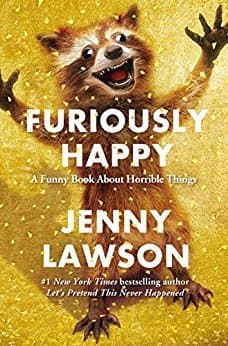
Furiously Happy: A Funny Book About Horrible Things cover
Archivist's Choice

Furiously Happy: A Funny Book About Horrible Things

Jenny Lawson (2015)

Genre

Psychology / Biography / Memoir

Reading Time

12 Minutes

Key Themes

See below

Track Your Reading

Sign in to track this book

Jenny Lawson comically explores the absurdities of severe depression and mental illness, finding deep joy and connection amid the chaos with the help of taxidermied animals.

Core Idea

Jenny Lawson, a.k.a. The Bloggess, offers a hilariously candid and often poignant look into her life while battling severe depression, anxiety, and a host of other mental and physical illnesses. Her central argument is that the best way to combat the overwhelming darkness of mental illness is to embrace the absurd, seek out joy with relentless enthusiasm, and live 'furiously happy' even in the face of immense struggle. She champions the idea of finding humor in the darkest corners of existence and using that humor as a weapon against despair, advocating for radical self-acceptance and the destigmatization of mental health issues through shared, often outrageous, experiences.
Difficulty
Easy

Core idea

The central argument and framework that powers the entire book.

Jenny Lawson, a.k.a. The Bloggess, offers a hilariously candid and often poignant look into her life while battling severe depression, anxiety, and a host of other mental and physical illnesses. Her central argument is that the best way to combat the overwhelming darkness of mental illness is to embrace the absurd, seek out joy with relentless enthusiasm, and live 'furiously happy' even in the face of immense struggle. She champions the idea of finding humor in the darkest corners of existence and using that humor as a weapon against despair, advocating for radical self-acceptance and the destigmatization of mental health issues through shared, often outrageous, experiences.

At a glance

Difficulty

Easy

Key Takeaways

1

Embracing 'Furiously Happy'

Actively pursuing extreme joy as a deliberate counter-measure to severe depression.

Quote

I've often thought that people with severe depression have developed such a well for experiencing extreme emotion that they might be able to experience extreme joy in a way that 'normal people' also might never understand. And that's what Furiously Happy is all about.

Lawson defines 'furiously happy' not as a passing feeling, but as a deliberate and strong way to fight the severe lows of mental illness. She doesn't suggest ignoring sadness, but rather using the deep emotional capacity, often sharpened by suffering, to also feel great joy. She argues that the same brain pathways that allow for intense despair can, with effort, be redirected to achieve an equally intense, almost defiant happiness. This idea challenges common views of mental health, suggesting that for some, 'normal' contentment may n...

Supporting evidence

Lawson's entire memoir is an evidence of this philosophy, exemplified by her pursuit of absurd, joy-inducing experiences like befriending a taxidermied racoon or traveling to meet a giant chicken.

Apply this

Identify and actively engage in activities, no matter how unconventional, that elicit intense, unadulterated joy. For those with a history of deep emotional experiences, this might mean seeking out 'extreme' positive experiences rather than settling for muted contentment.


2

The Power of Absurdity and Dark Humor

Using the bizarre and the morbid to find light in the darkest corners of mental illness.

Quote

When you come out of the other side of a thing, you can see how things are funny. When you are in the middle of it, it is not funny.

Lawson uses dark humor and strange situations as coping methods. Her stories, like the taxidermied raccoon named Rambo or her adventures with giant chickens, are more than just funny; they are intentional acts of resistance against the overwhelming seriousness of her conditions. This shows that humor, especially humor that embraces the odd or unexpected, can create emotional distance from suffering, making it easier to manage. It helps reframe difficult experiences, allowing someone to laugh at things that once caused distress. This m...

Supporting evidence

Her anecdotes about Rambo the taxidermied raccoon, her 'Giant Metal Chicken' pilgrimage, or the 'Attack of the Killer Opossums' all serve as examples of finding levity in the bizarre and often dark realities of her life.

Apply this

Cultivate a sense of humor, even a dark or absurd one, when facing personal struggles. Look for the comedic potential in difficult situations to gain perspective and emotional resilience.

3

Community in Shared Struggle

Finding solace and strength through open dialogue about mental health challenges.

Quote

There are so many people out there struggling with depression and mental illness, either themselves or someone in their family—and in Furiously Happy they will find a member of their tribe offering up an uplifting message.

Lawson is popular because of her honest accounts of her struggles with depression, anxiety, trichotillomania, and other conditions. By openly sharing her experiences, she creates a strong sense of understanding and community for readers who feel alone with their own mental health issues. This highlights the healing power of shared stories, where people realize they are not alone in their 'horrible things.' This sense of belonging, often built through humor and mutual understanding, is a key part of healing. The book suggests that talk...

Supporting evidence

The description of her readings as 'standing room only' with fans bringing Xanax or Prozac bottles for signing, directly illustrates the deep resonance and community she builds with her audience.

Apply this

Seek out or cultivate communities, online or in person, where open and honest discussions about mental health are encouraged. Sharing personal stories can reduce feelings of isolation and foster mutual support.

4

Redefining 'Normal'

Challenging societal expectations of mental health and embracing one's unique neurodivergence.

Quote

Sometimes you have to make your own sunshine. Sometimes you have to be your own sunshine.

Lawson consistently rejects the idea of a single 'normal' mental state. She instead promotes accepting individual differences in emotional experience. Her memoir suggests that the pressure to meet neurotypical standards can be more harmful than the conditions themselves. By embracing her 'weirdness' and acknowledging her brain's unique wiring, she encourages readers to do the same. This view is important for understanding that mental health is not about getting rid of all 'abnormal' thoughts or feelings, but about finding a functional...

Supporting evidence

Her previous book, 'Let's Pretend This Never Happened,' focused on embracing weirdness, a theme continued and deepened in 'Furiously Happy' through her unapologetic portrayal of her own mental health journey.

Apply this

Question societal norms around mental health and embrace your own unique psychological landscape. Focus on developing personal coping strategies that work for you, rather than striving for an unattainable 'normalcy.'

5

The Tangible Impact of Mental Illness

Illustrating how severe mental health conditions manifest in everyday life.

Quote

I often wonder if the people who don't have depression understand how physically painful it can be. It's not just sadness; it's a lead blanket.

Lawson does more than just describe her mental illnesses; she clearly shows their widespread and often disabling effects on her daily life. From the physical tiredness of depression to the urges of trichotillomania, she offers a clear understanding of how these conditions appear beyond just emotional states. This detailed picture helps clarify mental illness for those unfamiliar with it and confirms the experiences of those who suffer. It points out that mental health struggles are not just 'in one's head' but have real, often painful...

Supporting evidence

Her personal anecdotes describe specific physical symptoms, like the overwhelming fatigue of depression, the compulsive hair-pulling of trichotillomania, or the social paralysis induced by anxiety.

Apply this

Develop greater empathy for individuals struggling with mental illness by understanding its multifaceted and often physical manifestations. For those affected, articulate these impacts to loved ones to foster understanding.

6

The Importance of Self-Care (Even if Unconventional)

Prioritizing personal well-being through unique and sometimes quirky self-soothing practices.

Quote

Self-care isn't selfish. It's essential. And sometimes it looks like buying a taxidermied mouse wearing a tiny hat.

Lawson's memoir quietly stresses the important role of self-care, though in her own unusual way. Her 'furiously happy' moments, whether a spontaneous trip to see a giant metal chicken or collecting strange taxidermied animals, are all ways she takes care of herself. She shows that self-care isn't always about meditation or bubble baths; it's about figuring out what truly brings comfort, distraction, or joy, and making it part of your life, even if others don't understand. This idea supports personal approaches to well-being, moving pa...

Supporting evidence

Her numerous 'furiously happy' adventures, such as seeking out bizarre roadside attractions or purchasing whimsical items, are explicit examples of her personalized self-care regimen.

Apply this

Define and practice self-care in a way that genuinely resonates with you, rather than adhering to prescribed notions. Allow for quirkiness and individuality in your methods of maintaining well-being.

7

Navigating Relationships with Mental Illness

The challenges and triumphs of maintaining connections while living with complex psychological conditions.

Quote

My husband has the patience of a saint. Or he's just really, really good at pretending.

Lawson openly shows the stress her mental illnesses put on her relationships, especially with her husband, Victor. She honestly shares moments of frustration, misunderstanding, and the great patience her loved ones need. Yet, she also shows the deep strength and resilience of these connections, highlighting how true love and support can withstand even the most difficult emotional storms. This offers a realistic picture of living with mental illness in a relationship, emphasizing the importance of communication, empathy, and acceptance...

Supporting evidence

Her frequent anecdotes about Victor's reactions to her eccentricities, his unwavering support during her darkest moments, and their shared adventures illustrate the dynamics of their relationship.

Apply this

For those with mental illness, practice open communication with loved ones about your struggles. For partners and friends, cultivate patience, understanding, and learn effective ways to offer support.

8

The Lifelong Journey of Management

Recognizing that mental illness is often managed, not cured, requiring ongoing effort and adaptation.

Quote

This isn't a book about how I 'got better.' It's about how I learned to live with it, and sometimes, even thrive because of it.

Lawson's story consistently reinforces the idea that severe mental illness is not a temporary problem to be 'fixed,' but rather a lasting condition needing ongoing management. She doesn't offer a magical cure but instead shows consistent effort, adaptation, and finding joy within the limits of her conditions. This view is important for challenging unrealistic recovery expectations and for confirming the ongoing struggle many face. It encourages a long-term view of mental health, where success is measured not by the absence of symptoms...

Supporting evidence

The entire book is a chronicle of her ongoing battle, not a 'before and after' story. Her consistent need for medication, therapy, and 'furiously happy' strategies underlines the chronic nature of her conditions.

Apply this

Adopt a long-term perspective on managing mental health, focusing on sustainable strategies and self-compassion rather than seeking a definitive 'cure.' Celebrate small victories and ongoing resilience.

9

Challenging the Stigma of Medication

Normalizing the use of psychotropic drugs as a necessary tool for mental health.

Quote

People line up to have Jenny sign their bottles of Xanax or Prozac as often as they are to have her sign their books.

Lawson's casual and open talk about her medications, often with humorous disrespect, greatly helps reduce the stigma around psychotropic drugs. The detail about fans bringing their medication bottles for signing is especially powerful, showing how her honesty creates a safe space for others to admit their own reliance on such treatments. This addresses the societal shame often linked with taking mental health medication, presenting it as a legitimate and often necessary part of managing lasting conditions, just like medication for phy...

Supporting evidence

The anecdote about fans bringing their prescription bottles to her signings directly highlights her role in normalizing medication for mental health.

Apply this

Speak openly and without shame about mental health medications if they are part of your treatment plan, contributing to a broader culture of acceptance and destigmatization.

10

Finding Purpose in Pain

Transforming personal suffering into a platform for connection and shared understanding.

Quote

Furiously Happy is about depression and mental illness, but deep down it's about joy—and who doesn't want a bit more of that?

Ultimately, Lawson's memoir shows how deep personal suffering can become a source of connection, humor, and even joy for others. By sharing her 'horrible things' with such honesty and wit, she not only helps herself but also offers vital support to many readers. Her ability to explain the hard-to-describe experiences of mental illness, and then to find the absurd humor in them, gives her work a strong sense of purpose. This highlights the power of storytelling: how sharing one's darkest moments can become a source of hope and understa...

Supporting evidence

The book's reception and its impact on readers, as described in the summary, directly demonstrate how her personal story has become a source of joy and understanding for others.

Apply this

Consider how your own experiences, even painful ones, might be reframed or shared to offer perspective, comfort, or humor to others, fostering connection and purpose.

Critical analysis

Notable Quotes

Quiz

Test Your Knowledge

Ready to see how well you understood this book? Take our interactive quiz with 10 questions.

10
Questions
~5
Minutes
?
Best Score

Key Questions (FAQ)

Furiously Happy is a humor memoir by Jenny Lawson that explores her experiences with severe depression and other mental health conditions. It delves into how these struggles have paradoxically led her to find profound joy and live life to the fullest.

About the author