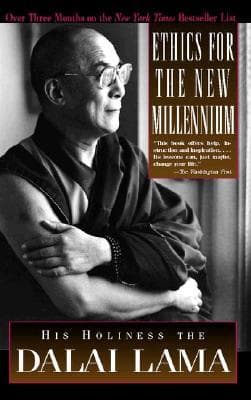
Universal Ethics Beyond Religion
Discovering a moral framework accessible to all, irrespective of faith.
Quote
My aim in this book is to suggest a way of thinking about spiritual and ethical values that is valid for all human beings, irrespective of their religious faith—or lack of it.
The Dalai Lama argues for an ethical system based on universal human experience rather than specific religious beliefs. He suggests that basic moral principles like compassion, kindness, and responsibility are part of our shared humanity and are vital for individual and collective well-being. This framework goes beyond religious differences, offering common ground for dealing with life's challenges and building a more harmonious society. It is a practical approach to spirituality, indicating that the benefits of ethical living are cle...
Supporting evidence
The entire premise of the book is built on the idea that basic human goodness and the desire for happiness are universal, forming the foundation for a non-religious ethical system. He frequently references the shared human experience of suffering and the desire for happiness as the common denominator.
Apply this
Reflect on your core values. Can you articulate them in a way that doesn't rely on religious doctrine? Practice extending kindness and compassion to those outside your immediate social or religious group, recognizing the shared humanity in everyone.