“There is now, in my opinion, no God that can ride upon a horse.”
— Dysart's reflection on the loss of divine connection in modern society.


Sign in to track this book
A psychiatrist dissects the spiritual emptiness of modern man through the case of a stable boy who blinded six horses, revealing a world where the sacred is replaced by a destructive yearning for passion.
“There is now, in my opinion, no God that can ride upon a horse.”
— Dysart's reflection on the loss of divine connection in modern society.
“A child is born into a world of phenomena all his own. He is aware of his own needs and desires, and he responds to them in his own way.”
— Dysart pondering the unique internal world of children.
“The only thing I ever felt was the two ends of a piece of string.”
— Alan's description of his emotional numbness before his obsession with horses.
“Passion, you see, can be a way of life. It can also be a way of death.”
— Dysart's internal monologue about the destructive and creative power of passion.
“What I want to know is this: what is his pain? Not the pain of his crime, but the pain that made him commit the crime.”
— Dysart's central question about Alan's deeper psychological motivations.
“The boy has got to be helped. The boy has got to be cured. But what if the cure is worse than the disease?”
— Dysart's ethical dilemma about 'curing' Alan and potentially destroying his unique inner world.
“He's making a religion out of it! He's trying to find God in a stable!”
— Frank Strang's bewildered and disgusted reaction to Alan's horse worship.
“I'm a healer. I mend children. But what if I'm only mending them for a world that's sicker than they are?”
— Dysart's profound doubt about his role as a psychiatrist in a flawed society.
“A man who is not afraid to love is a man who is not afraid to live.”
— Dysart's observation about the courage required for genuine emotional engagement.
“You see, Doctor, I don't think he's mad. I think he's just... different.”
— Hester Saloman's early assessment of Alan, challenging Dysart's medical perspective.
“Without worship, you cannot have a culture.”
— Dysart's philosophical statement on the necessity of reverence for human civilization.
“The boy had a passion. He had a god. And I took it away from him.”
— Dysart's regret after successfully 'curing' Alan, realizing the cost to Alan's spirit.
“There is a core of divine madness in him, and if I take it away, what will be left?”
— Dysart's internal conflict about stripping Alan of his unique, intense inner life.
“I can only stand by the door of the cave and watch. And wonder.”
— Dysart's acknowledgment of the limits of his understanding and intervention in Alan's psyche.
Ready to see how well you understood this book? Take our interactive quiz with 10 questions.

Biography coming soon.
Rhonda Byrne
4.3

Menno Henselmans
4.3
Sylvia Plath
4.3
Elliot Aronson
4.3
Joseph Campbell
4.3
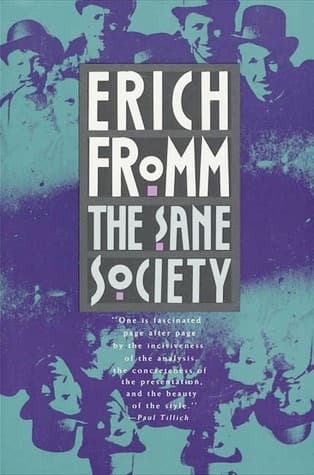
Erich Fromm
4.3
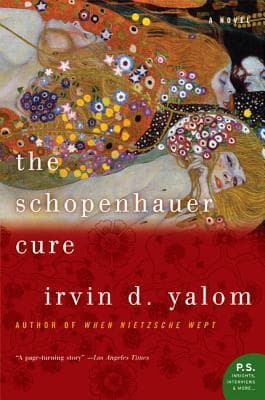
Irvin D. Yalom
4.2

Lucy Strange
4.2