“Life is not about waiting for the storm to pass, it's about learning to dance in the rain.”
— A story about overcoming adversity and finding joy in difficult times.


Jack Canfield (1997)
Genre
Psychology / Children's / Young Adult
Reading Time
353 min
Key Themes
See below
Sign in to track this book
This collection of 101 true stories offers a judgment-free space where teenagers can find comfort and wisdom as they navigate friendship, love, self-respect, and believing in their future.
The book starts with an introduction by Jack Canfield. It explains the book's goal: to comfort, inspire, and help teenagers understand things through true stories written by and for young people. It says the stories are put into different themes relevant to teen life, like friendship, family, love, loss, challenges, and dreams. The introduction tells readers they are not alone in their experiences and can get strength and wisdom from the stories. It sets a tone of empathy and support, inviting readers to use the stories for personal growth and connection. It shows the power of shared human experience during the often difficult teenage years.
This section looks at the many sides of friendships among teenagers. Stories show the joy and support in good friendships, like 'The Best Present Ever,' where friends help a peer during a hard time, or 'The Lunch Box,' which shows a kind act between classmates. Other stories talk about the pain of betrayal, being left out, and misunderstandings, such as 'The Cliques,' which discusses social pressures and divisions in school groups, or stories about friends growing apart. These accounts show the importance of talking, forgiving, and doing what is right, even when it is hard. They offer lessons on having good relationships and dealing with their ups and downs.
This part of the book explores the gentle and often confusing world of teenage love, from the excitement of a first crush to the pain of heartbreak. Stories like 'The First Kiss' or 'Love at First Sight' capture the innocence and intensity of young romance, while others discuss unrequited love or breaking up. Beyond romantic love, this section also focuses on kindness and compassion. Stories such as 'The Special Gift' or 'The Ripple Effect' show times when teenagers do selfless acts for others, often strangers. They show how small gestures can have a big positive effect on people and communities, building empathy and a sense of connection.
The 'On Family' section shows the different experiences teenagers have with their families. Stories range from funny moments about sibling fights and parent misunderstandings, like 'My Annoying Younger Brother' or 'The Communication Gap,' to heartfelt stories of family support during hard times. Stories explore trying to meet parent expectations, dealing with divorce, or coping with family illness. Many stories show the lasting love and support families often give, even with disagreements. These accounts offer comfort to those facing similar family issues and encourage readers to appreciate and talk to their loved ones. They show the foundation that family provides.
This part of the collection focuses on the learning journey of teenagers, both in and out of school. Stories tell about the pressures of school performance, struggling with subjects, and the joy of discovering new things. A big theme is the effect of inspiring teachers, with stories like 'The Teacher Who Believed' showing how one teacher can change a student's life path. Beyond formal education, stories also show life lessons learned through after-school activities, school projects, or overcoming school difficulties. These accounts show the importance of not giving up, believing in oneself, and finding passion in learning. They celebrate the mentors who guide young people and the growth that comes from facing school challenges.
This section addresses some of the hardest experiences teenagers face. Stories talk about coping with long-term illness, dealing with a loved one's death, overcoming bullying, or managing depression and anxiety. Stories like 'My Battle with Cancer' or 'Standing Up to the Bully' offer honest accounts of pain and resilience. These stories are not just about suffering; they are also about the strength found in being open, asking for help, and getting support from friends, family, and professionals. They show the human spirit's ability to last and find hope even in the darkest times, reminding readers they are not alone in their struggles.
The 'On Choices' section explores the important moments in a teenager's life when decisions must be made, often under pressure. Stories show the effect of peer pressure, whether it is about using substances, being honest in school, or fitting in socially. Stories like 'The Party's Over' or 'Choosing the Right Path' tell about the inner struggles and outside temptations young people face. This section also shows the importance of personal responsibility and honesty, showing times when teenagers stick to their values despite opposition, or learn important lessons from mistakes. These accounts help readers think about the long-term results of their actions and trust their own moral compass.
This section gathers stories that focus on the role of belief in a teenager's life. This can be spiritual faith, belief in a higher power, or simply strong optimism and self-belief. Stories like 'The Power of Prayer' or 'Miracle in the Making' explore how faith can give comfort and strength during hard times. Other stories focus on positive thinking and imagining success, such as 'The Game-Winning Shot,' where believing in one's abilities leads to victory. These accounts inspire readers to have hope, trust their inner strength, and stay positive, even when things look bad. They show the big effect of conviction on one's journey.
The 'On Attitude and Perspective' section focuses on how a positive mindset can change things. Stories show how people can choose to react to situations, often finding humor or lessons in difficulty. Stories like 'The Bad Hair Day' or 'Lost and Found' show how changing one's view can turn a seemingly bad situation into a memorable or even valuable experience. This section encourages readers to be grateful, look for the good in every situation, and understand that while they cannot always control what happens to them, they can control their reaction. These accounts give practical examples of resilience and mental strength, encouraging an optimistic way of facing life's challenges.
This section is about the hopes and goals of young people. Stories tell about pursuing personal goals, whether for school, sports, art, or careers. Stories like 'My Olympic Dream' or 'The Aspiring Artist' detail the dedication, hard work, and sacrifices needed to reach one's dreams. They also touch on the difficulties and rejections met along the way, and how important it is to keep going and not give up. These accounts inspire readers to find their own passions, set big goals, and understand that the journey to achieve them is often as rewarding as the achievement itself, giving a sense of purpose and future focus.
This part of the book shows how teenagers can have a big positive effect on their communities and beyond. Stories tell about acts of service, volunteering, and actions taken by young people to help others or deal with social issues. Stories like 'The Soup Kitchen Volunteers' or 'Saving the Environment' show how even small actions can create real change. These accounts inspire readers to look beyond themselves, find needs around them, and actively help make the world better. They show the importance of being involved in the community, empathy, and the deep satisfaction that comes from helping others. They prove that age does not stop someone from making a difference.
The book ends with an epilogue that repeats the main message of the 'Chicken Soup' series: shared experiences build connection and give strength. It encourages readers to keep exploring themselves, to embrace the challenges and joys of being a teenager, and to always remember the lessons from the stories inside. The ending emphasizes how powerful storytelling is for empathy, understanding, and personal growth. It leaves readers with hope and the reassurance that they are part of a larger group of young people going through similar things. It encourages them to find their own voices and share their unique stories with the world.
The Protagonist of individual stories
Each 'Teenager' experiences a micro-arc within their story, typically moving from a challenge to a resolution or a moment of insight, demonstrating growth and resilience.
The Supporting
Friends often provide a catalyst for the protagonist's growth or offer a mirror reflecting their own challenges and triumphs.
The Supporting
Parents typically remain consistent figures of influence, sometimes learning to adapt to their child's growing independence.
The Supporting
Mentors act as catalysts for the protagonist's self-discovery or skill development, often initiating a positive shift.
The Antagonist
The bully's role is usually static, serving as an obstacle that the protagonist must overcome or learn to deal with.
The Supporting
The love interest's role is often to ignite new feelings and challenges in the protagonist, contributing to their emotional growth.
The Supporting
Siblings typically remain consistent figures, sometimes offering a new perspective or challenge to the protagonist.
The Mentioned
These characters provide a brief, impactful interaction that catalyzes a moment of insight or action for the protagonist.
Many stories are about teenagers trying to figure out who they are, what they believe, and where they belong. Characters explore their values, face their fears, and learn to accept who they are. For example, stories about overcoming bullying or choosing not to give in to peer pressure directly address the journey of finding one's identity. The book shows that adolescence is a key time for self-exploration and developing a strong sense of self, often through hard experiences.
“It was in that moment, standing alone against the crowd, that I truly understood who I was and what I stood for.”
A main theme is the importance of human connection—through friendship, family, and community. Stories often show how kind acts, understanding, and support can change lives. Whether it is a friend listening during heartbreak, a family coming together in a crisis, or a teenager helping a stranger, the book consistently shows the big effect of empathy. It shows that feeling connected and understood is important for dealing with the challenges of being a teenager and feeling like you belong.
“A true friend isn't just someone who makes you laugh, but someone who picks you up when you're too broken to stand.”
The collection has many stories of teenagers facing big challenges—illness, loss, bullying, school problems, family issues—and finding the strength to keep going. These stories show that people can recover from setbacks, learn from mistakes, and grow stronger through hard experiences. They give inspiration and hope, showing that even in the darkest times, courage and determination can lead to success and personal growth. The book celebrates the inner strength young people have.
“The scar reminded me not of the fall, but of the strength I found to get back up.”
Many stories show teenagers actively helping their communities and having a positive effect on the world around them. This theme encourages young readers to look beyond themselves and do acts of service, kindness, and advocacy. Whether it is volunteering, standing up against unfairness, or simply doing a small kind act, the book shows that everyone can make a difference and that age does not stop someone from helping society.
“I realized that making a difference wasn't about grand gestures, but about countless small acts of kindness, one person at a time.”
Several stories show that one's attitude and perspective can greatly affect their life experience. Even in hard situations, choosing a positive outlook, finding humor, or seeing a problem differently can lead to growth and happiness. This theme teaches readers that while they cannot always control outside events, they can control how they react and what they think. It promotes resilience, optimism, and the understanding that a change in mindset can open new possibilities and solutions.
“It wasn't the rain that ruined the day, but my decision to let it.”
Allows for direct emotional connection and authenticity.
The entire book is composed of short stories written in the first person by teenagers or adults reflecting on their teenage years. This device creates an immediate and intimate connection between the narrator and the reader, fostering a sense of authenticity and relatability. By presenting experiences directly through the eyes of someone who lived them, the stories feel genuine and believable, making the emotional impact more potent. This narrative choice reinforces the book's core message that these are shared, real-life experiences, validating the feelings and struggles of its young audience.
Organizes diverse stories into relatable life areas for easy navigation and focus.
The book divides its 101 stories into distinct thematic sections such as 'On Friendship,' 'On Love,' 'On Family,' 'On Tough Stuff,' and 'On Choices.' This organizational device allows readers to easily find stories relevant to specific challenges or interests they might be facing. It also helps to highlight the universal nature of adolescent experiences, demonstrating that similar issues arise across different contexts. This structure makes the vast collection of narratives more digestible and purposeful, guiding the reader through various aspects of teenage life in a structured yet empathetic manner.
Each story implicitly or explicitly conveys a valuable lesson or insight.
Almost every story in the collection, while presenting a personal experience, implicitly or explicitly concludes with a moral or a life lesson learned by the protagonist. This device is central to the book's purpose of inspiring and guiding teenagers. Whether it's the importance of forgiveness, the strength found in vulnerability, the power of kindness, or the value of perseverance, each narrative aims to impart wisdom. These lessons are not didactic but emerge organically from the recounted experiences, making them more impactful and memorable for the reader, encouraging reflection and personal growth.
Presents common adolescent situations to foster identification and validation.
The book extensively uses relatable scenarios and universal experiences common to the teenage years—first crushes, peer pressure, family arguments, academic stress, moments of triumph, and feelings of loneliness. This device ensures that a wide range of readers can identify with the situations and emotions depicted, fostering a sense of 'I'm not alone.' By showcasing common struggles and joys, the book validates teenagers' experiences, making them feel understood and less isolated. This broad relatability is key to the book's success in connecting with its target audience and offering comfort.
“Life is not about waiting for the storm to pass, it's about learning to dance in the rain.”
— A story about overcoming adversity and finding joy in difficult times.
“Sometimes the hardest part isn't letting go but rather learning to start over.”
— Reflection on moving on from past relationships or failures.
“You are braver than you believe, stronger than you seem, and smarter than you think.”
— A quote from A.A. Milne adapted in a story to boost self-confidence.
“Friends are the family you choose for yourself.”
— Essay on the importance of friendships during teenage years.
“It's okay to not be okay. Just don't give up.”
— A personal account of dealing with depression and seeking help.
“The only way to have a friend is to be one.”
— Story illustrating the reciprocity in friendships.
“Dream big, work hard, stay focused, and surround yourself with good people.”
— Advice from a mentor in a narrative about achieving goals.
“Sometimes the smallest step in the right direction ends up being the biggest step of your life.”
— Anecdote about taking risks and personal transformation.
“Happiness is not something you postpone for the future; it is something you design for the present.”
— Reflection on living in the moment and finding joy daily.
“You never know how strong you are until being strong is your only choice.”
— Story of a teenager facing a family crisis.
“Be kind, for everyone you meet is fighting a hard battle.”
— Adaptation of a John Watson quote in a tale about empathy.
“The best way to predict your future is to create it.”
— Motivational piece on taking control of one's life path.
“It's not about being the best, it's about being better than you were yesterday.”
— Essay on personal improvement and self-comparison.
“Love is not about how much you say 'I love you,' but how much you prove it's true.”
— Story about actions speaking louder than words in relationships.
Ready to see how well you understood this book? Take our interactive quiz with 10 questions.

Biography coming soon.

Rhonda Byrne
4.3

Menno Henselmans
4.3

Sylvia Plath
4.3

Elliot Aronson
4.3

Joseph Campbell
4.3

Erich Fromm
4.3
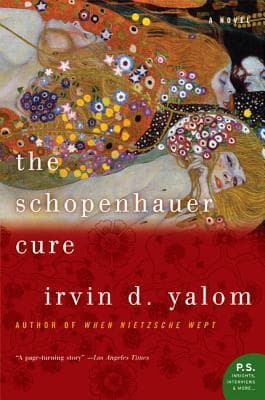
Irvin D. Yalom
4.2
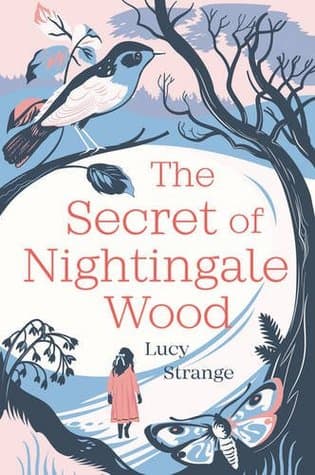
Lucy Strange
4.2