The Falseness of Foundational Truths
Truths are human-made interpretations, not objective realities.
Quote
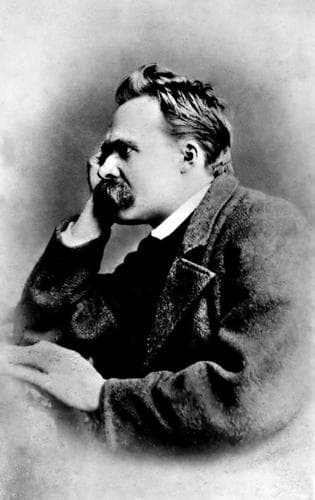
Every great philosophy has hitherto been a kind of involuntary and unconscious autobiography of its author.
Nietzsche questions the idea of objective truth, arguing that what we call 'truth' often reflects our psychological needs, biases, and historical background. He suggests that philosophers, rather than seeking pure truth, often express their own 'will to power' through their ideas. This does not mean truth is entirely subjective, but that universal, fundamental truths are questionable. He states that even scientific 'facts' are interpretations, filtered through human ways of thinking and driven by underlying impulses, rather than direc...
Supporting evidence
Nietzsche's critique of the 'will to truth' as a disguised 'will to power' and his deconstruction of philosophical systems as personal expressions, rather than objective inquiries.
Apply this
Question deeply held beliefs and 'truths' – not just those of others, but especially your own. Understand that your perspectives are shaped by your drives and history, and seek to uncover these underlying motivations. Cultivate intellectual honesty by acknowledging the subjective elements in your reasoning.