“I am an alcoholic and a drug addict and a criminal. I am a monster. But I am not a liar.”
— Early in his recovery, James defines himself and his issues while asserting his integrity, despite his past actions.

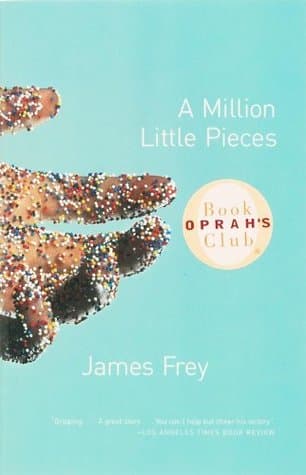
James Frey (2003)
Genre
Psychology
Reading Time
10-12 hours
Key Themes
See below
Sign in to track this book
A raw, controversial memoir that blurs the lines between brutal addiction and embellished reality, leaving readers to question the very nature of truth in recovery.
“I am an alcoholic and a drug addict and a criminal. I am a monster. But I am not a liar.”
— Early in his recovery, James defines himself and his issues while asserting his integrity, despite his past actions.
“The past is a ghost, the future a dream, and all we ever have is now.”
— A recurring theme emphasizing the importance of living in the present moment, crucial for recovery.
“I don't believe in God. I believe in people. I believe in myself. I believe in the power of the human spirit.”
— James expressing his personal philosophy on faith and strength, rejecting traditional religious frameworks.
“Pain is inevitable. Suffering is optional.”
— A common saying within recovery circles, highlighting the choice in how one responds to hardship.
“I am here because I broke myself. I am here because I need to fix myself. I am here because I want to live.”
— James's internal monologue about his motivation for entering treatment and his desire for change.
“The hardest thing about getting sober is dealing with all the things you were trying to escape from.”
— Reflecting on the challenges of sobriety, as suppressed issues resurface without the numbing effects of substances.
“Love is not a feeling, it is a choice. It is a commitment. It is an action.”
— James's understanding of love evolves, particularly in his relationships during recovery, moving beyond fleeting emotions.
“Every day is a battle. Every day is a choice. Every day is a victory.”
— Describing the ongoing struggle and triumph of maintaining sobriety and rebuilding a life.
“There are no shortcuts to recovery. Only hard work, honesty, and a willingness to change.”
— Emphasizing the rigorous and demanding nature of genuine recovery, rejecting easy answers.
“I learned that I was not alone. That my pain was not unique. That there were others who understood.”
— A crucial realization in group therapy, finding connection and shared experience with fellow addicts.
“Forgiveness is not about forgetting. It is about letting go of the anger and resentment that binds you to the past.”
— Exploring the complex nature of forgiveness, both for oneself and others, as a path to freedom.
“The greatest freedom is to be yourself, without apology, without fear.”
— A profound insight into authentic living, achieved through confronting one's past and embracing one's true identity.
“Sometimes you have to break down completely to build yourself back up stronger.”
— Reflecting on the process of hitting rock bottom and using that experience as a foundation for profound change.
“Hope is a dangerous thing. It can drive a man insane. But it can also keep him alive.”
— A nuanced view on hope, acknowledging its potential pitfalls but also its essential role in survival and recovery.
Ready to see how well you understood this book? Take our interactive quiz with 10 questions.
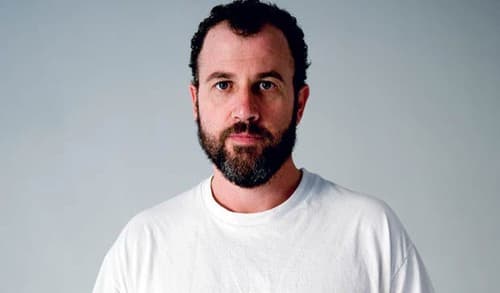
Biography coming soon.

Rhonda Byrne
4.3

Menno Henselmans
4.3

Sylvia Plath
4.3
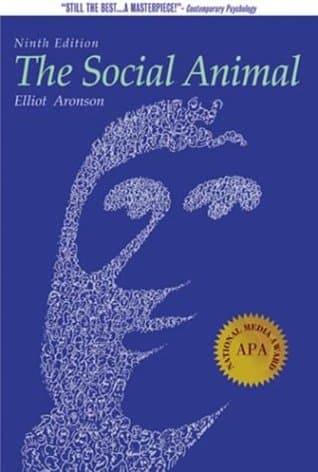
Elliot Aronson
4.3
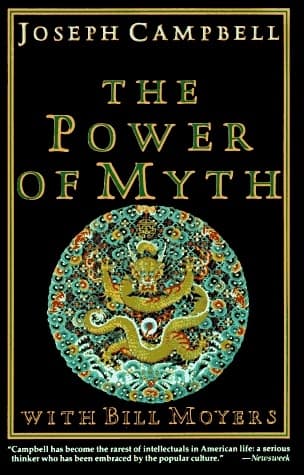
Joseph Campbell
4.3
Erich Fromm
4.3
Irvin D. Yalom
4.2

Lucy Strange
4.2