“My therapist told me once that the hardest part of healing is the willingness to feel the pain you've been avoiding.”
— Annabelle reflects on advice from her therapist regarding past trauma.


Deb Caletti (2018)
Genre
Psychology / Young Adult
Reading Time
7-8 hours
Key Themes
See below
Sign in to track this book
A teenage girl, haunted by a past trauma, runs cross-country from Seattle to D.C., hoping movement will help her outrun grief, guilt, and the media attention that turns her journey into an unexpected act of activism.
Annabelle runs. She begins an unplanned journey from Seattle, Washington, to Washington D.C. She has no clear reason, only a deep need to move, to outrun the trauma of the past year. Her Grandpa Ed, a Vietnam veteran, follows in his RV, providing support, food, and a mobile home. Her brother, Zach, and two friends, Jacob and Chloe, create a publicity team, generating social media interest in her run. Annabelle is mostly detached, focusing on running, trying to outpace memories of the school shooting and the guilt that follows her. The story often moves between her current run and flashbacks to the events leading up to and during the tragedy at her high school.
As Annabelle runs through Washington and into Idaho, her story spreads online and in local news. People connect her silent, determined run to the recent school shooting at Liberty High, where she was a student. She becomes an accidental symbol of resilience, grief, and protest against gun violence. Along her route, strangers offer her food, water, and encouragement. Some even run with her for short distances. This public attention is both validating and uncomfortable for Annabelle, who is still deep in her personal trauma and struggles with being called a 'hero' or 'survivor.' She tries to ignore the growing crowds, focusing on her pace and the rhythm of her feet.
Through vivid flashbacks, Annabelle recalls her life before the shooting. She describes her close friendship with Fiona and her relationship with Daniel, a quiet, artistic boy. She remembers subtle changes in Daniel's personality, his increasing isolation, and his interest in dark topics. Annabelle recalls an incident where Daniel showed her a disturbing drawing and spoke of feeling invisible and angry. These memories are mixed with her present-day running, creating a contrast between her physical strength and her emotional fragility. She struggles with the guilt of not having recognized the warning signs more clearly or doing enough to prevent the tragedy.
One flashback describes the day of the shooting. Annabelle details the chaos, gunshots, and terror. She recounts finding herself face-to-face with Daniel, who was armed and shooting. In a moment of fear, she tried to reason with him, to remind him of their past. Daniel, however, was consumed by rage and detachment, no longer the boy she knew. This direct confrontation with 'The Taker' is the core of her trauma, leaving her with deep guilt and the question of whether she could have done something differently. Fiona is also present during this encounter, adding another layer to Annabelle's memories.
As Annabelle crosses state lines, media attention grows. Zach, Jacob, and Chloe work to manage her online presence and protect her from reporters. However, Annabelle remains largely unresponsive, her mind focused on the run and her internal struggles. She receives gifts, letters, and even a block party in her honor, but these expressions of support often feel overwhelming and undeserved. She struggles with the story being built around her – a survivor, a hero – when she feels like neither. Her silence is interpreted in various ways, adding to the mystery of her journey, but internally, it is a sign of her deep trauma and inability to talk about her experiences.
A series of flashbacks slowly reveal what happened to Annabelle's best friend, Fiona. During the shooting, Fiona was injured, and Annabelle was with her. Annabelle describes the desperate attempts to get help and the moment Fiona died. This memory is the heaviest burden Annabelle carries, fueling her deep guilt. She believes she failed Fiona, that she could have saved her, or at least done more. The image of Fiona's last moments haunts her every mile, making the physical pain of running a form of penance. Her inability to explain this specific guilt to others isolates her further, even from her supportive family and friends.
During her run, Annabelle meets people who have experienced tragedy or find inspiration in her journey. She meets other survivors of gun violence, parents who lost children, and activists working for change. These interactions, while sometimes difficult, offer moments of connection and shared understanding. One meeting is with a woman who lost her son in a different shooting, who shares her own story of grief and resilience. These moments force Annabelle to briefly step outside her own world and see the broader impact of such violence, though she still struggles to fully accept her role as a public figure or spokesperson for a cause.
As Annabelle runs further east, the physical toll becomes immense, worsened by the constant emotional burden. Public expectations weigh on her, and her internal struggle with guilt and shame grows. She experiences moments of despair and near collapse, but the thought of stopping feels like an even greater failure. Grandpa Ed remains her steady support, providing quiet help. Her brother and friends continue to protect her from the media, but even they see the strain she is under. The destination, Washington D.C., is both a finish line and a terrifying confrontation with what she has been running from.
Through increasingly clear flashbacks, Annabelle finally remembers and reveals the full details of her encounter with Daniel. She recalls not just seeing him, but actively engaging with him, trying to stop him. The most agonizing part of her memory, and the source of her deepest guilt, is when she begged Daniel to stop shooting, and he looked at her calmly before turning his gun on Fiona. She feels responsible for Fiona's death, believing her intervention, or lack of it, directly led to her best friend's death. This full, clear memory is a turning point, allowing her to begin to talk about the depth of her trauma.
After months of running, Annabelle finally reaches Washington D.C. A large crowd of supporters, media, and activists greets her. The end of her journey is an emotional and overwhelming experience. She is no longer just a girl running; she is a symbol, a voice, a sign of resilience. While she still struggles with her trauma, finishing the run and reaching the symbolic destination gives her a sense of accomplishment and hope. Grandpa Ed, Zach, Jacob, and Chloe are all there, witnessing her powerful, silent triumph. The physical journey ends, but her emotional healing journey is just beginning.
After arriving in D.C., Annabelle slowly begins to find her voice. She starts by speaking to small groups, then to larger audiences, talking about the pain, guilt, and horror of what she experienced. She shares Fiona's story and the burden she carried. This act of talking about her trauma, of sharing the full truth of her encounter with Daniel and Fiona's death, is a crucial step in her healing process. She realizes that her story, no matter how painful, can contribute to a larger conversation about gun violence and the need for change. The run was an escape, but speaking is a confrontation, and finally, a liberation.
By the end of the book, Annabelle is still grieving and healing, but she is no longer consumed by guilt and silence. She understands that Fiona's death was not her fault, and that the responsibility lies with Daniel and the systemic issues that allowed the tragedy to occur. She embraces her role as an advocate, using her platform to speak out against gun violence and support other survivors. While the scars of her past will always remain, Annabelle has found a way to live with them, to honor Fiona's memory, and to turn her pain into purpose. Her journey, both physical and emotional, transforms her from a traumatized victim into a strong voice for change.
The Protagonist
Annabelle transforms from a silent, guilt-ridden victim into a vocal advocate, learning to process her trauma and find purpose in her survival.
The Supporting
Grandpa Ed remains a constant, supportive figure, his quiet strength helping Annabelle on her journey.
The Supporting
Zach learns to balance his protective instincts with Annabelle's need for autonomy and her unique healing path.
The Supporting
Fiona's character arc is tragic, serving as the catalyst for Annabelle's journey and eventually prompting Annabelle's path to healing by being honored.
The Antagonist
Daniel's arc is one of descent into violence, serving as the catalyst for the entire story.
The Supporting
Jacob consistently provides technical and emotional support to Annabelle.
The Supporting
Chloe consistently provides emotional support and helps manage Annabelle's public relations.
The main theme is Annabelle's journey to cope with and heal from the trauma of witnessing a school shooting and losing her best friend. Her cross-country run shows her psychological struggle to outrun her memories and guilt. The story explores how trauma appears – through flashbacks, silence, physical effort, and emotional numbness – and the long process of healing, which involves confronting the past, finding a voice, and accepting support. This theme is clear in every mile Annabelle runs, every flashback she experiences, and her eventual decision to speak out in Washington D.C.
“Maybe this was the way to heal. Not to move on, but to move through.”
Annabelle feels great guilt over Fiona's death, believing she could have done more to prevent it or save her friend. This theme explores the survivor's guilt that often comes with tragic events, especially when one directly encounters the person responsible. Annabelle's thoughts are filled with self-blame and the constant replaying of events with Daniel. Her journey is largely a quest to free herself from this perceived responsibility, which she only begins to do when she fully tells the truth and accepts that it was not her fault. This is shown in her constant internal battle with 'The Taker' and her own role in the tragedy.
“They said it wasn't my fault. But they weren't there. They didn't see.”
Annabelle's first response to trauma is deep silence, using her run as a non-verbal way to show her pain. Her silence is interpreted in different ways by the public, making her an accidental symbol. The novel compares the perceived strength of her silent endurance with the power of finding one's voice. As Annabelle slowly begins to talk about her experience, she not only processes her own grief but also becomes a strong advocate against gun violence. This theme highlights the journey from internal suffering to external expression, showing how finding one's voice can be a key step in healing and causing change.
“I was running from the silence, but also, the silence was running with me.”
Despite Annabelle's initial isolation and internal struggle, her cross-country run creates a community around her. Grandpa Ed, Zach, Jacob, and Chloe form her immediate support system, while strangers across the country offer food, cheers, and shared stories. This theme explores the human need for connection, even when trauma causes deep personal isolation. It shows how shared grief and purpose can bring people together, offering comfort and strength. Annabelle's journey highlights the tension between her desire to be alone with her pain and the healing potential found in the kindness and unity of others.
“It was just me and the road, but the road was never truly empty.”
While Annabelle's run begins as a personal way to cope, it quickly becomes a public statement against gun violence. The story addresses school shootings, the availability of firearms, and the societal impact of such tragedies. Annabelle becomes an accidental activist, her story fueling discussions and inspiring others to join the movement for change. The book uses her journey to highlight the ongoing struggle against gun violence and the importance of advocacy, especially from those directly affected. Her eventual arrival in D.C. symbolizes a confrontation with the political situation around gun control.
“The hardest part wasn't the running. It was knowing what I was running from.”
Interspersed memories revealing Annabelle's past trauma.
Flashbacks are a primary plot device, used to gradually reveal the horrifying details of the school shooting and Annabelle's relationship with Daniel and Fiona. These memories are not linear but fragmented, reflecting Annabelle's traumatized state. They are triggered by various elements of her run – a sound, a sight, a feeling – and slowly piece together the full story of her guilt and the events of that day. This device builds suspense, deepens character understanding, and underscores the pervasive nature of trauma, showing how the past constantly intrudes upon the present.
A physical journey mirroring Annabelle's emotional and psychological one.
The cross-country run from Seattle to Washington D.C. is the central plot device. It serves as a literal and metaphorical journey for Annabelle. Physically, it provides a means for her to exhaust herself and temporarily escape her mental anguish. Metaphorically, each mile represents a step in her healing process, a confrontation with her past, and a movement towards acceptance and purpose. The changing landscapes, the encounters with strangers, and the physical challenges all reflect the internal struggles and growth Annabelle experiences, culminating in her arrival at a symbolic destination.
Annabelle's internal and external moniker for the school shooter.
Annabelle's mental designation of Daniel as 'The Taker' is a significant plot device. It allows her to distance herself from the personal betrayal of her former boyfriend, transforming him into an abstract, monstrous entity that represents the evil and loss she experienced. This dehumanization is a coping mechanism, but it also reflects her struggle to reconcile the boy she knew with the perpetrator. As she heals, the ability to name him as Daniel, and to understand the complexity of his actions without excusing them, marks a step forward in her processing of the trauma.
Friends who manage Annabelle's public image and garner support.
Annabelle's brother, Zach, and friends, Jacob and Chloe, forming a 'publicity team' and utilizing social media is a key plot device. It highlights the role of modern media in shaping narratives, particularly around tragic events and public figures. This device allows for external commentary on Annabelle's journey, creates the broader context of public awareness and activism, and shows the challenges of managing a personal story in the digital age. It also provides a contrast between Annabelle's internal silence and the external noise of public opinion and support.
“My therapist told me once that the hardest part of healing is the willingness to feel the pain you've been avoiding.”
— Annabelle reflects on advice from her therapist regarding past trauma.
“Running is the only time I feel like my body belongs to me. Not to anyone else. Just mine.”
— Annabelle describes her deep connection to running as a form of reclaiming control.
“Grief is a tricky thing. It doesn't always look like tears. Sometimes it looks like anger, or silence, or a fierce need to keep moving.”
— Annabelle contemplates the varied manifestations of grief she observes and experiences.
“Sometimes the bravest thing you can do is just keep going, even when you feel like you can't.”
— A recurring thought for Annabelle as she pushes through her run and past her emotional barriers.
“The world doesn't stop because you're broken. It just keeps spinning, and you have to decide if you're going to spin with it or get left behind.”
— Annabelle's internal monologue about the relentless nature of life despite personal suffering.
“It's funny how you can carry so much inside you, and no one ever knows. Not really.”
— Annabelle muses on the hidden burdens people carry beneath their surface appearance.
“Fear can be a motivator, but it can also be a cage. You get to choose which one it is.”
— Annabelle considers the dual nature of fear in her life and the choices she has to make.
“There's a difference between being strong and pretending to be strong. One will save you, the other will break you.”
— Annabelle reflects on the authenticity of strength and the dangers of faking it.
“Every step is a choice. Every single one. And I'm choosing to take them.”
— Annabelle reaffirms her agency and determination during her arduous run.
“You can't outrun your past, but you can run towards your future.”
— A realization Annabelle has about her journey, understanding that physical running is also a metaphorical one.
“Sometimes the most important conversations are the ones you have with yourself.”
— Annabelle frequently engages in internal dialogue, processing her thoughts and feelings.
“We all have scars. Some are visible, some are not. But they all tell a story.”
— Annabelle acknowledges the universal experience of carrying past wounds.
“Hope isn't a passive thing. It's an active decision, every single day.”
— Annabelle's evolving understanding of hope as she confronts her challenges.
“It’s not about forgetting what happened. It’s about remembering it in a way that doesn’t destroy you.”
— Annabelle grapples with how to integrate her traumatic past without letting it define her entirely.
Ready to see how well you understood this book? Take our interactive quiz with 10 questions.

Deb Caletti is an award-winning author of young adult fiction, celebrated for her poignant and lyrical explorations of complex themes. Her notable works, including "A Heart in a Body in the World" and "The Nature of Jade," often delve into adolescent identity, resilience, and the challenges of navigating the world. Caletti's writing is admired for its emotional depth and vivid storytelling.

Rhonda Byrne
4.3

Menno Henselmans
4.3
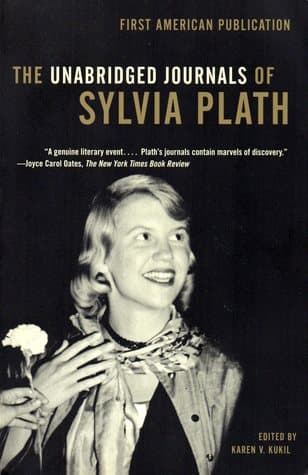
Sylvia Plath
4.3

Elliot Aronson
4.3

Joseph Campbell
4.3

Erich Fromm
4.3
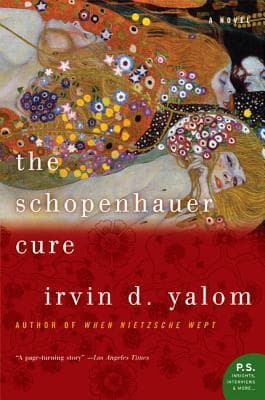
Irvin D. Yalom
4.2

Lucy Strange
4.2