BookBrief
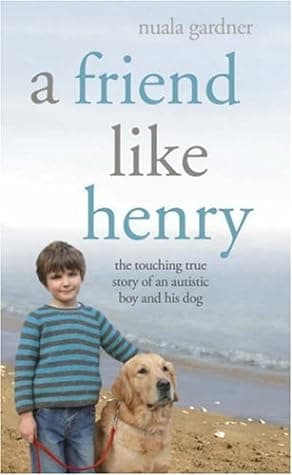
A Friend Like Henry cover
Archivist's Choice

A Friend Like Henry

Nuala Gardner (2007)

Genre

Psychology / Biography / Memoir

Reading Time

7-8 hours

Key Themes

See below

Track Your Reading

Sign in to track this book

Henry, a devoted Golden Retriever, helps an autistic boy, Dale, connect with his family and the world, turning a daily struggle into a journey of connection and progress.

Core Idea

A mother's memoir about finding a way to connect with her severely autistic son, Dale, after other therapies failed. The book shows how Henry, a golden retriever, helped Dale develop social skills, language, and emotional control in ways human interaction could not. It suggests that animals can offer unique therapy for people with autism by providing a non-judgmental, predictable, and comforting presence that gets past typical communication problems.
Reading time
7-8 hours
Difficulty
Easy
✓ Read this if...
You are a parent of an autistic child seeking hope and alternative therapeutic approaches, or anyone interested in the profound bond between humans and animals, particularly in a therapeutic context.
✗ Skip this if...
You are looking for a purely scientific or clinical breakdown of autism therapies, or if you prefer books with less emotional narrative and more objective analysis.

Core idea

The central argument and framework that powers the entire book.

A mother's memoir about finding a way to connect with her severely autistic son, Dale, after other therapies failed. The book shows how Henry, a golden retriever, helped Dale develop social skills, language, and emotional control in ways human interaction could not. It suggests that animals can offer unique therapy for people with autism by providing a non-judgmental, predictable, and comforting presence that gets past typical communication problems.

At a glance

Reading time

7-8 hours

Difficulty

Easy

Read this if...

You are a parent of an autistic child seeking hope and alternative therapeutic approaches, or anyone interested in the profound bond between humans and animals, particularly in a therapeutic context.

Skip this if...

You are looking for a purely scientific or clinical breakdown of autism therapies, or if you prefer books with less emotional narrative and more objective analysis.

Key Takeaways

1

The Isolation of Early Autism Diagnosis

Navigating a world unprepared for severe autism leaves families feeling profoundly alone.

Quote

Before Henry, our lives were a constant battleground, and I felt utterly alone in trying to understand and manage Dale's world.

Nuala Gardner clearly shows the intense isolation parents of severely autistic children faced, especially in the early 2000s when understanding and support were less common. Her story points out the confusion society and medicine had about autism, leaving families to deal with huge emotional, physical, and financial stress without enough help or understanding. This isolation grows because the child struggles with communication and social interaction, creating a big gap between the family and the outside world. The constant watchfulnes...

Supporting evidence

Nuala's recounting of her desperate visits to multiple doctors, the initial misdiagnoses, and the eventual, stark diagnosis of severe autism, coupled with the lack of effective interventions or community support for a child with Dale's specific challenges.

Apply this

For parents navigating similar diagnoses, seek out parent support groups, even if online, to share experiences and reduce feelings of isolation. Advocate fiercely for your child within educational and medical systems, and remember that your experience, though unique, is part of a larger, shared journey.


autism-spectrum-disorderparental-isolationearly-intervention-challenges
2

The Limitations of Traditional Approaches

Conventional therapies often fall short when facing the most severe and violent expressions of autism.

Quote

We tried everything, every therapy, every specialist, but Dale remained locked in his world, often violent, unresponsive to our pleas.

Gardner's memoir shows the limits of common therapy and education for children with severe autism, especially those who were violent and had major communication problems. While many interventions help some, Dale's situation shows that one-size-fits-all methods are not enough. The constant effort to include Dale in regular schooling and family life, despite dedicated work, highlights the big difference that can exist between standard expectations and the reality of severe autism. This means radical, individualized, and often unusual so...

Supporting evidence

The repeated failures of various schools to accommodate Dale, his inability to participate in typical childhood activities, and the ongoing violence and self-harm that persisted despite years of professional intervention.

Apply this

If traditional therapies aren't yielding significant results, be open to exploring unconventional or complementary approaches. Don't be afraid to challenge the status quo and seek out solutions that resonate with your child's unique needs, even if they seem outside the norm.

severe-autismtherapy-challengesindividualized-care
3

The Unseen Language of Dogs

Service dogs possess an innate ability to connect and communicate beyond human limitations.

Quote

Henry didn't try to reason with Dale or force him; he simply was, and in his presence, Dale found a language he could understand.

When Henry, the Golden Retriever, came into Dale's life, it changed everything. It showed the deep, often surprising, connection that can form between an autistic child and a service animal. Henry was more than a companion; he offered a unique kind of non-verbal communication and acceptance that got past Dale's usual barriers. Dogs, especially trained service dogs, seem to understand human emotions and have a calming effect that can reduce anxiety and help engagement in ways human caregivers often find hard. This shows the strength of...

Supporting evidence

Henry's immediate calming effect on Dale, his ability to prevent meltdowns, and his consistent, gentle presence that slowly drew Dale out of his isolation, often through simple physical proximity or play.

Apply this

Consider the potential of animal-assisted therapy or service animals for individuals with severe communication challenges or high anxiety. Research accredited organizations and understand the commitment involved, but recognize the transformative potential.

animal-assisted-therapyservice-dogs-autismnon-verbal-communication
4

Henry: The Bridge to the World

A service dog can be the essential catalyst for an autistic child to engage with daily life.

Quote

Henry didn't just calm Dale; he actively helped him participate in the world, from taking a bath to saying 'I love you.'

Henry did much more than just keep Dale company; he actively participated in Dale's daily life, helping him with 'normal' activities that were impossible before. His presence gave Dale the security and motivation needed to overcome sensory dislikes and do self-care tasks like bathing, or even show affection. This shows how a well-trained service dog can help with progress in areas important for independence and social inclusion, making previously impossible things happen. The dog's consistent, predictable nature offers a steady anchor...

Supporting evidence

Specific examples of Henry guiding Dale into the bath, lying beside him to reduce anxiety, and being present during moments when Dale first uttered words like 'I love you' to his parents, directly attributing these milestones to Henry's influence.

Apply this

When considering a service dog, focus on how the dog's presence and training can directly address specific behavioral or developmental goals, not just general companionship. Work with trainers to identify tasks that will unlock new capabilities for the individual.

daily-living-skillsbehavioral-interventionsautism-independence
5

The Power of Unconditional Acceptance

A dog's non-judgmental love can foster trust and self-worth in a child who feels misunderstood.

Quote

Henry never judged Dale, never got frustrated. He just loved him, and that love was the key that unlocked so much.

One of Henry's biggest effects was his steady, unconditional acceptance of Dale, no matter his behaviors or challenges. Unlike humans, who can unintentionally show frustration or judgment, Henry offered a consistent, non-reactive presence. This non-judgmental love created a safe space for Dale to be himself, building trust and security important for his emotional growth. This shows the unique therapy value of an animal that just 'is,' giving a basic sense of belonging and worth often missing for people with severe autism.

Supporting evidence

Nuala's observations of Henry's calm demeanor during Dale's meltdowns, his patient waiting, and his consistent affection even when Dale was at his most challenging, contrasting sharply with the exhaustion and occasional frustration of human caregivers.

Apply this

In all interactions with autistic individuals, strive for unconditional acceptance and patience. Recognize that challenging behaviors are often forms of communication. Model the non-judgmental approach that animals naturally embody to build trust and connection.

emotional-development-autismunconditional-lovetrust-building
6

Family Transformation, Not Just Child's Progress

A service dog's impact extends to alleviating stress and restoring harmony for the entire family unit.

Quote

Henry didn't just help Dale; he healed our family, allowing us to breathe again, to feel hope where there was only despair.

While the book focuses on Dale's progress, Nuala Gardner makes it clear that Henry's arrival changed the whole family. The constant stress, fear of meltdowns, and exhaustion that defined their lives began to lessen. Henry's calming effect on Dale meant fewer violent episodes, allowing the parents and siblings to have moments of peace and normalcy. This shows that help for children with severe needs affects everyone, greatly improving the mental health and well-being of primary caregivers and siblings, letting them function better and ...

Supporting evidence

Nuala's descriptions of the palpable shift in the household atmosphere, from a 'battleground' to a place of relative calm, and her own renewed sense of hope and reduced stress levels after Henry's integration.

Apply this

When seeking support or interventions for a child with special needs, consider solutions that address the holistic well-being of the family, not just the child. A less stressed family is better equipped to support the child's development.

family-well-beingcaregiver-stress-reductionholistic-interventions
7

The Long Road to 'Normal'

Progress is not linear, and the journey to a fulfilling life for an autistic individual is ongoing.

Quote

Henry set Dale on the road to being the charming and well-adjusted young man he is today, but it was a long road, with many turns.

Gardner's story, though hopeful, emphasizes that helping with autism is a complex and ongoing process, not a single event. Henry helped with remarkable progress, but these were the start of continued effort and development. The book implies that autism is a lifelong condition, and the goal is not to 'cure' it, but to help individuals live fulfilling lives within their unique neurodevelopmental framework. This detailed view is important for understanding that even with significant progress, challenges can remain, and ongoing support is...

Supporting evidence

The book covers several years of Dale's life, showing his gradual, incremental progress through childhood and into young adulthood, indicating that Henry was a catalyst, but not the sole solution, and ongoing support was necessary.

Apply this

Embrace a long-term perspective when supporting individuals with autism. Celebrate small victories, understand that setbacks are part of the journey, and focus on building skills and independence over time rather than expecting a quick fix.

lifelong-supportautism-acceptancedevelopmental-journey
8

Advocacy Born of Desperation

Parents are often the fiercest, most innovative advocates when conventional systems fail their children.

Quote

My sense of hopeless isolation fueled a determination that Dale should live a fulfilling life, no matter what it took.

Nuala Gardner's story is a strong example of parents' constant advocacy. Facing a lack of understanding, not enough resources, and the big challenges of severe autism, Nuala's love for Dale pushed her to always look for new solutions, even when it meant going against normal ideas or pushing against difficult systems. Her willingness to try an unusual path like a service dog, despite initial doubts, shows how desperation can lead to amazing innovation and determination in parents who will not give up on their child's potential. This hi...

Supporting evidence

Nuala's persistent search for doctors, her fight to keep Dale in mainstream education (even if modified), and her eventual decision to pursue a service dog, despite the significant financial and logistical hurdles.

Apply this

Trust your parental instincts. If something feels wrong or ineffective, don't be afraid to challenge established norms and seek alternative solutions. Network with other parents and advocate tirelessly for your child's unique needs.

parental-advocacyspecial-education-rightsinnovative-solutions
9

The 'Normal' We Take for Granted

The book serves as a poignant reminder of the simple joys and milestones many parents overlook.

Quote

Henry helped introduce Dale to all the normal activities most parents take for granted, and it made me realize how precious those 'normal' moments truly are.

Through Nuala's account of Dale's journey, readers are clearly reminded of the everyday 'normal' activities and developmental steps that parents of neurotypical children often take for granted. Simple acts like a child willingly bathing, showing affection, or playing with others become huge achievements for families like the Gardners. This encourages a deeper appreciation for these seemingly small moments and highlights the immense effort and dedication needed to achieve them when facing severe developmental challenges. It changes how...

Supporting evidence

The repeated emphasis on the previously impossible tasks that Henry helped Dale achieve, such as bathing, tolerating physical touch, or saying 'I love you,' which are common milestones for other children.

Apply this

Practice gratitude for the small, everyday moments and progress, both in your own life and in the lives of your children. Recognize that what is 'easy' for some can be a profound victory for others.

developmental-milestonesgratitude-practiceredefining-normal

Critical analysis

Notable Quotes

When you have a child with a disability, you find strength you never knew you possessed.

Reflecting on the challenges and inner resilience discovered after Calum's diagnosis.

Henry was more than just a parrot; he was a lifeline, a mirror reflecting back the hope we so desperately needed.

Describing the profound impact Henry had on Calum and the family.

Autism doesn't define Calum, but it is undeniably a part of him. Our job was to help him navigate that world.

Discussing the family's approach to Calum's autism, focusing on support rather than cure.

The smallest victories felt like monumental triumphs, each one a step forward in a journey that often felt like two steps back.

Detailing the emotional rollercoaster of progress and setbacks in Calum's development.

Sometimes, the greatest lessons come from the most unexpected teachers.

Referring to Henry the parrot and the unique ways he helped Calum.

Love isn't always easy, especially when it's wrapped in the complexities of special needs.

Acknowledging the difficulties and unwavering love within the family.

The world needs to learn to listen not just with its ears, but with its heart, to those who communicate differently.

Advocating for greater understanding and empathy for non-verbal or differently communicating individuals.

There's a unique kind of loneliness that comes with parenting a child with profound special needs, even when surrounded by family.

Expressing the isolating aspects of the journey, despite family support.

Henry didn't judge, he just was. And in his simple presence, Calum found a freedom he couldn't find anywhere else.

Highlighting Henry's non-judgmental nature and its positive effect on Calum.

We learned to celebrate every sound, every glance, every tiny gesture as if it were a symphony.

Describing the family's appreciation for small signs of connection and communication from Calum.

Hope is not a strategy, but without it, no strategy can truly succeed.

Reflecting on the essential role of hope in their long and often difficult journey.

To truly see Calum, you had to look beyond the autism, to the bright, loving spirit within.

Emphasizing the importance of seeing the individual beyond their diagnosis.

The greatest gifts often arrive in the most unexpected and challenging packages.

A reflection on how Calum's challenges ultimately brought unique joys and lessons.

Quiz

Test Your Knowledge

Ready to see how well you understood this book? Take our interactive quiz with 10 questions.

10
Questions
~5
Minutes
?
Best Score

Key Questions (FAQ)

'A Friend Like Henry' is a memoir by Nuala Gardner detailing her family's journey raising their son, Dale, who has severe autism. It focuses on how an assistance dog named Henry played a crucial role in helping Dale connect with the world and overcome many challenges associated with his condition.

About the author