“The thing about the end of the world is that it doesn't just happen. It's a process. And it starts long before the asteroid hits.”
— Early reflection on the impending asteroid impact

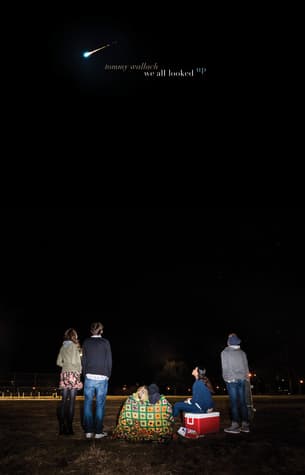
Tommy Wallach (2015)
Genre
Science Fiction / Young Adult / Romance
Reading Time
450 min
Key Themes
See below
Sign in to track this book
With an asteroid hurtling towards Earth, a diverse group of high school seniors sheds their labels to discover love, purpose, and their true selves in the two months before the world ends.
The lives of several students at North high are altered when news breaks that a large asteroid, Ardor, is on a collision course with Earth, with impact predicted in just two months. This revelation shatters the mundane existence of Peter, a basketball player struggling with an injury; Eliza, an artistic outcast ostracized for a past incident; Andy, a slacker and aspiring musician; and Anita, an overachiever burdened by parental expectations. The initial shock gives way to existential dread and a sudden questioning of their previous priorities and social hierarchies. The world around them, including their suburban Seattle neighborhood, begins a slow descent into chaos as society grapples with its imminent end, leaving the teenagers to navigate both global panic and personal transformations.
Anita, previously consumed by her parents' pressure for academic excellence and a prestigious college, experiences a shift. Realizing the futility of her efforts, she quits her AP classes and rejects her parents' plans, instead seeking out new experiences and connections. Meanwhile, Eliza, who has been socially isolated and bullied since nude photos of her were leaked online, finds a sense of liberation. With the impending apocalypse, the social stigma that once defined her begins to dissipate. She starts to engage with others more openly, no longer fearing judgment, and begins to reclaim her identity outside of the scandal.
Andy, a cynical slacker who once only dabbled in music, finds a new urgency in his songwriting. The asteroid's approach ignites a creative fire within him, compelling him to finish his songs and share his art. He begins busking in public spaces, drawing small crowds and finding an audience for his unique perspective on the impending doom. During this period, he starts to connect more deeply with Eliza, seeing past her reputation. Their shared understanding of being outsiders, coupled with Eliza's artistic sensibilities, starts a romantic connection. Andy's music becomes a way for him to process the global crisis and connect with others.
Peter, once defined by his promising basketball career, faces an existential crisis when a knee injury threatens his future just as the asteroid announcement hits. His dreams of a college scholarship and professional sports are shattered, rendering his past efforts meaningless in the face of global annihilation. He struggles with feelings of purposelessness and anger, initially clinging to the idea of physical training even as society crumbles. He begins to question the value of his previous ambitions and searches for new ways to define himself outside of his athletic identity. This leads him to confront his own insecurities and the superficiality of his past social standing.
As the two-month countdown progresses, the rigid social structures of North high begin to dissolve. Peter, Eliza, Andy, and Anita, who previously existed in separate social spheres, find their paths increasingly intertwined. Peter, initially dismissive of Eliza, finds himself drawn to her artistic sensibility and resilience. Anita, shedding her academic facade, seeks out new experiences and forms an unexpected bond with Andy. These friendships challenge their preconceived notions of each other and their own identities. The shared experience of impending doom acts as an equalizer, forcing them to look beyond superficial labels and find common ground in their shared humanity.
As the asteroid's arrival draws nearer, society around the characters begins to fray. Supermarkets are looted, public services decline, and a sense of lawlessness pervades. Some people succumb to despair, while others engage in hedonistic pursuits. However, amidst the chaos, there are also unexpected acts of kindness and community building. People start to connect on a deeper level, sharing resources and comfort. The students witness both the worst and best of humanity, forcing them to confront the fragility of order and the enduring power of human connection, even in the face of ultimate destruction. This societal breakdown serves as a backdrop for their personal transformations.
With time running out, the characters confront their true feelings and desires. Andy and Eliza's connection deepens into a tender romance, as they find solace and understanding in each other. Peter, previously aloof, begins to acknowledge his feelings for Anita, who has shed her perfectionist shell and embraced a more authentic self. There are heartfelt confessions and moments of vulnerability that would have been impossible in their former lives. The impending end acts as a catalyst for these romantic relationships, stripping away pretense and encouraging genuine emotional honesty, allowing them to experience love in its purest, most urgent form.
Inspired by the desire to leave something behind, Eliza conceives of a collaborative art project: painting a mural on the side of a building, depicting their collective experiences and hopes. She rallies her new friends and other community members to participate, transforming a desolate wall into a symbol of their shared humanity. This project becomes a powerful symbol of their refusal to surrender to despair, a way to express their individual and collective voices, and a means of finding meaning in creation despite impending annihilation. The mural is a physical manifestation of their transformed identities and their desire for a lasting legacy.
Peter, wrestling with his past mistakes and the superficiality of his previous life, seeks redemption. He takes on a protective role within their group and the wider community, using his physical strength not for sport, but for helping others. He confronts his former jock friends, rejecting their increasingly aggressive and self-serving behavior. His transformation is evident as he prioritizes the well-being of his new friends and acts with a sense of responsibility. This shift allows him to find a new kind of strength and purpose, demonstrating that true value lies not in accolades, but in compassion and connection.
Anita, having fully embraced her newfound independence, attempts to reconcile with her parents. Their initial reaction is one of anger and confusion over her choices, but as the final days approach, a fragile understanding begins to emerge. Anita articulates her need to live authentically, even if only for a short time, and her parents, stripped of their societal ambitions, begin to see her as more than just an extension of their desires. This confrontation, though difficult, leads to a poignant moment of acceptance and love, allowing Anita to experience a genuine connection with her family free from the pressures that once defined their relationship.
As the asteroid's impact draws imminent, Andy organizes a final concert, performing his completed songs for the gathered community. His music, born from his observations and experiences during the two-month countdown, resonates deeply with the audience, offering a sense of shared catharsis and connection. The concert becomes a powerful moment of collective humanity, a celebration of life and art in the face of oblivion. It solidifies Andy's identity as an artist and provides a poignant soundtrack to their final hours, demonstrating the enduring power of creation and shared experience.
In the novel's closing moments, Peter, Eliza, Andy, and Anita gather with others, looking up at the sky as Ardor approaches. They are no longer defined by their high school labels but by the genuine connections they've forged and the transformations they've undergone. They share a quiet, deep understanding, having lived more authentically in these two months than in their entire lives before. The ending is left open, focusing not on the impact itself, but on the human experience of facing the end with courage, love, and a renewed sense of self, highlighting that the true impact was on their lives, not just the planet.
The Protagonist
Peter transforms from a self-absorbed athlete to a compassionate and responsible individual, finding purpose in protecting others rather than personal glory.
The Protagonist
Eliza moves from social isolation and shame to self-acceptance, finding her voice through art and forming a loving relationship with Andy.
The Protagonist
Andy transforms from an aimless slacker into a purposeful artist, using his music to connect with others and express the human experience of facing the end.
The Protagonist
Anita breaks free from the suffocating expectations of her parents to embrace an authentic self, finding joy in human connection rather than academic achievement.
The Supporting
Marcus descends into despair and aggression, embodying the destructive potential of nihilism.
The Supporting
They gradually shift from controlling ambition to a more genuine, if reluctant, acceptance of their daughter's autonomy and love for her.
The Supporting
Maintains a commitment to order and structure until it becomes impossible, representing the fading of traditional authority.
The Mentioned
Acts as a fixed, unyielding force that drives all narrative and character development.
The asteroid's impending impact forces the characters and society to confront what truly matters when time is finite. The superficial pursuits of high school labels, academic achievement, and athletic glory are rendered meaningless. Instead, the characters find meaning in authentic relationships, creative expression, and acts of kindness. Anita abandons her college applications, Andy dedicates himself to his music, and Peter finds purpose in protecting others. The novel suggests that true living is found not in future aspirations, but in present connections and self-expression, as seen in Eliza's art project which is a legacy.
“What do you do when the future is taken away? You live in the present. You live fully.”
Before the asteroid, the characters are rigidly defined by high school labels: the jock, the outcast, the slacker, the overachiever. The impending apocalypse shatters these artificial distinctions, revealing the shared humanity beneath. Eliza, once shamed, finds liberation. Peter sheds his jock persona. Anita abandons her overachiever facade. The crisis acts as an equalizer, forcing characters who would never have interacted to form deep, meaningful connections. This theme explores how external pressures create divisions, and how extreme circumstances can strip them away, allowing for genuine connection based on shared vulnerability and humanity.
“The asteroid stripped away everything artificial, leaving only what was real.”
Art, music, and creative expression are vital responses to existential dread. Andy's songwriting transforms him from a slacker into a purposeful artist, his music offering solace and a voice for the community's collective experience. Eliza, previously isolated, initiates a collaborative mural project, creating a lasting symbol of their shared humanity and hope. These creative acts are not just distractions; they are ways of processing grief, finding meaning, and leaving a legacy when all else is lost. Art becomes a means of connection and a defiant act against oblivion.
“We were going to die, but we were going to make something beautiful first.”
The asteroid's approach accelerates and intensifies human relationships. Friendships form between unlikely pairs, and romantic connections deepen with an urgent sincerity. Andy and Eliza find deep love, as do Peter and Anita, in a short span of time. The impending end removes the pretense and fear of vulnerability, allowing characters to express their true feelings and forge strong bonds. This theme highlights the human need for connection and intimacy, suggesting that love is one of the most powerful and enduring aspects of the human experience, even when faced with ultimate destruction.
“We found each other not despite the end, but because of it.”
Before the asteroid, characters like Anita are trapped by societal and parental expectations, striving for futures that suddenly become irrelevant. Anita's rebellion against her parents' academic demands is a central example, as she chooses to live authentically in the present. Peter also rebels against the expectations of his jock friends and the superficiality of his former life. This theme explores the pressure young people face to conform and succeed according to predetermined paths, and how a radical shift in circumstances can empower them to forge their own identities and values, even if only for a brief period.
“What was the point of a future that would never come?”
The news of an impending asteroid collision that sets the entire plot in motion.
The announcement of Ardor's collision course with Earth serves as the primary inciting incident. It immediately disrupts the mundane lives of the protagonists and the entire global society. This event is not just a plot point; it's the catalyst for all character development, thematic exploration, and societal breakdown. It strips away all pretense and forces the characters to confront their identities, relationships, and the meaning of their existence. Without Ardor, the narrative would not exist, as it is the ultimate deadline that drives every subsequent action and transformation.
The two-month timeline until impact, creating a sense of urgency and impending doom.
The explicit two-month countdown to the asteroid's impact is a crucial plot device. It generates constant tension and urgency, influencing every decision and emotional beat. This finite timeline forces characters to prioritize, act on their desires, and confront their fears without the luxury of deferral. It amplifies the emotional stakes of every interaction and transformation, making each moment feel precious and significant. The countdown serves as a relentless, external pressure that pushes the characters towards their inner transformations, creating a powerful narrative arc compressed into a short, intense period.
The narrative is told through the alternating viewpoints of the four main protagonists.
The novel employs alternating first-person perspectives from Peter, Eliza, Andy, and Anita. This device allows the reader to gain deep insight into the internal struggles, transformations, and unique experiences of each character. It effectively demonstrates how the same global crisis impacts different individuals based on their prior lives, personalities, and social standings. This multiplicity of voices enriches the thematic exploration of identity, meaning, and connection, providing a comprehensive view of the human response to impending doom and highlighting the diverse ways people cope and grow.
Creative expressions that serve as a testament to humanity and a form of legacy.
Art, in the form of Eliza's collaborative mural and Andy's music, functions as a powerful symbolic plot device. These creative acts are not just hobbies; they represent humanity's refusal to succumb entirely to despair. The mural becomes a tangible legacy, a collective statement against oblivion, while Andy's songs offer a voice to the shared human experience of facing the end. They symbolize hope, connection, and the enduring human spirit, proving that even in the face of annihilation, there is a profound need to create, to express, and to leave a mark, however brief.
“The thing about the end of the world is that it doesn't just happen. It's a process. And it starts long before the asteroid hits.”
— Early reflection on the impending asteroid impact
“Maybe love was just a way of creating more problems for yourself, a way of multiplying the pain.”
— Eliza's cynical view on relationships amidst the crisis
“We were all just trying to figure out how to be alive when we knew we were going to die.”
— A general sentiment among the teenagers facing imminent doom
“It’s not about what you do, it’s about who you are when you do it.”
— Andy's realization about character and actions under pressure
“The world was ending, but life, in its perverse way, kept on happening.”
— A recurring observation about the mundane continuing despite the extraordinary circumstances
“Fear can make you do amazing things, or it can make you do terrible things.”
— Discussion about human reactions to extreme situations
“We were all just waiting for the other shoe to drop, and the shoes were getting heavier every day.”
— Sense of growing dread and anticipation of the asteroid's arrival
“There's something beautiful about knowing it's all going to end. It makes you appreciate everything a little more.”
— Anita's perspective on finding beauty in impermanence
“Maybe the greatest act of courage is to keep living, even when you know there's no point.”
— Peter's internal struggle with purpose and existence
“We were all looking up, but we were seeing different things.”
— Metaphor for different individual perspectives and hopes/fears
“The hardest part wasn't the knowing, it was the not knowing what to do with the knowing.”
— Dealing with the knowledge of impending doom and the lack of control
“In the end, all we have is each other, and sometimes, that's enough.”
— A recurring theme of human connection and solidarity
“You don't realize how much you have until you're about to lose it all.”
— Reflection on valuing life and possessions when facing the end
“The future was a concept that had lost all meaning.”
— The impact of the asteroid on long-term planning and aspirations
Ready to see how well you understood this book? Take our interactive quiz with 10 questions.

Biography coming soon.