“To begin at the beginning: It is spring, moonless night in the small town, starless and bible-black, the cobbles silent and clean.”
— Opening lines of the play, setting the scene for Llareggub.

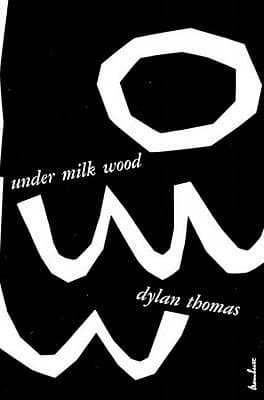
Dylan Thomas (1954)
Genre
Fiction
Reading Time
120 min
Key Themes
See below
Sign in to track this book
In the whimsical Welsh coastal town of Llareggub, a single spring day unfolds through the dreams, desires, and absurdities of its unforgettable inhabitants, brought to life by Dylan Thomas's poetic genius.
The First and Second Narrators begin by describing the small, fictional Welsh fishing village of Llareggub as it sleeps under a 'lightless, eyeless' night. They guide the audience through the darkness, revealing the dreams and subconscious thoughts of its various residents. Captain Cat, a blind, retired sea captain, dreams of his drowned shipmates and past loves. Mrs. Ogmore-Pritchard, a widow, dreams of her two deceased husbands, demanding their continued tidiness. Organ Morgan, the church organist, dreams of grand musical compositions. The dreams are a mix of longing, regret, and the mundane, setting the stage for the quirky personalities that will populate the waking day.
As dawn breaks over Llareggub, the First Narrator notes the gradual awakening of the town. Sounds begin to emerge: the 'crowing of cocks,' the 'moo of cows,' and the 'cry of gulls.' Lily Smalls, a maid, wakes up, dreaming of a suitor. Mr. Pugh, a meek schoolmaster, considers poisoning his tyrannical wife, Mrs. Pugh, over breakfast. Polly Garter, a woman with many past lovers, hums a song about her lost loves while doing laundry. The morning light reveals the physical details of the village, the 'higgledy-piggledy' houses and the bay, as the inhabitants transition from their dream worlds into the realities of their daily lives.
Breakfast is a central scene, showcasing the unique dynamics within households. Mr. and Mrs. Pugh's tense meal is contrasted with the more harmonious, if slightly odd, domesticity of others. Reverend Eli Jenkins recites his daily poem, a lyrical ode to the town. Gossiping women, like Mrs. Dai Bread Two and Mrs. Floyd, discuss their neighbors over tea. Captain Cat listens intently to the sounds of the village, his imagination painting vivid pictures of the unseen. These small, repetitive actions establish the rhythm of Llareggub life and further introduce the individual quirks and underlying tensions that define each character.
The town's businesses open. Butcher Beynon haggles over meat, while Mr. Waldo, the local ne'er-do-well, is seen loitering. Miss Myfanwy Price, a sweet shop owner, yearns for love, sending letters to her beloved Mog Edwards, a draper from a nearby town. Nogood Boyo, a lazy fisherman, spends his morning fishing for nothing, reflecting his indolent nature. The children of the town, including Gwennie and other schoolchildren, are heard playing and heading to school, adding another layer to the community's daily fabric. The Narrators highlight the contrast between the industrious and the idle, the hopeful and the resigned, within the village.
Love, both current and past, is a pervasive theme. Mog Edwards dictates passionate, if somewhat exaggerated, love letters to Miss Myfanwy Price, who cherishes his every word. Polly Garter continues to sing of her many past lovers, particularly 'Little Willy Wee,' suggesting a deep, unfulfilled longing despite her numerous dalliances. Rosie Probert, a deceased lover, appears in Captain Cat's memories and dreams, a constant presence in his solitary life. The interactions and internal monologues reveal a spectrum of romantic experiences, from idealized affection to bittersweet nostalgia, underscoring the universal human desire for connection.
The Sailor's Arms, the local pub run by Mrs. Cherry Owen, becomes a focal point as the day progresses. Regulars like Mr. Cherry Owen himself, who recounts his drunken escapades, gather for drinks and conversation. Gossiping women, including Mrs. Dai Bread One and Mrs. Dai Bread Two, exchange news and opinions. The pub serves as a social barometer, reflecting the town's collective mood and individual dramas. It's a place where secrets are hinted at, reputations are made and unmade, and the daily grind is temporarily forgotten amidst the camaraderie and the clinking of glasses.
The afternoon brings a slight shift in tone, with more introspection and the surfacing of underlying anxieties. Mr. Pugh continues to fantasize about poisoning Mrs. Pugh, concocting elaborate, fictional murder scenarios. Mrs. Ogmore-Pritchard, ever vigilant, scrutinizes her two lodgers, Mr. Waldo and Mr. Myfanwy, ensuring they adhere to her strict rules. The children, released from school, are seen playing, their innocence contrasting with the adult complexities. The Narrators explore deeper into the characters' internal worlds, revealing their secret hopes, fears, and sometimes, their more sinister inclinations, adding layers of psychological depth to the seemingly idyllic village.
The postman, Willy Nilly, makes his rounds, delivering letters that often reveal more about the town's romantic undercurrents. He delivers Mog Edwards's passionate, if somewhat formulaic, letters to Miss Myfanwy Price, who cherishes them. He also delivers letters from Polly Garter's various admirers, highlighting her enduring appeal despite her past. The postman acts as a conduit for the town's hidden desires and affections, emphasizing the importance of communication, even if often indirect or stylized, in maintaining the fabric of relationships within Llareggub.
As the sun sets, casting long shadows over Llareggub, a sense of winding down permeates the air. Reverend Eli Jenkins recites his evening poem, a prayer for the town and its people. The children are called home for supper. Captain Cat, sitting by his window, continues to listen to the fading sounds of the day, his mind still populated by the ghosts of his past. The First Narrator notes the shift from the bustling activity of day to the quiet contemplation of evening, marking the cyclical nature of life in the village and the individual moments of reflection that accompany the close of day.
Darkness once again envelops Llareggub. The inhabitants, having lived their day, now return to their beds and their dreams. Captain Cat dreams of the sea and his lost loves. Mrs. Ogmore-Pritchard dreams of her deceased husbands, ensuring they are still tidy in the afterlife. The Narrators revisit some of the key characters, showing their subconscious minds at work. The play comes full circle, ending as it began, with the town asleep, its dreams a tapestry of desire, regret, and the everyday, underscoring the continuous, timeless nature of human experience in this small Welsh village.
The Omniscient Narrator
Remains a consistent, guiding presence, offering a comprehensive view of the town without personal development.
The Omniscient Narrator
Acts as a descriptive aid, enhancing the narrative without personal transformation.
The Supporting
Begins and ends in a state of nostalgic reflection, his inner world remaining consistent.
The Supporting
Remains a steadfast, poetic observer and spiritual leader throughout the day.
The Supporting
His internal fantasies of murder persist, showing no outward change in his subservient role.
The Supporting
Remains a dominating force, her character unchanging in her control over Mr. Pugh.
The Supporting
Her character remains consistent in her longing for past loves, expressed through her songs.
The Supporting
Her romantic yearning for Mog Edwards remains a central aspect of her character.
The Supporting
His character is defined by his consistent, effusive declarations of love for Myfanwy.
The Supporting
Remains obsessed with order and control, even over her deceased husbands.
The Supporting
Remains a consistently indolent and unsuccessful fisherman.
Memory profoundly shapes the characters' present lives in Llareggub. Captain Cat, blind, lives almost entirely in his past, haunted by his drowned shipmates and his lost love, Rosie Probert, who constantly appears in his dreams and waking thoughts. Polly Garter perpetually sings of her numerous past lovers, particularly 'Little Willy Wee,' suggesting a deep longing for what has been. Even Mrs. Ogmore-Pritchard's dreams are dominated by her deceased husbands, whom she continues to nag. The play suggests that the past is not merely gone but actively informs and colors the present, creating a rich inner world for many of the inhabitants.
“Only you can hear the invisible starling, Captain, calling for silence in the morning park, of love in the snow, of the dead eye of the street.”
The play opens and closes with the dreams of the sleeping town, blurring the lines between conscious and subconscious life. Characters' dreams often reveal their deepest desires, fears, and obsessions, which then echo in their waking actions. Mr. Pugh's murderous fantasies against his wife are vivid and detailed, almost as real as his subservient daytime demeanor. Captain Cat's dreams of Rosie Probert and his shipmates are as tangible to him as the sounds of the waking town. This theme highlights the rich inner lives of the characters and suggests that the 'real' world is profoundly influenced by the subjective landscapes of imagination and desire.
“It is Spring, moonless night in the small town, starless and bible-black, the cobble streets silent and the hunched, courters'-and-raconteurs'-and-hunchbacks' houses asleep.”
Love is explored in many ways, from the tender and idealized to the nostalgic and even twisted. Miss Myfanwy Price and Mog Edwards share an over-the-top, epistolary romance, full of dramatic declarations. Polly Garter's love is abundant and promiscuous, yet tinged with a deep sadness for her lost 'Willy Wee.' Captain Cat's love for Rosie Probert is an enduring, ghostly presence. Even the strange, codependent relationship between Mr. and Mrs. Pugh, fueled by his murderous fantasies and her tyranny, is a distorted form of connection. The play celebrates the diverse and often contradictory expressions of human affection and attachment.
“I will not stir, I will not move, I will not breathe till I hear your voice, O my own, my only, my incomparable, my love!”
Despite its eccentric characters and lyrical language, 'Under Milk Wood' ultimately celebrates the beauty and significance of ordinary life in a small community. The daily routines—breakfast, gossiping, work, and pub visits—are depicted with warmth and humor. Reverend Eli Jenkins's poems elevate the mundane into the spiritual, finding holiness in the 'higgledy-piggledy' houses and 'fish-frail' boats. The play suggests that even in a seemingly unremarkable village, every life holds rich experiences, desires, and dreams, making the commonplace profound.
“Praise the Lord! We are a musical nation. We are the valleys of song.”
Llareggub is a tightly-knit community where everyone knows everyone else's business, creating a strong sense of shared life. The gossiping women, the regulars at the pub, and the collective sounds of the town all emphasize this communal aspect. However, within this collective, many characters experience profound isolation. Captain Cat, though surrounded by sounds, is blind and lost in his memories. Mr. Pugh's dark fantasies are entirely internal and hidden. The play explores how individuals navigate their personal worlds within the larger social fabric, showcasing moments of both connection and profound solitude.
“And the town is alive, as if it breathed, and the houses are breathing, and the streets are breathing, and the people are breathing, and the air is breathing, and the very dust is breathing, and the very dust is alive.”
Two narrators provide a comprehensive, all-knowing perspective.
The use of First and Second Narrators allows for an unparalleled depth of insight into the minds and lives of every character in Llareggub. They can delve into dreams, secret thoughts, and past memories, offering a complete picture of the town's inner and outer life. This device creates a rich, layered understanding of the community, moving seamlessly from individual consciousness to collective observation, and enabling the poetic, descriptive language that defines the play.
Characters' inner thoughts and dreams are presented unfiltered.
Many characters' internal monologues and dreams are presented directly, often without conventional narrative framing. This allows the audience to experience the unfiltered flow of their thoughts, desires, and anxieties. For instance, Mr. Pugh's detailed murder fantasies or Captain Cat's recollections of Rosie Probert are laid bare, providing intimate access to their psychological landscapes and revealing their true natures beneath their outward personas. This device is crucial for exploring the interplay between dreams and reality.
The text is rich with lyrical descriptions, metaphors, and evocative imagery.
Dylan Thomas employs highly poetic and descriptive language throughout the play, using vivid metaphors and sensory details to paint a picture of Llareggub. Phrases like 'bible-black' night, 'fish-frail' boats, and 'higgledy-piggledy' houses bring the setting and characters to life. This elevated language not only creates a unique atmosphere but also imbues the mundane aspects of village life with a sense of the magical and the profound, making the ordinary extraordinary and heightening the emotional impact of the narrative.
Recurring phrases, songs, and character actions create rhythm and emphasize themes.
The play utilizes repetition, particularly in Polly Garter's songs about her lost loves, Reverend Eli Jenkins's daily poems, and the cyclical descriptions of the town's awakening and sleeping. This creates a musical, incantatory rhythm, akin to a folk song or a prayer. It also emphasizes key themes, such as memory, longing, and the enduring nature of daily life, reinforcing the idea of a continuous, timeless existence within Llareggub.
“To begin at the beginning: It is spring, moonless night in the small town, starless and bible-black, the cobbles silent and clean.”
— Opening lines of the play, setting the scene for Llareggub.
“Organ Morgan, who is the organist, a master of all his stops and pedals, but who only plays in his head, and never on the church organ.”
— Introducing Organ Morgan and his private musical world.
“Only you, my darling, can blow me white-hot.”
— Captain Cat's thoughts of his deceased lover, Rosie Probert.
“And the wives of the sailors, who know too much, and not enough, and are always knitting, and always waiting.”
— Describing the women in the town, particularly those waiting for their seafaring husbands.
“The only thing I ever did in my life was to marry a boy who was not my kind, and who went away and never came back.”
— Polly Garter reflecting on her past and relationships.
“I am a bad woman, but I am not as bad as I seem.”
— Polly Garter in a moment of self-reflection.
“Oh, what'll I do? I'll marry a man and live with him out of the town, and have babies and wash their little faces in the morning dew.”
— Rosie Probert's nostalgic and romanticized dreams.
“The children are singing, the children are playing, the children are always singing and playing, and sometimes they stop and think, and then they start singing and playing again.”
— Observing the carefree nature of the children in Llareggub.
“And the sea, that is always there, breathing and muttering, and sometimes roaring like a bull.”
— Describing the ever-present and powerful presence of the sea.
“He is a man of many parts, but he has only one face, and that is a sad one.”
— A description of Mr. Pugh, highlighting his hidden complexities and outward melancholy.
“The boys are up to their tricks, and the girls are up to their tricks, and the men are up to their tricks, and the women are up to their tricks.”
— A general observation on the playful and sometimes mischievous nature of all the town's inhabitants.
“Come on, jump in, you old ram, there's milk in the river.”
— A playful and inviting line, part of the town's lively atmosphere.
“And the sun, that is always there, watching, and waiting, and sometimes it shines, and sometimes it doesn't.”
— A philosophical observation on the sun's consistent yet variable presence.
“We are not wholly bad or good, who live our lives in Llareggub.”
— A concluding thought, summarizing the complex morality of the town's residents.
Ready to see how well you understood this book? Take our interactive quiz with 10 questions.

Dylan Marlais Thomas was a Welsh poet and writer whose works include the poems "Do not go gentle into that good night" and "And death shall have no dominion", as well as the "play for voices" Under Milk Wood. He also wrote stories and radio broadcasts such as A Child's Christmas in Wales and Portrait of the Artist as a Young Dog. He became widely popular in his lifetime and remained so after his death at the age of 39 in New York City. By then, he had acquired a reputation, which he had encouraged, as a "roistering, drunken and doomed poet".

Ashley Antoinette
4.6

Mark McDonald
4.4
Luo Guanzhong
4.4
Mia McKenzie
4.3
Dorothy Parker
4.3
Joaquim Maria Machado de Assis
4.3
James Thurber
4.2
Terry Kay
4.2