“April is the cruellest month, breeding Lilacs out of the dead land, mixing Memory and desire, stirring Dull roots with spring rain.”
— Opening lines of the poem, setting a tone of paradoxical renewal and despair.

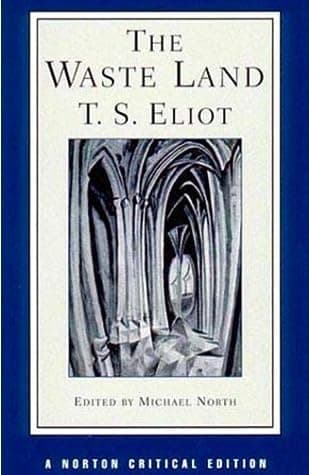
Sign in to track this book
T.S. Eliot's 'The Waste Land' is a fragmented poem, presented here with critical notes that explain its many allusions and its path from controversial debut to lasting twentieth-century interpretations.
“April is the cruellest month, breeding Lilacs out of the dead land, mixing Memory and desire, stirring Dull roots with spring rain.”
— Opening lines of the poem, setting a tone of paradoxical renewal and despair.
“I will show you fear in a handful of dust.”
— From 'The Burial of the Dead', reflecting on mortality and spiritual emptiness.
“HURRY UP PLEASE ITS TIME”
— Repeated phrase in 'A Game of Chess', evoking urgency and the closing of a pub.
“These fragments I have shored against my ruins”
— Near the end of the poem, suggesting a fragile attempt to find meaning in broken pieces.
“The river's tent is broken: the last fingers of leaf Clutch and sink into the wet bank.”
— From 'The Fire Sermon', describing the Thames River in a state of decay.
“I think we are in rats' alley Where the dead men lost their bones.”
— A bleak, hallucinatory image from 'The Burial of the Dead'.
“O O O O that Shakespeherian Rag— It's so elegant So intelligent”
— A snippet of popular culture juxtaposed with classical references in 'A Game of Chess'.
“Here is no water but only rock Rock and no water and the sandy road”
— From 'What the Thunder Said', depicting a barren, thirst-inducing landscape.
“The awful daring of a moment's surrender Which an age of prudence can never retract”
— Reflecting on irreversible actions and their consequences in 'What the Thunder Said'.
“London Bridge is falling down falling down falling down”
— A nursery rhyme allusion in 'The Fire Sermon', symbolizing societal collapse.
“I have heard the key Turn in the door once and turn once only”
— From 'What the Thunder Said', suggesting imprisonment or finality.
“And I will show you something different from either Your shadow at morning striding behind you Or your shadow at evening rising to meet you”
— A mysterious promise in 'The Burial of the Dead', hinting at deeper truths.
“Weialala leia Wallala leialala”
— A refrain from the Rhine maidens' song in 'The Fire Sermon', evoking myth and loss.
“Shantih shantih shantih”
— The closing words of the poem, a Sanskrit peace blessing.
Ready to see how well you understood this book? Take our interactive quiz with 10 questions.

Biography coming soon.

Ashley Antoinette
4.6

Mark McDonald
4.4
Luo Guanzhong
4.4
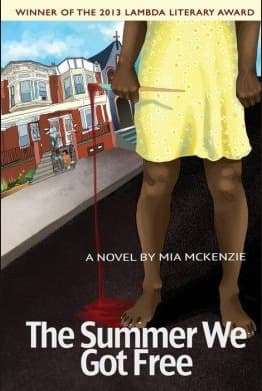
Mia McKenzie
4.3

Dorothy Parker
4.3

Joaquim Maria Machado de Assis
4.3
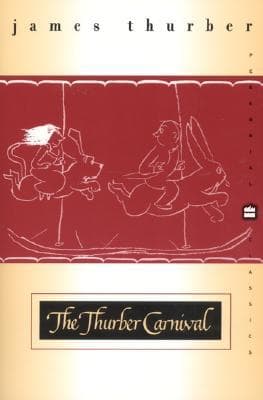
James Thurber
4.2

Terry Kay
4.2