BookBrief
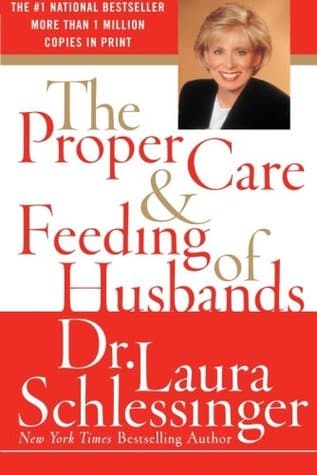
The Proper Care and Feeding of Husbands cover
Archivist's Choice

The Proper Care and Feeding of Husbands

Laura Schlessinger (2003)

Genre

Psychology / Relationships / Self-Help

Reading Time

240 min

Key Themes

See below

Track Your Reading

Sign in to track this book

Dr. Laura Schlessinger argues that a woman's marital happiness depends on her active and respectful 'care and feeding' of her husband, which transforms him into the loving partner she desires.

Core Idea

Laura Schlessinger's "The Proper Care and Feeding of Husbands" argues that wives have power over their marriage's happiness and success through how they treat their husbands. Her main idea is that men, like pets, do well with consistent positive reinforcement, respect, and clear understanding of their needs, especially sexual and emotional validation. Schlessinger says a wife's main role is to create a nurturing home and put her husband's well-being and desires first, including his sexual needs, even before 'sisterhood' alliances. The book claims that by doing these things and avoiding nagging, criticism, and emotional manipulation, wives can develop devoted, loving, and successful husbands, which leads to their own happiness and a strong marriage.
Reading time
240 min
Difficulty
Easy
✓ Read this if...
You are a wife looking for a prescriptive, traditional guide to improving your marriage by focusing on your own actions and impact on your husband's happiness, or if you appreciate direct, no-nonsense advice on marital roles and responsibilities.
✗ Skip this if...
You are looking for a book that emphasizes egalitarian partnerships, shared responsibilities, or mutual compromise, or if you are sensitive to gender role stereotypes and a 'tough love' approach to relationship advice. Also, skip if you prefer research-backed psychological insights over anecdotal and opinion-based arguments.

Core idea

The central argument and framework that powers the entire book.

Laura Schlessinger's "The Proper Care and Feeding of Husbands" argues that wives have power over their marriage's happiness and success through how they treat their husbands. Her main idea is that men, like pets, do well with consistent positive reinforcement, respect, and clear understanding of their needs, especially sexual and emotional validation. Schlessinger says a wife's main role is to create a nurturing home and put her husband's well-being and desires first, including his sexual needs, even before 'sisterhood' alliances. The book claims that by doing these things and avoiding nagging, criticism, and emotional manipulation, wives can develop devoted, loving, and successful husbands, which leads to their own happiness and a strong marriage.

At a glance

Reading time

240 min

Difficulty

Easy

Read this if...

You are a wife looking for a prescriptive, traditional guide to improving your marriage by focusing on your own actions and impact on your husband's happiness, or if you appreciate direct, no-nonsense advice on marital roles and responsibilities.

Skip this if...

You are looking for a book that emphasizes egalitarian partnerships, shared responsibilities, or mutual compromise, or if you are sensitive to gender role stereotypes and a 'tough love' approach to relationship advice. Also, skip if you prefer research-backed psychological insights over anecdotal and opinion-based arguments.

Key Takeaways

1

The Husband as a 'Pet' Metaphor

Treating your husband with intentional care yields positive results.

Quote

Husbands are not to be taken for granted; they require proper 'care and feeding' to thrive, much like a beloved pet.

Schlessinger frames the husband as someone needing deliberate 'care and feeding,' like a cherished pet. This idea, while potentially controversial, highlights the book's main point: a woman's marital satisfaction is directly related to the effort and thought she puts into her husband. It urges women to move past passive expectations and actively develop their spouse's well-being, emotionally and physically. The argument is that men, like any living creature, respond well to consistent nourishment, affection, and respect, and when thes...

Supporting evidence

The entire premise of the book, reflected in its title, acts as this central metaphor. Schlessinger repeatedly uses analogies of nurturing and tending to illustrate the reciprocal nature of marital effort.

Apply this

Actively identify specific 'feeding' (affirmation, respect, physical intimacy) and 'care' (listening, support, reducing stress) your husband needs. Make these a conscious part of your daily routine, rather than reactive responses.


reciprocal-relationshipsmarital-investmentspousal-well-being
2

Respect as the Cornerstone

A husband's primary need is respect, and its absence is detrimental.

Quote

For a man, disrespect from his wife is often more painful than a lack of love. It emasculates him and erodes the foundation of the marriage.

Schlessinger says that while women often prioritize love, men mainly need respect. She argues that many women disrespect their husbands through criticism, dismissiveness, public humiliation, or by treating them as children. This constant erosion of respect, she claims, is a main cause of marital unhappiness and distance. Men want to feel capable and competent, especially as providers and protectors. When a wife undermines this, even subtly, it can lead to withdrawal, resentment, and a reluctance to be intimate. The book says that show...

Supporting evidence

Schlessinger cites numerous anecdotes from her radio show callers where wives' critical or dismissive attitudes towards their husbands led to emotional shutdown and marital strife. She often recounts men expressing that they'd rather be alone than constantly feel belittled.

Apply this

Consciously avoid public criticism or belittling remarks. Express appreciation for his contributions, even small ones. Ask for and genuinely consider his opinions on important matters, even if you ultimately decide differently.

marital-communicationmale-psychologyrespect-in-relationships
3

The Power of Affirmation

Verbal and non-verbal affirmation fuels a man's drive and connection.

Quote

Men thrive on affirmation. When a wife genuinely expresses her admiration and appreciation, she ignites his desire to please her and protect their family.

Beyond basic respect, Schlessinger stresses the important role of affirmation in a husband's emotional life. She argues that men often lack genuine praise and acknowledgment, especially from their wives. When a woman affirms her husband's strengths, intelligence, efforts, and even his physical attractiveness, it reinforces his self-worth and his commitment to the relationship. This is not flattery, but sincere recognition. A man who feels seen, valued, and admired by his wife is more likely to be engaged, affectionate, and motivated t...

Supporting evidence

Schlessinger shares stories of women who, upon her advice, began regularly complimenting their husbands, leading to dramatic improvements in their husbands' moods, helpfulness around the house, and increased intimacy.

Apply this

Make it a daily practice to offer specific compliments and express gratitude. Acknowledge his efforts, even if imperfect. Tell him what you admire about him, both his character and his actions.

positive-reinforcementemotional-intimacyspousal-support
4

Prioritizing His Sexual Needs

Physical intimacy is a critical component of a man's marital satisfaction.

Quote

For many men, physical intimacy is not just about pleasure, but a profound expression of love, acceptance, and connection. Withholding it is often perceived as withholding love itself.

Schlessinger is clear about the importance of a wife prioritizing her husband's sexual needs. She argues that for men, physical intimacy is often a main way to express love and connection, and a consistent lack of it can lead to feelings of rejection, resentment, and deep marital dissatisfaction. The book challenges women to move past personal issues or using sex as a weapon and to understand its importance from a male perspective. It is presented not as a chore, but as an essential act of marital maintenance and a powerful way to pro...

Supporting evidence

Dr. Laura frequently shares accounts from men who call her show, expressing deep anguish and loneliness due to their wives' consistent refusal or disinterest in sexual intimacy, often leading to marital breakdown.

Apply this

Proactively initiate intimacy and be responsive to his advances. Understand his needs and make an effort to meet them regularly, viewing it as a vital part of your marital commitment and connection.

sexual-intimacymarital-healthmale-sexuality
5

The Wife's Power to Create Home

A woman's attitude profoundly shapes the emotional climate of the home.

Quote

A woman holds immense power to create either a sanctuary or a battleground within her own home. Her demeanor sets the tone for the entire family.

Schlessinger argues that the wife is the main creator of the home's emotional atmosphere. Her mood, attitude, and daily approach significantly affect her husband, the children, and the overall feeling of peace and happiness. When a wife is consistently negative, critical, or emotionally distant, the home is a place of tension and stress, driving her husband away. Conversely, a woman who creates a positive, appreciative, and supportive environment makes her home a refuge, a place her husband wants to return to and invest in. This place...

Supporting evidence

Through countless caller stories, Schlessinger illustrates how a wife's nagging, complaining, or constant dissatisfaction transforms a home into an unpleasant space, leading husbands to seek solace elsewhere, physically or emotionally.

Apply this

Consciously choose to foster a positive and appreciative atmosphere at home. Greet your husband warmly, express gratitude, and manage your own emotional state to avoid bringing unnecessary tension into the shared space.

domestic-harmonyemotional-laborfamily-dynamics
6

Understanding Male Motivation

Men are often motivated by feeling needed, capable, and successful.

Quote

To motivate a man, appeal to his inherent desire to protect, provide, and succeed. Make him feel essential, and he will rise to the occasion.

Schlessinger explores male motivation, suggesting that women often misunderstand what drives their husbands. She says that men are typically motivated by a desire to feel needed, to be seen as competent, and to succeed in their roles, especially as providers and protectors. When a wife constantly criticizes his efforts, takes over tasks he could do, or lessens his contributions, she demotivates him. The book encourages women to step back, allow their husbands to contribute, express their need for his help, and genuinely appreciate his...

Supporting evidence

Schlessinger frequently recounts scenarios where wives complain about their husbands' passivity, only to reveal they've been micromanaging or criticizing every attempt their husband makes to help or contribute.

Apply this

Clearly articulate your needs and allow him to meet them. Express gratitude for his efforts. Resist the urge to 'fix' or criticize his way of doing things, focusing instead on the positive outcome or intention.

male-psychologymotivation-theoryrelationship-roles
7

The Danger of Nagging and Criticism

Constant negativity erodes affection and drives distance in marriage.

Quote

Nagging is a poison to a man's spirit. It chips away at his desire to please, replacing it with resentment and a powerful urge to escape.

One of Schlessinger's strongest warnings is against nagging and criticism. She argues that while women may believe they are simply trying to 'improve' their husbands or get things done, constant negativity is deeply damaging. For a man, incessant nagging feels like a constant attack on his competence and judgment, leading to defensiveness, withdrawal, and a deep loss of affection. Instead of motivating him, it often paralyzes him or pushes him away. The book suggests women choose their battles, communicate needs respectfully, and focu...

Supporting evidence

Schlessinger's radio show is replete with examples of men who describe feeling 'beaten down' and 'exhausted' by their wives' constant complaints, leading many to seek solace outside the home or simply shut down emotionally.

Apply this

Before speaking, consider if your comment is critical or constructive. Prioritize positive communication and express needs calmly and clearly, rather than through repeated complaints or shaming.

communication-breakdownnegative-feedbackmarital-conflict
8

No Room for 'Sisterhood' Over Spousal Loyalty

Prioritizing female friends' opinions over a husband's is detrimental.

Quote

When you complain about your husband to your friends, you betray him and undermine your own marriage. Loyalty belongs first and foremost to your spouse.

Schlessinger strongly criticizes the trend of women telling their female friends about marital complaints, often at the expense of their husband's reputation and the marital bond. She argues that this 'sisterhood' mentality, while appearing supportive, actually harms the marriage by creating an 'us vs. him' dynamic. Sharing intimate marital issues with others, especially negatively, damages trust, disrespects the husband, and prevents the couple from solving their problems internally. The book supports absolute spousal loyalty, saying...

Supporting evidence

Schlessinger highlights how women's friends often reinforce negative views of their husbands, offering 'support' that actually encourages marital breakdown rather than reconciliation or understanding.

Apply this

Discuss marital issues directly with your husband first. Avoid complaining about him to friends or family. If you need external advice, seek professional counseling together, not casual gossip.

marital-loyaltyexternal-influencesrelationship-boundaries
9

The Husband as the 'First Responder'

Turn to your husband first for support and problem-solving.

Quote

Your husband wants to be your hero. Give him the opportunity to be by turning to him first when you have a problem or need support.

This idea encourages women to see their husbands as their main source of support and problem-solving, their 'first responder' in times of need. Schlessinger says that when women consistently turn to others – friends, family, or even children – before their husbands, it lessens his sense of purpose and importance in the relationship. Men, she argues, are often driven to 'fix' problems and protect their loved ones. By actively seeking his input, comfort, and assistance, a wife not only gets the support she needs but also affirms her hus...

Supporting evidence

Schlessinger often recounts women calling her show, complaining their husbands are uninvolved, only for it to be revealed that the women consistently go to others with their problems, never giving their husbands a chance to step up.

Apply this

When facing a challenge or needing emotional support, consciously make your husband your first point of contact. Express your need and allow him the opportunity to respond and help.

spousal-supportinterdependenceproblem-solving
10

The Reciprocal Nature of Happiness

A woman's happiness in marriage is often a reflection of her investment.

Quote

Your happiness in marriage is not something to be passively received; it is actively created through your efforts to nurture and respect your husband.

The book's main theme is that a woman's marital happiness is largely a direct result of her own actions and attitudes towards her husband. Schlessinger challenges the idea that happiness is something her husband must solely provide. Instead, she argues that by using the principles of respect, affirmation, prioritizing intimacy, and creating a positive home, a wife creates the conditions for her husband to do well. When he does well, he is more loving, engaged, and devoted, which leads to the wife's own satisfaction and joy. It is a ca...

Supporting evidence

The entire book is built on this premise, with numerous anecdotal examples of women who transformed their unhappy marriages by shifting their focus from what their husbands weren't doing to what they themselves could do differently.

Apply this

Regularly self-assess your contributions to the marriage. Focus on proactively implementing the 'care and feeding' principles, understanding that your consistent positive efforts will likely yield a more fulfilling and happier marriage for you.

personal-accountabilitymarital-satisfactionself-efficacy

Critical analysis

Notable Quotes

A man needs to feel like a hero to his woman. It's not about being perfect, it's about being appreciated for his efforts.

Highlighting the fundamental male need for appreciation and validation in a relationship.

When you treat your husband with respect and admiration, you are not diminishing yourself; you are elevating your marriage.

Emphasizing the positive impact of respect on the marital dynamic.

Many women complain their husbands don't talk to them, yet they often interrupt or criticize when he does try to communicate.

Pointing out common communication pitfalls from the female perspective.

Sex is not a weapon, a reward, or a chore. It is an expression of love, intimacy, and connection.

Redefining the role of sex in marriage away from manipulation or obligation.

Your husband is not your girlfriend. He doesn't need to hear every detail of your day or every emotional nuance.

Distinguishing between male and female communication styles and needs.

If you want a passionate husband, you must be a passionate wife. Energy begets energy.

Encouraging wives to initiate and reciprocate passion in the relationship.

Stop nagging. Start asking. There's a profound difference in the way it's received.

Advising a shift from critical nagging to respectful requests.

A man's primary need in a relationship is often to feel competent and successful in his role as a provider and protector.

Identifying key male needs related to identity and purpose within a marriage.

Don't outsource your emotional needs to your husband. Have friends, hobbies, and interests outside of him.

Promoting self-sufficiency and a balanced life for wives.

The greatest gift you can give your children is a loving, respectful relationship with their father.

Highlighting the impact of the marital relationship on children's well-being.

Your husband isn't a mind-reader. If you want something, you need to articulate it clearly and respectfully.

Addressing the common issue of unstated expectations in relationships.

Focus on what your husband does right, not just what he does wrong. Appreciation is a powerful motivator.

Encouraging a positive focus and the use of appreciation to foster good behavior.

Marriage is a partnership, not a competition. You are on the same team.

Underlining the collaborative nature of a successful marriage.

Make your home a haven for your husband, a place where he feels safe, respected, and desired.

Advising wives to create a welcoming and affirming home environment.

Quiz

Test Your Knowledge

Ready to see how well you understood this book? Take our interactive quiz with 10 questions.

10
Questions
~5
Minutes
?
Best Score

Key Questions (FAQ)

The book argues that women hold significant power to shape their marital happiness by actively prioritizing and nurturing their husbands' needs, feelings, and value. Dr. Laura contends that by showing proper care and respect, women can achieve the loving, intimate, and satisfying marriages they desire.

About the author