BookBrief
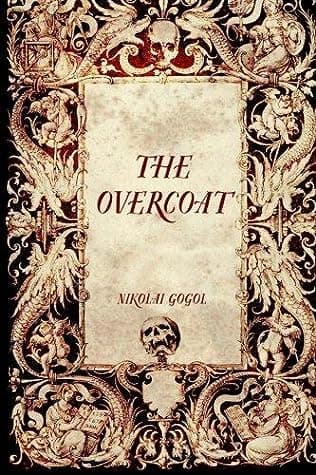
The Overcoat cover
Archivist's Choice

The Overcoat

Nikolai Gogol (1995)

Genre

Fiction

Reading Time

45 min

Key Themes

See below

Track Your Reading

Sign in to track this book

A lowly clerk's life unravels into a darkly comedic and tragic obsession with a new overcoat, only to find himself haunting the streets of St. Petersburg in its spectral pursuit.

Synopsis

Akaky Akakievich Bashmachkin, a low-ranking government clerk in St. Petersburg, finds his only purpose in life through his meticulous and monotonous work of copying documents. His worn-out overcoat becomes a source of ridicule and a serious problem as the harsh Russian winter approaches. After much thought and sacrifice, Akaky orders a new overcoat. This garment brings him great joy and even a brief moment of social acceptance among his colleagues. His new happiness ends quickly when, returning from a party, he is robbed of his precious coat. Desperate, Akaky seeks help from various authorities, including a 'Very Important Person,' but they meet him with indifference. Overwhelmed by grief and cold, Akaky falls ill and dies. However, his story continues: a ghost, believed to be Akaky, begins haunting St. Petersburg, terrifying passersby and stripping them of their overcoats. The ghost eventually confronts the Very Important Person who dismissed him, achieving a posthumous, spectral revenge.
Reading time
45 min
Difficulty
Easy
Pacing
Moderate
Mood
Melancholic, Satirical, Absurdist, Tragic
✓ Read this if...
You enjoy classic Russian literature, satirical fables, or stories about the common man's struggle against an indifferent bureaucracy.
✗ Skip this if...
You prefer fast-paced plots, clear-cut happy endings, or avoid melancholic and somewhat absurd narratives.

Plot Summary

Akaky Akakievich's Background and Office Life

Akaky Akakievich Bashmachkin is a titular counsellor, a low-ranking civil servant in a St. Petersburg department. He is described as short, pock-marked, red-haired, and half-blind. His name itself causes mild ridicule. His only interest in life is carefully copying documents, a task he does with dedication and joy, often taking work home. His colleagues frequently mock him, throwing paper scraps and making fun of his humble nature. Akaky never fights back, only asking them to leave him alone in a quiet, pained voice. He notices nothing beyond his copying, including the world and its pleasures.

The Deterioration of the Old Overcoat

Akaky's old overcoat, which his colleagues call a 'dressing-gown,' is worn out and full of holes. It offers little protection against the harsh St. Petersburg cold. One day, a strong gust of wind tears through a weak spot in the coat, confirming it cannot be fixed. Akaky, who usually ignores the poor condition of his clothes, must admit it can no longer be patched. He takes it to Petrovich, a one-eyed, drunken tailor, hoping for a simple repair. Petrovich examines the coat, declares it beyond repair, and says Akaky needs a completely new overcoat.

The Dream of a New Overcoat

Petrovich's direct statement that a new overcoat is needed upsets Akaky. The cost seems huge, and he sees no way to pay for it. However, the idea of a new overcoat, specifically one with a marten fur collar and a wadded lining, slowly takes hold. This dream becomes his sole focus, filling his thoughts. He starts to live very frugally, cutting down on expenses like candles, food, and even walking on tiptoes to save shoe leather. He becomes more determined and purposeful, driven by the single goal of getting this new garment.

Saving for the Overcoat

For several months, Akaky Akakievich endures great hardship to save money for his new overcoat. He skips tea, avoids laundry, and eats even less than usual. He even saves the small bonuses he receives from his department, which he previously spent on small things. His determination changes him; he becomes more lively, his eyes sometimes shining with anticipation. The thought of the new overcoat fills his days with purpose and a strange joy, making his meager life more bearable. He carefully plans how much he needs and how long it will take to save.

The Creation of the New Overcoat

After a year of extreme saving, Akaky finally collects the eighty rubles needed. He takes the money to Petrovich, who is sober and less arrogant this time. Petrovich gets fine cloth and marten fur for the collar. With great care and skill, he makes the new overcoat. The day it is finished is the most important day of Akaky's life. He wears it to work, feeling great pride and self-worth. The overcoat is described in detail, showing its warmth, elegance, and the joy it brings Akaky, who feels like a completely new man.

The Office's Reaction and Celebration

When Akaky arrives at the office wearing his new overcoat, his colleagues are surprised. They congratulate him, some with real admiration, others with a hint of their usual teasing. The Assistant Head Clerk, seeing the stir, suggests Akaky should celebrate his new coat by hosting a party. Akaky is at first flustered and tries to decline, but his colleagues insist. He eventually agrees to attend a small gathering hosted by one of the clerks that evening. This is an unusual social event for the reclusive Akaky, further lifting his spirits.

The Party and the Walk Home

Akaky attends the party, feeling a bit out of place but also enjoying the attention and warmth. He eats and drinks a little, and for a short while, he feels he belongs. As the evening goes on, he leaves earlier than the others, feeling a pleasant lightness and confidence as he walks through the brightly lit streets. However, as he goes into the darker, deserted parts of the city on his way home, his good mood starts to fade. He senses danger in the shadows, and his fear grows with each step.

The Robbery

As Akaky walks down a desolate square, two men with moustaches suddenly attack him. They grab him roughly, one holding him while the other quickly pulls off his new overcoat. Akaky tries to cry out, but fear and the attackers' grip muffle his voice. They disappear into the night with his precious garment, leaving Akaky collapsed in the snow, shivering and completely devastated. The loss of his overcoat is not just a material one; it is the loss of his identity, his purpose, and the symbol of his brief happiness.

Akaky's Futile Search for Help

Akaky stumbles home, barely understanding what happened. The next day, he tries to report the crime. He first goes to the district police chief, who is unhelpful and dismissive, more concerned with Akaky's late reporting than with the theft itself. He then seeks advice from a higher-ranking 'Very Important Person' (VIP), hoping for a more understanding ear. However, the VIP, a man focused on keeping his authority, scolds Akaky for bothering him directly instead of following proper bureaucratic procedures, leaving Akaky humiliated and more desperate.

Akaky's Illness and Death

The humiliation and despair from his encounter with the VIP, along with the shock of the robbery and the freezing St. Petersburg weather, severely affect Akaky. He returns home with a high fever and chills. His landlady sends for a doctor, who quickly diagnoses a severe fever and predicts his imminent death. Akaky's final moments involve delirium, where he mutters about his overcoat, Petrovich, and the VIP. He dies alone, unmourned and largely unnoticed. His position in the department is quickly filled by another clerk.

The Ghost of Akaky Akakievich

Soon after Akaky's death, rumors spread in St. Petersburg about a ghost haunting the Kalinkin Bridge and other parts of the city. This ghost, described as a dead clerk, is seen snatching overcoats from passersby, regardless of their rank or status. The police cannot catch him. The ghost becomes a source of terror and superstition among the city's residents. The description of the ghost strongly matches Akaky Akakievich, seeking revenge for his stolen garment and the unfairness he suffered.

The Very Important Person's Encounter

One day, the Very Important Person, feeling pleased with himself after a social visit, decides to take a detour to visit a lady friend. As he rides in his carriage, he suddenly feels a cold hand on his collar. It is Akaky's ghost, who snatches the VIP's expensive overcoat, declaring, 'So, that's what you want! Now leave me alone!' The VIP is utterly terrified, thrown into shock and fear. This encounter deeply changes him, making him more compassionate and less prone to arrogant displays of power, at least for a while. The ghost is never seen again after this.

Principal Figures

Akaky Akakievich Bashmachkin

The Protagonist

Akaky briefly experiences joy, purpose, and a sense of belonging with his new overcoat, only to be crushed by its loss and the indifference of society, leading to his tragic death and subsequent spectral revenge.

Petrovich

The Supporting

Petrovich remains largely static, serving as a catalyst for Akaky's desires and a means to their fulfillment.

The Very Important Person (VIP)

The Antagonist/Supporting

Initially arrogant and dismissive, the VIP is terrified by Akaky's ghost, leading to a temporary (and possibly superficial) change in his character, making him less harsh.

Akaky's Colleagues

The Supporting/Mentioned

They remain largely static, representing the general societal attitude towards Akaky.

The Robbers

The Antagonist

They are static characters, serving as a plot device to instigate Akaky's downfall.

The District Police Chief

The Supporting

The police chief is a static character, serving as an initial obstacle in Akaky's quest for justice.

Themes & Insights

The Dehumanizing Nature of Bureaucracy

The story clearly shows how the strict, hierarchical structure of the Russian civil service strips people of their humanity. Akaky Akakievich is reduced to a 'copyist,' his identity defined only by his simple task. His colleagues mock him, and his superiors, like the Very Important Person, treat him with cold indifference, seeing him as an annoyance rather than a suffering person. The bureaucratic system offers no comfort or justice for Akaky, ultimately leading to his death when his plea for help is met with scorn. Even his death is absorbed by the system, as his position is quickly filled.

There was no respect shown him in the department. The young clerks did not simply laugh at him, they flung their jokes at him, and told all sorts of stories, invented about him.

Narrator

Social Injustice and Class Inequality

Gogol highlights the clear class divisions and the injustices faced by the poor and powerless. Akaky's entire life is a struggle against poverty and social invisibility. His old overcoat symbolizes his low status, and the new one, his brief rise to a semblance of dignity. His pleas for help after the robbery are ignored by those in power, who prioritize their own status and convenience over the suffering of a 'little man.' The ghost's revenge, targeting overcoats regardless of rank, symbolically evens the playing field, a desperate act against a system that denies justice to the weak.

He was, in a word, a titular counsellor whom one could not by any means call brilliant or distinguished.

Narrator

The Pursuit of Identity and Meaning Through Material Possessions

For Akaky, the overcoat is more than just clothing; it becomes the sole source of his identity, purpose, and brief happiness. Before the new overcoat, Akaky is nobody; his life is boring and unfulfilling. The dream of the overcoat changes him, giving him a goal and a sense of self-worth. When it is stolen, he loses not just a possession, but his very being, leading to his quick decline and death. This theme explores how people, especially those society marginalizes, can place their deepest desires and sense of self onto material objects to find meaning in their lives.

From that day forward, Akaky Akakievich's existence seemed to become fuller, as if he had married, as if some other person were present with him, as if he were not alone, but an agreeable companion had consented to walk along the path of life with him...

Narrator

The Absurdity of Existence and Human Obsession

Gogol adds elements of the absurd to the story, especially through Akaky's single-minded obsession. His entire life revolves around copying and then, with equal intensity, getting an overcoat. This intense focus on a mundane object, to the exclusion of everything else, shows the often-random nature of human desires and the triviality of what we pursue. The satirical tone emphasizes the absurdity of Akaky's situation and the huge impact a simple garment has on his life, leading to both his greatest joy and his tragic end. The ghost's overcoat-snatching spree further pushes into the realm of the absurd.

Never in his life had he given a thought to an overcoat, and now, suddenly, it was as if he had been struck by lightning.

Narrator

Compassion and Indifference

The story sharply contrasts rare moments of human kindness with widespread indifference. Akaky constantly faces mockery and neglect from his colleagues and superiors. His suffering after the robbery is met with bureaucratic coldness by the police chief and the Very Important Person. The brief compassion shown by some colleagues at the party is an exception. This theme shows how easily people can become insensitive to the suffering of others, especially those considered unimportant. The ghost's actions, particularly against the VIP, serve as a supernatural retribution for this lack of human empathy.

The young clerks laughed and jeered at him, as much as their official wit would allow; they would throw scraps of paper at him, calling him 'copyist' and 'old woman.'

Narrator

Plot Devices & Literary Techniques

The Overcoat as a Symbol

The overcoat symbolizes Akaky's identity, social status, and human dignity.

The overcoat is the central symbolic object in the story. Initially, Akaky's old, tattered overcoat symbolizes his poverty, insignificance, and social invisibility. The new overcoat, however, represents a transformation: it is a symbol of warmth, protection, dignity, and a brief, newfound sense of self-worth and belonging. Its theft is not just a material loss but the complete annihilation of Akaky's identity and hope, leading directly to his death. In its ghostly form, the overcoat symbolizes vengeance and a desperate quest for justice.

The Supernatural Element (The Ghost)

Akaky's ghost provides a fantastical resolution and moral commentary.

The introduction of Akaky's ghost after his death serves as a crucial plot device. It shifts the story from social realism to the supernatural, allowing for a form of justice that was denied in life. The ghost's act of stealing overcoats, particularly from the Very Important Person, functions as a satirical commentary on the class system and bureaucratic indifference. It provides a cathartic, albeit fantastical, resolution to Akaky's suffering, giving voice to the powerless and offering a symbolic comeuppance for those who abused their authority.

Satire and Irony

Gogol uses humor and exaggeration to criticize social norms and bureaucracy.

Gogol employs satire and irony throughout 'The Overcoat' to highlight the absurdities of St. Petersburg society and the bureaucracy. Akaky's name, his extreme dedication to copying, and the disproportionate importance placed on an overcoat are all subjects of ironic commentary. The narrator's tone often shifts between mock-serious and genuinely empathetic, underscoring the pathetic nature of Akaky's existence while also critiquing the society that produces such figures. The entire episode with the Very Important Person is a satirical jab at arrogance and officialdom, culminating in the ironic justice delivered by the ghost.

The 'Little Man' Archetype

Akaky embodies the archetype of the insignificant, oppressed individual in society.

Akaky Akakievich is a quintessential representation of the 'little man' archetype, a character common in Russian literature. He is a humble, voiceless, and often pathetic figure, marginalized and oppressed by society and its institutions. His life is one of quiet suffering and meticulous routine, lacking any grand ambitions or agency. This archetype serves to highlight the dehumanizing effects of bureaucracy, social inequality, and the indifference of the powerful. Akaky's ultimate fate emphasizes the vulnerability of such individuals and critiques a system that fails to acknowledge their basic humanity.

Critical analysis

Notable Quotes

In the department of ... but it is better not to say in what department. The reader must know that the department in question is one of the many and numerous departments that exist in Russia.

Opening lines, introducing the setting and the bureaucratic nature of St. Petersburg.

There was in a certain department one official — an official of no great distinction, one might say, a rather short official, somewhat pock-marked, somewhat red-haired, somewhat blind of one eye, with a rather high forehead, with wrinkles at the sides of his cheeks — named Akaky Akakievich Bashmachkin.

Introducing the protagonist, Akaky Akakievich, with a detailed physical description.

Akaky Akakievich did not take pleasure in any diversion. He was not one of those officials who are concerned about their clothes, who spend time in the tailor’s shop.

Describing Akaky's simple and unremarkable life before his desire for a new overcoat.

No one could say that he had a rich wardrobe. He had no other clothes than the uniform that was on him, and the uniform itself was not what it should have been.

Further emphasizing Akaky's poverty and the poor state of his existing clothing.

Akaky Akakievich worked with love. He copied, and copied, and copied, until, it seemed, the letters themselves had a face, and each letter looked at him from the page.

Highlighting Akaky's dedication and almost spiritual connection to his mundane copying work.

And from that day, Akaky Akakievich’s existence became somehow fuller, as if he had married. His heart was no longer empty, no longer without an object.

Describing Akaky's newfound purpose and joy after deciding to save for a new overcoat.

The new overcoat hung on the wall, shining with all its fresh novelty, and Akaky Akakievich, in a state of complete intoxication, gazed at it.

Akaky's immense satisfaction and almost reverent admiration for his newly acquired overcoat.

It was impossible to say that it was a good overcoat, but it was at least a new one, and that was enough.

Reflecting on the overcoat's quality, emphasizing its newness as its primary value to Akaky.

He lived in a world of his own, and his world was the world of paper and ink.

Summarizing Akaky's isolated existence and his complete immersion in his clerical duties.

And in the midst of all this, a single thought, a single desire, like a burning flame, began to rise in his heart: to have a new overcoat.

The genesis of Akaky's consuming desire for a new overcoat, which becomes his central focus.

He never gave his thoughts to anything else. If he did, it was only for a moment, and then he would return to his work, to his copying.

Illustrating Akaky's single-minded focus on his work, interrupted only by the overcoat dream.

The significant person, having heard the report, began to make a fuss, to raise his voice, and to stamp his foot.

The 'significant person' (a high-ranking official) reacting harshly to Akaky's plea for help after his overcoat is stolen.

And Petersburg was left without Akaky Akakievich, as if he had never been there.

Describing Akaky's unnoticed death, highlighting his insignificance to the city and society.

Thus vanished and disappeared a being who was protected by no one, dear to no one, of interest to no one, who did not even attract the attention of the natural scientist who inserts dead flies on pins.

A poignant reflection on Akaky's utterly unremarkable and unmourned passing.

And the poor fellow was carried out and buried. And Petersburg continued to live its own life, just as it had before.

Concluding the narrative of Akaky's life and death, emphasizing the city's indifference.

Quiz

Test Your Knowledge

Ready to see how well you understood this book? Take our interactive quiz with 10 questions.

10
Questions
~5
Minutes
?
Best Score

Key Questions (FAQ)

The central conflict arises from Akaky Akakievich Bashmachkin's desperate need for a new overcoat. His old one is beyond repair, leading to the necessity of commissioning a new, expensive garment from the tailor Petrovich, which becomes the singular focus of his meager existence.

About the author

Nikolai Gogol

Nikolai Vasilyevich Gogol was a Russian novelist, short story writer and playwright of Ukrainian origin.