“That was the trouble with being in love, you couldn't tell the difference between a good idea and a bad one.”
— Gareth considers the irrationality of love.


Kingsley Amis (2012)
Genre
Fiction
Reading Time
600 min
Key Themes
See below
Sign in to track this book
In a Welsh pub, a circle of aging, hard-drinking friends finds their twilight years hilariously upended by the return of a celebrated poet and his captivating wife, rekindling dormant rivalries and romances.
The novel begins with the daily lives of a group of older Welsh friends: Malcolm and Gwen Cellan-Davies, Charlie and Muriel Norris, and Peter and Angharad Thomas. Their days involve pub visits, gossip, and a quiet acceptance of getting older. This comfortable routine breaks when Alun Weaver, a local who became a famous Welsh poet, returns to live in Wales with his beautiful, younger wife, Rhiannon. Alun’s return immediately stirs excitement, resentment, and old jealousies among the friends, especially the men who remember Rhiannon from their youth and still have feelings for her.
The first meetings between Alun, Rhiannon, and their old friends are awkward. Alun, despite his fame, seems distant and self-absorbed, while Rhiannon's charm and beauty draw everyone in, especially the men. Malcolm, in particular, feels pulled toward Rhiannon, remembering a past crush. The women, including Gwen and Muriel, are more cautious, sensing a possible disruption to their social group. Conversations include veiled comments, half-remembered stories, and the uncomfortable fact that while some things have changed, the basic nature of their relationships remains the same.
Alun quickly becomes involved in the local literary scene, attending readings and giving interviews, which amuses and sometimes annoys his old friends. The pub, the Bible and Crown, remains their main gathering spot, but Alun's presence adds intellectual showing off and competition, especially among the men. Discussions often turn to literary criticism, with Alun leading, while his friends try to keep up or pretend to be interested. Rhiannon, meanwhile, handles this environment with grace, often bridging Alun's world and the more ordinary concerns of their friends.
Rhiannon's presence sparks old jealousies among the men. Malcolm, Charlie, and Peter all find themselves increasingly attracted to her, their wives noticing these renewed feelings with varying degrees of resignation and annoyance. This new element also highlights the underlying problems within their own marriages. Gwen, for example, becomes more critical of Malcolm, while Muriel deals with Charlie's drinking and lack of ambition. The appearance of comfortable, long-standing marriages begins to crack, showing the compromises and disappointments built up over decades.
Malcolm Cellan-Davies, a retired television producer, becomes particularly smitten with Rhiannon. He starts actively seeking her attention, inviting her for drinks, talking with her, and subtly trying to undermine Alun. His wife, Gwen, watches this with a mix of frustration and weary familiarity, having seen Malcolm's flirtatious behavior throughout their marriage. Malcolm's crush creates much of the comic and sad tension, as his clumsy attempts at charm are often met with Rhiannon's polite but firm resistance, or simply her good-natured amusement.
A local literary festival, with Alun as a main speaker, brings the group together in a more formal setting. Alun's readings get mixed reactions from his old friends – admiration from some, thinly veiled scorn from others. The festival also gives various characters chances to make fools of themselves or to deepen their romantic interests. Malcolm's pursuit of Rhiannon becomes more open, leading to an embarrassing public moment that further strains his relationship with Gwen. The event highlights the difference between Alun's public image and his private, often self-indulgent, behavior.
As the story goes on, Alun's health noticeably declines, made worse by his heavy drinking and the pressures of his literary life. This decline strips away some of his pompous exterior, revealing a more vulnerable, though still difficult, man. Rhiannon, despite the challenges of being married to Alun and the constant attention from his old friends, remains remarkably calm and devoted. Her resilience and steady care for Alun earn her a grudging respect from the other characters, who first saw her as just a beautiful accessory. Her character gains depth as she deals with Alun's growing illness.
As Alun's health worsens and conversations become more open, past romantic relationships and affairs within the group start to surface. It is revealed that Alun had an affair with Gwen many years ago, a secret Malcolm was vaguely aware of but never fully confronted. These revelations add another layer of complexity to the characters' current interactions, explaining some of the underlying animosities and affections. The past affects their present, forcing them to re-evaluate their relationships and the choices they've made. The unspoken history among them finally gets discussed.
Alun Weaver eventually dies from his illness, a somber moment for the entire group. His death, while perhaps not unexpected given his lifestyle, makes his old friends face their own mortality and the passing of time. The immediate aftermath is a time of quiet thought and a temporary end to their usual arguments. The funeral brings them together in shared grief, and for a short time, the old rivalries and jealousies are set aside out of respect for their flawed, but important, friend.
After Alun's death, life slowly returns to its familiar pace for the old devils. However, things are not entirely the same. Rhiannon, now a widow, stays in Wales, and her presence remains a focus, though the male attention she receives subtly changes. Malcolm's infatuation, while still there, takes on a new sadness and acceptance of his own limits. The other characters, having faced their pasts and seen Alun's death, seem to move forward with a slightly changed view of their own lives, marriages, and friendships, aware of how precious and short their remaining time is.
The Protagonist
Malcolm grapples with his aging body and mind, his unfulfilled desires, and the enduring complexities of his marriage, ultimately coming to a weary acceptance of his lot.
The Supporting
Gwen's stoicism is tested by Malcolm's renewed infatuation with Rhiannon and the resurfacing of her own past, but she ultimately remains steadfast.
The Antagonist/Catalyst
Alun's return brings his past to bear on his present, culminating in a decline that exposes his vulnerabilities and ultimately leads to his death.
The Supporting
Rhiannon maintains her composure and devotion amidst the chaos of Alun's life and the attention of his friends, emerging as a figure of quiet strength and resilience.
The Supporting
Charlie mostly remains consistent, a reliable if somewhat passive presence, embodying the comfortable inertia of the group's friendships.
The Supporting
Muriel's character remains largely consistent, representing the quiet strength and endurance of the long-married woman.
The Supporting
Peter's character offers a quieter reflection on aging and desire, remaining a consistent, observant presence.
The Supporting
Angharad remains a steady, if less vocal, presence, contributing to the overall social tapestry of the group.
The Mentioned
Not applicable, as he is a minor, off-stage character.
The novel explores the physical and psychological challenges of aging. Characters deal with declining health, memory loss, and the realization that their lives are nearing an end. Daily routines, often involving drinking, offer both comfort and a way to cope with the reality of mortality. Alun Weaver's physical decline and eventual death serve as a reminder to the group of their own limited time, making them confront life's fragility and the certainty of loss. The characters often think about past successes and missed chances, showing the bittersweet nature of looking back from old age.
““All of a sudden the evening starts starting after breakfast.””
The complexities of long-standing marriages are a central theme, shown with both humor and sadness. The novel portrays the compromises, resentments, unspoken feelings, and comfortable routines that define relationships lasting decades. Rhiannon's arrival and the return of old romantic rivalries expose the underlying dissatisfactions and unfulfilled desires within these marriages, especially for Malcolm and Gwen. The characters navigate infidelity, boredom, and the lasting bond that, despite everything, keeps them together. The marriages are not perfect but shown as realistic, often messy, partnerships built on shared history.
““The trouble with marriage was that it was a relationship, and relationships were a lot of work.””
The network of friendship among the 'old devils' is a key part of the story. Their relationships are a mix of real affection, long-standing rivalries, gossip, and mutual support. The pub is their main gathering place, a sanctuary where they can complain and challenge each other. Alun's return changes these established dynamics, forcing old friends to confront past grievances and current jealousies. The novel shows how friendships change and last, even amid personal flaws and competitive instincts, providing an important social structure for the older characters.
““The long, long history of their friendship, the shared jokes, the mutual gripes, the unspoken understandings, all rose around them like a comforting, if slightly dusty, cloud.””
Memory plays a role, as characters constantly revisit their youth, past affairs, and earlier selves. The past is not just a background but an active force, shaping their current interactions and revealing hidden depths to their relationships. Alun and Rhiannon's return prompts these memories, bringing long-buried secrets and unfulfilled desires to the surface. The characters often reminisce, sometimes inaccurately or selectively, about shared experiences, highlighting how subjective memory is and its power to both comfort and trouble them.
““The past was not merely a foreign country; it was a country whose geography kept shifting underfoot.””
The novel explores Welsh identity, especially through Alun Weaver as a celebrated Welsh writer. His fame is linked to his Welsh heritage, yet he has lived mostly in England. His return to Wales highlights the nuances of national identity, cultural pride, and the perceived difference between 'native' Welsh people and those who have lived elsewhere. The characters' conversations often touch on Welsh culture, language, and the local landscape, firmly setting the story and adding cultural commentary to the personal dramas.
““He was a Welshman, of course, but a Welshman who had made his name elsewhere, which was a different thing entirely.””
Alun and Rhiannon Weaver's arrival disrupts the established equilibrium.
The return of Alun Weaver and his wife Rhiannon serves as the primary catalyst for the novel's plot. Their arrival immediately disrupts the comfortable, albeit stagnant, routines of the existing group of friends. Alun's fame and Rhiannon's beauty stir up old jealousies, unfulfilled desires, and long-buried resentments among the 'old devils,' forcing them to confront their pasts and the realities of their present lives. Without their return, the narrative would likely remain a static observation of aging, but their presence ignites the underlying tensions and drives the character development.
The 'Bible and Crown' pub functions as the social hub and confessional space.
The local pub, the 'Bible and Crown,' is more than just a setting; it functions as a central social hub and an informal confessional for the characters. It is where they gather daily, share gossip, complain, reminisce, and, most importantly, drink. The pub provides a consistent backdrop for their interactions, allowing for the natural flow of conversation and the gradual revelation of their inner lives and past histories. It symbolizes the ritualistic comfort and community that defines their later years, and the place where all the significant plot points often begin or are discussed.
The audience is often privy to information or intentions that characters are not.
Dramatic irony is frequently employed, particularly regarding the characters' internal thoughts and past actions versus their outward presentations. For instance, the reader is often aware of Malcolm's intense infatuation with Rhiannon or his past grievances, while other characters might only see his surface behavior. Similarly, the long-standing secrets, like Gwen's affair with Alun, create dramatic irony as characters interact, unaware of the full history between them. This device adds layers of complexity and humor, highlighting the characters' self-deception and the hidden truths within their relationships.
Characters frequently recall past events, shaping their present interactions.
The novel uses flashbacks and character reminiscences to gradually reveal the intricate history of the group. As the characters interact, their conversations and internal monologues often drift back to events from their youth or earlier stages of their lives. These recollections are not always linear or entirely reliable, reflecting the nature of memory itself. This device is crucial for understanding the deep-seated rivalries, affections, and secrets that underpin their current relationships, providing context for their present behavior and emotional responses to each other, especially with the return of Alun and Rhiannon.
“That was the trouble with being in love, you couldn't tell the difference between a good idea and a bad one.”
— Gareth considers the irrationality of love.
“The great thing about being old was that you could say what you liked, and if people didn't like it, they could lump it.”
— Rhiannon reflects on the freedoms of old age.
“All that was needed was a little more of the spirit of compromise, a little less of the spirit of self-righteousness.”
— Alun muses on the difficulties of group dynamics.
“It was a mistake to think that people changed. They just became more themselves.”
— Peter observes the unchanging nature of his friends.
“Drink was a great comfort, but it was also a great betrayer.”
— Charlie contemplates his relationship with alcohol.
“The past was a foreign country; they did things differently there.”
— A general reflection on the distance of past memories, a famous line often associated with the novel.
“Friendship, for all its occasional irritations, was a much more reliable emotion than love.”
— Malcolm weighs the merits of friendship versus romantic love.
“Middle age was when you still believed you could change things, but you were starting to suspect you probably couldn't.”
— Victor's internal thought about the period of middle age.
“Nostalgia was a dangerous drug, especially when mixed with alcohol.”
— Garth considers the potent mix of past memories and drink.
“The trouble with growing old was not that you died, but that you had to watch everyone else die first.”
— Rhiannon's somber reflection on mortality.
“There was no such thing as a happy ending, only a less unhappy one.”
— Charlie's cynical view on life's outcomes.
“Culture was what you were supposed to have, even if you didn't understand it.”
— Peter's wry observation about societal expectations of culture.
“The only thing worse than being talked about was not being talked about.”
— Sophie's thought on the nature of gossip and attention.
“Life was a series of small humiliations, punctuated by occasional large ones.”
— Gareth's pessimistic outlook on human experience.
Ready to see how well you understood this book? Take our interactive quiz with 10 questions.
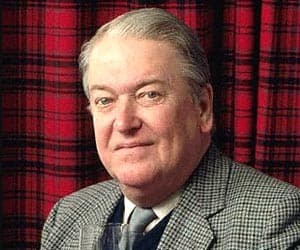
Sir Kingsley William Amis was an English novelist, poet, critic and teacher. He wrote more than 20 novels, six volumes of poetry, a memoir, short stories, radio and television scripts, and works of social and literary criticism. He is best known for satirical comedies such as Lucky Jim (1954), One Fat Englishman (1963), Ending Up (1974), Jake's Thing (1978) and The Old Devils (1986).

Ashley Antoinette
4.6

Mark McDonald
4.4
Luo Guanzhong
4.4
Mia McKenzie
4.3
Dorothy Parker
4.3
Joaquim Maria Machado de Assis
4.3
James Thurber
4.2
Terry Kay
4.2