“The truth, like a river, always finds its way to the sea, no matter how many dams are built against it.”
— A reflection on the eventual triumph of truth amidst censorship and misinformation.


Virginia Evans (2025)
Genre
Fiction
Reading Time
420 min
Key Themes
See below
Sign in to track this book
A distinguished lawyer's life of carefully written letters, both sent and unsent, reveals a past heartbreak, making her confront forgiveness and the power of written words.
Sybil Van Antwerp, a respected lawyer, divorcee, mother, and grandmother, starts most mornings at half past ten by writing letters. These are not just casual notes; they are personal reflections for various people. She writes to her brother, Thomas, sharing daily observations and memories. Her best friend, Eleanor, also receives frequent letters, where Sybil confides her thoughts and feelings. She even writes to public figures like a university president, arguing for her right to audit a literature class, and to authors such as Joan Didion and Larry McMurtry, offering critiques and admiration for their work. Sybil also keeps a long correspondence with one particular person, though these letters are never sent, serving as a private journal of her deepest, unexpressed thoughts.
The most important part of Sybil's letter-writing is the collection of unsent letters to a mysterious person. These letters hold her most painful memories and unresolved feelings, mainly from a traumatic time in her past. Through these unsent communications, the reader slowly understands that Sybil has been dealing with deep hurt and betrayal, an event that has shaped much of her adult life and her reserved nature. She uses these letters to process her feelings, to argue with the past, and to express a grievance she has never fully spoken or resolved with the person involved. Writing, without the pressure of sending, gives her a unique way to find release and reflect.
Driven by a lifelong love for literature and a desire for continued learning, Sybil wants to audit a specific literature class at a local university. However, the university president denies her request, citing policy and age limits. Sybil is determined and begins a formal, persistent correspondence with the president, carefully writing letters that explain her arguments for lifelong learning, the value of experience, and the unfairness of the university's rules. This subplot shows Sybil's sharp mind, her strong will, and her belief that access to knowledge should not be limited by age or formal enrollment, hinting at her resilience in facing more personal challenges.
Sybil's predictable, letter-focused world is suddenly disrupted by actual, sent letters from someone closely connected to her painful past. These communications are not from the person she has been writing to in her unsent letters, but from someone involved in or who witnessed the traumatic event. The content of these new letters forces Sybil to confront the very memories she has carefully cataloged and processed in her private writings. This intrusion from the past reopens old wounds and challenges her long-held views, making it impossible for her to continue living in her carefully built emotional balance. The arrival of these letters acts as the trigger for the novel's main conflict, pushing Sybil to move beyond her internal dialogue.
The unexpected correspondence from her past forces Sybil to deeply re-examine the events that caused her so much pain. The letters provide new context, different perspectives, and perhaps even apologies or explanations that Sybil had never received or considered before. This external input breaks open the protective shell she has built around her grievance. She realizes that the intricate 'puzzle' of her life, as she often thinks of her letters, is incomplete without addressing this core wound. She understands that the unsent letter, the one with her deepest grievances and unspoken pain, needs to be read, and that true healing and moving forward depend on her finding it in her heart to offer forgiveness, not just to the other person, but also to herself.
As the weight of her past becomes too much, Sybil turns to her best friend, Eleanor, for support. Their long friendship, built through years of correspondence, provides a safe space for Sybil to express the renewed pain and confusion these new letters have brought. Eleanor, knowing Sybil's history and her reserved nature, offers a listening ear and gentle guidance. Their conversations, often through letters themselves, explore memory, the burden of holding grudges, and the difficult path to reconciliation. Eleanor's role is important in helping Sybil process her emotions and consider letting go of the anger she has held for so long, providing an outside view on her internal struggle.
Through her introspection and discussions with Eleanor, Sybil gains a deep understanding of her decades-long practice of writing unsent letters. She recognizes that these letters were not just a way to vent or keep her pain, but a crucial tool for her own self-preservation and processing. They allowed her to express her hurt, to analyze the events, and to maintain a sense of control in a situation where she felt powerless. Now, however, she realizes their purpose has changed. The unsent letter, which holds her deepest grievances, must now serve a different function – it must be acknowledged, perhaps even shared, as a step toward true resolution and personal freedom. It represents the story she needs to tell to herself, and potentially to others, to finally heal.
With a new understanding of her past and the purpose of her letters, Sybil begins the difficult process of forgiving. This is not a simple act but a deep internal change. It involves confronting the person from her past, or at least acknowledging their impact, and consciously choosing to release the bitterness she has carried. The story explores the complexities of forgiveness – that it does not erase the past, but frees the present. Sybil's journey includes moments of doubt and renewed pain, but ultimately, it shows her strength and her ability to grow, even in old age. Forgiveness becomes a central theme, showing its power to transform.
Alongside her personal struggles, Sybil finds new intellectual and social engagement by eventually being allowed to audit the literature class, or by finding a similar intellectual outlet. This experience leads her to connect with fellow literature enthusiasts, perhaps forming a small, informal literary group. Here, she shares her insights, discusses literary themes, and finds a sense of belonging among like-minded individuals. This new community offers a refreshing contrast to her solitary letter-writing and highlights the novel's theme of finding comfort and connection through a shared love for literature. It shows Sybil's ability to build new relationships and embrace new experiences, even as she resolves old ones.
As Sybil resolves her past, she reflects on the vast collection of letters she has written throughout her life, both sent and unsent. She sees them as a magnificent, though fragmented, puzzle that tells her life story. Each letter, whether a critique to an author, a complaint to a university president, a confession to Eleanor, or a raw outpouring to her unnamed antagonist, represents a piece of her journey, her thoughts, and her evolving self. She understands that these letters, regardless of their immediate impact, hold deep meaning as a preserved record of a life fully lived, filled with both mistakes and acts of kindness, and ultimately, a testament to the power of the written word.
The Protagonist
Sybil moves from a life of internal processing and guardedness to one of active engagement with her past, ultimately finding the courage to offer forgiveness and embrace new forms of connection.
The Supporting
Eleanor remains a consistent source of support, her role deepening as Sybil grapples with her most profound challenges.
The Supporting
His character serves as a consistent recipient of Sybil's thoughts, showing her enduring familial connections.
The Supporting
Initially an obstacle, the president's eventual concession (or Sybil's alternative path) signifies Sybil's triumph over perceived limitations.
The Antagonist/Mentioned
Their past actions initiate Sybil's internal struggle, and the re-emergence of their story forces Sybil towards resolution and forgiveness.
The novel explores how letters help with self-discovery, remembering, and processing emotions. Sybil's daily writing allows her to examine her past, express her present, and imagine her future. Her unsent letters, in particular, show how writing can be therapeutic, a way to argue with history and voice grievances that cannot be spoken. The arrival of letters from her past further emphasizes this theme, showing how written words can re-ignite dormant emotions and force confrontation. Sybil's belief that her life's story is 'preserved' through her correspondence is central to who she is.
““Imagine, the letters one has sent out into the world, the letters received back in turn, are like the pieces of a magnificent puzzle. . . . Isn’t there something wonderful in that, to think that a story of one’s life is preserved in some way, that this very letter may one day mean something, even if it is a very small thing, to someone?””
At its heart, the novel looks at the difficult journey of forgiveness, especially in old age. Sybil has held onto a deep wound for years, shown in her unsent letters. The unexpected correspondence from her past forces her to re-examine this pain and the possibility of letting it go. The theme explores how forgiveness is not about excusing past wrongs, but about freeing oneself from resentment. Sybil's internal struggle and eventual decision to move toward forgiveness highlight the transforming power of this act, showing that healing can happen even decades after the initial hurt, and that it is essential for moving forward.
““She realizes that the letter she has been writing over the years needs to be read and that she cannot move forward until she finds it in her heart to offer forgiveness.””
Sybil's persistent efforts to audit a university literature class against institutional resistance show the theme of intellectual curiosity and the importance of lifelong learning. Despite her age and accomplished career, Sybil keeps a strong desire to engage with literature and ideas. This pursuit symbolizes the human need for mental stimulation and growth, regardless of life stage. Her battle with the university president highlights the arbitrary barriers that can limit access to knowledge, and her ultimate success (or finding an alternative intellectual community) champions the lasting spirit of inquiry.
““to the president of the university who will not allow her to audit a class she desperately wants to take””
Through Sybil's detailed memories in her letters and the new information from the correspondence from her past, the novel explores how memory is fluid and subjective. Sybil's long-held story of a traumatic event is challenged and enriched by new perspectives, making her re-evaluate what she thought she knew. This theme suggests that personal truths are often incomplete and that understanding requires combining multiple viewpoints. The 'magnificent puzzle' of her life, put together by letters, shows how individual experiences contribute to a larger, more complex truth, and how new information can change one's entire understanding of the past.
““when letters from someone in her past force her to examine one of the most painful periods of her life””
The primary means of character development and plot revelation through Sybil's private correspondence.
The unsent letters Sybil writes are a central plot device. They function as a private journal, allowing the reader direct access to Sybil's innermost thoughts, her pain, and her meticulous dissection of past events. This device builds suspense by gradually revealing the details of her trauma and the identity of the recipient, while also showcasing Sybil's intellectual depth and emotional complexity. The device allows the novel to explore the protagonist's inner world in detail without relying on direct dialogue or an omniscient narrator for her deepest reflections, making her journey of forgiveness more personal and impactful.
An unexpected letter from the past that ignites the central conflict.
The arrival of letters from someone connected to Sybil's painful past serves as the primary catalyst for the novel's central conflict. This device disrupts Sybil's carefully maintained equilibrium, forcing her to confront the unresolved trauma she has processed internally for years. It shifts the narrative from internal reflection to external engagement, compelling Sybil to move beyond her unsent letters and actively seek resolution. The catalyst letter is crucial for initiating Sybil's journey towards forgiveness and reconciliation, transforming her passive rumination into active pursuit of healing.
A recurring metaphor that frames Sybil's life and the piecing together of her experiences.
Sybil's personal metaphor of her life's letters forming a 'magnificent puzzle' is a recurring plot device that helps to structure her reflections and the reader's understanding of her journey. This metaphor emphasizes the fragmented nature of memory and experience, and the ongoing process of making sense of one's life. It underscores the idea that each letter, each event, is a piece contributing to a larger, intricate whole. As Sybil grapples with new information, the metaphor reinforces the idea that the puzzle is never truly complete until all pieces, especially those of forgiveness, are considered.
“The truth, like a river, always finds its way to the sea, no matter how many dams are built against it.”
— A reflection on the eventual triumph of truth amidst censorship and misinformation.
“A photograph can capture a moment, but it takes a story to capture a heart.”
— Discussing the power of narrative beyond mere visual documentation.
“We don't just report the news; we bear witness to history, one heartbeat at a time.”
— A correspondent's personal philosophy on the weight of their profession.
“Fear is a powerful editor, but courage writes the real headlines.”
— Highlighting the internal struggle of reporting dangerous truths.
“Every silence is a story waiting to be told, every shadow a truth yearning for light.”
— An observation on the hidden narratives in oppressed societies.
“The greatest weapon against tyranny isn't a bomb, but a well-placed word.”
— Emphasizing the impact of information and journalism against authoritarianism.
“You can cage the messenger, but you can never cage the message.”
— A defiant statement about the enduring nature of information.
“Compassion isn't a weakness in our line of work; it's the lens through which we truly see.”
— Arguing for the importance of empathy in objective reporting.
“The world needs fewer echoes and more original voices.”
— A call for independent thought and unique perspectives in media.
“To be a correspondent is to live with one foot in the present and the other reaching for the future, always anticipating the next turn of history.”
— A reflection on the forward-looking nature of a correspondent's role.
“Sometimes, the most important stories are found not in the grand pronouncements, but in the quiet whispers of the unheard.”
— Encouraging a focus on marginalized voices and untold stories.
“Ink on paper can be more powerful than a bullet, for it can change minds, not just end lives.”
— Contrasting the lasting impact of journalism with violence.
“Our duty isn't just to report what happened, but to explain why it matters.”
— Defining the deeper purpose of journalistic inquiry beyond mere facts.
“Every deadline is a race against oblivion, a fight to ensure that what matters today isn't forgotten tomorrow.”
— Reflecting on the urgency and importance of timely reporting.
Ready to see how well you understood this book? Take our interactive quiz with 10 questions.

Ashley Antoinette
4.6

Mark McDonald
4.4

Luo Guanzhong
4.4
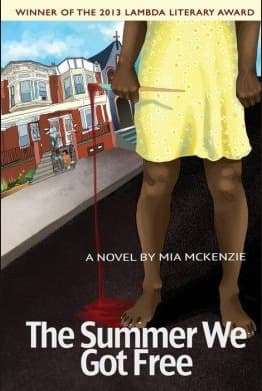
Mia McKenzie
4.3

Dorothy Parker
4.3

Joaquim Maria Machado de Assis
4.3

James Thurber
4.2

Terry Kay
4.2