
Biography coming soon.
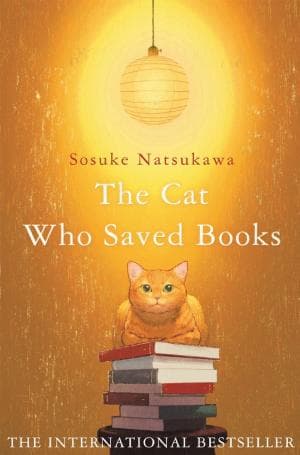
Archivist's Choice
The Cat Who Saved Books
Sosuke Natsukawa (2021)
Genre
Fiction
Reading Time
12 Minutes
Key Themes
See below
Track Your Reading
Sign in to track this book
A shy boy and a talking cat go on magical trips to rescue beloved books from those who would misuse them, discovering the deep power of stories and connection.
Synopsis
After the death of his beloved grandfather and the impending closure of their second-hand bookshop, the reclusive Rintaro Natsuki finds himself lost and alone. His quiet life is upended by the sudden appearance of Tiger, a talking tabby cat, who recruits him for a series of magical adventures. Together, this unlikely duo embarks on three quests to rescue books from individuals who have misunderstood, misused, or trapped them, each journey forcing Rintaro to confront his own anxieties and discover the true value of human connection and the power of literature. Ultimately, Rintaro must undertake a final, crucial rescue on his own, solidifying his transformation from a withdrawn boy into a courageous advocate for books and the stories they hold.
Difficulty
Easy
Pacing
Moderate
Mood
Whimsical, heartwarming, reflective, hopeful
Plot Summary
A Grandfather's Legacy and a Boy's Grief
Rintaro Natsuki, a quiet high school student, finds comfort in his grandfather's old second-hand bookstore, Natsuki Books. He spends his days among the books, finding shelter from the outside world. But his peace ends when his beloved grandfather, the shop's unusual owner, suddenly dies. Rintaro is left alone, sad and facing the hard choice of closing the shop and moving in with an aunt he barely knows. He struggles with his grandfather's legacy and his own shyness, feeling unprepared for the responsibilities now on him. Closing Natsuki Books means the end of an era and losing his only safe place.
Tiger's Grand Entrance
As Rintaro thinks about closing the bookstore, a large, talking tabby cat named Tiger appears. Tiger, clever and wise, says he is a 'guardian of books' and tells a shocked Rintaro that he needs his help. He explains that books are in danger from those who misuse them, and Rintaro, as a true book lover, is the right person to join him on magical quests. Rintaro is doubtful at first, but Tiger's urgent plea draws him in, and he feels a new purpose emerging from his sadness. This meeting begins Rintaro's unusual journey beyond his bookstore.
The First Labyrinth: The Book Hoarder
Rintaro and Tiger start their first adventure, traveling to a strange maze inside the mind of a famous scholar, Mr. Sasuga. Sasuga is proud of his huge book collection, but he keeps them locked away, unread and unshared, seeing them only as trophies to boost his reputation. He believes knowledge should be kept secret and that books are only valuable for being rare and prestigious. Rintaro and Tiger challenge Sasuga's view, arguing that books are for reading, sharing, and inspiring, not for being locked up. With their help, Sasuga starts to understand the true nature of books and how empty his collection is, eventually releasing them.
The Second Labyrinth: The Speed Reader
Their second mission takes Rintaro and Tiger to a harsh publishing executive, Mr. Akita, who promotes speed-reading and mass production. Akita believes books are products, their value based on how fast they can be read and how many copies sell. He supports quick reading, ignoring the importance of deep thought, reflection, and the time it takes to truly understand a story. Rintaro, guided by Tiger, argues that books are not just information but ways to understand, needing patience and careful thought. They question Akita's quick approach, saying that books have a deep effect when read with care, and urge him to change his methods.
The Third Labyrinth: The Book Butcher
The third adventure brings Rintaro and Tiger to a university professor, Ms. Yagihara, who believes in 'efficiency' by breaking books into short summaries and taking out only 'useful' information. She argues that the original text is too much and unnecessary, wanting literature reduced to bullet points and practical uses. Rintaro and Tiger confront her practical view, stating that books have value beyond their summarized content, including their story, art, and feelings. They show how stripping books of their full form lessens their power and beauty, proving that real understanding comes from experiencing the whole work, not just its main points.
A New Perspective and a Growing Bond
Through these journeys, Rintaro starts to become less shy. He gains confidence, learning to speak his mind and defend the value of books. His friendship with Tiger grows, the cat becoming a trusted guide and friend. At the same time, Rintaro begins to talk more with Sayo, his childhood friend and classmate, who often visits him at the bookstore. Sayo's kindness and care help ground him, offering a connection beyond the magical mazes. These experiences help Rintaro, preparing him for challenges in the real world.
Tiger's Revelation and Departure
After the third maze, Tiger reveals his true nature and his link to the bookstore and Rintaro's grandfather. He explains that his role as a guardian is tied to Natsuki Books' spirit and that he can only appear to those who truly value books. With his missions done, Tiger says he must leave, letting Rintaro face the last, most personal challenge alone. This news is bittersweet; Rintaro has grown, but Tiger's departure makes him use his new strength and independence, understanding that the power to save books comes from within himself.
The Fourth Labyrinth: The Empty Heart
Rintaro's last, solo journey takes him into a maze that shows his own heart and his sadness over his grandfather. This maze is not about saving books from outside threats, but from his own despair and fear of letting go. He faces the idea of Natsuki Books closing forever, a choice that feels like betraying his grandfather's memory. This challenge forces Rintaro to deal with his grief, understand his grandfather's legacy, and find the courage to make his own way. It tests his resolve, his belief in himself, and what he learned from Tiger and earlier adventures.
The Grandfather's Message
Inside the fourth maze, Rintaro better understands his grandfather's life and why he ran Natsuki Books. He realizes that his grandfather, despite being quiet, valued human connection and sharing stories. The bookstore was not just a collection of books, but a place to bring people together and inspire empathy. Rintaro understands that his grandfather's legacy is not just about the books, but about the relationships they created. This insight gives Rintaro the clarity and strength to decide the bookstore's future, honoring his grandfather's spirit while embracing his own ideas.
A New Chapter for Natsuki Books
Inspired by his journey and his understanding of his grandfather's legacy, Rintaro bravely decides to keep Natsuki Books open. He realizes the bookstore is more than a place; it's a way to connect and share the lasting power of stories. He asks Sayo for help, inviting her to be part of this new chapter. Together, they start making the shop new, changing it from a quiet refuge into a welcoming place for the community. Rintaro, no longer shy, steps into his role as the new owner, ready to share the magic of books with others, just as his grandfather would have wanted.
Principal Figures
Rintaro Natsuki
The Protagonist
Rintaro transforms from a grieving, reclusive boy into a confident young man who finds his voice and purpose in life, learning to connect with others and champion the true spirit of books.
Tiger
The Supporting
Tiger acts as a catalyst for Rintaro's personal growth, guiding him through challenges until Rintaro is ready to stand on his own, ultimately fulfilling his role as a temporary guardian.
Sayo Yagisawa
The Supporting
Sayo's unwavering support helps Rintaro to overcome his reclusiveness and embrace connection, ultimately becoming a foundational part of his future and the bookstore's new chapter.
Grandfather (Unnamed)
The Supporting
Though deceased, his legacy and the lessons he instilled in Rintaro guide the protagonist's journey, helping him to understand the true meaning of the bookstore and human connection.
Mr. Sasuga
The Antagonist
Sasuga's rigid, possessive view of books is challenged and softened by Rintaro and Tiger, leading him to a nascent understanding of their true value beyond mere collection.
Mr. Akita
The Antagonist
Akita is forced to confront the emptiness of his profit-driven approach to books, gaining a glimmer of understanding about the deeper, more meaningful aspects of reading and publishing.
Ms. Yagihara
The Antagonist
Yagihara's overly analytical and reductive view of books is confronted, leading her to consider the irreplaceable value of a book's complete narrative and emotional integrity.
Themes & Insights
The True Value of Books
The novel explores the true value of books, going beyond their physical form or commercial worth. It argues that books are not just items to collect, facts to pull out, or products to sell quickly. Instead, their value comes from their ability to create empathy, spark imagination, offer comfort, and connect people across time. The story supports deep, thoughtful reading and the way stories can change us personally, showing that books are alive when cherished and understood, not just owned or used.
“Books aren't mere decorations. They're not for showing off to others. They're not tools for self-improvement. Books are alive. They're living things, and they're waiting for you to open them up.”
Overcoming Grief and Finding Purpose
Rintaro's journey is about dealing with deep sadness after his grandfather's death. He starts lost, overwhelmed, and without direction, thinking about closing the bookstore, which represents the end of his safe place. Through his magical adventures with Tiger, Rintaro must face his worries, express his beliefs, and take action. Each maze helps him process different parts of loss and responsibility, leading him to understand his grandfather's legacy better and find his own purpose in continuing it. His personal growth is tied to his mission to save books.
“What makes books so powerful? It's that they have the ability to change people. That's why they're so important.”
The Importance of Connection and Empathy
Even though Rintaro is shy at first, a main idea is the need for human connection and empathy. The novel argues that books, while often read alone, are tools for connection – linking readers to authors, characters, and each other through shared experiences. Rintaro's growth involves learning to step out of his comfort zone, talk with Sayo, and explain his beliefs to others. The 'villains' in the mazes are isolated and lack empathy for books and readers. The book suggests that true wisdom and happiness come from sharing and understanding, not from being alone.
“There are books that save people, and there are books that are saved by people. Books are living things, after all.”
Legacy and Responsibility
The idea of legacy is central to Rintaro's struggle. He inherits Natsuki Books, along with the big responsibility of honoring his grandfather's memory and the store's spirit. At first, this burden feels too heavy, making him consider closing the shop. But through his adventures, he learns that a legacy is not just about keeping the past, but about adapting it and carrying its spirit forward in a meaningful way. He finds that his grandfather's true legacy was not just the books, but the values of care, understanding, and connection the bookstore stood for. Rintaro eventually accepts this responsibility, making it his own.
“A book doesn't end when you close it. It lives on in your heart. You're the one who keeps it alive.”
Plot Devices & Literary Techniques
Magical Realism
Ordinary world infused with fantastical elements.
The novel seamlessly blends the mundane reality of a struggling second-hand bookstore with fantastical elements, most notably the talking cat, Tiger, and the magical labyrinths that Rintaro and Tiger enter. This device allows for allegorical journeys into abstract concepts (like the 'imprisonment' of books) while maintaining a relatable emotional core for Rintaro's personal growth. The magic is presented matter-of-factly, encouraging the reader to suspend disbelief and focus on the deeper philosophical and emotional lessons conveyed through these extraordinary experiences, rather than questioning their literal possibility.
Allegorical Labyrinths
Metaphorical challenges representing different forms of book mistreatment.
The 'labyrinths' are not physical mazes but surreal, metaphorical worlds that Rintaro and Tiger enter. Each labyrinth represents a distinct way in which books are misunderstood, devalued, or mistreated in the modern world: hoarding for prestige, mass-producing for profit, and dissecting for efficiency. These allegories allow the author to explore complex philosophical ideas about the nature and value of literature in a visually imaginative and engaging way. Each challenge forces Rintaro to articulate his beliefs and defend the true spirit of books, contributing directly to his character development and understanding of their power.
The Wise Animal Mentor
A talking cat guiding the protagonist's journey.
Tiger serves as the classic archetype of the wise animal mentor. He is not just a talking cat, but a sage, philosophical guide who initiates Rintaro's quest and provides crucial insights and challenges. His role is to push Rintaro out of his comfort zone, question his assumptions, and help him articulate his own burgeoning wisdom. Tiger's enigmatic nature and occasional bluntness serve to both amuse and enlighten, acting as a catalyst for Rintaro's transformation from a passive observer to an active defender of books and a more confident individual. He embodies the magical, guiding spirit of the bookstore itself.
Critical analysis
Notable Quotes
Quiz
Test Your Knowledge
Ready to see how well you understood this book? Take our interactive quiz with 10 questions.
10
Questions
~5
Minutes
?
Best Score
Key Questions (FAQ)
'The Cat Who Saved Books' is a heartwarming story about a lonely boy named Rintaro who inherits his grandfather's second-hand bookshop. With the help of a talking cat named Tiger, he embarks on magical adventures to save books from those who mistreat them, ultimately discovering his own courage and the profound power of literature.
Similar books

The Prada Plan
Ashley Antoinette
4.6

The Song of the Mockingbird
Mark McDonald
4.4
The Romance of the Three Kingdoms
Luo Guanzhong
4.4

The Summer We Got Free
Mia McKenzie
4.3

The Portable Dorothy Parker
Dorothy Parker
4.3

The Posthumous Memoirs of Brás Cubas
Joaquim Maria Machado de Assis
4.3

The Thurber Carnival
James Thurber
4.2

To Dance with the White Dog
Terry Kay
4.2