“I wasn't scared of the dark. I was scared of what was in it. Or what wasn't.”
— Sunny reflecting on his fears and his brother's absence.

Sign in to track this book
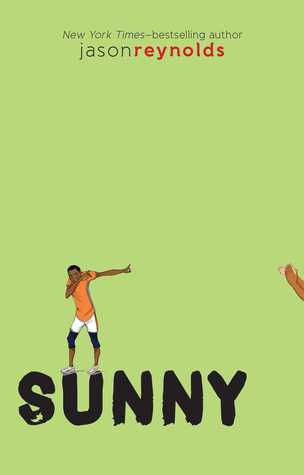
Haunted by the belief he caused his mother's death, Sunny, a track team outcast, finds an unlikely path to self-acceptance by trading his running shoes for the rhythmic, powerful release of the discus throw.
Sunny, whose full name is Sunny "Sunshine" Young, introduces himself. He reveals his inner conflict, feeling his nickname is a cruel joke because he believes he caused his mother's death during childbirth. His father, Darryl, makes this belief worse through his emotional distance and insistence on being called "Darryl" instead of "Dad." Sunny finds comfort, or at least a distraction, in running track, an activity his mother excelled at. He is a natural, always winning races, which seems to be the only thing that earns a quick nod of approval from Darryl. However, Sunny secretly dislikes running, feeling it is a forced tribute rather than a personal passion.
During an important track meet, Sunny is expected to win the mile, just as his mother always did. The pressure from Darryl, who watches from the stands with his usual quiet expression, is huge. However, in a moment of rebellion and self-assertion, Sunny stops running mid-race. He simply walks off the track, leaving his coach, teammates Ghost, Patina, and Lu, and especially Darryl, shocked. This act directly goes against his father's unspoken expectations and publicly states that he will no longer fit into the identity given to him by his mother's memory and his father's grief.
After his dramatic exit from the race, Coach Brody talks to Sunny. Instead of scolding him, Coach Brody, known for his unique insights, calmly asks Sunny what he *wants* to do. Sunny, surprised by the question, says he loves dancing, especially hip-hop. Coach Brody understands that forcing Sunny to run would not work. He doesn't dismiss the idea. Instead, he challenges Sunny to find a way to include his passion for movement and rhythm into a track and field event, keeping him on the team and supporting his unique talents.
Sunny, encouraged by Coach Brody, starts looking into different track and field events. He finds the discus throw, an event that immediately interests him. He sees the smooth, spinning movements, the power, and the release as a form of dance—a "hard-hitting hip-hop ballet." The idea of spinning, building speed, and then letting go appeals deeply to him, both physically and emotionally. This discovery gives him a way forward, allowing him to stay with his friends on the Defenders team while pursuing a sport that feels truly his own.
Training for the discus is hard for Sunny. The technique needs exact timing, balance, and a powerful release. He first struggles with the spin, often losing control or not creating enough force. Coach Brody and even his teammates offer advice, but Sunny's biggest problem is internal. The act of letting go of the discus becomes a symbol for letting go of his guilt and the emotional weight he carries. He realizes that holding on too long, both to the discus and to his past, stops him from reaching his full potential.
Darryl remains emotionally distant, making Sunny call him by his first name and rarely having meaningful talks. Sunny feels a constant need to prove himself, but also deep anger towards his father's inability to connect. He remembers parts of his parents' past, learning that his mother was a lively, loving woman who cared deeply for Darryl. This knowledge makes Sunny's feelings more complicated. He sees his father's grief, though misplaced, as a sign of a deep love he once shared. He begins to understand Darryl's pain, even if he doesn't excuse his behavior.
Using his love for dance, Sunny starts to use music in his discus practice. He pictures the spin and release as a dance move, matching his body to hip-hop beats. This approach not only makes practice more fun but also greatly improves his technique. He finds his flow, his balance, and the explosive power needed for a good throw. This blend of his two passions—dance and a new track event—becomes a strong symbol of his journey toward self-acceptance and finding his own unique rhythm in life.
Coach Brody, sensing Sunny's remaining guilt, has a serious talk with him. He shares his own experiences with loss and stresses that Sunny is not responsible for his mother's death. He explains that life is unpredictable and that grief can appear in many ways, often unfairly. Coach Brody helps Sunny understand that Darryl's distance is a sign of his own unresolved pain, not an accusation against Sunny. This conversation is a turning point, giving Sunny much-needed outside confirmation that starts to break down his deep-seated self-blame.
The day of his first discus competition arrives. Sunny is nervous but also excited. He does a pre-throw dance ritual, focusing his energy. During his throws, he remembers Coach Brody's advice about letting go and sees his movements as a dance. He doesn't win, but he makes a good throw, showing great improvement and new confidence. More importantly, he feels a sense of achievement and real joy, proving to himself that he can succeed on his own terms and in his chosen event.
After the competition, Darryl approaches Sunny. He doesn't offer a big apology or a warm hug, but he does acknowledge Sunny's performance, in his usual quiet way. He might say something like, "Good throw," or simply nod with a hint of pride in his eyes. This small gesture, though not a complete reconciliation, is a significant step. It shows Sunny that his father is starting to see him for who he is now, an individual with his own talents and passions, rather than just a reminder of his lost love. It signals a chance for healing in their relationship.
By the end of the book, Sunny starts to accept his nickname, "Sunshine." He realizes that while life has its sad times, he also has an inner light and a capacity for joy. His discus journey, his talks with Coach Brody, and the subtle change in his father's attitude all help him feel more self-acceptance. He understands that he is not defined by his past or his father's grief, but by his own choices, passions, and the unique rhythm he brings to the world. He is learning to shine, authentically.
The Protagonist
Sunny transforms from a guilt-ridden boy defined by his past into a confident individual who embraces his unique talents and finds peace with his identity and family history.
The Supporting
Initially closed off and grief-stricken, Darryl begins to subtly acknowledge Sunny's individuality and efforts, hinting at a future healing in their relationship.
The Supporting
Coach Brody consistently provides guidance and understanding, remaining a steady, supportive force throughout Sunny's development.
The Supporting
Ghost remains a loyal and supportive friend, offering consistent camaraderie to Sunny.
The Supporting
Patina consistently offers support and friendship to Sunny, acting as a reliable presence.
The Supporting
Lu remains a steadfast and outspoken friend to Sunny, contributing to his support network.
The Mentioned
Her memory evolves from a source of guilt for Sunny to a more nuanced understanding of her life and the love she shared.
The main theme is Sunny's deep guilt over his mother's death and Darryl's unresolved grief. Sunny feels responsible, and his father's emotional distance makes it worse. This shows in Sunny's reluctance to embrace his own identity and his initial, forced running. Coach Brody's wisdom helps Sunny understand that grief is complex and often misdirected, slowly easing his self-blame. The theme explores how people cope with loss and the harm of unaddressed guilt.
“I was born. She died. The equation was simple. And the answer was me. Always me.”
Sunny's journey is about discovering and accepting his true self, separate from others' expectations. He first runs to honor his mother and get his father's approval, but this is not what he truly wants. His decision to stop running and pursue discus, which he links to his love for dance, is a strong act of self-definition. The discus becomes a symbol for finding his own rhythm and 'letting go' of the past, allowing him to embrace his unique talents and personality, finally accepting his nickname 'Sunshine.'
“Maybe what I needed wasn't to run. Maybe what I needed was to dance.”
Coach Brody is an important mentor, offering Sunny guidance, understanding, and a safe place to explore his feelings. Unlike Darryl, Coach Brody actively listens to Sunny and encourages his individuality. The 'newbies'—Ghost, Patina, and Lu—form a supportive group, a found family that provides friendship and a sense of belonging. This network of positive relationships helps Sunny deal with his emotional challenges and gives him the encouragement he lacks at home, which is essential for his growth and healing.
“Sometimes, the only way to figure out what you're supposed to do is to figure out what you're not supposed to do.”
While not a full solution, the book explores the difficult path toward reconciliation, especially between Sunny and Darryl. Darryl's grief has created a gap between them, but Sunny's journey toward self-acceptance subtly affects his father. Darryl's small gestures of acknowledgment at the end suggest a chance for healing and a change in their relationship. The theme suggests that healing is a process, not a single event, and that understanding and empathy can eventually bridge even deep emotional divides.
“He didn't say much. He never did. But he saw me. And that was enough for now.”
Running represents inherited burden, while discus/dance represents self-discovery.
Running symbolizes Sunny's inherited burden and his attempt to live up to his mother's legacy and his father's expectations. It is a forced activity that he secretly resents. In contrast, the discus throw, which Sunny reinterprets as a form of 'hard-hitting hip-hop ballet,' symbolizes his journey of self-discovery and embracing his authentic passions. The act of 'letting go' of the discus directly mirrors his need to release his guilt and emotional baggage, making it a powerful symbol of liberation and finding his own unique rhythm in life.
An ironic nickname that becomes a symbol of internal transformation.
Sunny's nickname, 'Sunshine,' initially serves as a source of irony and internal conflict. He feels it's a cruel joke, given his perceived role in his mother's death and his melancholic inner world. However, as Sunny progresses through his journey of self-acceptance and healing, the nickname transforms into a symbol of his genuine inner light and his capacity for joy. By the end of the book, 'Sunshine' becomes an authentic reflection of his personal growth, representing his ability to shine despite his past.
Provides intimate access to Sunny's guilt, thoughts, and emotional journey.
The story is told from Sunny's first-person perspective, allowing readers direct access to his internal monologue, his deep-seated guilt, his observations of his father, and his evolving understanding of himself. This narrative choice is crucial for conveying the emotional weight he carries and for readers to empathize with his struggles. It highlights his wit, vulnerability, and the unique way he processes the world, making his journey of self-discovery particularly impactful and personal.
The physical act of releasing the discus mirrors emotional release.
The act of 'letting go' is a recurring metaphor throughout the story, particularly in relation to the discus throw. Sunny learns that for a successful throw, he must spin, build momentum, and then precisely release the discus. This physical action directly parallels his emotional journey: he must process his past, build inner strength, and then 'let go' of his guilt, his father's expectations, and the burden of his mother's death. It's a powerful and tangible representation of his psychological liberation.
“I wasn't scared of the dark. I was scared of what was in it. Or what wasn't.”
— Sunny reflecting on his fears and his brother's absence.
“Sometimes you gotta run so you can fly.”
— Coach encouraging Sunny during a track practice.
“My dad always said, 'The only thing you can control is how you react.'”
— Sunny recalling his father's advice.
“It's hard to be sad when you're running. Or maybe it's easier to be sad when you're running, because then you can just let it all out.”
— Sunny contemplating the emotional release of running.
“Grief is a tricky thing. It makes you feel like you're shrinking, even when the world around you is getting bigger.”
— Sunny's internal thoughts about his grief.
“The track was my church, my playground, my therapist. It was where I could be myself, or at least, the self I wanted to be.”
— Sunny describing his relationship with the running track.
“Silence can be loud too, especially when it's full of unspoken words.”
— Sunny observing the quiet tension between his family members.
“You can't outrun your past, but you can run towards your future.”
— Coach giving Sunny advice about moving forward.
“Sometimes the best way to help someone is just to be there. Not to fix anything, but just to be.”
— Sunny realizing the importance of presence in friendship.
“A good story isn't about what happens, it's about how you tell it.”
— Sunny reflecting on the stories people tell about themselves.
“The hardest part about growing up is realizing that not everything gets fixed. Some things just... are.”
— Sunny's maturing understanding of life's challenges.
“Every step you take is a choice. A choice to keep going, or a choice to stop.”
— Sunny's internal monologue during a difficult race.
“My brother might be gone, but his rhythm, his beat, it was still in me. And I could run to it.”
— Sunny finding a way to connect with his deceased brother through running.
Ready to see how well you understood this book? Take our interactive quiz with 10 questions.
Biography coming soon.

Ashley Antoinette
4.6

Mark McDonald
4.4
Luo Guanzhong
4.4

Mia McKenzie
4.3

Dorothy Parker
4.3

Joaquim Maria Machado de Assis
4.3
James Thurber
4.2

Terry Kay
4.2