“We all make our own rat bohemia.”
— A reflection on creating one's own world or subculture, even within a marginalized existence.

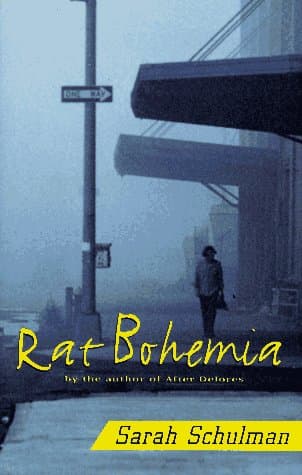
Sarah Schulman (1995)
Genre
Fiction
Reading Time
240 min
Key Themes
See below
Sign in to track this book
In 1990s New York City, a rat exterminator, a plant-waterer, and an HIV-positive writer form a queer family, facing societal indifference and loss with honesty and wit.
The novel opens with Rita Mae, a lesbian rat exterminator in New York City. She lives independently but feels a deep loneliness and has a history of family abandonment. Her work involves confronting the city's hidden infestations, a symbol for its residents' unseen struggles. She thinks about her difficult relationship with her mother and the societal pressures she faces as a queer woman. This first section shows her practical yet thoughtful nature and her connection to the city's 'rat bohemia,' where survival often means facing difficult truths.
Killer, another main character and Rita Mae's friend, is introduced through her careful work watering plants for clients. Her routine gives her a sense of control and purpose, contrasting with her chaotic personal life. She is fiercely loyal to her friends but also carries her own emotional weight, especially from past relationships and a constant feeling of displacement. Killer's observations of the various apartments she tends to show glimpses into the lives of New Yorkers, highlighting the superficiality and hidden worries beneath polished surfaces. Her character embodies quiet strength and a desire for stability.
David, the third friend, is an HIV-positive writer trying to understand his life and the epidemic around him. He is often in his apartment, writing or thinking about his friends' lives and the many people lost to AIDS. His writing helps him cope and remember his community's experiences. David's thoughts are often sad, but also sharp and empathetic. He is the group's intellectual and emotional center, always trying to express the unspoken truths of their existence.
A repeated theme in the novel is the friends' gatherings, often over meals at Rita Mae's apartment or a local diner. These scenes are important for character and theme development. During these informal meetings, Rita Mae, Killer, and David discuss their daily problems, past traumas, and hopes. They offer each other constant support, a sharp contrast to the judgment they often face from the outside world. These conversations are raw, honest, and often include dark humor, showing their unique bond and shared strength against adversity.
Rita Mae tries to reconnect with her mother, a relationship burdened by past misunderstandings and rejection. The meeting is tense and reveals Rita Mae's deep emotional wounds from childhood abandonment. Her mother struggles to accept Rita Mae's identity and lifestyle, leading to a painful but necessary confrontation. This scene highlights Rita Mae's ongoing struggle for family acceptance and her eventual realization that true family can be found outside biological ties. It also underlines the theme of chosen family versus biological family in the queer community.
Killer's story explores her past, specifically a past relationship that ended badly. This reflection explains her guarded nature and difficulty with intimacy. The memories are bittersweet, showing her capacity for deep affection along with the pain of betrayal and loss. This look into her past helps the reader understand her current motivations and her strong loyalty to Rita Mae and David. It also touches on the complexities of lesbian relationships in a society that often marginalizes them, adding another layer to her personal struggles.
David's journey as a writer leads him to share his work at public readings. These events are both frightening and freeing for him. His stories, often moving and direct, connect with audiences who have experienced similar losses and struggles. Through his art, David not only processes his own grief and fear but also voices his community's shared experience. These readings become moments of shared vulnerability and unity, confirming the power of storytelling as a way to survive and connect during widespread suffering.
The AIDS epidemic is a constant, threatening presence throughout the novel, shaping the characters' daily lives and their views of the future. David's HIV status is central, but the impact extends to Rita Mae and Killer, who have seen many friends and acquaintances die from the disease. The characters deal with survivor's guilt, profound grief, and society's indifference or hostility toward those affected. The epidemic emphasizes life's fragility and strengthens their chosen family bonds as they navigate a world often indifferent to their suffering.
Rita Mae's job as a rat exterminator gains symbolic meaning throughout the novel. Initially seen as a practical, if unusual, job, it becomes a symbol for confronting and removing hidden problems, both literal and metaphorical. She sees rats not just as pests but as creatures driven by survival, mirroring her own community's struggles. Her work forces her to confront decay and hidden realities, which she processes through her unique philosophical view. This part of her character highlights her grounded nature and her ability to find meaning in unexpected places.
As the story progresses, the bond between Rita Mae, Killer, and David deepens, becoming the novel's emotional center. They consistently support each other, offering practical help, emotional comfort, and acceptance. This chosen family unit provides a refuge from a world that often rejects them. Their shared experiences of marginalization and loss create an unbreakable connection, proving that family is defined not just by blood but by loyalty, love, and understanding. This theme ends with a strong statement about their collective strength and ability to endure.
David's health is a recurring concern, with periods of severe illness followed by moments of relative stability. These changes show how uncertain his life is and the lives of many in his community. Despite the physical toll, David's spirit remains strong. He continues to write, observe, and engage with the world, refusing to let his illness define him or lessen his creativity. His persistence during such overwhelming challenges shows human endurance and the will to create meaning.
Through her interactions with Rita Mae and David, Killer begins to face her own emotional barriers. She slowly allows herself to be more vulnerable, sharing deeper insights into her past and her fears. This process of self-acceptance is slow and difficult but ultimately freeing. Her steady loyalty to her friends provides the safe space she needs to explore these vulnerabilities. Killer's story shows the healing power of real connection and the courage it takes to confront one's own emotional past, even when it's painful.
Rita Mae's observations as an exterminator often lead to deep thoughts on survival. She sees rats as adaptable, strong creatures, mirroring her own community's resourcefulness during hardship. She considers the hidden lives and struggles of all beings, finding a strange connection with the very pests she eliminates. These thoughts highlight her unique perspective on life and death, and her ability to find dignity and meaning in the struggle for existence, reinforcing the idea of 'rat bohemia' as a place of both squalor and fierce life.
Toward the novel's end, the three friends share a quiet, meaningful moment of unity. It is not a grand solution, but a renewed commitment to each other and their shared life in the 'rat bohemia.' They acknowledge the ongoing struggles, the pain of loss, and societal indifference, but they also celebrate their strength, their chosen family, and their capacity for joy and love. This scene captures the novel's main message: that even in the darkest times, connection, honesty, and defiance can be a strong source of strength and hope.
The novel ends not with a neat conclusion, but with a sense of continuing life in the complicated 'rat bohemia' of New York City. The characters keep navigating their lives, facing new challenges and celebrating small victories. The story leaves the reader with the impression that their stories, and those of their community, are ongoing. It emphasizes the lasting spirit of queer individuals who, without traditional support, create new families and new ways of living, finding truth and beauty amid hardship and loss. The city itself remains a character, a backdrop for their defiance and strength.
The Protagonist
Rita Mae moves from a place of internalizing past abandonment to a stronger acceptance of her chosen family and her unique identity.
The Protagonist
Killer gradually opens up and sheds some of her emotional armor, embracing greater vulnerability and self-acceptance through her friendships.
The Protagonist
David uses his writing to process his grief and fears, transforming personal suffering into shared understanding and resilience.
The Supporting
Her brief appearance reinforces Rita Mae's journey towards finding acceptance outside of traditional family structures.
The Mentioned
N/A, they are static representations of the outside world.
The Mentioned
N/A, they are symbolic entities.
The Mentioned
N/A, they serve as a catalyst for the living characters' emotional arcs.
The Supporting
The city remains a constant, reflecting the characters' struggles and resilience.
The novel deeply explores chosen family as a vital source of support and love for people abandoned or rejected by their biological families, especially within the queer community. Rita Mae's difficult meeting with her mother, who cannot accept her identity, sharply contrasts with the strong loyalty and deep understanding shared between Rita Mae, Killer, and David. Their shared meals and conversations are not just social gatherings, but essential rituals that strengthen their bond, creating a safe place from a world that often marginalizes them. This theme shows how, without traditional family acceptance, individuals create new, equally valid, and often stronger, family networks based on shared experience and mutual respect.
“You picked your family, not your blood. That's how it worked now.”
The constant presence of the AIDS epidemic is central to the novel, shaping the characters' lives, fears, and relationships. David's HIV status and the frequent mention of 'Friends Lost to AIDS' highlight the deep grief and trauma experienced by the queer community. The epidemic is not just a background element; it is an active force that increases the characters' need for connection and truth. It drives David's writing, serving as an attempt to remember those lost and to express the shared suffering. This theme appears in moments of quiet despair, strong resistance, and a deep understanding of life's fragility, pushing the characters to live honestly and value their bonds.
“Every time someone died, a piece of the world went with them, and you just had to learn to live with the holes.”
A central theme is the constant search for truth and honesty, both with oneself and with others, in a world that often encourages denial or superficiality. Rita Mae's job as an exterminator, dealing with hidden infestations, symbolizes confronting uncomfortable truths. The friends' conversations are marked by a raw, direct honesty about their struggles, fears, and past traumas. David's writing directly tries to express these truths, even when painful. This commitment to honesty is a survival method, building real connection and allowing the characters to process their experiences without pretense, leading to greater self-acceptance and stronger bonds within their chosen family.
“There was no point in lying, not to each other. They'd seen too much.”
The novel highlights the remarkable strength and adaptability of marginalized communities, especially queer people navigating a hostile or indifferent society. The 'rat bohemia' itself symbolizes a place where those cast out find ways to survive and even thrive. Rita Mae's thoughts on rats as survivors mirror her community's resourcefulness during hardship. Despite facing societal prejudice, family rejection, and the devastation of the AIDS epidemic, the characters show a strong will to persist, find joy, and create meaning. Their chosen family unit shows this strength, demonstrating how collective power and mutual support help individuals overcome great adversity.
“They were the rats of the city, living in the cracks, but they were alive.”
New York City is not just a setting but a dynamic character that deeply affects the lives of Rita Mae, Killer, and David. It is both a harsh, indifferent environment and a vibrant, though often dangerous, sanctuary for the marginalized. The city's vastness, its hidden areas, and its diverse residents reflect the characters' own complexities and their search for identity. It provides the background for their struggles and victories, shaping their experiences of loneliness, connection, and survival. The 'rat bohemia' captures the city's dual nature: a place of dirt and neglect, but also a fertile ground for fierce life, unique beauty, and deep human connection.
“The city was a million small rooms, and in each one, a story was being lived, whether anyone saw it or not.”
Rats symbolize the marginalized, resilient inhabitants of the city.
Rita Mae's profession as a rat exterminator allows for a consistent and powerful metaphor throughout the novel. Rats represent the unseen, unwanted, and yet fiercely persistent populations of New York City. They mirror the queer community's experience of being marginalized, living in the 'cracks' of society, and having to be resourceful to survive. Rita Mae's observations about rats' adaptability and survival instincts are directly applied to her own life and the lives of her friends, highlighting their resilience and the dignity in their struggle for existence. The metaphor elevates the mundane into the philosophical, underscoring the novel's core themes of survival and chosen family.
A collective 'we' voice that represents the community's shared experience.
While primarily focusing on the individual perspectives of Rita Mae, Killer, and David, the novel often employs a subtle, implied first-person plural narration. This 'we' voice speaks for the larger queer community, particularly those affected by the AIDS epidemic and societal abandonment. It fosters a sense of collective experience, grief, and resilience, binding the individual stories into a larger communal narrative. This device emphasizes the idea of chosen family and the shared identity of those living in 'rat bohemia,' making the characters' struggles feel universal within their specific context and strengthening the thematic focus on community and solidarity.
Deep dives into characters' thoughts and feelings, revealing their inner worlds.
The novel heavily relies on the internal monologues and stream-of-consciousness of its main characters, particularly Rita Mae and David. This device allows the reader intimate access to their deepest fears, philosophical ponderings, past traumas, and hopes. It reveals the complex emotional landscapes beneath their outward appearances, showcasing their vulnerability and intelligence. For David, it's a way to process his illness and grief; for Rita Mae, it's how she makes sense of her unconventional life and past abandonment. This technique creates a strong sense of empathy and authenticity, drawing the reader deeply into their subjective experiences and reinforcing the novel's theme of honesty.
New York City is personified as a character that shapes the lives of its inhabitants.
New York City functions as more than just a setting; it is a living, breathing entity that interacts with and influences the characters. Described with its own rhythms, sounds, and hidden corners, the city reflects the characters' inner states and outer struggles. It is both a source of alienation and a crucible for forming profound connections. The city's indifference forces the characters to rely on each other, while its vastness offers a kind of anonymity that allows them to forge their own identities. This personification deepens the sense of place and underscores the idea that environments can be powerful forces in human lives.
“We all make our own rat bohemia.”
— A reflection on creating one's own world or subculture, even within a marginalized existence.
“Sometimes you have to invent your own family.”
— Highlighting the importance of chosen family for those who may not find support in biological relatives.
“The city was a series of rooms, each with its own specific drama.”
— Describing the fragmented, yet intensely personal, experiences within New York City.
“Love is not a fixed thing, it's a negotiation.”
— A pragmatic view of romantic relationships, emphasizing ongoing effort and compromise.
“To be queer was to be an expert in reinvention.”
— Connecting queer identity with the necessity and skill of constantly redefining oneself in a heteronormative world.
“Grief is not a private matter when it's caused by public policy.”
— A potent statement on the political dimension of personal suffering, especially in the context of the AIDS crisis.
“We were all just trying to get by, and getting by was a full-time job.”
— Reflecting on the daily struggle for survival and stability, particularly for marginalized individuals.
“Memory isn't a straight line. It's a spiral.”
— Describing the non-linear and cyclical nature of memory, how past events can resurface and be reinterpreted.
“There's a thin line between paranoia and foresight when you're living on the margins.”
— Highlighting the heightened awareness and caution necessary for those in vulnerable positions.
“The past doesn't just recede; it accumulates.”
— Emphasizing how past experiences and traumas build upon each other, shaping the present.
“Even in the darkest times, there were moments of unexpected joy.”
— A testament to finding resilience and small pleasures amidst hardship and suffering.
“Friendship was the scaffolding that held everything up.”
— Underscoring the vital role of platonic relationships and community support.
“To be seen, truly seen, was a rare and precious thing.”
— Reflecting on the longing for recognition and understanding, especially for those often overlooked.
Ready to see how well you understood this book? Take our interactive quiz with 10 questions.
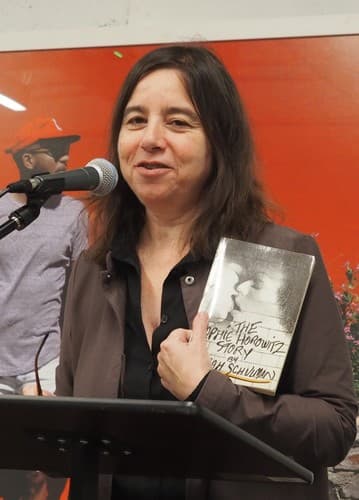
Biography coming soon.

Ashley Antoinette
4.6

Mark McDonald
4.4
Luo Guanzhong
4.4
Mia McKenzie
4.3
Dorothy Parker
4.3

Joaquim Maria Machado de Assis
4.3

James Thurber
4.2

Terry Kay
4.2