“It was impossible to be unhappy while eating a cream bun.”
— Fiona's simple pleasure in food, reflecting a broader theme of finding joy in small things.


Maeve Binchy (2004)
Genre
Relationships / Romance
Reading Time
600 min
Key Themes
See below
Sign in to track this book
In a sun-drenched Greek village, four strangers, scarred by their pasts, forge an unexpected family after a fiery tragedy, finding solace and surprising new directions for their lives under the watchful eyes of locals.
Fiona, an Irish nurse, arrives in Aghia Anna, Greece, seeking refuge after her fiancé, Declan, left her for her best friend. She finds work at the local clinic and a room in the village. At the same time, Thomas, a Californian academic, comes to Greece after a painful divorce from his wife, Sarah, and a career crisis. Elsa, a German television presenter, is fleeing a scandal involving a married politician and a subsequent professional downturn. David, a shy English teenager, is on a gap year, dealing with the recent death of his beloved grandmother and a strained relationship with his parents. They each find their way to Andreas's taverna, a central gathering spot overlooking the village and the sea, though they are initially isolated in their individual struggles.
Fiona, Thomas, Elsa, and David begin to frequent Andreas's taverna, drawn by its welcoming atmosphere and the old man's quiet wisdom. They are initially distant, each lost in their own thoughts. One evening, as they are all at the taverna, a pleasure steamer in the harbor catches fire, erupting into an inferno. The villagers rush to help, and the four strangers are thrust into the chaotic scene, witnessing the tragedy firsthand. This shared traumatic experience, seeing death and destruction, forces them to interact and begin to form a bond, breaking their self-imposed isolation. Andreas, the taverna owner, organizes the initial response and comforts the shocked witnesses.
After the boat fire, Fiona, Thomas, Elsa, and David are drawn together. They gather at Andreas's taverna to process what they have seen, sharing their shock and grief. This shared vulnerability begins to chip away at their individual defenses. Fiona's nursing skills prove invaluable in tending to minor injuries among the villagers, earning her respect. Thomas, usually reserved, finds himself offering comfort. Elsa, typically self-absorbed, shows genuine concern for others. David, the youngest, finds a sense of belonging he had not experienced before. Their conversations extend beyond the tragedy, slowly revealing glimpses of their personal histories and the reasons they came to Aghia Anna, though still guarding their deepest secrets.
The group meets Vonni, a middle-aged Irish woman who has lived in Aghia Anna for many years and is well-integrated into the community. Vonni, with her practical wisdom, no-nonsense attitude, and understanding of human nature, becomes a central figure in their lives. She observes their struggles and, without being intrusive, offers guidance, a listening ear, and often a much-needed dose of reality. She encourages them to confront their pasts and make peace with their present circumstances. Vonni's home becomes another safe haven where they can relax and share their stories, feeling less alone in their journeys. She helps Fiona navigate village politics and provides a stable presence for David.
Fiona, initially consumed by the betrayal of her fiancé Declan and best friend, slowly begins to heal in Aghia Anna. She dedicates herself to her work at the local clinic, finding satisfaction in helping the villagers, especially the elderly and children. She forms a close bond with Vonni, who helps her understand that her worth is not tied to Declan's approval. Fiona also develops a tentative romantic interest in Thomas, finding comfort and intellectual stimulation in his company. She starts to realize that her previous life was perhaps not as perfect as she believed and that new possibilities await her, allowing her to forgive herself and begin to move on from the past.
Thomas, haunted by his failing marriage and a sense of academic stagnation, finds himself re-evaluating his entire life in Greece. He initially seeks solitude but is gradually drawn into the group's camaraderie. Through conversations with Fiona and Vonni, he begins to confront his own role in his divorce and the intellectual pride that had isolated him. He is drawn to Fiona's kindness and practicality, a stark contrast to his previous relationship. The simplicity of life in Aghia Anna and the real-world problems faced by its inhabitants provide a fresh perspective, making him question the value of his purely academic pursuits and consider a more grounded existence.
Elsa, initially the most guarded and image-conscious of the group, slowly begins to shed her professional facade. The scandal that drove her to Aghia Anna forced her to confront the emptiness of her celebrity life. In Greece, away from constant scrutiny, she is drawn to the genuine connections forming around her. She learns to be less judgmental and more empathetic, particularly towards David. Vonni's straightforward advice helps her see beyond her superficial concerns. Elsa starts to appreciate the simple pleasures of life and the value of true friendship, realizing that her television career, while glamorous, had left her emotionally unfulfilled. She even considers new career paths that are more meaningful.
David, the shyest member of the group, blossoms under the care and attention of the others. The death of his grandmother had left him adrift, and his parents' inability to understand his grief exacerbated his feelings of isolation. In Aghia Anna, he finds surrogate family figures in Fiona, Thomas, and especially Elsa, who takes a maternal interest in him. Andreas also provides a steady, grandfatherly presence. David learns practical skills, helps around the taverna, and starts to engage with the world around him. His confidence grows, and he begins to articulate his feelings and desires, moving past his shyness and finding his own voice. He discovers a passion for photography, capturing the beauty of the village.
Just as the group starts to find peace and purpose in Aghia Anna, elements from their pasts begin to intrude. Fiona's ex-fiancé, Declan, contacts her, expressing regret and hinting at a desire to reconcile. Thomas receives news about his ex-wife, Sarah, and the potential sale of their shared property, forcing him to revisit their painful history. Elsa's former professional contacts reach out with new opportunities, tempting her back to her old life. David's parents, concerned about his long absence, plan a visit, threatening his newfound independence. These intrusions force each character to confront whether they truly want to return to their old lives or embrace the new paths they are forging in Greece.
As the summer draws to a close, each character makes decisions. Fiona definitively closes the door on Declan, realizing she has outgrown that relationship and is ready for a future with Thomas. Thomas decides to leave academia, finding more meaning in his connection with Fiona and the simple life. Elsa, after deliberation, declines the offers from her old career, choosing to stay in Greece and explore a more fulfilling life, perhaps even pursuing photography with David. David, having gained confidence and a clearer sense of self, prepares to return home, ready to face his parents and make his own choices about his future. The group, though facing eventual separation, celebrates their bonds.
Fiona and Thomas decide to stay in Aghia Anna, committing to a future together. Fiona continues her work at the clinic, and Thomas finds a way to apply his intellect in a practical, community-focused manner. Elsa remains in the village, exploring her artistic side and contributing to the local community, finding happiness away from the spotlight. David returns to England, but with new maturity, confidence, and a clear vision for his future, including pursuing his passion for photography. While the original foursome eventually disperses, their time in Aghia Anna and the bonds they formed, with help from Andreas and Vonni, have transformed each of them, setting them on paths towards happiness and self-discovery. They leave Aghia Anna not as the same broken individuals, but as people who have found healing and purpose.
The Protagonist
Fiona transforms from a heartbroken and insecure woman to a confident, self-assured individual who finds new love and purpose.
The Protagonist
Thomas moves from academic detachment and marital despair to embracing emotional connection and a more grounded, meaningful life.
The Protagonist
Elsa transforms from a self-absorbed, image-driven celebrity to a more empathetic, genuine individual seeking a fulfilling life beyond fame.
The Protagonist
David evolves from a shy, grieving boy to a confident young man with a clear sense of self and purpose.
The Supporting
Vonni serves as a catalyst for the main characters' growth, remaining a steadfast source of wisdom and support.
The Supporting
Andreas remains a consistent, wise presence, providing a stable anchor for the characters' transformations.
The Mentioned
Declan's actions initiate Fiona's journey, and his later attempts at contact solidify her growth and independence.
The Mentioned
Sarah's past relationship with Thomas serves as a backdrop for his emotional healing and re-evaluation of his values.
The central theme is the characters finding healing from past wounds and seeking redemption for their mistakes. Fiona heals from heartbreak, Thomas from marital and professional disillusionment, Elsa from scandal and superficiality, and David from grief and isolation. Aghia Anna is a sanctuary where they can confront their pasts and redefine their futures. The shared tragedy of the boat fire forces them to acknowledge their common humanity and begin emotional recovery, guided by the wisdom of Vonni and Andreas. Each character ultimately finds a form of redemption, not necessarily by returning to their old lives, but by building new, more authentic ones.
“Sometimes you have to go a long way to find out where you truly belong.”
The novel emphasizes how human connection and a supportive community are vital for personal growth. Initially isolated, the four main characters are drawn together by a shared traumatic event and gradually form deep bonds. The village of Aghia Anna, with its close-knit community and figures like Andreas and Vonni, provides a nurturing environment. This sense of belonging allows the characters to open up, share their vulnerabilities, and receive the support needed to face their challenges. It contrasts sharply with the isolation they felt in their previous lives, highlighting that true healing often happens within a network of caring individuals.
“It was strange how quickly strangers could become family when you truly needed them.”
Each character initially arrives in Aghia Anna seeking an escape from their problems. Fiona is escaping betrayal, Thomas a failed marriage and career, Elsa a public scandal, and David grief and family issues. However, the narrative shows that true healing does not come from merely escaping, but from confronting the underlying issues. The quiet solitude of Greece eventually forces them to look inward. With the gentle push from Vonni and the support of their new friends, they move from avoidance to active confrontation of their pasts, leading to genuine personal transformation rather than just temporary relief.
“You can run from a place, but you can't run from yourself.”
The characters' journeys are deeply intertwined with self-discovery. Away from the pressures and expectations of their former lives, they have the space to re-evaluate who they are and who they want to be. Fiona redefines her identity beyond her relationship, Thomas reconsiders his intellectual pursuits, Elsa strips away her celebrity facade, and David finds his voice and passions. Greece is a place where their true selves emerge, unburdened by past roles and societal expectations. They learn that identity is not fixed but can be reshaped through experience, reflection, and new relationships.
“Sometimes you had to lose everything to find out what truly mattered.”
Andreas's taverna serves as the primary meeting place and symbol of community.
Andreas's taverna, perched high above Aghia Anna, functions as more than just a place to eat and drink. It is the central hub where all the main characters first meet, where they bond over the shared tragedy, and where many of their deepest conversations take place. It symbolizes community, stability, and a safe haven. The taverna's elevated position also offers a metaphorical 'overview' of their lives and the village below, allowing for reflection and perspective. It facilitates the casual interactions that gradually deepen into profound friendships, making it crucial for the characters' emotional development.
A shared traumatic event that forces the characters to connect.
The pleasure steamer catching fire in the harbor is a pivotal plot device. This sudden, traumatic event immediately shatters the characters' individual isolation and forces them to interact and rely on each other. It creates a powerful shared experience that bypasses their initial defenses and superficialities. The shock and collective effort to respond to the tragedy forge an instant, albeit raw, bond between the strangers. It acts as a catalyst, accelerating the formation of their friendships and compelling them to confront the fragility of life, inadvertently preparing them to face their own personal crises.
Aghia Anna provides a tranquil, transformative backdrop for healing.
The setting of Aghia Anna, a small, idyllic Greek village, is more than just a backdrop; it is an active plot device. Its tranquility, natural beauty, and slower pace of life offer a stark contrast to the chaotic and emotionally draining lives the characters left behind. The simplicity of village life, the warmth of the local community, and the ever-present sea provide a therapeutic environment that facilitates healing and introspection. It allows the characters to shed their old identities and embrace a simpler, more authentic existence, free from the pressures of their previous worlds. The 'rain and stars' of the title evoke both the beauty and the melancholic introspection of the setting.
An expatriate who offers guidance and a different perspective.
Vonni serves as a classic wise mentor figure. As an Irish expatriate who has successfully integrated into Greek life, she offers a unique blend of cultural understanding and practical wisdom. She does not directly solve the characters' problems but provides insight, a listening ear, and often a gentle, firm push towards self-awareness. Her presence allows the characters to articulate their struggles and receive non-judgmental advice, helping them navigate their emotional landscapes and make crucial decisions. She embodies the possibility of finding a new life and belonging, inspiring the others through her own example.
“It was impossible to be unhappy while eating a cream bun.”
— Fiona's simple pleasure in food, reflecting a broader theme of finding joy in small things.
“Life had a way of bringing you back to where you were meant to be.”
— Elsa reflecting on her journey back to Greece, highlighting destiny and belonging.
“Sometimes the greatest gifts are the ones you don't even know you need.”
— Andreas's realization about the unexpected friendships and support he finds.
“You can't choose your family, but you can choose your friends, and sometimes they're more family than your own.”
— David's thoughts on the close bonds formed among the strangers in Greece.
“The past is gone, you can't change it, but you can certainly learn from it.”
— Thomas's advice to Fiona about moving forward from past mistakes.
“Love isn't about perfection; it's about finding someone who understands your imperfections.”
— Fiona's evolving understanding of what a true loving relationship entails.
“Everyone has a story, and if you listen, you might just learn something about yourself.”
— Elsa's realization about the richness of the lives around her and the power of empathy.
“It's never too late to start over, to reinvent yourself, to find a new path.”
— Several characters embody this idea as they all seek new beginnings in Greece.
“The beauty of a place isn't just in its scenery, but in the people who inhabit it.”
— David's growing appreciation for the Greek island beyond its initial tourist appeal.
“Sometimes you have to let go of what you think you want to find what you truly need.”
— Fiona's journey of letting go of her old life and embracing new possibilities.
“A shared meal has a way of breaking down barriers and building bridges.”
— The communal dinners at Andreas's restaurant, fostering connection among the diverse group.
“The most important journey you'll ever take is the one within yourself.”
— Elsa's internal growth and self-discovery throughout her time on the island.
“Kindness is a language that the deaf can hear and the blind can see.”
— The acts of generosity and support shown among the characters, often without words.
“Home isn't a place, it's a feeling, a connection to people who care about you.”
— The characters finding a sense of home and belonging in their new community.
Ready to see how well you understood this book? Take our interactive quiz with 10 questions.
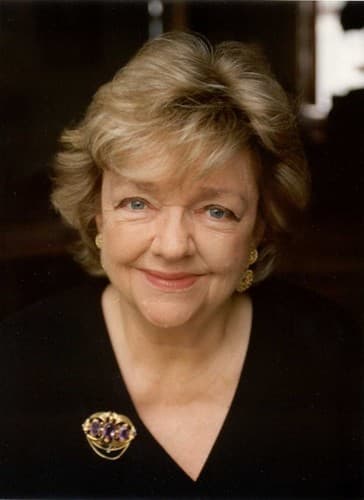
Biography coming soon.