BookBrief
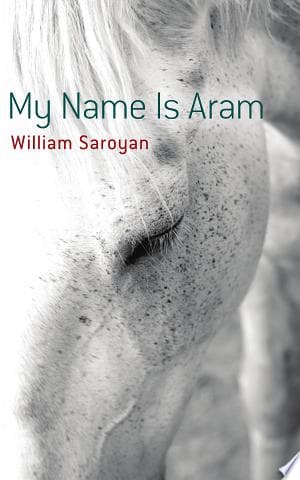
My Name Is Aram cover
Archivist's Choice

My Name Is Aram

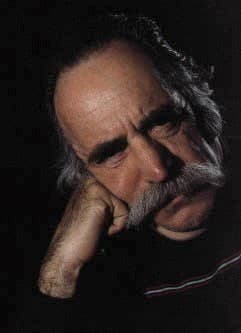
William Saroyan (2013)

Genre

Fiction

Reading Time

12 Minutes

Key Themes

See below

Track Your Reading

Sign in to track this book

Synopsis

Set in the early 20th century, "My Name Is Aram" is a collection of fourteen interconnected short stories narrated by Aram Garoghlanian, a young Armenian-American boy growing up in Fresno, California. Each story offers a charming and often humorous glimpse into the lives of his extended immigrant family and the diverse community around them. From his eccentric uncles and wise grandmothers to various townspeople, Aram recounts their dreams, struggles, and peculiar adventures, painting a vivid picture of Armenian culture adapting to American life, all seen through the innocent yet observant eyes of a boy coming of age.
Difficulty
Easy
Pacing
Moderate
Mood
Nostalgic, heartwarming, humorous, gentle, reflective

Plot Summary

The Daring Young Man on the Flying Trapeze

The book opens by introducing Aram's grandfather, a man of big ideas and even bigger, often impractical, plans. He decides to buy a trapeze and set it up in the backyard, announcing he will become a famous aerialist. Despite his age and inexperience, he practices with fierce, if clumsy, effort. His family watches with amusement, embarrassment, and affection. The inevitable happens: during a particularly ambitious swing, he falls. Undeterred, he blames the failure on a faulty trapeze and moves on to his next grand idea, showing his strong spirit and the family's tolerant, often amused, acceptance of his quirks.

The Fifty-Yard Dash

This story introduces Uncle Khosrove, a man whose catchphrase, 'No matter. Pay no attention to it,' is his response to any problem or big event. Aram is a young boy, and his athletic cousin, nicknamed 'The Fifty-Yard Dash,' is a local school sports star. During a race, the cousin is tripped and injured, causing a commotion. When the family hears the news, Uncle Khosrove, as usual, dismisses the incident with his refrain. This scene highlights the family's different reactions to life's challenges, with Khosrove representing a calm, almost detached, attitude that both frustrates and amuses those around him, especially compared to Aram's youthful worries.

A Journey to Paris

Uncle Garro is restless, always dreaming of travel and adventure, especially a trip to Paris. He often announces he is leaving soon, to the frustration of his more settled family members. They try to keep him home, from asking him about family duties to offering him small business ventures. Each time, Garro gives in to his desire to travel, only to return later, often broke but with new stories and an undiminished spirit. This chapter explores the tension between individual freedom and family expectation, and the complex love that binds a family despite their different goals and ways of life.

The Presbyterian Choir Boys

Aram, as a young boy, is drawn to the local Presbyterian church, not for religion, but for the chance to sing in the choir and perhaps for the newness of it. His family, being Armenian Apostolic, views this with suspicion and amusement. Aram and his friends, with their playful spirits, often disrupt the serious services, leading to funny encounters with the stern choirmaster and the confused congregation. This story playfully explores cultural blending, childhood rebellion, and the innocent clashes that happen when different traditions meet in a small American town.

The Circus

Aram's family takes him to the circus, an event that becomes a vivid, almost dreamlike experience for the young boy. He is captivated by the show: the clowns, the acrobats, the exotic animals, and the atmosphere of wonder and excitement. The story focuses on Aram's innocent view, his awe and fascination with the performers, and the simple joy of experiencing something so grand and unusual. It's a touching picture of childhood wonder and the power of imagination, contrasting the everyday realities of immigrant life with moments of pure magic and escape.

The Poor and Burning Arab

Aram meets a poor, elderly Arab man who lives alone on the edge of town. The man is a figure of mystery and quiet dignity, often seen wandering and seemingly lost in thought. Aram, with his youthful curiosity and empathy, feels a connection to the man, despite the language barrier and the man's quiet nature. The story is a gentle reflection on loneliness, compassion, and the silent stories carried by strangers. It shows Aram's growing sense of the world beyond his immediate family, and his ability to understand and connect with those who are different.

The Drunkard

One of Aram's uncles struggles with alcoholism, which the family deals with in a complex mix of frustration, pity, and lasting love. Aram watches the uncle's behavior, the arguments, and the quiet sadness it brings to the household. The story avoids heavy moralizing, instead showing the situation through the eyes of a child trying to understand the difficulties of adult suffering. It touches on addiction, family support, and the often-unspoken burdens carried within a close community, showing how even painful realities are part of their lives.

The Guitar Player

Aram is captivated by a local Armenian man who plays the guitar with great skill and passion. The music is often sad, filled with the longing and nostalgia of their homeland. Aram spends time listening to the man play, absorbing the beauty and the sorrow in his melodies. The guitar player is a symbol of the lasting cultural heritage and the emotional depth of the Armenian community. This story emphasizes music's power to bring back memories, connect generations, and express the unspoken feelings of a displaced people, helping Aram appreciate his roots.

The Whistler

Aram meets a man in town known for his constant, skillful whistling. This man, though seemingly ordinary, turns his daily routines into a performance through his melodic expressions. Aram is fascinated by the man's ability to find joy and communicate through such a simple act. The story celebrates individuality and the small, often overlooked, ways people bring beauty and distinctiveness to the world. It suggests that happiness can be found in the simplest actions and that every person, no matter how humble, has a unique artistry.

The Black One

Aram's grandfather, always impulsive, acquires a magnificent, wild black horse. The horse is spirited and hard to control, representing untamed nature and the challenges of imposing order. The family tries to break and train the horse, leading to a series of funny and sometimes dangerous episodes. The 'Black One' becomes a symbol of freedom and the wildness within and around them. This story shows the family's resilience, their willingness to face tough challenges, and their connection to the land and its creatures, even when those connections prove difficult.

My Cousin Dikran, the Orator

Aram's cousin, Dikran, has a natural gift for speaking and a dramatic personality. He dreams of becoming a famous orator, practicing his speeches with grand gestures and loud pronouncements, often to the amusement and occasional frustration of his family. Dikran's goals reflect the immigrant desire for success and recognition in their new country, along with a deep appreciation for eloquent speech. The story highlights the family's different talents and dreams, and the supportive, if sometimes critical, environment where they are nurtured, showing the cousin's youthful ambition and the family's indulgence.

The Two Doves

Aram's grandfather finds two injured doves and, with his usual compassion, brings them home to nurse them back to health. He dedicates himself to their care, believing he can restore them to their natural state. Despite his earnest efforts and the family's quiet observation, the doves eventually die. This sad story reveals a softer, more vulnerable side of the lively grandfather, highlighting his deep connection to nature and his capacity for tenderness. It's a subtle reflection on life, death, and the limits of human help, seen through a child's simple, yet profound, understanding.

The Dream of the American

Aram, as he grows, begins to think about what it means to be an 'American.' He observes his family's traditions, their Armenian heritage, and how it mixes with their lives in California. He also sees the broader American society and wonders how he and his family fit into it. This story is a thoughtful reflection on identity, assimilation, and the complex process of forming a new cultural identity while honoring one's roots. It reflects Aram's developing self-awareness and his thoughts about the future, as he handles the two parts of his heritage and his adopted homeland.

The Love Affair

Aram becomes aware of a secret love affair between two young people in the Armenian community, a romance not entirely approved by the elders due to social or family reasons. He observes the secret meetings, the longing looks, and the quiet defiance of the lovers. The story explores youthful passion, societal expectations, and love's lasting power in the face of obstacles. It offers a glimpse into the community's social rules and moral codes, seen through Aram's innocent yet observant eyes, highlighting the complexities of human relationships.

Principal Figures

Aram Garoghlanian

The Protagonist

Aram grows from a wide-eyed child into a more reflective young man, developing a deeper understanding of his family's quirks and the world around him.

Grandfather (Aram's)

The Supporting

His character remains consistent, a steadfast source of imaginative energy and a symbol of enduring Armenian spirit.

Uncle Khosrove

The Supporting

His character is static, consistently portraying his unique stoicism and indifference to external events.

Uncle Garro

The Supporting

Garro's arc is cyclical; he leaves and returns, always driven by his wanderlust but ultimately drawn back to his family.

Dikran (Aram's Cousin)

The Supporting

Dikran's character remains focused on his ambition to become an orator, representing youthful dreams and aspirations.

The Guitar Player

The Supporting

This character is more symbolic than developmental, representing the preservation of culture through art.

The Whistler

The Supporting

The Whistler's character is static, serving as an embodiment of simple joy and individual expression.

The Drunkard (Aram's Uncle)

The Supporting

His struggle with alcohol is an ongoing part of his character, showcasing the enduring challenges within a family.

The Black One

The Supporting

The Black One remains untamed, symbolizing enduring wildness despite human attempts at control.

Themes & Insights

The Immigrant Experience and Cultural Identity

The book shows the lives of Armenian immigrants in California, exploring the challenges and joys of adapting to a new land while keeping their cultural heritage. The characters deal with being both Armenian and American, finding ways to blend traditions, language, and values. This theme is clear in the family's customs, their stories of the old country, and Aram's own thoughts on what it means to be both Armenian and American.

We were Armenians, and we were in America, and we were alive, and we were a little crazy, and we were going to live forever.

Narrator (Aram)

Family Bonds and Eccentricity

A main part of the collection is the strong and often funny depiction of the Garoghlanian family. Despite their individual quirks, disagreements, and different goals, a deep, steady love and loyalty bind them. The book celebrates each family member's unique traits, from the grandfather's grand plans to Uncle Khosrove's calm nature, showing these traits as important parts of who they are. This theme emphasizes the strength and resilience within a close, though sometimes chaotic, family.

Every man is a good man in a bad world, and every man is a bad man in a good world. But in our family, every man was simply a man, and we loved them for it.

Narrator (Aram)

Childhood Innocence and the Formation of Self

The stories are mainly told through the eyes of young Aram, allowing for a perspective full of wonder, curiosity, and a growing understanding of the world. His observations of his family and community shape his identity and worldview. The theme explores the shift from innocent observation to a more mature understanding of life's difficulties, joys, and sorrows. Aram's journey is one of self-discovery, where childhood experiences, however small, help make him the person he becomes.

It seemed to me that I had always been alive, and that all the things that had happened had happened to me, and that I remembered them all.

Narrator (Aram)

The Beauty in the Ordinary

Saroyan finds beauty and meaning in the ordinary details of everyday life. Whether it is the simple act of whistling, a local musician's performance, or the routines of a small town, the stories make these common moments special. This theme encourages readers to appreciate the richness and wonder in the seemingly unremarkable, suggesting that life's greatest treasures are often found in the small interactions, natural observations, and simple pleasures that make up daily existence.

There was no end to the things in the world, and every one of them was beautiful.

Narrator (Aram)

Dreams, Aspirations, and Resilience

Many characters in 'My Name Is Aram' have big dreams and goals, often impractical or unfulfilled, yet they pursue them with a steady spirit. From the grandfather's trapeze dreams to Uncle Garro's desire to travel, these goals speak to the human desire for something more. Along with this is the theme of resilience—the ability to recover from setbacks, disappointments, and life's harsh realities. The family, as a whole, shows lasting optimism and a refusal to be defeated by circumstances.

It was not a great thing to dream, but it was a great thing to be alive and to have a dream.

Narrator (Aram)

Plot Devices & Literary Techniques

Episodic Narrative Structure

A collection of interconnected short stories forming a cohesive whole.

The book is structured as a series of fourteen related short stories, each focusing on a specific character or event within Aram's family and community. While each story stands alone, they are linked by the recurring character of Aram as the narrator, the consistent setting of Fresno, California, and the overarching theme of the Armenian immigrant experience. This structure allows Saroyan to explore different facets of the family's life and various characters in depth, creating a rich mosaic rather than a linear plot, emphasizing the cumulative impact of these small, significant moments.

First-Person Narration (Child's Perspective)

Events filtered through the innocent and observant eyes of young Aram.

The entire collection is narrated in the first person by Aram, primarily during his childhood and adolescence. This perspective imbues the stories with a sense of wonder, directness, and often, a charming naiveté. Aram's youthful lens allows for fresh, unjaded observations of his eccentric family and the world around him, often highlighting the humor and inherent goodness in people. His developing understanding of complex adult situations provides depth, while his innocent questions and interpretations guide the reader's emotional response.

Character Archetypes

Recognizable character types embodying universal human traits.

Saroyan employs distinct character archetypes, such as the dreamer (Grandfather), the stoic (Uncle Khosrove), the wanderer (Uncle Garro), and the orator (Cousin Dikran). While these characters are vividly individual, they also represent universal human traits and roles within a family or community. This device allows readers to quickly connect with and understand the essence of each character, making the family feel both specific to their Armenian heritage and broadly relatable, contributing to the timeless appeal of the stories.

Local Color and Setting

Vivid descriptions of Fresno, California, grounding the immigrant experience.

Saroyan uses rich descriptions of Fresno, California, its landscapes, climate, and community, to create a strong sense of place. This 'local color' is not merely background but an active element in the stories, reflecting the physical and social environment in which the Armenian immigrants forge their new lives. The specific details of the vineyards, the streets, and the small-town interactions ground the narrative, making the immigrant experience tangible and providing a vivid backdrop against which the family's personal dramas unfold.

Critical analysis

Notable Quotes

Quiz

Test Your Knowledge

Ready to see how well you understood this book? Take our interactive quiz with 10 questions.

10
Questions
~5
Minutes
?
Best Score

Key Questions (FAQ)

'My Name Is Aram' is a collection of 14 related short stories set in northern California at the turn of the 20th century. It humorously and touchingly recounts the experiences of an Armenian immigrant family and their eccentric clan.

About the author

William Saroyan

William Saroyan was an Armenian-American novelist, playwright, and short story writer. He was awarded the Pulitzer Prize for Drama in 1940, and in 1943 won the Academy Award for Best Story for the film The Human Comedy. When the studio rejected his original 240-page treatment, he turned it into a novel, The Human Comedy. Saroyan is regarded as one of the greatest writers of the 20th century.