
Biography coming soon.
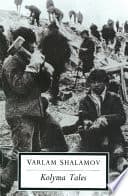
Archivist's Choice
Kolyma Tales
Varlan Shalamov (1994)
Genre
Fiction
Reading Time
12 Minutes
Key Themes
See below
Track Your Reading
Sign in to track this book
In the frozen hell of the Kolyma gulag, where hope withered like frostbitten flesh, Shalamov's stark tales reveal human endurance as individuals clung to mere hours of survival against unimaginable brutality.
Synopsis
Varlam Shalamov's "Kolyma Tales" is a collection of searing short stories drawn from his seventeen years as a prisoner in the Soviet forced-labor camps of Kolyma, Siberia. Far from a linear narrative, the book presents a mosaic of vignettes, each a stark and unsparing depiction of life and death in the Gulag. Shalamov explores the physical and psychological degradation endured by ordinary individuals, their humanity stripped away by starvation, brutal labor, and the constant threat of arbitrary violence. The stories delve into the minute details of survival, the erosion of moral boundaries, and the profound indifference of the system, offering a chilling testament to the fragility of life and the resilience, or breaking, of the human spirit under unimaginable duress. The collection serves as an essential, harrowing document of one of the 20th century's darkest chapters.
Difficulty
Hard
Pacing
Moderate
Mood
Bleak, harrowing, stark, reflective, profound
Plot Summary
On the Carts
Dr. Andreev, a former Moscow physician, is now a prisoner doctor in the Kolyma camps. He must decide if other prisoners are fit for labor. He faces a constant moral dilemma: declaring a sick prisoner unfit means condemning them to a slower death in the infirmary, while declaring them fit sends them back to brutal work that will surely kill them. He struggles with his decisions, knowing his medical expertise is just a tool for the camp administration. The story shows how the camp system dehumanizes people, corrupting even a healer's role and making individual lives expendable.
The First Theft
A new intellectual prisoner, who initially believes in humanity's goodness, quickly loses his illusions. Facing starvation and brutal camp conditions, he sees moral codes break down completely. He watches a seasoned criminal steal bread from a dying man. Instead of outrage, he feels a strange understanding. This incident changes him, as he realizes survival in Kolyma requires rejecting old ethics and adopting a more basic, self-preserving instinct. The story shows how prisoners change psychologically.
In the Night
Two prisoners, desperate from the unbearable conditions, decide to escape into the vast, frozen taiga. Their escape is dangerous, not only from camp guards but from the immense, uncaring wilderness itself. They battle frostbite, hunger, and despair. The story shows how useless escape attempts are in Kolyma, where nature is as strong an enemy as people. Their journey quickly becomes a fight for survival against the elements.
Dry Rations
A prisoner named Zotov, despite constant hunger, gets a small amount of dried fish and bread – a rare treat. He carefully plans to enjoy this small meal, finding a secluded spot. This small act of self-indulgence represents a brief return to human dignity and pleasure amid the squalor. However, his moment of peace is brutally interrupted when a guard catches and beats him, confiscating his precious rations. The incident shows the constant watchfulness and cruelty of camp authorities, who deny prisoners even the smallest comforts and hope.
The Snake Charmer
A former circus performer, known for charming snakes, finds temporary relief from the hardest labor by entertaining the camp bosses. His skill, seemingly useless in the brutal environment, becomes a way to survive, offering him slightly better food and lighter duties. This story shows the absurd and unpredictable ways people might temporarily navigate the camp system. It also shows the arbitrary nature of power in the camps, where even a small talent can, for a brief time, offer some protection. This highlights the desperate cleverness needed for survival.
The Hands
This story focuses on the prisoners' hands – gnarled, frozen, broken, and deformed by years of brutal labor in sub-zero temperatures. The narrator observes the deep physical changes, noting how hands, once used for creation and comfort, become tools for digging and destruction. The story emphasizes the permanent damage to prisoners' bodies. This acts as a clear symbol for their complete dehumanization and the erasure of their former lives. The hands become symbols of their suffering and the lasting mark left by the Kolyma experience.
Berries
During a work detail in the forest, a group of prisoners finds a patch of wild berries. The sight ignites a desperate, primal hunger, leading to a frantic scramble for the small amount of fruit. This scene clearly shows the constant hunger that defined life in Kolyma, reducing men to their most basic instincts. The berries offer a brief taste of nature's bounty and a temporary escape from the camp's artificial scarcity. Yet, the competition for them also reveals the brutal struggle for survival and the loss of friendship among prisoners.
Through the Snow
A group of prisoners is tasked with moving the frozen bodies of their dead comrades through deep snow to a mass grave. The task is physically and emotionally draining, as they handle the stiff, often emaciated remains. The story focuses on the guards' indifference and the grim routine of death in Kolyma. It shows the sheer number of deaths and the dehumanizing process of disposing of bodies, which are treated as mere objects. The scene highlights the constant presence of death and the deep psychological effect of such daily horrors on the living.
Esperanto
Two intellectual prisoners discover they both know Esperanto, an artificial international language. This shared, obscure knowledge creates a brief, fragile bond, allowing them to communicate in a way that goes beyond the camp's brutal reality. Their conversations in Esperanto offer a momentary escape from degradation and a reminder of their former lives and intellectual pursuits. This story shows the human need for connection and intellectual stimulation, even in the most inhumane conditions. Such small acts of shared culture can provide a fleeting sense of humanity and resistance against the system's attempts to crush the spirit.
Dominoes
An ordinary prisoner observes a game of dominoes played by the camp's criminals ('urkas') and some guards. The game is not for fun but for stakes – often extra rations or a prisoner's few belongings. The scene reveals the power dynamics within the camp, where criminals often have influence and collaborate with guards. It highlights the arbitrary nature of justice and the constant exploitation of weaker prisoners. The game becomes a symbol for the larger power struggles and moral decay that fills the entire Kolyma system, where survival often depends on illegal alliances and exploitation.
The Red Cross
A prisoner, clinging to desperate hope, believes the Red Cross might intervene and bring relief to the camps. He carefully prepares a letter, detailing the horrific conditions, and tries to smuggle it out. This act shows the deep naivety and the desperate need for outside validation and justice among the prisoners. The story shows Kolyma's complete isolation from the outside world and the futility of such hopes. It highlights the prisoners' psychological struggle to maintain some hope and belief in a higher justice, even when faced with overwhelming evidence to the contrary.
A Child's Drawings
A prisoner working in a camp office finds a stack of children's drawings, likely from the children of camp administrators or guards. These simple, innocent images of houses, trees, and families contrast sharply with the camp's brutal reality. For a brief moment, the prisoner is transported back to a world of normalcy and innocence, feeling a deep sense of loss and longing. The drawings remind him of the humanity that exists outside the barbed wire and the life stolen from the prisoners, evoking deep sadness and the lasting power of memory.
That Which Cannot Be Forgotten
This story, often a final reflection, looks at the lasting psychological impact of the Kolyma experience on survivors. The narrator emphasizes that while physical scars may heal, mental and emotional wounds are permanent. Memories of starvation, torture, death, and betrayal are etched into the soul, forever changing one's view of humanity and the world. It speaks to the impossibility of truly forgetting or escaping the horrors witnessed and endured, highlighting the deep and irreversible damage inflicted by the camps. The story says Kolyma's legacy is not just in the past, but lives on in the minds of those who survived.
Principal Figures
The Narrator (Varlam Shalamov)
The Protagonist
From an intellectual clinging to past ideals, he transforms into a hardened survivor, his moral compass redefined by the camps, ultimately becoming a chronicler of its atrocities.
Dr. Andreev
The Supporting
He begins as a professional trying to uphold his Hippocratic oath, but is gradually broken by the impossible choices, becoming a symbol of the system's moral destruction.
The Urkas (Criminals)
The Antagonists/Supporting
They remain largely static, embodying a consistent, predatory force that thrives within the camp's chaotic and brutal environment, never truly changing.
Zotov
The Supporting
He experiences a brief, hopeful moment of reclaiming humanity, only to be violently reminded of his powerlessness, reinforcing the brutal reality of the camp.
The Snake Charmer
The Supporting
He uses a unique, seemingly irrelevant skill to temporarily elevate his status and ensure survival, highlighting an unusual path of adaptation within the camp.
The Escaping Prisoners
The Supporting
Driven by a desperate hope for freedom, they embark on a futile escape, their journey quickly devolving into a losing battle against the elements.
The Camp Guards/Administrators
The Antagonists
They remain consistently oppressive and indifferent, serving as the unchanging face of the brutal camp system.
The Political Prisoners (general)
The Protagonists/Supporting
They are systematically dehumanized and broken by the camps, yet some manage to retain fragments of their former selves, representing the enduring human spirit amidst ultimate degradation.
Themes & Insights
The Dehumanization of the Individual
The Kolyma Tales consistently show how the camp system systematically removes prisoners' humanity. Through starvation, brutal labor, constant fear, and the destruction of personal identity, people are reduced to mere biological functions, their lives expendable. The stories show how moral codes disappear, compassion becomes a luxury, and self-preservation dominates. Prisoners are called by numbers, their bodies become tools, and their minds are consumed by the daily fight for survival. This demonstrates the deliberate and devastating process of dehumanization.
“Human life, human dignity, human worth, all were trampled underfoot with the same cold indifference as the snow beneath their boots.”
The Indifference of Nature
The harsh Kolyma landscape — its extreme cold, vastness, and unforgiving wilderness — is an active, indifferent enemy, as deadly as the camp guards. Nature does not care for human suffering; it simply exists, increasing the prisoners' isolation and hopelessness. Escape attempts are often stopped by the elements, and the environment itself becomes a tool of the regime, a natural prison wall. This theme highlights the overwhelming power of the Kolyma region and how it contributes to the prisoners' feeling of insignificance and ultimate doom.
“The Kolyma taiga was a silent, indifferent witness to countless deaths, a vast, frozen tomb.”
The Erosion of Morality and Ethics
Life in Kolyma forces prisoners to abandon conventional moral and ethical rules. The constant fight for survival leads to theft, betrayal, and a general indifference to others' suffering. Even those with some power, like Dr. Andreev, are forced into morally difficult situations. The stories show how extreme conditions corrupt human nature, making acts of kindness rare and often dangerous. This theme explores the breaking point of human ethics when faced with complete deprivation and terror, questioning the very essence of human goodness.
“In Kolyma, all concepts of good and evil were inverted, devoured by the gnawing hunger.”
The Fragility of Hope and Memory
Hope is dangerous in Kolyma, often leading to greater despair when unfulfilled. Prisoners cling to fleeting memories of their past lives, but the brutal present constantly threatens these memories. The stories show how the camp system tries to erase personal history and crush any glimmer of optimism. While some find comfort in shared intellectual moments or small acts of defiance, these are often short-lived. The theme highlights the constant psychological battle to maintain a sense of self and future in an environment designed to destroy both.
“Hope was a dangerous luxury, a fragile flame easily extinguished by the Kolyma wind.”
The Power of Storytelling and Witnessing
Despite the Soviet regime's attempts to silence and erase its victims, Shalamov's work itself embodies the power of storytelling as resistance and remembrance. The existence of these tales, carefully made from lived experience, shows the importance of witnessing atrocities. The narrator's detailed observations and reflections ensure that the suffering and lives lost in Kolyma are not forgotten. This theme highlights the lasting human need to record history, even its darkest parts, and to give a voice to the voiceless.
“What I saw there, what I lived through, must be told, must be written down, so that it is never forgotten.”
Plot Devices & Literary Techniques
First-Person Narration
Immersive and personal perspective.
Many of the stories are told from a first-person perspective, often implicitly or explicitly that of Shalamov himself. This device lends an immediate authenticity and immediacy to the horrors depicted, immersing the reader directly into the prisoner's experience. It allows for intimate psychological insights, personal reflections on moral decay, and a powerful sense of 'being there.' The narrator's detached yet deeply felt observations create a visceral connection, making the atrocities more impactful and believable as lived truths rather than mere historical accounts.
Vignettes/Short Story Cycle
Fragmented glimpses into camp life.
Instead of a continuous narrative, the book is composed of numerous short, self-contained stories or 'vignettes.' This structure mirrors the fragmented, unpredictable nature of life in the camps, where coherent personal narratives are shattered. Each story offers a snapshot of a particular incident, character, or theme, building a mosaic of the Kolyma experience. This allows Shalamov to explore various facets of camp life without forcing a linear plot, emphasizing the repetitive, cyclical nature of suffering and the arbitrary cruelties of the system.
Irony
Highlighting the absurdity and cruelty of the system.
Shalamov frequently employs irony to underscore the profound absurdity and cruelty of the Kolyma system. This often manifests in the contrast between stated Soviet ideals and the brutal reality of the camps, or in the perverse twists of fate that dictate survival. For example, a doctor's role to heal is perverted into one that condemns, or a unique talent unexpectedly grants a temporary reprieve. Irony exposes the moral bankruptcy of the regime and the grotesque inversion of human values within the camp environment, often with a chilling, understated effect.
Symbolism
Objects and actions representing deeper meanings.
Various elements in the stories carry symbolic weight, deepening their meaning. The 'hands' in one story symbolize the physical and spiritual destruction of the prisoners. Food, particularly bread, symbolizes not just sustenance but also dignity, hope, and the ultimate measure of survival. The vast, frozen landscape of Kolyma itself symbolizes the cold, indifferent power of the state and the crushing isolation of the individual. These symbols amplify the emotional and thematic impact, conveying complex ideas and feelings beyond literal description.
Understatement and Detachment
Conveying horror through objective observation.
Shalamov often adopts a style of understated, almost clinical detachment when describing the most horrific events. Instead of emotional outbursts, he presents facts and observations with a stark objectivity. This device makes the atrocities even more chilling, as the lack of overt sentimentality forces the reader to confront the brutal reality directly, without the buffer of authorial emotion. It reflects the psychological numbing experienced by the prisoners and allows the inherent horror of the events to speak for itself, creating a powerful, unsettling effect.
Critical analysis
Notable Quotes
Quiz
Test Your Knowledge
Ready to see how well you understood this book? Take our interactive quiz with 10 questions.
10
Questions
~5
Minutes
?
Best Score
Key Questions (FAQ)
Kolyma Tales is a collection of short stories by Varlam Shalamov, based on his experiences in the Soviet forced-labor camps in Kolyma, Siberia. The stories vividly depict the harsh realities and the resilience of ordinary people enduring extreme circumstances, where survival often meant focusing only on the next few hours.
Similar books

The Prada Plan
Ashley Antoinette
4.6

The Song of the Mockingbird
Mark McDonald
4.4
The Romance of the Three Kingdoms
Luo Guanzhong
4.4

The Summer We Got Free
Mia McKenzie
4.3
The Portable Dorothy Parker
Dorothy Parker
4.3

The Posthumous Memoirs of Brás Cubas
Joaquim Maria Machado de Assis
4.3

The Thurber Carnival
James Thurber
4.2
To Dance with the White Dog
Terry Kay
4.2