“I think that's how it works with love. You don't get to choose who you fall for. It just happens.”
— Zoe reflects on her feelings for Aaron, despite her relationship with Stuart.

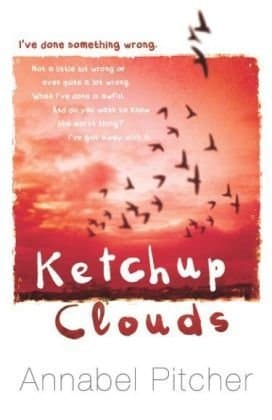
Annabel Pitcher (2012)
Genre
Mystery / Young Adult / Romance
Reading Time
293 min
Key Themes
See below
Sign in to track this book
A guilt-ridden teenager anonymously confesses her involvement in a tragic love triangle to a death row inmate, hoping to find peace through letters across continents.
Fifteen-year-old Zoe starts writing letters to Stuart Harris, an inmate on death row in Texas. She explains that she needs to confess a terrible secret she cannot share with anyone in her immediate life. She picks Stuart because he is a stranger, far away, and also involved in a murder, which she believes makes him able to understand her. She introduces herself and hints at an event that happened during the summer, involving two boys, a secret relationship, and a devastating outcome. Her first letters are careful, building a connection with Stuart and explaining her reason for confiding in him, suggesting a past event that has left her consumed by guilt.
Zoe begins to describe the summer leading up to her secret. She talks about meeting Aaron, an exciting boy, and feeling an immediate, strong connection. Their romance quickly grows, but it is kept secret because of Aaron's possessive nature. At the same time, Zoe becomes close friends with Aaron's older brother, Max, who is kind and understanding. Max is a clear contrast to Aaron's intensity, giving Zoe a sense of stability and companionship. Zoe finds herself drawn to both brothers in different ways, setting up a complex emotional situation.
As the summer goes on, Zoe finds herself in a difficult situation. She continues her secret relationship with Aaron, sneaking around and feeling the thrill of first love, though it is hidden. Aaron's jealousy and demands for exclusivity create pressure. Meanwhile, her bond with Max deepens. They spend a lot of time together, sharing secrets and quiet moments. Max becomes her confidant and a source of comfort, offering a different kind of closeness. Zoe is torn between the excitement Aaron offers and the understanding she feels with Max, struggling with the deception needed to keep both relationships going.
Aaron's possessiveness and jealousy become harder for Zoe to manage. He starts to notice her closeness with Max and grows suspicious, leading to arguments and accusations. Zoe tries to reassure him, but her guilt over her feelings for Max makes it hard to fully commit to Aaron. The tension between the brothers, though unspoken by Zoe, becomes clear. Aaron's reactions and demands for her exclusive attention create a tense atmosphere, making Zoe feel trapped and anxious. She struggles to keep up the facade, knowing that revealing the truth would break her relationships and cause harm.
The growing tension leads to a fateful night. Aaron confronts Zoe about her feelings for Max, resulting in a heated argument. Max, unaware of their secret romance, steps in to calm the situation. In the chaos, a tragic accident occurs involving Max, leading to his death. Zoe is present and sees the event. She and Aaron then cover it up to avoid implicating him in a more serious crime. This moment becomes the center of Zoe's secret and her deep guilt, as she deals with her role in Max's death and the lies she tells.
After Max's death, Zoe and Aaron are consumed by panic. They quickly make up a story to explain Max's accident, leaving out their involvement and the true nature of the confrontation. They present it as an unfortunate accident, hoping to avoid suspicion and protect Aaron. Zoe, overwhelmed by grief and guilt, takes part in the deception, feeling more isolated and burdened by the lie. The cover-up solidifies her secret, making it impossible to confide in anyone she knows, which drives her to write to Stuart Harris. Her life becomes a performance, as she tries to appear normal while crumbling internally under the weight of her actions.
In the months after Max's death, Zoe's guilt is always present. She struggles to process the tragedy and her part in it, feeling responsible for what happened. The secrecy isolates her from her friends and family, as she cannot share her true feelings or burden them with the truth. Her relationships become strained, and she withdraws, finding comfort only in her letters to Stuart. She sees the grief of Max's family, including Aaron's, which only increases her self-blame and reinforces her belief that she must keep the secret hidden at all costs.
As Zoe continues to write in her letters, Stuart Harris begins to respond. His replies are thoughtful, non-judgmental, and empathetic. He shares insights from his own experiences with secrecy and guilt, creating a unique bond with Zoe. Stuart does not offer solutions but provides a safe space for her to unburden herself. His understanding and lack of judgment give Zoe a sense of relief and validation she cannot find anywhere else. The correspondence becomes her lifeline, allowing her to process her emotions and the events of the summer from a distance.
Aaron is also deeply affected by Max's death and their shared secret. He becomes withdrawn, moody, and volatile, struggling to keep up the facade. His grief is complicated by his guilt, and his behavior becomes erratic. Zoe sees his decline and starts to question their relationship and the results of their actions. She begins to see Aaron not as the exciting boy she fell for, but as someone equally burdened. This realization prompts her to think about her choices and the true cost of their secrecy, leading to a change in her feelings toward him.
The weight of the secret becomes unbearable for Zoe. Through her letters to Stuart and her own thoughts, she begins to understand the destructive nature of her deception. She realizes that keeping the truth hidden is harming herself and preventing Max's family from truly grieving and finding closure. The moral problem grows as she considers telling the truth, knowing it could shatter lives and expose her and Aaron to severe consequences. She feels a growing need for honesty, despite the fear of repercussions, recognizing that healing can only begin with the truth.
In her final letters to Stuart, Zoe reveals her decision to confess. She understands that confessing will lead to difficult consequences, potentially for herself and certainly for Aaron. She does not detail the exact method or immediate aftermath of her confession, but the tone of her letters suggests a sense of resolve and a readiness to face the truth, no matter how painful. The story implies that she will approach the authorities or Max's family, finally breaking the silence that has consumed her. This decision marks a significant turning point in her character, showing her move towards accountability and healing.
After deciding to confess, Zoe's final letters to Stuart express a fragile sense of peace. While she knows the path ahead will be challenging, confiding in Stuart and deciding to tell the truth have lifted a burden. She finds a glimmer of hope for a future free from the oppressive weight of her secret. The ending suggests that while the consequences will be severe, Zoe has chosen a path toward honesty and self-forgiveness, ready to face whatever comes next. Her journey with Stuart, though distant, has helped her find her own moral compass and begin to heal.
The Protagonist
Zoe transforms from a secretive, guilt-ridden girl into someone who chooses honesty and takes responsibility for her actions, finding a path towards healing.
The Supporting/Antagonist
Aaron descends into guilt and instability after the accident, highlighting the destructive power of secrets and unaddressed emotions.
The Supporting/Catalyst
Max's life is tragically cut short, serving as a catalyst for Zoe's moral awakening and the central conflict.
The Supporting
Stuart remains a constant, empathetic sounding board, facilitating Zoe's journey toward confession and healing.
The Supporting
Her arc is static, representing the loving but ultimately uninformed family support Zoe keeps at arm's length.
The Supporting
His arc is static, representing the supportive but largely unaware family unit.
The novel explores the psychological impact of carrying a heavy secret. Zoe's decision to write to Stuart Harris comes from her inability to cope with the guilt surrounding Max's death and the cover-up. This theme shows up in her isolation, her strained relationships, and her constant internal struggle. The letters themselves show her need to unburden herself, even to a stranger. The story clearly shows how secrecy harms a person, affecting every part of Zoe's life.
““Secrets are like ketchup clouds. They hang over you, waiting to burst.””
The complex nature of love, jealousy, and betrayal is central to the tragic events. Zoe's passionate, secret love for Aaron contrasts with her deep affection for Max. Aaron's intense jealousy over Zoe's friendship with his brother fuels the growing tension that leads to the accident. The betrayal is not just Zoe's secret relationship, but also the decision to cover up the truth, betraying Max's memory and his family's trust. This theme shows how innocent emotions can combine to create devastating outcomes.
““I loved Aaron, but I needed Max. And that was the problem, wasn't it?””
The novel is built around the act of confession. Zoe's letters to Stuart are her raw, unfiltered confessions, a desperate attempt to find absolution. Through this process, she seeks not only forgiveness from others but, more importantly, self-forgiveness. Stuart's non-judgmental responses help her process her actions and begin to understand the path to healing. The theme explores whether true forgiveness can be achieved without full honesty and the courage it takes to confront one's past, even when the consequences are severe.
““I needed to tell someone. Not for absolution, not really. Just to make it real.””
Zoe's journey shows a strong portrayal of adolescent identity formation under extreme pressure. She deals with defining herself amidst intense emotions, first love, and a life-altering tragedy. Her moral compass is tested as she navigates loyalty, guilt, and the desire to protect others versus the need for truth. The novel shows her growth from a naive girl caught up in events to a young woman capable of making a difficult, morally sound decision, even if it means facing harsh consequences. Her letters reflect her internal process of understanding who she is and what she believes.
““It's amazing how quickly you can become someone you don't recognize.””
The story is told entirely through letters written by Zoe to Stuart Harris.
This device is crucial for establishing Zoe's internal world and the intense burden of her secret. By writing to a stranger, Zoe can confess without immediate judgment or repercussions, allowing for an unfiltered, intimate narrative voice. It emphasizes her isolation and the impossibility of confiding in anyone close to her. The letters also create suspense, as the reader slowly uncovers the details of the past summer alongside Stuart, mirroring Zoe's process of revisiting and understanding her trauma. The one-sided nature (initially) of the confession highlights her desperate need for an outlet.
A death row inmate in Texas who serves as Zoe's distant, non-judgmental listener.
Stuart Harris functions as a unique sounding board for Zoe. His distance and his own criminal background make him a 'safe' recipient for her confession, as he is removed from her life and, she believes, capable of understanding severe guilt. He allows Zoe to narrate her story without interruption or immediate consequence, facilitating her emotional processing. His eventual empathetic responses further validate Zoe's feelings and help her move towards self-forgiveness and a decision to reveal the truth. He is a symbolic figure representing the possibility of understanding and empathy from unexpected sources.
Zoe recounts the past summer's events in a non-linear fashion through her letters.
The story unfolds through Zoe's memories, presented as she writes them in her letters. This allows for a gradual revelation of the tragic events, building suspense and mirroring Zoe's own struggle to piece together and make sense of her past. The non-linear structure highlights the psychological impact of trauma, as Zoe revisits key moments and emotions. It also allows the author to control the pacing of information, revealing critical details about her relationships with Aaron and Max and the accident itself in a way that maximizes emotional impact and maintains reader engagement.
A metaphor for secrets that hang overhead, threatening to burst and create a messy situation.
The phrase 'ketchup clouds' is used by Zoe to describe the oppressive weight of her secrets. It evokes a vivid image of something dark, sticky, and unavoidable hanging over her head, threatening to spill and stain everything. This metaphor encapsulates the constant anxiety and fear of exposure that Zoe experiences. It also suggests the messy and far-reaching consequences that secrets can have when they are finally revealed, impacting not just the individual but also those around them, much like spilled ketchup can make a widespread mess.
“I think that's how it works with love. You don't get to choose who you fall for. It just happens.”
— Zoe reflects on her feelings for Aaron, despite her relationship with Stuart.
“Sometimes you just have to let go of the things you can't change.”
— A recurring theme as Zoe grapples with past mistakes and their consequences.
“It's funny how you can know someone for ages and then suddenly you don't know them at all.”
— Zoe's feelings about her relationship with Stuart after her confession.
“Secrets are like ketchup clouds. They hang over everything, making it all a bit murky.”
— The metaphorical title's explanation, describing the oppressive nature of her secret.
“You can't undo things. You can only try to make them better.”
— A piece of wisdom Zoe receives as she tries to come to terms with her actions.
“The truth always comes out in the end, doesn't it?”
— Zoe's growing anxiety about her secret being discovered.
“It's amazing how much you can hide just by smiling.”
— Zoe's internal reflection on maintaining appearances despite her inner turmoil.
“Grief is a funny thing. It comes in waves, even when you think you're over it.”
— Zoe reflecting on the lingering pain of past events.
“Sometimes the hardest person to forgive is yourself.”
— Zoe's struggle with self-blame and guilt.
“Maybe love isn't about finding the perfect person, but about seeing an imperfect person perfectly.”
— Zoe's evolving understanding of love and relationships.
“You can't run away from your problems forever. Eventually, they catch up to you.”
— Zoe's realization about the futility of avoiding her past.
“Being brave isn't about not being scared. It's about being scared and doing it anyway.”
— Zoe finding the courage to confess her secret.
“The past is like a shadow. It follows you, no matter how fast you run.”
— Another reflection on the inescapable nature of her past actions.
“It's strange how one small decision can change everything.”
— Zoe contemplating the chain of events set in motion by her choices.
Ready to see how well you understood this book? Take our interactive quiz with 10 questions.

Annabel Pitcher is a British author celebrated for her poignant and humorous young adult novels. Her debut, 'My Sister Lives on the Mantelpiece,' won the Waterstones Children's Book Prize, while 'Ketchup Clouds' was shortlisted for the Carnegie Medal. Pitcher's work often tackles complex emotional themes with relatable characters and a distinctive voice.