“Youth, when it is most beautiful, is most self-centred.”
— Reflecting on Val Dartie's youthful energy and self-absorption.

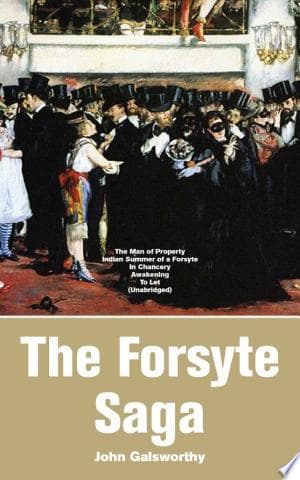
John Galsworthy (2018)
Genre
Fiction
Reading Time
60 min
Key Themes
See below
Sign in to track this book
An old man finds peace in an unexpected friendship with his nephew's estranged wife, ending his life quietly under an ancient oak.
Old Jolyon Forsyte, now owning Robin Hill, the house Soames built for Irene, lives in quiet solitude. He bought the estate from his nephew, Soames, and enjoys its beauty and peace. His thoughts often return to the past, to his family's problems, especially Irene's unhappiness and his son Young Jolyon's estrangement. Despite his age, Old Jolyon stays interested in life, enjoying his garden and his dog, Balthasar. He feels a quiet happiness, though a hint of sadness suggests unfulfilled wishes and the passage of time.
One afternoon, Old Jolyon sees a woman sketching by the pond in his garden. It is Irene Forsyte, Soames's estranged wife, visiting the house she once lived in. She is surprised to see him, but Old Jolyon, always drawn to her beauty and quiet grace, greets her kindly. He invites her to stay and sketch, offering tea. This meeting starts a connection. Old Jolyon, despite his family's past with her, feels a deep sympathy and respect for Irene, sensing her sadness and strength.
After their first meeting, Irene starts visiting Robin Hill more often. She and Old Jolyon form a gentle, unspoken friendship. He enjoys her quiet presence, her love for beauty, and her calm manner. Irene, in turn, finds comfort in Old Jolyon's kindness and understanding, which is very different from her stifling marriage to Soames. They often sit together in the garden, speaking little but sharing deep respect. Old Jolyon, even in his old age, feels a new sense of purpose and a gentle, almost fatherly affection for Irene, who represents a beauty and sensitivity he values.
As their friendship grows, Old Jolyon becomes more aware of Irene's deep loneliness and past hurts. He understands the great suffering she went through in her marriage to Soames and the social rejection she faced. He sees her quiet strength mixed with deep sadness, a woman wronged but still dignified. Old Jolyon feels protective of her, seeing her vulnerability beneath her calm appearance. He regrets the unfairness of her situation and wants to give her comfort and a sense of belonging, however brief.
Irene and Old Jolyon spend much of their time together in comfortable silence, showing how well they understand each other. They both love the beauty of Robin Hill, the changing seasons, and nature's simple joys. Old Jolyon feels renewed by Irene's presence, finding a warmth and connection missing from his later years. Irene, for her part, seems to bloom slightly under his gentle care, finding a rare sense of peace and acceptance. Their bond goes beyond usual expectations, based on mutual respect and a shared appreciation for beauty and quiet.
Old Jolyon also thinks of his son, Young Jolyon, with whom he has made up after years of being apart. He recognizes Young Jolyon's artistic nature and his unconventional life choices. As Old Jolyon considers his own death, he starts to think about his will. He trusts Young Jolyon completely and decides to name him as trustee for any gifts he might leave to Irene, ensuring her financial security after his death. This decision shows his deep affection for Irene and his wish to protect her, even after he is gone, using his son as a reliable go-between.
One beautiful summer day, Old Jolyon feels a deep sense of peace and happiness. He spends the day in his garden, watching the world around him—the sun on the leaves, the birdsong, the gentle breeze. Irene is there, sketching nearby, her quiet presence adding to the calm. Old Jolyon feels grateful for this moment, for Robin Hill's beauty, and for his unexpected friendship with Irene. He feels deeply connected to life, enjoying its simple pleasures with heightened awareness, as if savoring each moment.
As the afternoon continues, Old Jolyon feels a gentle tiredness. He settles into his favorite chair under the old oak tree in the garden, the tree a silent witness to generations of Forsytes. He watches Irene sketch, her image a final, beautiful sight. He closes his eyes, falling into a peaceful sleep. The setting sun casts long shadows, and the garden sounds become a soft lullaby. This nap is different; it is a deep and lasting rest, full of calm.
Irene, focused on her drawing, does not immediately notice that Old Jolyon has died. He remains in his chair under the oak tree, a look of calm contentment on his face. His death is gentle and quiet, a natural end to a full life, marked by a final period of unexpected joy and connection. When Irene finally looks up, she realizes he is gone. His death is described not as a tragedy, but as a natural completion, surrounded by the beauty he loved and with the person who brought him so much comfort in his last days.
Old Jolyon's death is soon discovered, bringing quiet sadness to Robin Hill. His will is read, showing his careful plans. He leaves a large sum of money to Irene, with Young Jolyon appointed as her trustee. This act shows Old Jolyon's deep affection and protective feelings towards Irene, ensuring her financial independence and well-being. His final act is one of quiet generosity, continuing the care he showed her in his last days, leaving a legacy of kindness that goes beyond the wider Forsyte family's complexities and judgments.
The Protagonist
From a somewhat detached patriarch, he evolves into a man finding profound peace and a final, meaningful connection in his last days.
The Supporting
Initially a figure of profound sadness, she finds temporary solace and a measure of peace through her friendship with Old Jolyon.
The Mentioned
His arc is largely established in previous works; in this story, he represents Old Jolyon's trust and a link to a more empathetic future.
The Supporting
Remains a steadfast and loving companion throughout, a symbol of loyalty.
The Mentioned
His character's impact is primarily historical in this interlude, representing the past trauma Irene endures.
Old Jolyon, in his later years, finds deep peace at Robin Hill, away from the Forsytes' busy, materialistic world. His solitude is not loneliness but a cherished calm, deepened by his unexpected friendship with Irene. Irene, too, after much suffering, finds temporary refuge and comfort in Old Jolyon's gentle company and the garden's beauty. The story shows that true peace often comes from simplicity, nature, and genuine, unburdened human connection, not from wealth or social status. This is clear in Old Jolyon's happiness in his garden with Irene, a strong contrast to earlier Forsyte family dramas.
“He had bought the house from Soames, and with it, he felt, a certain peace, a quietude that had been lacking in his earlier, more property-driven life.”
The main relationship between Old Jolyon and Irene goes against common societal expectations and family judgments. Despite Irene's scandalous past in the eyes of the Forsyte family, Old Jolyon looks past surface appearances, seeing her inherent goodness, sensitivity, and suffering. Their bond is built on mutual respect, unspoken understanding, and a shared love for beauty and quiet. This theme highlights how empathy can overcome social barriers and how important genuine human connection is, even when society disapproves. Old Jolyon's protective feelings and his final act of leaving Irene money show this deep, empathetic bond.
“He felt for her a profound pity, a sense of protective tenderness, as if she were a wounded bird.”
Robin Hill, with its beautiful garden and old oak tree, is key to the story's mood and themes. Nature provides comfort, reflection, and beauty for both Old Jolyon and Irene. The changing seasons and the enduring oak tree symbolize the passage of time and life's cycles. Old Jolyon's last moments under the oak tree show a calm acceptance of death, tied to nature's timeless beauty. A love for beauty, whether in art or nature, offers a escape from life's harder realities.
“The old oak tree, under which he often sat, seemed to breathe a patient wisdom, a sense of timelessness that comforted his aging spirit.”
Old Jolyon's decision to leave Irene money in his will, with Young Jolyon as trustee, is an important theme. It is not just financial support but a final act of kindness, protection, and a wish to correct a past wrong. This act differs sharply from the Forsyte family's usual focus on property and social standing. It highlights a legacy of generosity and empathy, showing that true wealth lies not just in possessions but in compassion and the desire to provide comfort and security for those who have suffered. His legacy is one of quiet, personal justice.
“He wished to leave her something more than the memory of his kindness; he wished to leave her security.”
A symbolic setting representing peace, beauty, and emotional refuge.
Robin Hill, the house Soames built for Irene and later sold to Old Jolyon, functions as more than just a setting; it's a symbolic haven. For Old Jolyon, it represents an escape from the materialistic world of the Forsytes and a place of profound peace and reflection. For Irene, it's a place of poignant memories but also a source of temporary solace and understanding through her friendship with Old Jolyon. The estate's beauty, particularly its garden and the ancient oak, mirrors the inner tranquility and emotional depth that the characters find there, contrasting with the turmoil of their pasts.
A symbol of enduring life, nature's constancy, and a witness to generations.
The ancient oak tree in the garden of Robin Hill serves as a powerful symbol. It represents the enduring power of nature, its silent wisdom, and its constancy in the face of human transience. Old Jolyon's fondness for sitting under its branches, and his eventual peaceful death beneath it, links his final moments to the timeless cycle of life and nature. The tree acts as a silent witness to the quiet drama unfolding, embodying a sense of rootedness and continuity that contrasts with the fleeting nature of human lives and their emotional struggles.
A means of demonstrating character and ensuring future protection.
Old Jolyon's will, specifically his decision to leave Irene money with Young Jolyon as trustee, is a crucial plot device. It serves multiple functions: it reveals Old Jolyon's deep affection and protective instincts towards Irene, solidifying their unique bond; it highlights his trust in his son, Young Jolyon; and it provides a resolution to Irene's precarious financial and social standing. This act of legacy is a final, tangible expression of Old Jolyon's character and his desire to provide comfort and security beyond his own life, directly impacting Irene's future.
A literary device representing a period of unexpected warmth, beauty, and peace before life's end.
The title itself, 'Indian Summer of a Forsyte,' is a powerful metaphor. An 'Indian Summer' refers to a period of unseasonably warm, dry weather in late autumn, often after a period of cold. In the story, it symbolizes Old Jolyon's final years: a period of unexpected warmth, beauty, and deep emotional connection (with Irene) that comes late in his life, just before his death. It suggests a serene, golden period of peace and contentment, a final blossoming, before the inevitable end. This metaphor frames the entire narrative, emphasizing the preciousness and fleeting nature of this late-life happiness.
“Youth, when it is most beautiful, is most self-centred.”
— Reflecting on Val Dartie's youthful energy and self-absorption.
“The past is a foreign country; they do things differently there.”
— A general reflection on the changes over time and the differences between generations.
“To be young is to be without the sense of humour which comes from the power of perspective.”
— Considering the earnestness of younger characters who lack the broader view of their elders.
“Love, after all, is a matter of the imagination.”
— A philosophical musing on the nature of love and its subjective reality.
“Life, when you came to think of it, was a long process of getting used to things.”
— A character's realization about the ongoing adaptations required in life.
“The Forsytes, like all people of property, were strong on the sanctity of contract.”
— Highlighting a core value of the Forsyte family and their class.
“There was no such thing as a new idea, only a new way of expressing it.”
— A cynical observation about originality and human thought.
“Old age is not a matter of years but of spirit.”
— Discussing the vitality of some older characters despite their age.
“Happiness is a matter of digestion, not of divine favour.”
— A pragmatic, almost materialist view of contentment.
“The true artist is a man who can make you feel what he feels.”
— A definition of artistic success and empathy.
“Conscience is a luxury for those who can afford it.”
— A commentary on how economic circumstances can influence moral choices.
“Every generation thinks it has discovered love anew.”
— Observing the timeless and cyclical nature of romantic experience.
“Money is a poor substitute for happiness, but it's a mighty good stand-in for misery.”
— A wry comment on the practical benefits of wealth, even if it doesn't guarantee joy.
Ready to see how well you understood this book? Take our interactive quiz with 10 questions.
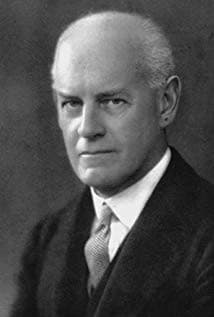
John Galsworthy was an English novelist and playwright. He is best known for his trilogy of novels collectively called The Forsyte Saga, and two later trilogies, A Modern Comedy and End of the Chapter. He won the Nobel Prize in Literature in 1932.

Ashley Antoinette
4.6

Mark McDonald
4.4
Luo Guanzhong
4.4
Mia McKenzie
4.3
Dorothy Parker
4.3

Joaquim Maria Machado de Assis
4.3
James Thurber
4.2
Terry Kay
4.2