“It was impossible to believe that anything could be quite so bad as it was, or that anything quite so bad could be endured.”
— Reflecting on the sheer awfulness of the front lines.

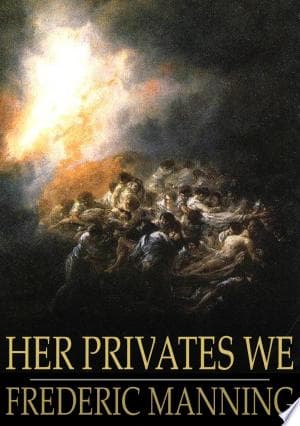
Frederic Manning (2010)
Genre
Fiction
Reading Time
12-15 hours
Key Themes
See below
Sign in to track this book
In the mud and camaraderie of World War I trenches, a private confronts the absurdities of military life and the constant threat of death, finding brief moments of humanity amid the slaughter.
Private Bourne, an educated and thoughtful man, becomes a private in the British Army during World War I, serving in France. He joins B Company, 9th Battalion, and quickly adapts to the friendships and difficulties of trench life. His first experiences involve the routine of army life – drilling, chores, and the constant threat of enemy shells. He forms close bonds with his fellow privates, especially Marfell and Martlow, sharing their cynical humor and calm acceptance of their grim situation. Bourne's intelligence makes him different from many of his comrades, yet he tries to fit in and endure the shared suffering without complaint, observing the war's absurdity and brutality with a distant but deeply felt view.
Life in the trenches is a brutal cycle of boredom, fear, and discomfort. Bourne and his section spend days in muddy, rat-filled dugouts, enduring constant shelling, the smell of death, and the threat of gas attacks. They do exhausting tasks like digging, repairing barbed wire, and standing watch. The soldiers develop dark humor and strong loyalty to each other as a way to cope. Bourne sees how his comrades react to the stress: some become tough, others withdrawn, and a few break down. He thinks about how war takes away humanity, where individual identity is lost in the group struggle for survival, and the only certainty is the next order or shell.
After a tough time on the front lines, Bourne's company is relieved and moves to billets behind the lines. This offers a temporary break from the constant danger and discomfort, allowing the men to clean up, eat proper meals, and experience something like normal life. They visit local cafes, drink, and enjoy lively company. Bourne, while appreciating the break, remains fully aware that their peace is temporary. He watches the men try to forget the horrors they have seen and the worries of their inevitable return to the trenches. This rest period, though important for morale, always carries the knowledge that the war continues, and their lives are still on hold.
Bourne often sees the military hierarchy's inefficiencies and occasional absurdities. He and his fellow privates often question the logic of orders given by officers who seem far removed from the harsh realities of trench warfare. There is constant tension between the men at the front, who do most of the fighting, and the command structure, which sometimes appears uncaring or incompetent. Bourne's thoughts highlight the class divide in the army, where officers, often from privileged backgrounds, struggle to understand the working-class soldiers' mindset and experiences. This disconnect fuels the privates' cynical humor and their quiet, often unspoken, dislike for authority, even as they follow orders.
The war constantly takes the lives of Bourne's comrades; each death is a stark reminder of his own mortality. He sees the sudden, brutal deaths of friends like Martlow, killed by a shell, and others who are wounded or disappear. These losses are met with a mix of shock, grief, and tough acceptance. The men become stoic, learning to put their sorrow aside to survive. Bourne, despite his intellectual distance, feels the deep weight of these losses, recognizing the individual lives ended and the impact on those left behind. The constant presence of death reinforces how uncertain their existence is and how random survival is in the trenches; one moment of bad luck can be fatal.
Bourne and his battalion are sent to the Somme, a notorious battlefield known for its massive scale and casualties. They take part in a major offensive, experiencing the full horror of a large-scale attack. The scene is one of complete chaos: constant artillery fire, machine-gun fire, and countless dead and wounded. Bourne describes the terrifying experience of going 'over the top,' charging into enemy fire, and the confusing struggle to advance through a landscape turned into mud and craters. The offensive is brutal and costly, and Bourne sees firsthand the immense human sacrifice and the futility of many attacks, further solidifying his cynical view of the war's purpose.
The continuous exposure to violence, death, and extreme stress badly affects Bourne and his fellow soldiers mentally. Signs of 'shell shock' are clear, though often misunderstood or ignored by command. Men become withdrawn, prone to sudden outbursts, or simply unable to function. Bourne himself feels the war's weight on his mind, struggling with insomnia and constant replays of traumatic events. He observes how the war strips away individuality and emotional sensitivity, forcing men to become numb to survive. The novel subtly explores the lasting mental scars that will surely trouble these soldiers, even if they survive the conflict physically.
Despite the dehumanizing conditions, moments of deep humanity and friendship break through the grim reality. Soldiers share scarce rations, comfort the wounded, and risk their lives for each other. Bourne finds comfort in the shared experiences and unspoken understanding among his fellow privates. Their dark humor, shared complaints, and mutual support create a strong bond that goes beyond rank and background. These instances show the resilience of the human spirit and the lasting capacity for empathy, even in the worst circumstances. These small acts of kindness are vital for maintaining morale and preventing complete mental collapse, reminding the men that they are not alone.
Bourne has several close calls during his time in the trenches; one particularly clear moment involves a shell landing dangerously close to him. He describes the raw terror and the immediate aftermath, the ringing in his ears, and the smell of gunpowder. Such experiences are common, and each narrow escape reinforces how random survival is. It is not skill or bravery that decides who lives or dies, but often pure luck. These moments leave Bourne shaken but also with a stronger sense of fatalism, further confirming his belief that his fate is largely out of his hands. He sees the immediate, devastating effects of these near misses on others, some of whom are not as lucky.
Even amid the constant horror and despair, Bourne and his fellow privates keep a remarkable resilience and lasting spirit. Their capacity for dark humor, their defiant complaints, and their steady loyalty to each other show an inner strength that the war cannot entirely extinguish. Bourne, though deeply affected, continues to observe and think, keeping his intellectual curiosity even in widespread suffering. The novel shows that while war can brutalize and dehumanize, it cannot completely erase the individual spirit or the bonds of human connection. The soldiers' ability to find small moments of joy, however brief, shows their will to survive.
As the war continues and casualties mount, Bourne's initial, perhaps naive, understanding of the conflict gives way to a deep sense of futility. He sees the immense suffering, destruction, and loss of life, with little clear progress or meaningful result. The grand statements of politicians and generals seem empty and separate from the muddy, bloody reality of the front lines. Bourne's thoughts increasingly focus on the senselessness of it all, questioning why such huge sacrifices are made. This growing disappointment is shared by many of his comrades, who express their despair through cynical jokes and bitter complaints, feeling like pawns in a game they do not understand.
By the end of his documented experiences, Bourne is a deeply changed man. The war has removed any illusions he might have had, leaving him with deep cynicism, a heightened awareness of death, and a lasting understanding of human suffering. While he survives physically, the psychological scars are clear. His intellectual detachment remains, but it is now softened by deep weariness and a sense of having seen the absolute worst of humanity. The friendships he found, though vital, cannot erase the trauma. He is left with the weight of his experiences, a silent sign of trench warfare's devastating impact on the individual soul, forever marked by the mud and blood of France.
The Protagonist
Bourne begins as a somewhat detached observer but becomes increasingly hardened and disillusioned, his initial cynicism deepening into a profound sense of futility and weariness.
The Supporting
Marfell maintains his pragmatic and resilient nature throughout the narrative, serving as a stable point of reference for Bourne.
The Supporting
Martlow's arc is cut short by his death, serving as a poignant representation of innocent lives lost to the war.
The Supporting
Tozer remains a consistent figure of authority, embodying the enduring NCO who balances duty with a practical understanding of his men's struggles.
The Supporting
Hamley consistently portrays the role of a diligent, if sometimes unyielding, NCO.
The Supporting
Manning remains a somewhat distant but occasionally empathetic figure, representing the better side of the officer corps.
The Antagonistic/Supporting
The officers remain largely static, representing the unchanging, often frustrating, command structure.
The Supporting
The collective privates represent the enduring spirit and shared suffering of the common soldier, their experiences deepening their camaraderie and cynicism.
The novel clearly shows the constant brutality of trench warfare, from physical discomfort and the threat of death to its mental toll. Bourne's observations highlight the conflict's sheer absurdity, where huge suffering and loss of life often lead to no clear progress. The senselessness of attacks, the random nature of death, and the gap between the front lines and command all contribute to this theme. For example, descriptions of the Somme offensive show the devastating human cost for minimal gains.
“War is a huge, insensate, and remorseless machine, grinding out men's lives and their souls.”
Despite the dehumanizing conditions, the novel stresses the strong bonds of friendship that form among the soldiers. Sharing danger, discomfort, and a common fate creates an unbreakable connection between Bourne, Marfell, Martlow, and their fellow privates. This shared experience provides comfort, humor, and a sense of belonging in an otherwise isolating environment. Moments of shared rations, dark jokes, and mutual support in the face of death highlight human connection's resilience, as seen in Bourne's private talks with Marfell about their experiences.
“It was impossible to feel alone in the midst of so much companionship; a companionship unique, perhaps, to men who have lived together in the shadow of death.”
A main theme is the clear class divide within the British Army, especially between officers and privates. Bourne, despite his education, is a private, placing him among the working-class soldiers. He often sees the disconnect between the officers' distant command and the privates' immediate, harsh reality. The privates' cynical attitude toward 'them' (the officers) highlights this divide, fueled by perceived incompetence, privilege, and a lack of understanding from those in charge. This appears in their muttered complaints about orders and their sarcastic remarks about officers' comforts.
“We were 'other ranks,' and they were 'officers.' The gulf was fixed, as it were, by divine ordinance.”
Constant exposure to violence, death, and strict military structures gradually erodes the soldiers' individuality and, at times, their humanity. Men become cogs in a machine, their personal identities and feelings dulled by the need to survive. Bourne reflects on how the war forces men to become numb to suffering and to separate their emotions. Yet, the novel also shows the struggle to keep a core sense of self, as seen in Bourne's ongoing intellectual thoughts and the privates' defiant humor, which act as small resistances against complete dehumanization.
“One became a thing, a piece of equipment, a cog in the vast, impersonal machine of war.”
A widespread sense of fatalism and resignation fills the story. The soldiers, especially Bourne, come to believe that their fates are largely out of their hands, subject to the whims of shells, snipers, and strategic decisions. This leads to a calm acceptance of whatever comes, whether a brief rest or sudden death. This theme is reinforced by the random nature of survival, where luck often plays a bigger role than skill or bravery. The men's dark humor and quiet endurance are coping mechanisms born from this deep belief in an uncontrollable destiny, as seen in their casual talks about death.
“It was just a question of time, a matter of luck, a lottery of life and death.”
The story is told entirely through the eyes and mind of Private Bourne.
The novel uses a first-person limited narration, with Private Bourne as the central consciousness. This allows the reader to experience the war directly through the eyes of a common soldier, privy to his internal thoughts, observations, and emotional responses. This perspective is crucial for conveying the psychological impact of trench warfare, the cynicism of the privates, and the profound sense of absurdity and futility. It emphasizes the subjective, lived experience of the war, rather than a detached, objective account, making the horrors more immediate and personal. Bourne's intellectual nature adds depth to these observations.
Soldiers use gallows humor and cynical remarks as coping mechanisms.
Dark humor and cynicism are prevalent plot devices, serving as a primary coping mechanism for the soldiers. The privates frequently engage in sardonic jokes and bitter complaints about their conditions, their officers, and the war itself. This humor, often morbid and irreverent, allows them to process the overwhelming trauma and maintain a semblance of sanity in the face of constant death and discomfort. It also serves to highlight the disconnect between the official rhetoric of war and the brutal reality experienced on the front lines, creating a bond of shared understanding and defiance among the men.
The narrative presents episodic, non-linear vignettes of trench life rather than a conventional plot.
The novel employs a 'slice-of-life' or episodic structure, presenting a series of vignettes and observations from Bourne's time in the trenches rather than a strong, overarching plot with a clear beginning, middle, and end. This structure effectively conveys the monotonous, repetitive, and often random nature of trench warfare. It mirrors the soldiers' experience of living day-to-day, with sudden bursts of intense action punctuated by long periods of waiting and discomfort. This device emphasizes the psychological realism of the war, focusing on the cumulative impact of daily survival rather than a grand narrative arc.
Bourne's extensive internal thoughts and philosophical reflections.
Bourne's character is heavily developed through his extensive internal monologues and philosophical reflections. These passages allow the author to explore themes of war, humanity, class, and the meaning of existence from a deeply personal and intellectual perspective. Bourne's thoughts often contrast sharply with the grim external reality, providing a rich inner landscape amidst the barrenness of the trenches. This device is essential for conveying the protagonist's intellectual struggle to comprehend and endure the incomprehensible, adding layers of meaning beyond the immediate physical events.
“It was impossible to believe that anything could be quite so bad as it was, or that anything quite so bad could be endured.”
— Reflecting on the sheer awfulness of the front lines.
“Nothing mattered much in the end, except to go on existing, and that was the hardest thing of all.”
— Private Bourne's internal monologue about the futility and struggle of survival.
“The greatest freedom of all was the freedom to die.”
— A bleak realization about the limited choices available to soldiers.
“He understood then that courage was not the absence of fear, but the ability to go on in spite of it.”
— Bourne observing his comrades' actions under fire.
“War was not a game for gentlemen, but a dirty business for common men.”
— A realistic assessment of the nature of warfare, stripping away romantic notions.
“The mind had its own defenses, its own way of shutting out the unbearable.”
— Bourne's psychological coping mechanisms amidst trauma.
“They were all in it together, and that was the only thing that made it bearable.”
— The camaraderie among soldiers as a source of strength.
“Life became a matter of moments, each one to be endured, each one a step closer to an unknown end.”
— The fragmented perception of time and existence on the front.
“There was no glory in it, only a dull, persistent ache that never left them.”
— Contrasting the reality of war with propagandistic ideals.
“To talk of death was to invite it, and so they talked of trivial things, of food, of leave, of women.”
— The soldiers' avoidance of morbid topics as a psychological defense.
“The true horror was not in the dying, but in the living that led to it.”
— Bourne's contemplation of the prolonged suffering before death.
“He had lost the power to feel anything very deeply, except a sort of weary indifference.”
— The emotional numbing experienced by soldiers.
“The world had shrunk to the size of a trench, and everything beyond it was a dream.”
— The confined and distorted reality of life on the front line.
“They were all waiting for something, though none of them knew quite what it was.”
— The pervasive sense of anticipation and uncertainty among the troops.
Ready to see how well you understood this book? Take our interactive quiz with 10 questions.
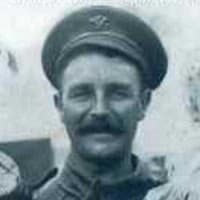
Frederic Manning was an Australian poet and novelist.

Ashley Antoinette
4.6

Mark McDonald
4.4

Luo Guanzhong
4.4

Mia McKenzie
4.3

Dorothy Parker
4.3

Joaquim Maria Machado de Assis
4.3

James Thurber
4.2

Terry Kay
4.2