“There are different kinds of ghosts. Not all of them are scary.”
— Catrina explains to Maya the nature of ghosts in Bahía de la Luna.

Sign in to track this book
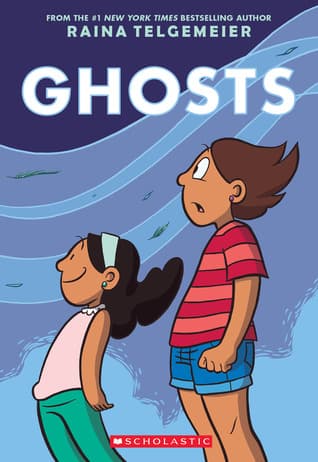
To help her ailing sister connect with spectral residents, a skeptical girl new to town must face her fear of ghosts, who are believed to hold the key to her family's healing.
Catrina 'Cat' and her younger sister, Maya, move with their parents from Southern California to Bahía de la Luna, a small coastal town in Northern California. The move is mainly for Maya's health, as she has cystic fibrosis, and the cool, salty air helps her lungs. Cat is unhappy about leaving her friends and familiar places, showing her frustration and worry about the unknown. Maya, however, is more hopeful and excited about the new adventure. Their parents try to comfort Cat, stressing Maya's health, but Cat remains quiet and nervous about their new life.
Soon after arriving in Bahía de la Luna, Cat and Maya meet their new neighbor, Carlos. Carlos is shy at first but then shares a big secret about the town: many ghosts live there. He invites the sisters on a 'ghost tour,' explaining that ghosts are a normal, accepted part of the community. Maya, fascinated and unafraid, is eager to go, seeing it as an exciting new experience. Cat, though, is scared of seeing spirits and wants nothing to do with Carlos's invitation, which further shows her worries about their new, unusual home.
Despite Cat's fear, Maya's interest in ghosts grows. She wanders off during a family outing and meets a friendly ghost named Pedro, a boy who died many years ago. Pedro is kind and playful, and Maya quickly becomes friends with him, seeing him as a new friend rather than something to fear. Cat, realizing Maya is gone, is frantic. When she finds Maya talking to an invisible entity, her fear grows, a sharp contrast to Maya's happy acceptance. This meeting confirms Maya's belief and excitement about the town's spirits, while making Cat more reluctant.
Carlos starts teaching Cat and Maya about the local ghost traditions, especially the upcoming Día de los Muertos (Day of the Dead) celebration. He explains that on this special day, the line between the living and the dead thins, allowing ghosts to become more visible and interact with their living relatives. Carlos describes building altars (ofrendas) and offering food and memories to welcome back loved ones. Maya is thrilled by the idea of openly interacting with ghosts and possibly seeing Pedro more, but Cat stays uncomfortable and overwhelmed by the cultural differences and the constant presence of the supernatural.
As Día de los Muertos gets closer, Cat's fear of ghosts increases. She sees quick glimpses of them and feels their presence, making her more uneasy in their new home. Her fear creates a distance between her and Maya, who is embracing the town's culture. Cat feels alone, unable to share Maya's excitement and feeling like an outsider in Bahía de la Luna. Her parents, while supporting Maya's curiosity, are less aware of Cat's inner struggle, leaving Cat to deal with her fears mostly alone.
During the Día de los Muertos preparations, Maya's health worsens significantly. Her cystic fibrosis symptoms get worse, leading to coughing and more tiredness. This setback reminds Cat of Maya's chronic illness and her fragile life. The worsening health scare changes Cat's view, making her realize that her fear of ghosts, while real, is less important than the chance of losing her sister. This event strengthens Cat's decision to put Maya's happiness and well-being first, even if it means facing her deepest fears.
Inspired by Carlos's explanations and her wish to make Maya happy, Cat decides to help her sister build an ofrenda in their home for Día de los Muertos. They gather photos of deceased relatives and place Maya's favorite snacks and toys on the altar. As they work, Cat starts to understand the deeper meaning of the tradition. It is a way to remember and honor loved ones, not just to fear their spirits. This act, driven by her love for Maya, is a small but important step in Cat's journey to accepting the supernatural parts of Bahía de la Luna.
On the night of Día de los Muertos, the entire town of Bahía de la Luna comes alive with celebrations. People gather in the plaza, with colorful decorations, music, and food. Cat, still hesitant at first, is drawn into the festive mood. She sees families openly interacting with their ghost relatives, sharing laughter and stories. She sees the joy and comfort the tradition brings to the community, realizing that the ghosts are not just scary figures but loved family members. This public display of acceptance and love begins to lessen Cat's deep-seated fear.
During the Día de los Muertos festivities, Cat has a powerful experience. She sees Pedro, Maya's ghost friend, and also meets other spirits, including her own deceased abuelo (grandfather). The spirits appear not as terrifying figures, but as gentle, translucent presences. She realizes that the ghosts are not there to harm but to connect with their living loved ones, powered by memory and affection. This direct, personal meeting, especially with her abuelo, helps Cat finally overcome her fear. She understands that the ghosts are a beautiful, essential part of life and memory in Bahía de la Luna.
With her fear of ghosts gone, Cat feels peaceful and like she belongs in Bahía de la Luna. She can now share in Maya's excitement and wonder, making their sisterly bond stronger. She understands that the ghosts are part of the town's unique charm, and that accepting them means accepting her new home and its culture. The story ends with Cat feeling more at ease, having found a way to handle her worries and accept the extraordinary reality of her new life. She looks forward to her future in Bahía de la Luna, with Maya and their spectral friends.
The Protagonist
Cat transforms from a fearful and resistant girl into someone who accepts and even embraces the supernatural, finding peace in her new home and strengthening her bond with her sister.
The Supporting
Maya remains consistently optimistic and brave, her journey is more about inspiring Cat and enjoying her new life despite her illness.
The Supporting
Carlos serves as a consistent source of information and support, his arc is one of gentle guidance.
The Supporting
Pedro's role is to be a consistent, friendly ghost presence, his arc is static.
The Supporting
They facilitate the family's move and provide a stable home environment, gradually becoming more aware of the supernatural aspects of their new life.
The Mentioned
His appearance provides a catalyst for Cat's final acceptance of ghosts.
Maya's cystic fibrosis is a main theme. It shows how fragile life is and how chronic illness affects a family. The move to Bahía de la Luna is directly because of Maya's health, and her occasional health scares highlight the constant threat of her condition. This theme contrasts with the town's acceptance of death through its ghost culture, offering a unique view of mortality. Cat's fear of losing Maya drives her actions, pushing her to overcome her own fears for her sister's happiness, as seen when Maya's health gets worse before Día de los Muertos.
“Just because you can't see something doesn't mean it's not there. And just because you can see something doesn't mean it can hurt you.”
Cat's initial dislike of moving and her deep fear of ghosts show her struggle with change and the unknown. She holds onto what is familiar and is very uncomfortable with the new, supernatural reality of Bahía de la Luna. The story follows her slow journey from fear and denial to accepting and embracing her new home and its customs. This theme is clear in her initial refusal to join Carlos's ghost tour, contrasting with her later participation in Día de los Muertos and her ability to see and interact with spirits.
“It's not about being scared, Cat. It's about remembering.”
The bond between Cat and Maya is the story's emotional center. Cat's deep love and protectiveness for Maya motivate her to face her biggest fears. Despite their different personalities—Cat's worry versus Maya's hope—their connection stays strong. Cat's choice to help Maya build an ofrenda and join Día de los Muertos, despite her terror, is a powerful act of sacrifice driven by her wish for Maya's happiness, especially given Maya's illness. This theme shows how love can help people overcome personal challenges.
“I would do anything for Maya, even if it meant facing my worst fear.”
The novel integrates Mexican cultural traditions, especially Día de los Muertos, into the story. The town of Bahía de la Luna has a strong cultural identity where the living and the dead live together peacefully. Building ofrendas, celebrating in the plaza, and remembering ancestors are central to the town's way of life. This theme explores how culture offers comfort, connection, and a unique perspective on life and death, contrasting with Cat's initial outsider view and her eventual immersion into this rich heritage.
“On Día de los Muertos, the veil between worlds is thinnest. That's when we can see our loved ones who have passed on.”
Hints of future events or revelations about the town's nature.
Foreshadowing is used early in the story to establish the supernatural elements of Bahía de la Luna. Cat's fleeting glimpses of shadowy figures or a sense of being watched before she even knows about the ghosts subtly prepares the reader for the town's unique reality. Carlos's initial mysterious demeanor and his invitation to a 'ghost tour' without full explanation also serve as foreshadowing, building anticipation and setting the tone for the fantastical elements to come.
The holiday symbolizes remembrance, acceptance of death, and the continuity of family.
Día de los Muertos is not just a setting but a powerful symbol in the narrative. It symbolizes the town's healthy relationship with death and remembrance, contrasting sharply with Cat's fear of it. The altars (ofrendas) symbolize the enduring connection between the living and the dead, a place where memories and love transcend physical absence. The celebration itself symbolizes community, tradition, and the idea that death is a part of life, not an end, ultimately helping Cat to reframe her understanding of mortality and the supernatural.
A metaphorical and literal barrier between the living and the dead.
The concept of a 'veil' between the living and the dead, which thins during Día de los Muertos, functions as a key plot device. It provides a magical explanation for the visibility and interaction of ghosts. This device not only drives the plot by setting a timeline for the most significant ghost encounters but also serves to justify the supernatural elements within the story's reality. It offers a tangible explanation for the otherwise intangible presence of spirits, making their interactions with the living more comprehensible and impactful for Cat's journey.
Contrasting characters highlighting each other's traits and development.
Maya serves as a significant character foil to Cat. Maya's unwavering optimism, curiosity, and fearlessness regarding ghosts directly contrast with Cat's anxiety, fear, and reluctance. This dynamic highlights Cat's internal struggles and external reactions more sharply. Maya's acceptance of the supernatural pushes Cat to confront her own fears, demonstrating the impact of their contrasting perspectives on each other's growth. The foil relationship underscores the central theme of overcoming fear through love and acceptance.
“There are different kinds of ghosts. Not all of them are scary.”
— Catrina explains to Maya the nature of ghosts in Bahía de la Luna.
“Everywhere you go, there are ghosts. Of people, of memories, of feelings.”
— Catrina reflects on the pervasive presence of the past.
“Sometimes you just have to do things even if they're scary.”
— Catrina's internal monologue about facing her fears for Maya's sake.
“I wish I could be brave like you.”
— Maya says this to Catrina, admiring her sister's courage.
“It's okay to be scared. Everyone is scared sometimes.”
— Catrina reassures Maya about her fears.
“The Day of the Dead isn't about being sad. It's about remembering and celebrating.”
— Catrina explains the true meaning of Día de los Muertos to her parents.
“Maybe being scared is just part of it. Part of being alive.”
— Catrina's internal thought as she grapples with her anxieties.
“We moved to Bahía de la Luna because the air is good for Maya.”
— Catrina's parents explain the reason for their relocation.
“You can't let your fear stop you from living.”
— Catrina's grandmother gives her advice about facing life's challenges.
“Some ghosts are just feelings that linger.”
— Catrina's mother offers a different perspective on ghosts.
“It's not about being fearless, it's about doing what you need to do despite the fear.”
— Catrina's father gives her a subtle lesson in courage.
“We don't forget them. We remember them.”
— Catrina thinking about the purpose of Día de los Muertos.
“Being here makes me feel... closer to everything.”
— Maya expresses her connection to the spiritual atmosphere of Bahía de la Luna.
“Sometimes the scariest things are the ones inside your head.”
— Catrina realizes that her own anxieties are often her biggest challenge.
Ready to see how well you understood this book? Take our interactive quiz with 10 questions.
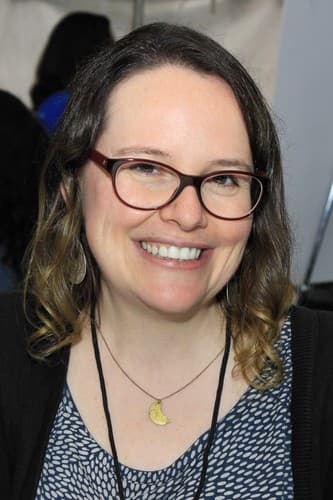
Biography coming soon.

Ashley Antoinette
4.6

Mark McDonald
4.4
Luo Guanzhong
4.4

Mia McKenzie
4.3

Dorothy Parker
4.3
Joaquim Maria Machado de Assis
4.3

James Thurber
4.2
Terry Kay
4.2