“Living with a person is like living with a large library. There are books you know, books you don't, and books you've forgotten.”
— Jonna reflecting on her long friendship and cohabitation with Mari.

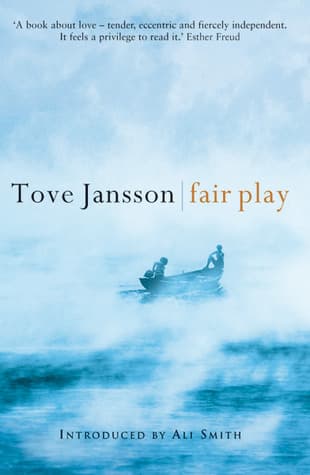
Sign in to track this book
Two aging artists navigate decades of intertwined lives through shared studios, solitary islands, and the American Southwest, transforming contentment into hard-won love and surprising discovery.
The novel opens by showing Mari, a writer, and Jonna, an artist, in their living situation. They live in separate studios at opposite ends of a large apartment building in Helsinki, connected by a long, shared attic passageway. This physical arrangement reflects their relationship: close yet independent. They have a routine of companionship and creative collaboration that has lasted decades. Jonna, the more impulsive of the two, often bursts into Mari's studio with new ideas or observations. Mari, more reserved, provides a steady anchor. Their days are filled with work, shared meals, and discussions about art, films, and life, often with minor disagreements that quickly fade, showing the deep affection and understanding beneath.
Jonna, in a moment of enthusiasm, buys a large collection of old, often obscure, film reels from a closing archive. This impulsive act becomes a shared project, as the films need cleaning, repair, and viewing. Mari, initially doubtful of the films' volume and condition, soon gets involved. They spend many hours in Jonna's studio, watching everything from classic Westerns to avant-garde European cinema, having spirited debates about artistic merit. This shared work highlights their complementary personalities: Jonna's bold initiative and Mari's careful analytical approach, both contributing to their shared enjoyment and intellectual stimulation.
They spend much of their lives on a small, remote island, a setting that appears often in Jansson's work. Here, they find solitude good for their creative work. Mari writes, often observing nature and human behavior, while Jonna focuses on her art, often painting the sea and the rocky landscape. The island provides a setting for their quiet routines, shared meals, and individual struggles with their crafts. It is a place where their unspoken understanding deepens, where nature's rhythms dictate their days, and where they often find inspiration in the stark beauty of their surroundings, strengthening their bond through shared experience and respect for each other's creative space.
A cornerstone of Mari and Jonna's relationship is their commitment to artistic honesty, even when it means giving harsh criticism. Jonna often brings her latest paintings to Mari for an assessment, and Mari, in turn, shares her manuscripts. Their critiques are direct, sometimes causing brief friction, but always based on deep respect for each other's talent and a desire for the other's work to be its best. Mari might point out a weakness in Jonna's composition, while Jonna might challenge Mari's choice of words. This rigorous exchange of ideas helps their creative processes, fostering growth and preventing complacency, showing their 'fair play' in life and art.
Mari and Jonna travel through the American Southwest, a sharp contrast to their familiar Northern European landscapes. This trip gives them new sensory experiences and chances for shared adventure. They visit deserts, see unique rock formations, and encounter different cultures. Jonna, with her artist's eye, is captivated by the light and colors, while Mari, the writer, observes human interactions and the stories in the landscape. The change of scenery invigorates their senses and conversations, letting them see the world, and each other, with new eyes, strengthening their shared love for exploration and discovery.
A small incident, like Jonna accidentally breaking a window in Mari's studio, becomes a moment for reflection. While Mari might first express exasperation, the event quickly turns into a discussion about the value of material possessions versus the value of their shared life and work. They often find humor in such mishaps, showing their ability to handle minor annoyances with grace and perspective. These everyday occurrences, seemingly trivial, reveal their life's philosophy: that comfort and companionship outweigh inanimate objects, and that their bond is strong enough to withstand minor damages and inconveniences.
Occasionally, their solitary existence is interrupted by friends or acquaintances, either at their Helsinki apartment or on the island. While Mari and Jonna are polite hosts, these interruptions often show their preference for each other's company and their established routines. They observe their guests with quiet amusement, sometimes finding their social conventions or anxieties a contrast to their own unburdened way of life. These interactions show their contentment with their self-contained world and their appreciation for their deep understanding, which often makes external company feel unnecessary after a short while.
Throughout the narrative, it is clear that Mari and Jonna's lives are not just lived, but crafted. Their routines, shared meals, discussions, and individual creative pursuits are woven into a cohesive and meaningful existence. They approach daily tasks and major projects with the same dedication and attention to detail. The way they organize their studios, the books they read, the films they watch, and the conversations they have all contribute to a life that is, in itself, a work of art. This dedication to living fully and consciously is a central theme, illustrating how their intertwined lives become the beauty of a well-examined and shared existence.
Mari and Jonna expertly balance their need for solitude, essential for their creative work, and their desire for companionship. They understand and respect each other's rhythms, knowing when to offer support and when to provide space. Their separate studios and the shared attic symbolize this balance; they are close enough for immediate connection but distant enough for individual focus. This mutual respect for each other's inner worlds and external needs marks their relationship, allowing both to flourish creatively and personally without sacrificing their deep connection, showing a mature and evolved form of partnership.
Decades of shared life have created an almost telepathic understanding between Mari and Jonna. They often communicate through glances, gestures, or unfinished sentences, knowing what the other means. This unspoken language shows the depth of their bond, allowing them to anticipate each other's needs, moods, and thoughts without explicit words. This deep empathy and intuition are the foundation of their contented partnership, enabling them to navigate life's complexities with seamless, almost effortless, coordination, highlighting the quiet intimacy that defines their enduring relationship.
Mari and Jonna's lives have a series of cherished rituals that bring structure and comfort to their days. From their morning coffee discussions to their evening film viewings, these routines are not strict rules but comforting anchors. They have specific ways of sharing meals, discussing their work, and even arguing. These rituals, built over decades, provide a framework for their shared existence, strengthening their connection and sense of belonging. They are small, repeated acts of intimacy that show the deep contentment they find in their predictable yet rich life together.
The Protagonist
Mari's arc is subtle, showing a deepening contentment and acceptance of her unique life, finding profound joy in her shared existence with Jonna.
The Protagonist
Jonna's arc illustrates a continued embrace of her creative spirit and a deepening appreciation for the stable, loving foundation Mari provides.
The novel portrays Mari and Jonna's lives as a continuous act of creation. Their daily routines, discussions about art and film, and individual artistic endeavors are all woven into a cohesive and meaningful existence. They approach life itself with the same dedication and critical eye they apply to their writing and painting. This theme is evident in their careful organization of studios, shared film analyses, and commitment to honesty in artistic critique, suggesting that a well-examined and consciously lived life is the ultimate masterpiece. Their partnership is a carefully constructed, evolving work of art.
“They had learned to live in the space between two studios, between two minds, making a third, invisible studio where everything was created anew.”
Fair Play offers a depiction of a long-standing, contented partnership built on mutual respect, understanding, and shared values. Mari and Jonna's relationship is not driven by dramatic conflict but by the quiet joy of companionship. They provide each other with intellectual stimulation and emotional support, handling minor disagreements with grace. Their ability to respect each other's need for solitude while cherishing their togetherness shows a mature and deeply fulfilling bond. The contentment they find is hard-won, a result of decades of 'fair play' and an unspoken agreement to prioritize their shared life and creative pursuits.
“They had long ago understood that the most profound conversations often happened in silence, or in the shared gaze at a peeling wall.”
A core theme is the balance between personal freedom and deep connection. Mari and Jonna live in separate studios, symbolizing their individual creative spaces and personal identities, yet they are connected by a shared attic and a strong bond. They allow each other the freedom to pursue their own work and thoughts, while always returning to the comfort of their shared existence. This dynamic helps their creative flourishing; neither feels stifled by the other, but both are enriched by the other's presence. Their relationship shows that true intimacy does not demand merging, but celebrates distinctness within a shared life.
“They were two separate islands, yet the sea between them was always calm and navigable.”
The novel emphasizes the comfort and meaning found in established routines and rituals. Mari and Jonna's days are structured by habitual actions – morning coffee, shared meals, film viewings, and specific ways of discussing their work. These rituals are not monotonous but provide a stable framework for their lives, fostering security and continuity. They are small, repeated acts of intimacy that deepen their connection and reinforce the predictability that allows their creative minds to thrive. These daily rhythms become a silent language of their enduring love and shared existence.
“The small, repeated gestures were the true architecture of their lives, more solid than any wall.”
A physical symbol of connection and separation.
The attic passageway connecting Mari and Jonna's separate studios serves as a central symbol. It physically represents their unique relationship dynamic: they are distinctly individual, each with their own creative space, yet intimately linked and always able to cross the threshold into the other's world. This device highlights the balance between independence and interdependence, illustrating how their lives are intertwined without being merged. It's a space of transition and connection, reflecting the fluidity and ease of their decades-long partnership.
Creative works (films, paintings, books) as mirrors for their experiences.
Art, in its various forms (Jonna's painting, Mari's writing, and the films they watch), functions as a continuous lens through which the characters, and the reader, interpret life. Their discussions about films, their critiques of each other's work, and their own creative processes are not mere hobbies but integral to their understanding of the world and themselves. This device allows the narrative to explore deeper philosophical questions about beauty, meaning, and human experience, often using specific artistic examples to illuminate their own relationship and worldview.
A recurring isolated locale symbolizing introspection and self-sufficiency.
The remote island where Mari and Jonna spend significant time acts as a powerful setting device. Its isolation symbolizes their self-contained world and their preference for solitude, especially for creative work. It strips away societal distractions, forcing them to confront their inner selves and rely on each other. The stark beauty of the island reflects their pared-down, essential way of living, emphasizing their contentment with simplicity and their deep connection to nature. It is a place where their relationship is tested and reaffirmed in its purest form.
Minor events revealing deeper truths about their relationship.
The narrative frequently uses seemingly trivial everyday incidents – like a broken window, a shared meal, or a minor disagreement – as microcosms that reveal deeper truths about Mari and Jonna's relationship. These small events are not plot-driving but character-revealing. They showcase the women's patience, their humor, their problem-solving skills, and their profound understanding of each other. This device allows the author to illustrate the quiet strength and resilience of their bond, demonstrating that true contentment lies in how one navigates the small, ordinary moments of life together.
“Living with a person is like living with a large library. There are books you know, books you don't, and books you've forgotten.”
— Jonna reflecting on her long friendship and cohabitation with Mari.
“It was not a question of being right or wrong, but of being happy or unhappy.”
— Describing the underlying dynamic of their arguments and reconciliations.
“The greatest freedom is to be oneself, without being judged.”
— Jonna's internal thoughts about their shared creative space and acceptance.
“Routine is not a cage, but a canvas.”
— Mari's perspective on their daily habits and how they enable their work.
“Silence is not empty. It's full of unsaid things.”
— Observing a moment of quiet between the two women.
“Every day is a new attempt to understand the world, and each other.”
— A general observation about their ongoing lives together.
“To be alone is one thing, to be lonely is another.”
— Jonna contemplating her need for solitude versus the fear of true isolation.
“Art is not about making something new, but about seeing the old in a new way.”
— Mari discussing her approach to her photography and artistic vision.
“The only way to keep a secret is never to tell anyone.”
— A pragmatic thought about privacy in their shared lives.
“Small disturbances create larger patterns.”
— Jonna observing how minor disagreements ripple through their shared existence.
“The light itself is a character in the story.”
— Mari describing her photographic sensitivity to the changing light in their studio.
“Friendship is a long conversation, even when there are no words.”
— A reflection on the deep, unspoken understanding between them.
“Sometimes the most important thing to do is nothing at all.”
— One of the women embracing a moment of quiet contemplation or rest.
“Home is where you can truly be yourself, even the parts you don't always like.”
— A thought about the comfort and acceptance found in their shared home.
Ready to see how well you understood this book? Take our interactive quiz with 10 questions.
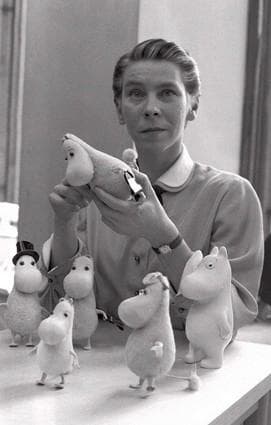
Biography coming soon.

Ashley Antoinette
4.6

Mark McDonald
4.4
Luo Guanzhong
4.4

Mia McKenzie
4.3
Dorothy Parker
4.3
Joaquim Maria Machado de Assis
4.3

James Thurber
4.2

Terry Kay
4.2