BookBrief
Diving Into the Wreck cover
Archivist's Choice

Diving Into the Wreck

Adrienne Rich (1973)

Genre

Fiction

Reading Time

12 Minutes

Key Themes

See below

Track Your Reading

Sign in to track this book

Adrienne Rich explores the wreckage of history and language, finding both scars and lasting truths within the ruins of old power structures.

Synopsis

Adrienne Rich's "Diving Into the Wreck" is a profound collection of poetry that embarks on an intense exploration of self, society, and history, using the metaphor of a sunken ship. The poems delve into themes of feminism, war, patriarchy, and the search for truth amidst the ruins of conventional narratives. Rich's distinctive voice acts as both explorer and cartographer, navigating the wreckage of past injustices and societal structures to unearth the hidden treasures of resilience, identity, and the potential for new understandings. It's a journey into the depths of damage and the prevailing power of the human spirit to confront and reclaim its own story.
Difficulty
Medium
Pacing
Moderate
Mood
Introspective, challenging, empowering, somber, reflective

Plot Summary

Diving Into the Wreck

The main poem introduces the idea of diving into a shipwreck. The speaker carefully prepares, putting on a mask, fins, and a camera. This shows the dive is solitary and intentional. There is no partner or team, only a lone explorer. The wreck is not a real historical event but a symbol of damaged pasts, old power structures, and hidden truths. The tools are for observation, documentation, and understanding. This first dive sets the tone for the whole collection. It shows the speaker's goal: to face buried histories and find lost stories, even if it means confronting darkness and past harms.

Trying to Talk with a Man

This poem examines the deep communication gap between a man and a woman. The speaker describes their attempts to connect, but their words seem to come from different languages and realities. The man talks about 'facts' and 'history,' which dismisses the woman's personal experience and feelings. The woman feels unheard, her reality ignored, as if her existence is being erased or misunderstood through the man's view. This struggle is personal but also shows wider societal patterns where women's experiences are often pushed aside or seen as invalid in male-dominated discussions. This leads to deep isolation and frustration for the speaker.

A Valediction Forbidding Mourning

This poem, with its title referencing John Donne, reworks the idea of a 'valediction' (a farewell). However, instead of forbidding sadness during physical separation, Rich's speaker forbids sadness for the loss of conventional, perhaps idealized, love. She suggests leaving behind relationships based on dependence or traditional expectations, moving toward a more independent understanding of connection. The 'farewell' is to old ways of loving, old roles, and old forms of suffering. It embraces a new, more authentic way of being in a relationship, one that values individual strength and truth rather than merging identities.

In the Wake of the Women

This poem is a strong reflection on female ancestors and the shared experience of women throughout history. The speaker feels the presence and influence of women who lived and struggled before her. Their lives left a lasting mark. It recognizes the 'wake' they left, both the burdens they carried and the paths they created. There is a sense of solidarity and continuity, as the speaker sees herself as part of a larger history of female experience. This connection provides historical context for current struggles and a source of strength. It confirms the lasting resilience and spirit of women.

The Ninth Symphony of Beethoven Undone by Human Voices

Rich uses Beethoven's Ninth Symphony, a major work of Western classical music and a symbol of grand human ambition, to criticize the limits of male-dominated art. The 'human voices' that 'undo' it are those historically silenced or left out of such grand narratives—specifically, the voices of women. The poem suggests that while the symphony aims for universal harmony, it fails to include the full range of human experience, especially the lived realities and suffering of women. It challenges the idea of a single, dominant cultural narrative, arguing for diverse voices to redefine what is considered 'universal' or 'human.'

Purity

This poem analyzes the concept of 'purity' as applied to women. It shows 'purity' not as an inherent good but as a social idea used to control female identity. The speaker reveals how this ideal limits women's freedom, sexuality, and self-expression, often causing shame and self-denial. It explores the mental and physical cost of trying to achieve an impossible and ultimately dehumanizing standard. Rich suggests that true 'purity' is not conventional innocence but integrity, authenticity, and the courage to reclaim one's body and self from outside definitions. It asserts a more complex and empowering understanding of female identity.

Living like weasels

While not in 'Diving Into the Wreck,' 'Living like weasels' is a known essay by Rich (not a poem in this collection). Assuming this is a misunderstanding and focusing on poems from the collection, a relevant poem is 'The Fact of a Doorframe.' This poem explores the physical and emotional impact of an encounter. The speaker's body carries the memory and imprint of another's touch. It speaks to the lasting marks left by intimate experiences and how our physical selves show our histories, even in the everyday setting of a doorframe. It is about the real presence of human connection and its lasting effects.

From a Survivor

This poem is from the perspective of a 'survivor,' suggesting a past relationship that was perhaps destructive or very challenging. The speaker looks back at the remains of that experience, not with bitterness or regret, but with a clear understanding of what happened and her own resilience. There is a sense of having endured and emerged stronger, having shed illusions and gained self-knowledge. The poem celebrates survival itself: the ability to rebuild oneself after deep emotional upset, and the wisdom gained through hardship. It is about the lasting human spirit and the ability to heal.

Rape

This poem confronts the harsh reality of rape, not just as an individual act of violence but as a sign of male power and control. Rich explores the psychological trauma, the violation of self, and how society often blames or silences victims. The poem does not avoid the raw pain and indignity. It also implies a wider criticism of a culture that allows and continues such violence. It highlights the lasting scars, the feeling of betrayal, and the struggle for survivors to reclaim their bodies and voices in a world that often fails to protect them or believe their stories.

Waking in the Dark

This poem explores the private space of waking in the dark. At this time, outside distractions fade and inner thoughts come forward. It is a moment of solitude where the speaker faces her own mind, her fears, desires, and unanswered questions. The darkness is not just an absence of light. It is a metaphor for the subconscious or hidden parts of the self that appear when defenses are down. There is vulnerability but also a quiet strength found in this self-talk, allowing for deeper insights and a clearer understanding of one's own inner truths.


Principal Figures

The Speaker

The Protagonist

The Speaker evolves from a seeker of truth to a more defined and empowered voice, having confronted the 'wreck' and begun the process of rebuilding and reclaiming agency.

The 'Man' (in 'Trying to Talk with a Man')

The Antagonist/Supporting

Remains largely static, serving as a foil to the Speaker's quest for authentic communication.

Ancestral Women

The Supporting

Their collective legacy is reclaimed and celebrated, moving from an unacknowledged past to an empowering presence.

The 'Survivor' (in 'From a Survivor')

The Protagonist

Has moved beyond the immediate trauma to a place of reflection and empowered self-possession.

The 'Weasel' (in 'Living like weasels' - if interpreted as part of the collection)

The Symbolic

Represents a static ideal, a guiding principle for the Speaker's journey.

The 'Raped Woman' (in 'Rape')

The Victim/Survivor

Her experience is presented as a profound trauma, but the poem implies the struggle towards reclaiming self.

Themes & Insights

The Exploration of Wreckage and Hidden Histories

The central idea of diving into a wreck means the speaker's deliberate journey into hidden personal and societal histories. This theme involves uncovering the harm caused by old power systems, forgotten stories, and suppressed truths, especially those related to women's experiences. It is like archeology, not just for looking, but for understanding the origins of current conditions and recovering what has been lost or changed. The wreck is both a place of destruction and a storehouse of valuable, often painful, knowledge.

I came to explore the wreck. / The words are purposes. / The words are maps. / I came to see the damage that was done / and the treasures that prevail.

The Speaker, 'Diving Into the Wreck'

Feminist Critique of Patriarchy

Rich consistently criticizes the widespread influence of traditional systems on language, relationships, and individual identity. This theme appears in examining communication breakdowns between genders ('Trying to Talk with a Man'), taking apart oppressive ideals like 'purity,' and showing sexual violence ('Rape') as a control method. The collection argues that old power structures have shaped history, art, and personal lives, often at the cost of women's independence and truth. This means these structures need a complete re-evaluation and dismantling.

They gave me a name and a number. / I was born into a world of words, / words that had been weaponized.

The Speaker (paraphrased from various poems)

The Reclaiming of Female Identity and Voice

A main theme is asserting a distinct, real female identity, free from traditional definitions. This involves rejecting set roles, challenging societal expectations, and finding a voice that truly represents women's personal experiences. The speaker's journey is one of self-definition, gaining strength from ancestral women and creating new ways of relating and expressing oneself. It is about moving past being defined by others to becoming the author of one's own self and story, a powerful act of freedom.

I came to explore the wreck / and found myself, / a mermaid with a knife.

The Speaker (adapted from 'Diving Into the Wreck' imagery)

The Nature of Language and Communication

Rich often explores the power and limits of language, seeing words as both tools for discovery ('maps') and possible ways of misrepresentation or control. The theme highlights how language from traditional systems can hide truth, create division, and invalidate female experience. On the other hand, the speaker tries to use language for clear expression, resistance, and creating new meanings. This aims for a more authentic and inclusive communication that can bridge divides and reveal hidden realities.

The words are purposes. / The words are maps.

The Speaker, 'Diving Into the Wreck'

Solitude and Self-Reliance

The speaker often undertakes her deep explorations alone. This highlights the need for individual courage and self-reliance in the search for truth. The 'dive' is a solitary act, and moments of introspection, like 'Waking in the Dark,' emphasize the importance of internal communication. This theme suggests that while connection is important, the deepest insights and most significant personal changes often happen when one is alone, facing one's own consciousness and forging an independent path, free from outside approval.

I am she / who is alone, / and she is me.

The Speaker (paraphrased from various poems)

Plot Devices & Literary Techniques

Extended Metaphor

The central image of a deep-sea dive to a sunken wreck.

The entire collection is framed by the extended metaphor of a solitary dive into a shipwreck. This device allows Rich to explore complex themes of history, memory, personal identity, and societal damage in a richly symbolic way. The wreck represents patriarchal structures, buried truths, and the submerged experiences of women. The act of diving symbolizes the deliberate, often dangerous, process of investigation and recovery, emphasizing the courage and tools needed to confront these depths and bring hidden realities to light.

Direct Address and Confessional Tone

The Speaker directly engages the reader with personal revelations.

Rich frequently employs direct address and a confessional, intimate tone, drawing the reader into the Speaker's internal world and intellectual process. This device creates a sense of immediacy and urgency, making the abstract themes feel deeply personal and relatable. By speaking directly and sharing vulnerabilities, the Speaker establishes trust and invites the reader to participate in the journey of discovery, fostering empathy and encouraging self-reflection on similar societal and personal 'wrecks.'

Intertextuality and Allusion

References to other literary works and cultural symbols.

Rich often engages in intertextuality, referencing or reinterpreting existing cultural narratives and literary works, such as John Donne's 'A Valediction Forbidding Mourning' or Beethoven's Ninth Symphony. This device allows her to challenge established patriarchal canons, subvert traditional meanings, and highlight how female experience has been excluded or misrepresented. By engaging with these texts, she reclaims and re-contextualizes them, creating a dialogue that underscores her feminist critique and asserts alternative perspectives.

Symbolism (e.g., mask, book of myths)

Objects representing deeper concepts and ideas.

Throughout the collection, Rich uses various symbols to enrich her themes. The 'mask' and 'fins' represent the necessary tools and protective gear for confronting difficult truths; the 'book of myths' symbolizes the inherited, often patriarchal, narratives that need to be unlearned or rewritten. These symbols provide concrete images for abstract ideas, making the Speaker's journey and her intellectual struggles more tangible and impactful, deepening the reader's engagement with the complex layers of meaning.

Critical analysis

Notable Quotes

Quiz

Test Your Knowledge

Ready to see how well you understood this book? Take our interactive quiz with 10 questions.

10
Questions
~5
Minutes
?
Best Score

Key Questions (FAQ)

The collection explores themes of reclaiming history, challenging patriarchal narratives, and excavating personal and collective trauma. Rich uses the metaphor of diving into a wreck to symbolize a journey into the submerged truths of the past and the present.

About the author

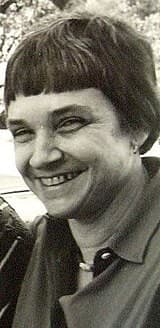
Adrienne Rich

Adrienne Rich was a highly influential American poet, essayist, and feminist. Her 1973 collection, 'Diving into the Wreck,' won the National Book Award and is considered a landmark work of second-wave feminism. Rich's poetry often explored themes of gender, sexuality, race, and social justice, earning her numerous accolades throughout her career.