“I was to suffer for what I had not committed, and to be an example of the danger of having recourse to the justice of our country.”
— Caleb reflects on his unjust imprisonment and the corruption of the legal system.


William Godwin (2005)
Genre
Mystery
Reading Time
9-10 hours
Key Themes
See below
Sign in to track this book
A young secretary unearths his aristocratic employer's dark secret, only to become the victim of a relentless and tyrannical persecution that exposes the corrupt hierarchies of 18th-century England.
Young Caleb Williams, an inquisitive and intelligent man, secures a position as secretary to the wealthy and respected Mr. Ferdinand Falkland. Initially, Caleb admires Falkland's intellectual prowess and refined character, but he soon observes a deep melancholy and an almost neurotic sensitivity to his reputation. Caleb learns of Falkland's past connection to Barnabas Tyrrel, a brutal squire who terrorized his tenants and neighbors. Falkland, known for his benevolence, had a public altercation with Tyrrel that resulted in Tyrrel's humiliation and eventual death, though the circumstances surrounding Tyrrel's demise remain vague and shrouded in local gossip, fueling Caleb's growing curiosity about his master's hidden sorrow.
The local community is affected by the murder of Barnabas Tyrrel. Two innocent men, father and son, named the Robinsons, are falsely accused and ultimately executed for the crime, despite protesting their innocence. This injustice deeply disturbs Caleb, and he begins to connect Tyrrel's death, Falkland's gloom, and the intense secrecy surrounding the events. Caleb's intellectual drive compels him to investigate further, despite the danger of prying into his master's private affairs. He starts to piece together fragments of conversations and observations, developing a growing suspicion that Falkland holds a dark secret related to Tyrrel's demise and the Robinsons' fate.
Driven by curiosity, Caleb dedicates himself to uncovering Falkland's secret. He uses various subtle methods of observation, listening to conversations, and piecing together facts. Eventually, through deduction and careful questioning, Caleb confronts Falkland, subtly hinting at his knowledge. Under the pressure of Caleb's persistent, albeit indirect, interrogation, Falkland breaks down. He confesses that he, in a moment of uncontrollable rage and a desire to protect his honor from Tyrrel's repeated provocations, was the murderer of Barnabas Tyrrel. Falkland reveals his elaborate scheme to frame the Robinsons, ensuring his own reputation remained untarnished.
Upon hearing Falkland's confession, Caleb, though initially overwhelmed, vows to keep the secret, out of loyalty and pity for his master's tormented soul. However, Falkland, consumed by paranoia and the fear of his carefully constructed reputation crumbling, cannot trust Caleb. Instead of gratitude, he sees a threat. Falkland uses his wealth, influence, and social standing to systematically persecute Caleb. He spreads false rumors, frames Caleb for theft, and ensures that Caleb is ostracized from society. Realizing the futility of remaining, Caleb is forced to flee Falkland's estate, becoming a hunted man with nowhere to turn, his life irrevocably altered by his discovery.
Caleb's life transforms into a harrowing existence as a fugitive. He constantly changes his name and location, moving from town to town, always looking over his shoulder. Falkland's agents, relentless in their pursuit, track him down repeatedly. Caleb experiences extreme poverty, hunger, and the constant fear of exposure. He attempts to find work and live anonymously, but Falkland's reach is too extensive, his network of spies and informants too effective. Eventually, Caleb is apprehended and unjustly thrown into prison, accused of the theft Falkland orchestrated. His time in prison is brutal, marked by despair and the crushing weight of false accusations, further cementing his understanding of societal injustice.
After a period of suffering in prison, Caleb manages to orchestrate an escape. He emerges from captivity more determined than ever to clear his name and expose Falkland's tyranny. He attempts to publish his story, hoping to garner public sympathy and reveal the truth about Falkland's guilt in Tyrrel's murder and the framing of the Robinsons. However, Falkland's reputation and power are too formidable. People refuse to believe Caleb's claims against such a respected figure. His attempts to seek justice through the legal system are met with skepticism and dismissal, as Falkland's influence extends even into the courts, rendering Caleb powerless.
During his flight, Caleb encounters a community of benevolent robbers led by a man named Raymond. This group, living outside conventional society, offers Caleb a brief respite and a different perspective on justice and social order. However, even among them, Caleb's past eventually catches up. Falkland's relentless pursuit continues, his agents infiltrating even these hidden enclaves. The constant pressure and the understanding that Falkland will never cease his persecution drive Caleb to desperation. He realizes that his life will never be his own as long as Falkland remains at large and his secret unexposed.
Exhausted and seeing no other recourse, Caleb decides on a radical course of action: a public declaration. He gathers what little evidence and testimony he can, determined to finally bring Falkland's crimes into the light, regardless of the personal cost. He appears before a magistrate and formally accuses Falkland of the murder of Tyrrel and the subsequent persecution of himself. This bold move forces a confrontation. Falkland, now physically diminished and wracked by guilt and illness, is compelled to appear before the magistrate to respond to Caleb's accusations, setting the stage for the novel's climactic encounter.
In a highly charged public hearing, Caleb presents his case against Falkland. Initially, Falkland attempts to maintain his facade, but Caleb's earnestness, his detailed account of his suffering, and the weight of his unwavering pursuit of truth gradually break him. Falkland, already weakened by illness and years of internal torment, is unable to withstand the public scrutiny and Caleb's compelling narrative. He makes a full, public confession of his murder of Tyrrel, his framing of the Robinsons, and his systematic persecution of Caleb. Overwhelmed by the confession and the shattering of his honor, Falkland collapses and dies shortly thereafter, a victim of his own pride and guilt.
With Falkland's death and public confession, Caleb's name is cleared. He is exonerated, and the truth is finally known. However, this victory is bittersweet. Caleb feels sorrow and regret over Falkland's demise, recognizing the man's initial virtues and the destructive power of a misplaced sense of honor. He reflects on the consequences of his own curiosity and Falkland's pride, and the systemic injustices that enabled such a tragedy. Caleb's triumph comes at the cost of years of suffering, the destruction of his own innocence, and the death of a man he once admired, leaving him with an understanding of human nature's complexities and society's flaws.
The Protagonist
Caleb transforms from an innocent, curious secretary into a hardened, persecuted fugitive, eventually achieving a bittersweet justice at great personal cost.
The Antagonist
Falkland descends from a respected but internally tormented figure to a broken, guilt-ridden man, ultimately confessing and dying from his torment.
The Supporting
Tyrrel's character is static, serving primarily as a catalyst for the main conflict through his life and death.
The Supporting
Emily remains a symbol of innocence and victimhood, her life ending tragically due to the surrounding conflicts.
The Supporting
Collins shifts from an unwitting informant to an active participant in Falkland's campaign against Caleb, driven by loyalty.
The Supporting
Gines remains a persistent and effective antagonist, representing the oppressive forces arrayed against Caleb.
The Supporting
Forester's role is largely static, representing the societal and legal barriers Caleb encounters.
The Supporting
Raymond provides a brief, philosophical interlude for Caleb, offering a different view of society's injustices.
The Mentioned
Their story is a static, tragic event that fuels Caleb's quest for justice.
The novel critically examines the distinction between true justice and the formal legal system, as well as the power of social reputation. Falkland, a respected figure, can manipulate the law to frame innocent men (the Robinsons) and persecute Caleb, while Caleb, the innocent truth-seeker, is branded a criminal by the very system meant to protect him. The narrative shows how reputation and social standing often trump truth and equity, demonstrating the corruption within the established order. Caleb's struggle is to expose this hypocrisy and achieve a justice that the law, as it stands, is unable to provide.
““I had been a man of honour; I had been a man of probity; I had been a man of benevolence. The world gave me credit for these virtues. My life was spent in the practice of them. I was known to be a man of integrity, and I was respected accordingly.””
Godwin illustrates how power, whether social, economic, or reputational, can corrupt individuals and institutions. Falkland's pride and obsession with his honor lead him to commit murder and then to systematically destroy Caleb's life to protect his secret. His power allows him to manipulate the legal system and public opinion. Caleb, despite being the victim, is powerless against this entrenched system. The theme suggests that unchecked power and an inflated sense of self-importance can lead to tyranny and injustice, highlighting the need for vigilance against such abuses.
““The love of fame, when it has been long indulged, becomes the ruling passion of the mind, and the great spring of action. It is a passion which, if it be indulged to an immoderate degree, is productive of the most dreadful consequences.””
Caleb Williams is an exploration of the individual's struggle against an oppressive society. Caleb's curiosity and desire for truth are seen as threatening by Falkland and the societal structures that protect him. As Caleb tries to assert his innocence and expose injustice, he is systematically stripped of his freedom, reputation, and peace. His life as a fugitive, constantly hunted and denied a place in society, symbolizes the crushing weight of institutional power against a single, vulnerable person. The novel questions the nature of 'freedom' when one is constantly under surveillance and suspicion.
““I was a man without a name. I was a man without a country. I was an outcast, a vagabond, a fugitive.””
The novel looks into the elusive and often dangerous nature of truth. Caleb's pursuit of knowledge, while morally justifiable, leads to his undoing. He discovers a truth that society is unwilling or unable to accept, particularly when it implicates a powerful figure like Falkland. The narrative explores the idea that truth, especially uncomfortable truth, can be suppressed by power and reputation. Caleb's journey highlights the personal cost of seeking and revealing truth, suggesting that knowledge is not always liberating, but can be a heavy burden that exposes one to danger and suffering.
““My mind was in a state of perpetual restlessness and anxiety. I saw an object of unbounded curiosity and interest, and I was forbidden to approach it.””
Both Falkland and Caleb experience psychological torment. Falkland is consumed by guilt and paranoia over his secret murder, leading to his melancholic disposition and eventually his physical decline. Caleb endures years of mental anguish, fear, and despair during his persecution, constantly battling false accusations and the injustice of his situation. The novel details the internal struggles of its characters, exploring the corrosive effects of guilt, fear, and the pressure of being hunted. It shows how psychological suffering can be as destructive as physical violence.
““I was a living monument of the tyranny and persecution of Falkland; an object of abhorrence to all honest men, and a spectacle of triumph to all the enemies of justice.””
Provides intimate access to Caleb's subjective experience and internal torment.
The entire novel is narrated by Caleb Williams himself, offering a deeply personal and subjective account of his experiences. This narrative choice immerses the reader in Caleb's thoughts, fears, and observations, making his persecution feel more immediate and poignant. It also highlights the theme of individual perception versus societal judgment, as the reader experiences the events directly through the eyes of the accused, understanding his innocence even when society refuses to believe him. The first-person perspective also emphasizes Caleb's intellectual and emotional journey of discovery and suffering.
The central mystery driving the plot, revealing the hidden corruption of a respected figure.
The core of the plot revolves around Caleb's relentless pursuit of Falkland's secret: the truth behind Barnabas Tyrrel's murder. This device creates suspense and propels the narrative forward as Caleb gathers clues and pieces together the puzzle. The secret's gradual unveiling is not merely a plot point but a thematic cornerstone, symbolizing the hidden corruption beneath a polished societal surface and the dangerous consequences of exposing uncomfortable truths, especially when they implicate powerful individuals like Falkland.
A recurring motif depicting Caleb's relentless persecution and flight.
The motif of the 'hunted man' is central to Caleb's experience throughout the majority of the novel. After discovering Falkland's secret, Caleb is constantly pursued, forced to adopt disguises, change names, and live in fear. This device vividly illustrates the power imbalance between Falkland and Caleb, and the pervasive reach of Falkland's influence. It emphasizes the theme of individual freedom against societal oppression, as Caleb is denied any peace or security, embodying the psychological and physical toll of being an outcast in a society that refuses to believe him.
The repeated failure of the legal system to provide true justice.
The novel repeatedly showcases the failure of the legal system to deliver justice. The most prominent example is the false accusation and execution of the Robinsons for Tyrrel's murder, orchestrated by Falkland. Later, Caleb himself is falsely imprisoned for theft and repeatedly denied a fair hearing when he tries to expose Falkland. This device serves as a scathing critique of the legal and social institutions of Godwin's time, demonstrating how they can be corrupted by wealth, influence, and reputation, leading to profound injustices against the innocent and vulnerable.
“I was to suffer for what I had not committed, and to be an example of the danger of having recourse to the justice of our country.”
— Caleb reflects on his unjust imprisonment and the corruption of the legal system.
“It is a dreadful thing to have been born to a destiny of perpetual misery.”
— Caleb laments his fate as he becomes entangled in Falkland's secret.
“My life was a perpetual flight, and my existence a scene of never-ending alarm.”
— Caleb describes his life on the run from Falkland's agents.
“The human mind, when it is once wounded, is never perfectly cured.”
— A general observation on the lasting psychological impact of trauma.
“Such is the empire of consistency, that it will often hurry us into the most desperate extremes.”
— Reflecting on Falkland's unwavering commitment to maintaining his reputation.
“I had plunged myself into a labyrinth, from which I could never hope to escape.”
— Caleb realizes the depth of his involvement in Falkland's secret.
“What a world is this, where the most exalted virtues may be made the instruments of the most atrocious purposes!”
— Caleb ponders how Falkland's noble qualities are twisted by his secret.
“It is not in the power of man to make a man miserable, if he be not miserable in himself.”
— A philosophical point made about internal versus external sources of suffering.
“The greatest crimes are often committed from the best intentions.”
— Reflecting on Falkland's initial actions to protect his honor, leading to greater evils.
“My mind became a chaos of unconnected ideas, and my heart a prey to the bitterest anguish.”
— Caleb describes his mental state during periods of intense distress and persecution.
“The more I struggled, the more I was entangled.”
— Caleb's futile attempts to escape Falkland's grip and clear his name.
“Reputation is a jewel of inestimable price, but it is a jewel that may be stolen by the meanest thief.”
— A direct commentary on the fragility of reputation, central to Falkland's motivations.
“I was a man without a name, a fugitive without a home, and a victim without a redress.”
— Caleb's self-description during his most desperate period of flight.
“The world is full of injustice, and the innocent are often the prey of the wicked.”
— A general reflection on the pervasive theme of injustice throughout the novel.
Ready to see how well you understood this book? Take our interactive quiz with 10 questions.
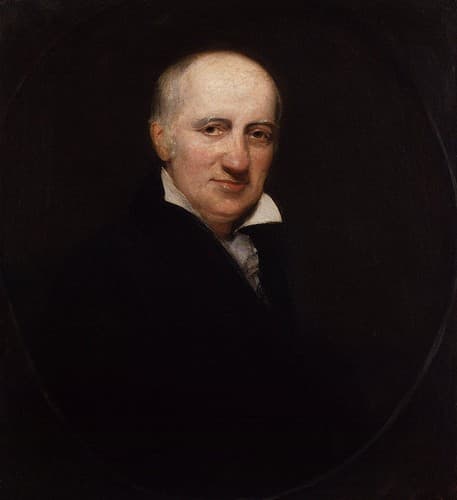
William Godwin was an English journalist, political philosopher and novelist. He is considered one of the first exponents of utilitarianism and the first modern proponent of anarchism. Godwin is most famous for two books that he published within the space of a year: An Enquiry Concerning Political Justice, an attack on political institutions, and Things as They Are; or, The Adventures of Caleb Williams, an early mystery novel which attacks aristocratic privilege. Based on the success of both, Godwin featured prominently in the radical circles of London in the 1790s. He wrote prolifically in the genres of novels, history and demography throughout his life.