Biography coming soon.

Sign in to track this book
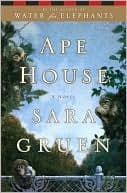
A primatologist who prefers bonobos to humans must team up with a reporter to find her kidnapped, sign-language-proficient apes before they are exploited by a reality TV show.
Isabel Duncan, a primatologist at the Great Ape Language Lab, works with ASL-fluent bonobos: Sam, Bonzi, Lola, Mbongo, Jelani, and Makena. She finds their company more comforting than human interaction. John Thigpen, a reporter facing a stagnant marriage and career, is at the lab for a human interest story about the bonobos. Suddenly, an explosion damages the facility. Isabel is badly hurt, and the bonobos disappear. John's story quickly becomes a mystery.
Isabel wakes in a hospital, injured and worried about her bonobos. She endures painful recovery, physical and mental, with little information about the apes. Authorities focus on the explosion's cause, not the animals. Isabel feels a deep loss and responsibility. She believes the bonobos are in danger and that she is the only one who truly understands them. Her bond with them is like family, and she is determined to find them.
John Thigpen, initially assigned a light story, becomes invested in the bonobos' disappearance. He suspects there is more to the story than a simple escape. His investigation uncovers inconsistencies in official reports and hints of foul play. He questions the motives of people connected to the lab, including animal rights activists who protested outside. John's pursuit of the truth strains his marriage and career, but he feels he must follow the story.
To Isabel's horror and John's surprise, a new reality show, 'Ape House,' premieres, featuring the missing bonobos. The show becomes popular, showing the apes in a luxurious home, ordering food, engaging in sexual activity, and using sign language. The public is fascinated, but Isabel is appalled by the exploitation. She recognizes her bonobos but sees their true nature distorted for entertainment. She knows they are held against their will and wants to rescue them.
Isabel, still recovering, tries to contact the show's producers and authorities, demanding the bonobos' release. She explains their intelligence and the ethical problems of their captivity, but her pleas are ignored. The show's creators deny any wrongdoing, claiming the apes are happy. Isabel faces skepticism; many see her as an overzealous scientist. She feels isolated, watching her apes displayed for public viewing, their signs for 'Isabel' and 'come get us' misunderstood.
Realizing she can't fight alone, Isabel starts forming alliances. John Thigpen, driven by his reporting and a growing connection to Isabel, becomes her main contact. She also connects with Celia, a vegan animal rights activist who, despite initial distrust of scientists, shares Isabel's passion for animal welfare. Later, Amanda, a retired porn star with network connections and her own agenda, joins them. This diverse group unites to free the bonobos.
As Isabel, John, Celia, and Amanda work, they start to uncover the truth behind 'Ape House.' They find evidence that the lab explosion was not an accident but a deliberate act to get the apes into the show's hands. The show is a front for a larger scheme involving unethical research, financial gain, and exploitation of the bonobos' abilities. They discover powerful figures are involved, including Dr. Eugene Bellwether, Isabel's disgraced former colleague, who orchestrated the operation for his own scientific ambitions and profit.
With the conspiracy clear, the team plans a risky rescue to infiltrate the 'Ape House' set. They know a direct confrontation is impossible due to security and the creators' influence. Their strategy uses their unique skills: John's media access, Celia's activist network, Amanda's entertainment industry knowledge, and Isabel's understanding of bonobo behavior. The plan is dangerous; they must outwit Bellwether, navigate reality television, and avoid detection.
The rescue operation begins. Using misdirection, inside information, and bravery, the team infiltrates the 'Ape House' set. Isabel, despite her injuries, is key; she is the only one who can communicate with and calm the bonobos. The apes recognize her, showing joy and relief, signing their desire to go home. The rescue is tense and chaotic, with close calls. They evade security and smuggle the bonobos out, leaving a trail that could lead to exposure and recapture.
After the rescue, the bonobos are taken to a secure, secret location to recover. Isabel cares for them, slowly rebuilding their trust. John publishes an exposé revealing the truth about 'Ape House' and Dr. Bellwether's unethical practices, leading to public outrage and legal action. The immediate danger is over, but the team knows their work continues. They must advocate for the bonobos' long-term well-being and protect them from exploitation, ensuring they live with dignity and freedom.
The Protagonist
Isabel learns to navigate human relationships and trust others, realizing she cannot achieve her goals alone. She moves from isolated academic to an active participant in a broader social fight.
The Supporting
John transforms from a jaded reporter seeking a scoop to a committed advocate for justice, risking his personal life for a cause he believes in. He finds personal and professional redemption.
The Supporting
Sam, along with the other bonobos, endures captivity and exploitation but maintains his inherent intelligence and desire for freedom, ultimately returning to a more natural, protected environment.
The Supporting
Celia overcomes her initial prejudices against scientists to form a strong alliance, learning that diverse approaches are necessary for effective advocacy.
The Supporting
Amanda uses her past experiences and connections for a greater good, finding a new purpose in fighting for ethical treatment and exposing media manipulation.
The Antagonist
Bellwether's ambition and unethical practices lead to his downfall and exposure, highlighting the consequences of scientific hubris.
The Supporting
Lola endures exploitation on 'Ape House' but ultimately returns to a safe environment where her maternal instincts and intelligence can thrive freely.
The Supporting
Mbongo's playful spirit is initially exploited for reality television, but he is eventually freed to express his true nature in a secure, ethical environment.
The novel explores the ethics of studying and displaying intelligent animals. It questions how much control humans should have over other species, especially those with complex communication and emotions. The 'Ape House' reality show is an example of extreme exploitation for entertainment, contrasting with Isabel's respectful research. The story asks readers to consider animal welfare beyond basic needs, including their mental well-being and independence.
“They were not pets. They were not children. They were not humans. They were bonobos, and they were magnificent.”
A main theme is the nature of communication, between species and within them. The bonobos' ASL skills highlight their intelligence, yet their requests on 'Ape House' are misunderstood. Isabel often finds it easier to communicate with bonobos than with people, pointing to human failures in empathy. The novel suggests that true understanding requires more than just shared language; it needs genuine effort, respect, and an open mind to different forms of intelligence.
“The world was full of people who didn't understand, and those people were dangerous.”
The novel criticizes the sensationalism and lack of ethics in reality television and media. 'Ape House' is a plausible depiction of how media can twist truth, exploit individuals (human and animal), and shape public opinion for profit. It examines the public's desire for spectacle and the blurred lines between reality and entertainment. The show's success highlights the dangers of prioritizing ratings over authenticity and ethics.
“They weren't watching bonobos. They were watching what people wanted bonobos to be.”
The idea of family goes beyond traditional human definitions in 'Ape House.' Isabel considers the bonobos her family, showing a deep bond that crosses species. Her dedication to them is like a parent's love, and their signs for 'Isabel' and 'come get us' reinforce this connection. The novel explores how chosen families, formed through shared experiences and emotional ties, can be as strong as biological ones, challenging typical ideas of kinship.
“You don't choose your family, but you choose who you fight for.”
The book questions humanity's self-proclaimed superiority and its effect on other species. By presenting intelligent, ASL-speaking bonobos, the novel blurs the lines between human and animal, prompting reflection on our shared evolution and responsibilities. It critiques the human-centered view that often justifies exploitation. The bonobos, despite being 'animals,' often show more empathy than many human characters, suggesting a need for humility and a re-evaluation of humanity's role as caretakers, not dominators, of the natural world.
“The more I learned about bonobos, the less I understood about people.”
Bonobos' ability to use American Sign Language.
The bonobos' proficiency in American Sign Language is a central plot device. It elevates them beyond mere animals, allowing them to express complex thoughts, emotions, and even pleas for help. This device directly fuels the ethical questions of the novel, as their ability to 'speak' makes their exploitation in 'Ape House' particularly heinous and undeniable. It also serves as a key tool for Isabel to connect with and ultimately rescue them, forming the foundation of her bond with them and their ability to signal their distress.
A fictional reality TV show exploiting the bonobos.
This reality show functions as both a major plot driver and a powerful satirical device. It's the mechanism by which the bonobos are exploited and publicly paraded, creating the central conflict for Isabel and her allies. As a satirical element, it critiques media sensationalism, the public's voyeuristic tendencies, and the ethical void often present in reality television. The show's content, which misrepresents the bonobos, is crucial for highlighting the theme of communication and misunderstanding.
A diverse group of characters uniting for a common cause.
The formation of an alliance between Isabel (scientist), John (reporter), Celia (activist), and Amanda (retired porn star) is a key plot device. This diverse group, initially disparate in backgrounds and motivations, must overcome their differences to work together. This device allows for multiple perspectives on the central conflict, provides varied skill sets essential for the rescue mission, and highlights the novel's theme of finding common ground across social divides. Their collaboration is essential for overcoming the powerful forces arrayed against them.
The inciting incident that sets the entire plot in motion.
The explosion at the Great Ape Language Lab serves as the primary inciting incident. It not only injures Isabel and 'liberates' the bonobos but also transforms John's mundane assignment into a high-stakes mystery. This event is revealed to be a deliberate act, a crucial piece of the conspiracy that drives the narrative forward. It establishes the immediate peril for the bonobos and sets Isabel on her desperate quest, radically altering the lives of the main characters and initiating the unraveling of a larger plot.
Ready to see how well you understood this book? Take our interactive quiz with 10 questions.
Biography coming soon.