“There are some people who can make you feel instantly at home, as if you've known them all your life, and others who, no matter how long you know them, always feel like strangers.”
— Reflecting on the nature of human connection and familiarity.

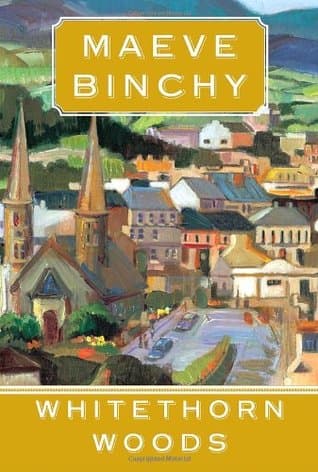
Maeve Binchy (2006)
Genre
Romance
Reading Time
360 min
Key Themes
See below
Sign in to track this book
In the charming Irish village of Rossmore, the proposed bypass through Whitethorn Woods ignites a debate between tradition and progress, as Father Flynn navigates the interwoven stories and secret hopes of his parishioners, all while the fate of the ancient St. Ann's Well hangs in the balance.
The quiet Irish town of Rossmore faces a major change with the announcement of a new bypass highway that will cut through Whitethorn Woods. This development sparks heated debate among the townspeople: some see it as progress and economic prosperity, while others fear it will destroy Rossmore's character and bypass its businesses entirely. At the center of the controversy is St. Ann's Well, a revered site at the edge of the woods, believed by many to possess spiritual power and a place where generations have come to share their hopes and fears. Young Father Brian Flynn, newly assigned to the parish, finds himself caught in the middle, tasked with understanding the community's diverse opinions before the well's fate is sealed by the highway's path.
Ned, the local historian and a strong supporter of St. Ann's Well, researches its history. He finds old maps, local legends, and personal testimonies that show its deep importance to Rossmore. He believes the well is more than just water; it is a sacred site with centuries of prayers and wishes, and its destruction would be a loss to the town's heritage and spiritual life. Ned takes it upon himself to teach Father Flynn and anyone who will listen about the well's meaning, hoping to sway public opinion and prevent its demolition, even as the highway project moves forward.
Mr. Kennedy, the lead developer for the highway project, represents the opposing view. He is a practical businessman who sees St. Ann's Well as an inconvenient relic, an obstacle to modern infrastructure and economic advancement. He dismisses the spiritual and historical claims surrounding the well as sentimental, prioritizing efficiency and cost. Mr. Kennedy argues that the highway will bring jobs and connect Rossmore to larger markets, benefits that outweigh preserving what he considers a mere puddle. His stance creates a direct clash with Ned and the well's supporters, further dividing the community.
Vera, a successful woman who left Rossmore years ago to build a life in Dublin, returns to her hometown, initially not caring about the highway debate. However, as she reconnects with old friends and familiar places, she gets drawn into the discussion about St. Ann's Well. Vera has a personal history with the well; as a young girl, she made a wish there that she believes came true, shaping her life. Her return forces her to confront her past and re-evaluate her priorities, as she finds herself unexpectedly invested in the well's fate, bridging the gap between her modern, urban life and the traditions of her childhood.
Father Brian Flynn, a young priest with a modern outlook, grapples with the complexities of the St. Ann's Well controversy. He respects the historical and spiritual meaning that many townspeople attribute to the well, understanding their emotional connection. However, he also recognizes the practical arguments for the highway and the potential economic benefits for Rossmore. Father Flynn feels responsible to his flock, wanting to make a decision that is both spiritually sound and good for the community's future. He spends his days listening patiently to all sides, trying to find the true path forward amid conflicting desires and beliefs, often feeling overwhelmed by the decision.
As the debate grows, many townspeople share personal stories and anecdotes related to St. Ann's Well. Some recount wishes made there that seemingly came true, attributing their successes in love, career, or health to the well's power. Others speak of comfort found in its peaceful presence during times of sorrow or uncertainty. These narratives, passed down through generations, highlight the well's deep psychological and emotional meaning to the community, whether its power is supernatural or simply a strong symbol of hope and tradition. Father Flynn listens intently, understanding that these stories are as much a part of the well as its physical location.
The impending decision regarding the highway and St. Ann's Well deeply divides the close-knit community of Rossmore. Old friends find themselves on opposing sides, families argue, and local businesses align with either the 'progress' or 'preservation' groups. Public meetings become heated, and the local newspaper is filled with letters expressing strong opinions. Yet, amid the conflict, unexpected alliances also form, as individuals from different walks of life find common ground in their shared concern for Rossmore's future, whether they envision it as a bustling modern town or a guardian of cherished traditions.
During his research and conversations, Father Flynn uncovers a long-buried secret connected to St. Ann's Well, a story that sheds new light on its meaning and the lives of some of Rossmore's oldest residents. This revelation, involving a past tragedy and a hidden act of kindness, adds another layer of complexity to the well's history. It shows that its importance extends beyond simple superstition or historical fact. The secret's disclosure forces several characters to re-evaluate their past actions and relationships, showing how deeply personal histories are linked with the communal memory surrounding the well.
Recognizing the deep emotional and cultural investment in St. Ann's Well, Father Flynn, with the help of Ned and other community leaders, begins to explore alternative solutions to the highway's path. They engage in discussions with Mr. Kennedy and the developers, seeking a compromise that could allow the highway to proceed while also preserving the well, or at least its essence. This search for a middle ground involves negotiations, engineering challenges, and a willingness from both sides to consider new approaches. The community, though still divided, rallies around the idea of finding a solution that respects both tradition and progress.
Ultimately, a creative solution is found that allows the highway to be built while acknowledging the deep meaning of St. Ann's Well. While the exact physical location or form of the well might be altered or relocated, the community commits to preserving its spirit and ensuring its continued role as a place of reflection and remembrance. This resolution is not a complete victory for either side, but it shows Rossmore's ability to adapt and honor its heritage. The well's story becomes a symbol of the town's resilience and its capacity to find common ground, ensuring that future generations will still have a place to connect with the past and make their own wishes.
The Protagonist
Father Flynn evolves from an uncertain newcomer to a wise and respected community leader, finding his voice and guiding his flock through a difficult decision.
The Supporting
Ned learns to temper his rigid traditionalism with an understanding of necessary change, realizing that preservation can take many forms.
The Antagonist
Mr. Kennedy gradually gains a grudging respect for the community's emotional attachment to the well, becoming open to compromise.
The Supporting
Vera reconciles her successful urban life with her rural roots, finding renewed meaning in community and tradition.
The Supporting
Molly learns to balance her practical concerns with an appreciation for the town's heritage, contributing to the search for a holistic solution.
The Supporting
Maeve's quiet faith becomes a powerful, unyielding force that influences the community's ultimate decision, even as the world around her changes.
The Supporting
Declan learns to appreciate the value of tradition and community roots, integrating his desire for progress with respect for heritage.
The Mentioned
Eileen's unwavering belief in the well's power contributes to the collective desire to preserve its essence.
The central conflict of the novel is about preserving long-held traditions, symbolized by St. Ann's Well, and embracing modern progress, represented by the new highway. Characters like Ned strongly defend the historical and spiritual meaning of the well, while figures like Mr. Kennedy and Molly prioritize economic development and infrastructure. Father Flynn navigates this divide, understanding that both elements are important for a thriving community. The town of Rossmore itself shows this tension, trying to maintain its identity while adapting to a changing world, as seen in the debates over its future.
““The well wasn't just a hole in the ground, it was a memory, a hope, a thousand whispered prayers.””
The book explores the relationship between genuine faith, spiritual belief, and local superstitions, particularly concerning St. Ann's Well. While some, like Maeve, hold a deep, unwavering belief in the well's miraculous powers, others, like Father Flynn, grapple with how to reconcile these beliefs with modern theological understanding. The 'wishes' made at the well are presented as both acts of faith and reflections of human desire, questioning whether the power lies in the well itself or in the belief of those who visit it. The story suggests that even if some beliefs are 'superstitious,' the comfort and hope they provide are real and valuable to the community.
““Was it God working through the well, or just the powerful belief of people making their own futures?””
Whitethorn Woods examines how shared history, geography, and collective memory shape a community's identity. The debate over St. Ann's Well is not just about a physical location but about what Rossmore represents and what it will become. The well is a focal point for communal identity, a place where generations have connected, shared, and remembered. The characters' differing opinions reflect their individual visions for Rossmore's future, but their shared concern for the town's essence ultimately binds them. The resolution of the conflict highlights the importance of collective decision-making and the resilience of a community finding its way forward.
““Rossmore wasn't just a place; it was a patchwork of lives, woven together by shared memories and hopes.””
The novel is structured around the diverse voices and personal narratives of the townspeople, showing the power of storytelling to convey history, belief, and individual experience. Each character's account of their connection to St. Ann's Well—whether a tale of a granted wish, a historical anecdote, or a childhood memory—adds to the collective understanding of the well's meaning. These stories are not just entertainment; they are the fabric of Rossmore's heritage, influencing decisions and shaping perceptions. Father Flynn's role as a listener shows the importance of hearing and valuing every voice in a community's story.
““Every stone in Rossmore had a story, and the well had more than most.””
The narrative is presented through Father Flynn's perspective as he gathers community opinions.
The novel uses Father Brian Flynn's role as the central listener and arbiter as a framing device. The plot unfolds largely through his interactions with various townspeople, each offering their personal perspective, stories, and arguments regarding St. Ann's Well and the highway. This allows the author to present a polyphonic view of the community, showcasing diverse opinions without necessarily endorsing one. Father Flynn's empathetic and non-judgmental approach encourages characters to reveal their deepest feelings and histories, making him an ideal conduit for the reader to understand the complex dynamics of Rossmore.
The well symbolizes tradition, spiritual belief, community memory, and the past.
St. Ann's Well serves as the central symbol of the novel. On a literal level, it's a physical site, but its symbolic weight is far greater. It represents the deep roots of tradition, the enduring power of spiritual belief (whether faith or superstition), and the collective memory of the Rossmore community. Its threatened destruction symbolizes the potential loss of identity, heritage, and the intangible connections that bind people together. The well's ultimate fate reflects the possibility of integrating the past with the future, rather than simply sacrificing one for the other.
The highway symbolizes progress, modernization, economic opportunity, and the future.
The proposed bypass highway acts as a powerful symbol of progress, modernization, and the future. It represents the practical and economic aspirations of Rossmore – the desire for better connectivity, increased trade, and opportunities for younger generations. Its planned route directly through Whitethorn Woods and potentially St. Ann's Well highlights the inherent conflict between these modern aspirations and the preservation of tradition. The highway forces the community to confront the costs and benefits of change, and whether growth must always come at the expense of heritage.
The story is told through multiple, interconnected character viewpoints and backstories.
The novel employs interwoven narratives, presenting the story of the highway and the well through the individual perspectives and backstories of numerous Rossmore residents. Each chapter or section often focuses on a different character, revealing their personal history, their connection to the well, and their stance on the community's future. These individual stories gradually build a rich, multifaceted portrait of the town and its people, demonstrating how deeply interconnected their lives are and how their personal histories influence their present-day decisions and beliefs about the well.
“There are some people who can make you feel instantly at home, as if you've known them all your life, and others who, no matter how long you know them, always feel like strangers.”
— Reflecting on the nature of human connection and familiarity.
“Everyone has a story, even if they don't know how to tell it yet.”
— A character's observation about the hidden depths of people.
“Sometimes the greatest adventures are the ones you never planned.”
— Highlighting the unexpected joys and turns in life.
“Love isn't always fireworks and grand gestures; sometimes it's just quiet understanding and a shared cup of tea.”
— A pragmatic view on the true nature of lasting love.
“The past is like a comfortable old armchair; you can sit in it for a while, but you can't live there.”
— Discussing the importance of moving on from past events.
“It's never too late to learn something new, or to change your mind about something old.”
— Encouraging open-mindedness and continuous growth.
“People often think they know what's best for others, but only the heart truly knows its own path.”
— Emphasizing individual autonomy and inner wisdom.
“A good laugh can mend almost anything, even a broken heart, for a little while at least.”
— On the healing power of humor and joy.
“The world is full of small kindnesses, if you only take the time to notice them.”
— Promoting an appreciation for everyday acts of goodwill.
“Sometimes the bravest thing you can do is to ask for help.”
— Challenging the notion that self-sufficiency is always superior.
“Home isn't a place, it's a feeling, and it can be found in the most unexpected people.”
— Redefining the concept of home through human connection.
“Regrets are like shadows; they follow you, but they don't have to define you.”
— A perspective on dealing with past mistakes and moving forward.
“The best stories are not always the ones with happy endings, but the ones that make you feel something real.”
— Reflecting on the emotional impact and authenticity of narratives.
“It's the little things that make life rich, not the grand ones.”
— Emphasizing the value of small, everyday moments.
Ready to see how well you understood this book? Take our interactive quiz with 10 questions.
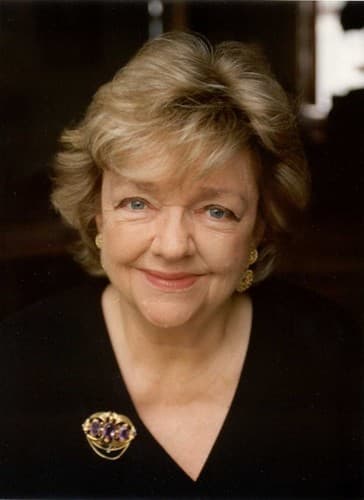
Biography coming soon.