BookBrief
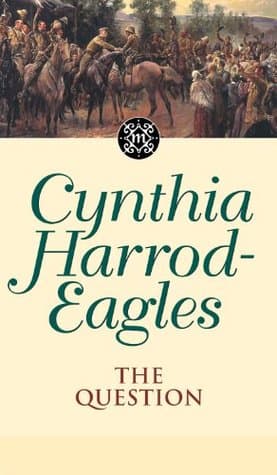
The Question cover
Archivist's Choice

The Question

Cynthia Harrod-Eagles (2002)

Genre

Historical Fiction / Romance

Reading Time

12 Minutes

Key Themes

See below

Track Your Reading

Sign in to track this book

As the Edwardian era begins and the Boer War approaches, the privileged Morland family navigates societal upheaval, personal desires, and the harsh realities of colonial conflict, testing their bonds and changing their futures.

Synopsis

Set against the tumultuous backdrop of late Victorian and early Edwardian England, 'The Question' follows the Morland family as they navigate a rapidly changing world on the cusp of the 20th century. As Teddy endeavors to restore Morland Place, his sister Henrietta's family brings new life to the estate, providing a refuge for her nephew Bertie. However, the encroaching Second Boer War casts a long shadow over their lives. When war is declared, Bertie, like many young men, eagerly volunteers, marching off to South Africa with high spirits. The novel explores the devastating realities of the conflict and its profound impact on those who fight and those who wait at home, questioning the stability of a nation on the brink of a new era.
Difficulty
Medium
Pacing
Moderate
Mood
Historical, reflective, dramatic, poignant

Plot Summary

A New Century Dawns at Morland Place

In 1898, Morland Place, led by Teddy Morland, is experiencing a revival. Teddy, dedicated to restoring the estate, finds his quiet life brightened by his sister Henrietta and her busy family. Henrietta's nephew, Bertie, often finds refuge at Morland Place, preferring it to his own strict home. The Morlands, like the rest of England, are facing significant change. The stability of the Victorian era is ending, replaced by new ideas and challenges. Whispers of international conflict and social movements like socialism and suffragism are starting to spread. The family's personal lives are linked to these larger historical shifts, setting the stage for future events.

Bertie's Sanctuary and Growing Pains

Bertie, Henrietta's beloved 'extra son,' often escapes his strict home life by visiting Morland Place. He finds comfort and a sense of belonging with the Morlands, especially Henrietta, who offers him the warmth and understanding he lacks elsewhere. These visits are important for Bertie's growth, showing him a different way of life from the rigid expectations of his immediate family. His presence brings youthful energy to the household, and his personal struggles reflect society's wider worries about the future and changing individual roles. His desire for freedom and purpose will soon lead him down an unexpected path.

The Shadow of War

As Queen Victoria's long reign ends, the political situation in Europe and beyond becomes unstable. Growing tensions between Britain and the Boer republics in South Africa dominate the news. The Morland family, like many others, closely follows events, discussing imperialism, duty, and the likelihood of war. Initially, the threat seems distant, but as diplomatic efforts fail, conflict becomes clear. The nation begins to prepare for war, with a wave of patriotism influencing the younger generation's sense of adventure and duty.

The Call to Arms

When war is declared against the Boers, patriotism sweeps through England. Propaganda and public opinion present the conflict as a glorious adventure, a chance for young men to prove their courage and serve their country. Thousands volunteer for military service, driven by duty, excitement, and a desire for escape. Among these recruits is Bertie, Henrietta's nephew. Despite Henrietta's unspoken worries, Bertie, like many of his peers, is drawn into the romanticized view of war, seeing it as an opportunity for heroism and a break from routine. He enlists, full of youthful optimism, ready for the challenges of South Africa.

Departure and Initial Optimism

The departure of British troops for South Africa is met with public enthusiasm. Crowds line the streets, waving flags and cheering as the 'Tommies' march off, singing patriotic songs and confident. Bertie, with his fellow volunteers, is part of this spectacle, fueled by collective excitement and the belief that the war will be short. For families left behind, there is pride, apprehension, and hope for a quick victory and safe return. Henrietta watches Bertie go with a heavy heart, her maternal instincts conflicting with societal pressure to celebrate his bravery, sensing the dangers ahead.

The Reality of War Unfolds

The romantic ideas of war quickly disappear once Bertie and his fellow soldiers arrive in South Africa. The burning sun, the vast landscape, and the Boers' guerrilla tactics are very different from the heroic tales they imagined. The war is not glorious charges but a brutal conflict marked by disease, poor supplies, and ambushes. Bertie experiences the horrors of combat, seeing death, injury, and the mental toll of fighting. Initial optimism turns into disillusionment and a grim determination to survive, as the true nature of modern warfare is revealed to the young recruits.

Suffering and Loss on the Veldt

Back in England, early reports of quick victories soon give way to news of heavy casualties, setbacks, and a prolonged conflict. The Morland family, like many others, anxiously awaits letters from the front, fearing the worst. The reality of war becomes personal when distressing news arrives about Bertie and his comrades. The initial reports are vague, leaving Henrietta and the family in suspense. This time is marked by grief and uncertainty, as the war's human cost becomes evident, shattering the illusion of a distant, glorious conflict and bringing its brutality into their home.

Henrietta's Vigil and Growing Anxiety

Henrietta, close to Bertie, is consumed by anxiety as the war continues and news from the front worsens. Her maternal instincts are strong, and she struggles with the helplessness of being so far from the conflict, unable to protect her 'extra son.' She clings to every bit of information, reading newspapers with a heavy heart and sharing her fears with Teddy and other family members. Her once busy home now has an undercurrent of tension, as the war casts a shadow over their daily lives. Henrietta's emotional journey reflects the anguish of mothers and families across the nation, waiting for news that could bring relief or sorrow.

The Shifting Home Front

While the war rages in South Africa, life on the home front continues to change, influenced by the conflict. The suffragette movement, though new, gains momentum, challenging traditional gender roles and demanding more political rights for women. Socialist ideas also begin to take root, questioning the established social order. These movements, along with the war's economic and social disruptions, signal a significant shift in British society. The Morland family, especially the younger generation, becomes aware of these changes, which, though separate from the war, contribute to a sense of a world in flux, pushing against old Victorian certainties.

The Long Road Home

After years of brutal fighting, the Second Boer War ends, but its consequences remain. The soldiers who survived begin their long journey home. However, the return is not always triumphant. Many come back with physical wounds, and almost all carry invisible scars from what they witnessed. Bertie, if he returns, is a changed man, his youthful innocence replaced by a deep understanding of war's true cost. The nation deals with the aftermath, trying to reconcile initial patriotism with the grim realities and heavy losses. The war leaves a lasting mark on individuals, families, and the nation, shaping the new century.

Rebuilding and Reckoning

After the Boer War, the Morland family, like many others, faces the task of rebuilding their lives and accepting the changes the conflict brought. Morland Place, once a sanctuary, now holds echoes of absence and loss. Teddy continues his work on the estate, a symbol of continuity amid upheaval. Henrietta must reconcile her hopes and fears for Bertie with the reality of his experiences, or his absence. Returning soldiers, if any, must find their place in a society that has also been altered. The war forces a reckoning with national identity, imperial ambitions, and the human cost of conflict, leaving the Morlands to navigate a world no longer stable or predictable.

Principal Figures

Teddy Morland

The Supporting

Teddy's arc is subtle, focused on his unwavering dedication to Morland Place, which becomes a symbol of continuity amidst national and personal upheaval.

Henrietta Morland

The Protagonist

Henrietta's arc is defined by her profound anxiety and grief during the war, forcing her to confront the fragility of life and the limits of her maternal protection.

Bertie

The Protagonist

Bertie's arc is a classic coming-of-age story, transforming from an idealistic youth into a hardened, perhaps disillusioned, veteran who has witnessed the true horrors of war.

Queen Victoria

The Supporting

Her 'arc' is external to the narrative, signifying the end of an era and the beginning of a new, uncertain century for Britain.

Boer Soldiers

The Antagonist

Their 'arc' is defined by their tenacious resistance and their ability to inflict significant hardship on the British forces, forcing a reevaluation of military strategies.

The Suffragettes

The Supporting

Their 'arc' is the growing momentum and visibility of their movement, signaling a fundamental shift in women's roles and rights.

Teddy's Estate Workers

The Supporting

Their 'arc' is largely static, representing the enduring nature of their labor and their connection to the land and the Morland family.

Themes & Insights

The End of an Era and the Dawn of a New Century

The novel is set during the shift from the late Victorian to early Edwardian eras. It explores the end of Victorian stability and worries about the coming 20th century. This theme is shown through the contrasting values of the older generation, like Teddy and Henrietta's traditional views, and the younger generation, like Bertie's desire for adventure. The narrative uses Queen Victoria's declining health and the looming Boer War as symbols of this societal change, where new ideas and global conflicts challenge old certainties.

On the brink of a new century, the great stability of Victorian England is under threat.

Narrator

The Brutality and Disillusionment of War

A main theme is the difference between the romantic idea of war and its harsh reality. Initially, the Boer War is seen as a glorious adventure, attracting young volunteers like Bertie. However, the story quickly removes this illusion, showing the brutal conditions, disease, and casualties soldiers face in South Africa. This theme explores the mental and physical toll of combat, leading to disillusionment for those who experience it and grief for those left behind, changing their understanding of heroism and patriotism.

The Tommies march off singing, eager for a scrap; but what horrors will face them under the burning South African sun, and which of them will come marching home again?

Narrator

Family, Duty, and Belonging

The Morland family is central to exploring themes of family bonds, individual duty, and belonging. Morland Place is a sanctuary, especially for Bertie, who finds a more loving environment with Henrietta than at home. The war tests these bonds, as personal desires (Bertie's adventure) clash with family worries (Henrietta's anxiety). The theme examines how individuals define their duty — to family, country, or self — and how these choices affect their relationships and identity amid external pressures.

At Morland Place, Teddy begins to restore the estate to its former glory, while his sister Henrietta's family fill the house with life, and nephew Bertie finds a haven from the strictures of his own home.

Narrator

Societal Change and Challenging Tradition

The novel highlights the growing social and political movements challenging traditional Victorian values. The rise of socialism and the suffragette movement are presented as forces that threaten the established order and push for greater equality and reform. These movements, though perhaps in the background, emphasize the broader atmosphere of change and questioning in society. The Morland family, while traditional, is not immune to these shifts, as the younger generation, in particular, begins to engage with or be influenced by these progressive ideas, hinting at the future of British society.

Europe is dividing into armed camps, while at home socialism and the suffragette movement challenge traditional values.

Narrator

Plot Devices & Literary Techniques

Foreshadowing

Hints of impending conflict and personal loss.

The novel employs foreshadowing, particularly in its early descriptions of the political climate and the national mood. Phrases like 'Europe is dividing into armed camps' and the rhetorical question 'which of them will come marching home again?' subtly prepare the reader for the inevitable outbreak of war and its tragic consequences. This device builds suspense and creates a sense of impending doom, making the reader aware that the initial optimism surrounding the war will be short-lived. It highlights the contrast between initial expectations and the grim realities that will unfold, particularly concerning Bertie's fate.

Symbolism (Morland Place)

The estate as a bastion of tradition and family amidst change.

Morland Place itself serves as a powerful symbol. It represents the enduring stability and traditional values of Victorian England, a sanctuary from the rapidly changing world outside its gates. Teddy's dedication to its restoration underscores the desire to preserve the past. However, as the war and new social movements intrude, Morland Place also becomes a symbol of the vulnerability of these traditions. It is a place of comfort and family, yet it cannot entirely shield its inhabitants from the external world's upheavals, reflecting the broader national experience of an era's end.

Irony (War's Glamour vs. Reality)

The stark contrast between anticipated heroism and actual horror.

The novel uses irony to highlight the profound disconnect between the initial romanticized view of the Boer War and its brutal reality. Young men like Bertie volunteer 'eager for a scrap,' swept up in patriotic songs and the promise of glory. The ironic twist lies in the horrific conditions, disease, and death they actually encounter under the 'burning South African sun.' This device effectively underscores the theme of disillusionment, exposing the naivety of pre-war expectations and the devastating human cost of armed conflict, which is far from the heroic adventure initially imagined.

Point of View (Limited Omniscient)

Focus on Morland family's experience of broader events.

The narrative primarily utilizes a limited omniscient point of view, focusing on the experiences and perspectives of the Morland family, particularly Henrietta and Bertie. This allows the reader to deeply connect with their emotional journeys, anxieties, and hopes as they navigate the personal impact of historical events like the Boer War. While the larger societal changes (suffragettes, socialism) are acknowledged, they are filtered through the family's understanding, making the grand historical narrative feel intimate and relatable. This perspective emphasizes the human cost and personal sacrifices inherent in times of national upheaval.

Critical analysis

Notable Quotes

Quiz

Test Your Knowledge

Ready to see how well you understood this book? Take our interactive quiz with 10 questions.

10
Questions
~5
Minutes
?
Best Score

Key Questions (FAQ)

'The Question' is set in 1898, on the cusp of the Edwardian era, and prominently features the Second Boer War. It also touches upon the burgeoning suffragette movement and the rise of automobiles, reflecting the societal shifts of the time.

About the author

Cynthia Harrod-Eagles

Cynthia Harrod-Eagles is a British author celebrated for her gripping historical fiction, particularly her acclaimed Morland Dynasty series. With over 30 novels to her name, including "The Poison Tree" and "The Victory," she is known for her meticulous research and compelling storytelling that brings centuries of English history to life.