“He looked at her as if she held the secret to a forgotten melody, a tune he’d been humming his whole life without ever hearing the full score.”
— Liam's first impression of Clara, seeing her perform.

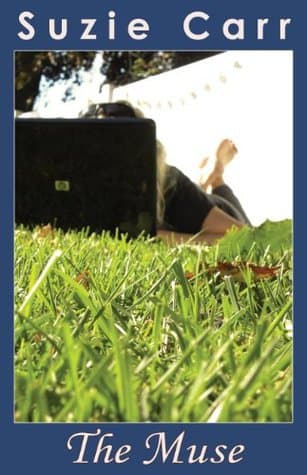
Sign in to track this book
A timid woman, convinced she'll never find love, discovers an online romance with her captivating coworker, only to face the challenge of bridging the gap between her confident online self and her insecure real self.
Jane Knoll, a twenty-nine-year-old woman, works an ordinary office job and lives an isolated, insecure life. Past bullying haunts her, making her avoid social interaction; her evenings are spent watching television reruns. Her only regular social engagement is a weekly laundry night with her kind but equally unexciting neighbor, Larry. Jane doubts her attractiveness and ability to connect with others, believing she will never experience love or even her first kiss. She longs for a deeper connection but feels trapped by her shyness and fear of rejection, observing the world from a distance.
A new source of fascination enters Jane's life: Eva, a beautiful, charismatic co-worker. Eva's confidence and charm contrast sharply with Jane's timid nature. Jane finds herself drawn to Eva's personality, observing her from afar at the office. This fascination extends to the digital world when Jane discovers Eva's active presence on Twitter. Intrigued, Jane begins to follow Eva's posts, finding a vicarious thrill in Eva's exciting life and witty online persona, which highlights the difference between their public lives.
Driven by a strong desire to connect with Eva but paralyzed by her real-world insecurities, Jane creates a secret Twitter alter ego: 'MuseWriter'. This anonymous persona allows Jane to shed her inhibitions and engage with Eva's tweets with a newfound confidence and wit she never shows in person. As MuseWriter, Jane feels liberated, able to express her thoughts, humor, and intelligence without fear of judgment. This digital disguise protects her, enabling her to step out of her shell and into a world of online interaction, specifically targeting Eva's interests and posts.
Under the guise of MuseWriter, Jane experiences an exhilarating online love affair with Eva. Their interactions quickly deepen beyond casual flirting, becoming intimate conversations and shared vulnerabilities. MuseWriter's eloquent words and perceptive insights captivate Eva, who finds herself increasingly drawn to this mysterious online admirer. For Jane, this digital romance is transformative; she experiences the joy of being truly seen and appreciated, feeling euphoria and self-worth. This online connection becomes the most meaningful relationship of her life, fueling her creativity and sense of purpose.
While MuseWriter flourishes online, Jane's real-world persona remains unchanged. Face-to-face, she is still Eva's unassuming, often clumsy, and socially awkward co-worker. The stark contrast between her confident alter ego and her timid self causes internal conflict. Jane finds it agonizing to be in Eva's physical presence, knowing the depth of their online connection yet unable to bridge the gap with her true identity. She fears that revealing herself would shatter the illusion they've built, risking Eva's rejection and the loss of her newfound happiness.
The confidence and expressive freedom Jane experiences as MuseWriter extend to other aspects of her life. She discovers a talent for writing, finding a voice and purpose she never knew she possessed. Her online conversations with Eva, full of wit and emotional depth, spark her creative output. This new passion leads her to pursue writing more seriously, and she begins to achieve success, gaining recognition for her work. Her writing career is linked to her alter ego, as MuseWriter helped her hone her craft and find the courage to express herself.
As the online romance intensifies and Jane's writing career gains momentum, the weight of her secret identity grows. She experiences true bliss—happiness in love, professional success, and the chance to make a difference through her writing—but it is all built on deception. The ethical implications of misleading Eva, along with the personal strain of maintaining two separate identities, begin to take a toll. Jane questions whether she can live the rest of her life as an alter ego, fearing the inevitable moment of truth and the potential devastation it could bring to her relationship with Eva and her own sense of self.
Throughout her emotional journey, Jane's neighbor, Larry, remains a consistent and grounding presence. Unaware of her online escapades, Larry offers Jane a simple, uncomplicated friendship. Their weekly laundry nights, once a symbol of her mundane existence, now provide a quiet space for genuine human connection. Larry's unassuming kindness and unwavering support offer Jane stability and acceptance, contrasting sharply with the complex web of her online life. He represents unconditional acceptance, reminding Jane of the value of genuine, face-to-face human connection, even as she navigates her digital romance.
The internal conflict peaks as Jane recognizes that her happiness, while deep, is incomplete and unsustainable as long as it is built on a lie. She longs for a love that includes her whole self, not just her carefully constructed alter ego. The idea of living a double life indefinitely becomes unbearable, and she understands that true connection requires authenticity. She begins to consider revealing her true identity to Eva, acknowledging the immense risk of rejection and the potential loss of everything she has gained, but also recognizing it as the only path to genuine love and self-acceptance.
Gathering all her courage, Jane decides to reveal her true identity to Eva. This is the moment of truth she has both longed for and dreaded. She carefully plans how to confess, knowing the weight of her deception. The confrontation is tense and vulnerable as Jane unveils the truth behind MuseWriter, exposing her insecurities and the reasons for her alter ego. This act of bravery marks Jane's transition from a life of hiding to one of potential transparency, risking everything for the chance at an honest relationship with the woman she loves.
Eva's reaction to Jane's revelation is complex. Initially, there is shock, confusion, and a sense of betrayal. The woman she has fallen for online is her unassuming co-worker, Jane. Eva must grapple with having been deceived, even if the intentions came from insecurity. This period is critical for both characters as they navigate the aftermath. Eva's feelings for MuseWriter are genuine, but she must now reconcile them with the reality of Jane. The future of their relationship hangs in the balance, depending on Eva's ability to understand and forgive.
After intense deliberation and emotional processing, Eva ultimately chooses to forgive Jane and accept her for who she truly is. She recognizes the genuine connection they forged online and understands the insecurities that led Jane to create MuseWriter. This act of forgiveness transforms their relationship, moving it from deception to authenticity. With the truth laid bare, Jane and Eva start a new chapter, building a relationship based on honesty and mutual understanding. Jane's journey ends with the acceptance of her full self, both by Eva and by herself.
The Protagonist
Jane transforms from a reclusive, insecure individual into a confident, self-accepting woman who embraces her true identity and finds love and professional success.
The Love Interest / Catalyst
Eva moves from being an unwitting object of Jane's affection to a woman who grapples with deception but ultimately accepts and loves Jane for her true self.
The Alter Ego / Confident Persona
MuseWriter serves as a temporary vessel for Jane's growth, eventually being shed as Jane integrates its positive qualities into her true identity.
The Supporting
Larry remains a consistent, supportive friend, embodying unconditional acceptance and the simple joys of human connection.
The novel explores how people present themselves in different contexts. Jane's creation of 'MuseWriter' highlights the contrast between her perceived self and her authentic self, and the struggle to integrate these identities. The theme questions whether true connection can exist without full authenticity, as Jane grapples with the deception required to maintain her online romance. Her journey is about shedding the alter ego to embrace her whole, true self, risking everything for an honest relationship.
“But can she live the rest of her life as an alter ego? Is she brave enough to reveal her true identity and risk squandering it all?”
The internet has two sides in the story. For Jane, it provides a safe, anonymous space where she can overcome social anxieties and express her true personality, leading to personal growth and even a writing career. 'MuseWriter's' anonymity allows her to connect with Eva in a way she never could in person. However, the theme also addresses the ethical dilemmas and emotional toll of online deception, questioning the sustainability of relationships built on anonymity. It shows both the liberating and isolating aspects of digital interaction.
“Behind the safety of her laptop screen, she became confident and empowered with purpose and talent.”
Jane's journey is about overcoming insecurity and learning to accept herself. Past bullying has given her a poor self-image and a fear of judgment. The creation of MuseWriter is a coping mechanism and a stepping stone, allowing her to experience confidence and love. However, true self-acceptance only comes when she is brave enough to reveal her authentic self, flaws and all, to Eva. The novel emphasizes that genuine happiness and love are possible only when one embraces who they truly are, rather than hiding behind a facade.
“For the first time in her life, Jane has discovered true bliss—happiness in love, newfound success in a writing career, and the chance to make a difference in the world.”
The central romantic plot involves a significant act of deception. Jane's love for Eva blossoms under false pretenses, raising questions about the nature of love itself. Can love be genuine if it is based on a false identity? The novel explores the emotional complexities when the truth is revealed, forcing both Jane and Eva to confront the reality of their connection. It suggests that while love can emerge from unexpected places, true, lasting love requires honesty and the courage to be vulnerable, even if it risks shattering the initial illusion.
“Eva and Jane quickly launch into an online love affair that brings out the best in Jane.”
Jane's online persona, 'MuseWriter', which allows her to express her true self.
The alter ego, 'MuseWriter', is a pivotal plot device. It serves as a psychological shield for Jane, enabling her to overcome her severe social anxiety and insecurities. By adopting this anonymous persona, Jane can engage in witty, flirtatious, and deeply personal conversations with Eva, which she would never dare to do as her real self. This device not only facilitates the blossoming online romance but also acts as a catalyst for Jane's personal growth, allowing her to discover her hidden talents and confidence before she is ready to embody them in her real life.
The platform through which Jane and Eva's online romance develops.
Twitter acts as the primary setting and medium for the central romance. It provides the necessary anonymity for Jane to create her alter ego and interact with Eva, bridging the gap that Jane's real-world insecurities create. The platform's public nature, allowing for direct messaging and replies, facilitates the rapid development of their intimate connection. It highlights both the potential for deep connection and the inherent risks of deception in online interactions, driving the narrative forward by enabling a relationship that would otherwise be impossible for Jane.
Jane's ongoing struggle between her two identities and the ethics of her deception.
Jane's internal monologue and conflict are crucial to understanding her character's motivations and the moral dilemmas of the plot. Her constant battle between the confident 'MuseWriter' and the insecure 'Jane' drives much of the narrative tension. This device allows the reader to experience her fear of exposure, her guilt over the deception, and her yearning for authenticity. It highlights her growth as she grapples with the ethical implications of her actions and ultimately finds the courage to reveal her true self, making her eventual decision to confess more impactful.
“He looked at her as if she held the secret to a forgotten melody, a tune he’d been humming his whole life without ever hearing the full score.”
— Liam's first impression of Clara, seeing her perform.
“Some stories aren't meant to be written; they're meant to be lived, with every messy, beautiful, unpredictable chapter.”
— Clara reflecting on her reluctance to write her own story.
“The hardest part of creating something beautiful is letting it go, knowing it will take on a life of its own, independent of your hands.”
— Liam discussing his approach to songwriting.
“Her voice was a lighthouse in a storm, guiding lost ships to a safe harbor they didn't even know they were searching for.”
— Liam describing the power of Clara's singing.
“Love wasn't about finding someone to complete you; it was about finding someone who made you brave enough to complete yourself.”
— Clara's realization about the nature of true love.
“Every note she sang was a brushstroke, painting emotions onto the canvas of his soul.”
— Liam experiencing Clara's performance deeply.
“Sometimes the greatest inspiration comes from the quiet moments, the spaces between the applause, where true feelings reside.”
— Clara thinking about the source of her creativity.
“He didn't just hear her music; he felt it resonate in the very marrow of his bones, a vibration that had always been missing.”
— Liam's profound connection to Clara's artistry.
“To truly create, you must be willing to be vulnerable, to lay bare the parts of yourself you usually keep hidden.”
— Liam advising Clara on overcoming her creative blocks.
“The world was a symphony, and she had finally found the conductor who could bring out her most beautiful movements.”
— Clara feeling empowered and understood by Liam.
“It wasn't just about writing a song; it was about capturing a moment, a feeling, and holding it forever in amber.”
— Liam's philosophy on the lasting power of art.
“She learned that being a muse wasn't about being passive inspiration, but an active participant in the creation of something extraordinary.”
— Clara's evolving understanding of her role.
“Their love story wasn't a neat, perfectly orchestrated melody, but a powerful, improvisational jazz piece, full of unexpected harmonies and thrilling solos.”
— A reflection on the unique nature of their relationship.
“He saw the cracks in her armor, not as flaws, but as pathways for the light to get in, and for her true brilliance to shine out.”
— Liam's acceptance and admiration of Clara's vulnerabilities.
Ready to see how well you understood this book? Take our interactive quiz with 10 questions.