BookBrief
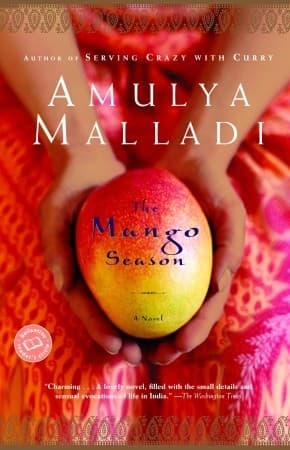
The Mango Season cover
Archivist's Choice

The Mango Season

Amulya Malladi (2003)

Genre

Romance

Reading Time

12 Minutes

Key Themes

See below

Track Your Reading

Sign in to track this book

Amidst India's mango season, a young woman's engagement to an American forces her to confront a family secret and choose between love and tradition.

Synopsis

Priya Rao, a young Indian woman living in the U.S. for seven years, returns to her family in India during the sweltering mango season with the intention of revealing her engagement to an American man, Nick Collins. This news is sure to devastate her traditional family, who expect her to have an arranged marriage to a 'nice Indian boy.' As Priya grapples with the cultural shock of being back in her homeland and the immense pressure from her relatives to conform to their expectations, a long-held family secret comes to light. This revelation further complicates her situation, forcing Priya to confront the difficult choice between honoring her family's desires and traditions, and pursuing her own happiness and love with Nick.
Difficulty
Easy
Pacing
Moderate
Mood
Heartwarming, thoughtful, culturally rich, romantic

Plot Summary

The Reluctant Return

Priya Rao, an Indian woman who has lived in the U.S. for seven years, returns to her family home in Bangalore, India, for the first time since leaving. She is nervous, primarily because she is secretly engaged to an American man named Nick Collins. Her parents and extended family expect her to marry an Indian man, ideally through an arranged marriage. She knows her news will be met with severe disapproval and potentially heartbreak. The difference between her American life and her family's traditional expectations is immediately clear, making her secret feel even more difficult to confess.

Family Expectations and Arranged Marriages

When she arrives, Priya is immediately back in the familiar, yet now strange, world of her extended family. Her parents, especially her mother, immediately discuss potential suitors for an arranged marriage. They show her profiles and photos, praising the 'nice Indian boys' who fit their criteria for a suitable husband. Priya feels overwhelmed by the constant marriage discussions, which highlight the wide cultural gap between her independent life in America and her family's traditions. She struggles to balance her love for her family with her desire for autonomy and her commitment to Nick.

Anand's Precedent

The family often talks about the scandal of Priya's Uncle Anand, who married for love outside their community. This decision still causes disapproval years later. This is a constant reminder to Priya of the potential backlash she will face if she reveals her engagement to Nick. Anand's story, while a story of love, also shows the family's strict adherence to tradition and their expectations for marriage. Priya sees herself in Anand's struggle, understanding the immense pressure he must have endured, and fears a similar, or even worse, rejection from her own family.

Reconnecting with Old Friends

Priya reconnects with her childhood friends, Meena and Rekha, who offer a break from her family's intense scrutiny. Meena, now married, follows a more traditional path, while Rekha, independent and career-focused, is a more modern Indian woman, though still living within societal norms. Their conversations give Priya different views on love, marriage, and tradition in India today. While they understand her problem, their advice often reflects their own experiences, some encouraging her to follow her heart, others urging caution, leaving Priya still unsure about what to do.

The Weight of Secrecy

The longer Priya stays, the heavier her secret becomes. She loves her family deeply and hates the idea of hurting them or causing a rift. She constantly makes excuses and avoids direct questions about her future, which adds to her stress. The joy of being with her family is overshadowed by the coming confrontation and the fear of their reaction. She observes the complex family relationships and duties, feeling more and more torn between her personal happiness and the desire to uphold family honor and expectations.

The Revelation of a Family Secret

Amidst her internal conflict, Priya finds an old box of letters and photographs, revealing a shocking secret about her parents' past. She discovers that her mother, as a young woman, was once in love with another man, a poet, and had intended to marry him. However, societal pressures and family duty forced her to abandon this love and enter into an arranged marriage with Priya's father. This discovery deeply affects Priya, showing her that even her seemingly traditional parents had faced similar dilemmas and made difficult sacrifices for the sake of family.

Understanding Her Mother's Sacrifice

The truth about her mother's past love story changes Priya's view of her mother. She had always seen her mother as a strict traditionalist, but now she sees a woman who once had dreams and passions similar to her own, only to suppress them for duty. This understanding brings a mix of empathy and sadness to Priya. It highlights the generational cycle of sacrifice and the impact of societal expectations on women's lives, making Priya question the true cost of following tradition versus pursuing personal happiness. She begins to see her mother not just as someone who enforces rules, but as a product of them.

Confronting Her Mother

With the knowledge of her mother's past, Priya confronts her, leading to an emotional discussion. Her mother, initially defensive, eventually talks about the pain and regret of her lost love. She explains the immense pressure she faced and the decisions she felt compelled to make for her family's honor and stability. This conversation is a turning point, breaking down barriers between mother and daughter, allowing for deeper understanding and empathy. Priya realizes the depth of her mother's own sacrifices and the complex reasons behind her strict adherence to tradition.

The Weight of Her Own Choice

The revelation of her mother's past, along with the ongoing pressure for an arranged marriage, increases Priya's internal conflict. She now understands the immense sacrifices her mother made, and this makes her own decision even more complicated. She loves Nick deeply and values their relationship, but she also feels the weight of her family's expectations and the desire not to cause them the pain her mother endured. She struggles with whether she can truly choose her own happiness without betraying her family's love and heritage, especially now that she understands the roots of their traditions.

A Difficult Confession

Gathering her courage, Priya finally tells her family about her engagement to Nick. As expected, the news is met with shock, disappointment, and anger, especially from her parents. They express their dismay at her choice of a foreigner and their feelings of betrayal, emphasizing the cultural differences and the loss of their dream for her to marry an Indian man. The confrontation is painful, filled with tears and heated words, as Priya tries to explain her love for Nick while her family struggles to accept a decision that goes against everything they believe in and have planned for her.

Seeking Acceptance

After the initial shock, Priya tries to help her family understand and, hopefully, accept Nick. She shares details about his character, his kindness, and their shared life, trying to make him more than just a 'foreigner.' She hopes that by explaining her feelings and Nick's qualities, she can slowly reduce their resistance. This period is full of tension and difficult conversations, as Priya acts as an intermediary, trying to reconcile two vastly different worlds and convince her family that her happiness with Nick is genuine and worth embracing, despite their cultural differences.

A Glimmer of Hope

While her parents remain deeply hurt, subtle shifts begin to occur within the extended family. Some relatives, particularly those who have seen the unhappiness of forced unions or who are more open-minded, show understanding or even quiet support for Priya's choice. Her mother, having thought about her own past, begins to soften, realizing the similarities between Priya's situation and her own youthful desires. This slow, tentative acceptance from some family members offers Priya a ray of hope that she might not have to choose entirely between her family and the man she loves.

The Path Forward

Priya decides to create a path that honors both her love for Nick and her Indian heritage. She understands that full acceptance from her family might take time, but she is committed to building a life where both aspects can coexist. She realizes that her identity is a blend of her traditional upbringing and her modern, independent choices. The novel concludes with Priya having made her choice, facing the consequences, and beginning the journey of bridging the cultural divide, hopeful for a future where her family can eventually embrace her and Nick, finding a new form of harmony.

Principal Figures

Priya Rao

The Protagonist

Priya evolves from a conflicted woman burdened by a secret to one who finds the courage to assert her choices, ultimately gaining a deeper understanding of her family's history and forging a path that integrates her dual identities.

Nick Collins

The Supporting

Nick remains a constant source of support for Priya, representing the alternative path of love and individual choice, his character unchanging but his significance to Priya's journey profound.

Priya's Mother

The Supporting

Initially a staunch enforcer of tradition, she evolves from a rigid figure to one who reveals her own past sacrifices, ultimately showing a glimmer of understanding and empathy for Priya's choices.

Priya's Father

The Supporting

He remains a largely consistent figure of traditional authority, gradually processing Priya's revelation but without the dramatic personal revelation of his wife.

Anand (Uncle)

The Supporting

Anand's arc is largely in the past, serving as an example of defiance that influences Priya's present choices, showing that love can triumph over tradition, albeit with family repercussions.

Meena

The Supporting

Meena remains a static character, representing a traditional path that Priya actively chooses against, providing contrast rather than personal development.

Rekha

The Supporting

Rekha remains a consistent and supportive friend, representing a more modern, independent perspective that validates Priya's struggle for self-determination.

Themes & Insights

Tradition vs. Modernity

This is the central conflict of the novel, explored through Priya's struggle to reconcile her Western independence and love for Nick with her family's Indian traditions, especially regarding arranged marriage. The story highlights the tension between preserving cultural heritage and embracing individual autonomy and modern values. The clash is evident in everything from Priya's discomfort with the Indian summer heat to the family's expectations for her future, showing the difficulty of navigating a world where old customs meet contemporary desires.

Happiness and love are not the point of her grandparents’ or her parents’ union. In her family’s rule book, duty is at the top of the list.

Narrator

Family Duty and Sacrifice

The theme of duty and sacrifice is common, particularly in the context of marriage. Priya's family believes that individual desires should be secondary to family honor and societal expectations. This theme is powerfully amplified by the revelation of Priya's mother's own past sacrifice of a love match for an arranged marriage, illustrating the generational burden of duty. The novel explores the emotional cost of these sacrifices and questions whether such duty truly leads to happiness or merely continues a cycle of unfulfilled desires.

Now she is forced to choose between the love of her family and Nick, the love of her life.

Narrator

Love and Marriage

The novel explores different ideas of love and marriage: love marriages (like Anand's and Priya's with Nick) versus arranged marriages (Priya's parents and the family's expectation for her). It questions whether love is necessary for a successful marriage or if duty, compatibility, and family ties are more important. The story shows the deep emotional connection Priya shares with Nick as an example of romantic love, while also acknowledging the complex social and economic considerations that traditionally inform arranged marriages in India. It ultimately asks what makes a 'good' marriage.

Not only did Anand marry a woman from another Indian state, but he also married for love.

Narrator

Identity and Belonging

Priya's journey is about her search for identity and belonging. Having lived in the U.S. for seven years, she feels like an outsider in her own homeland, struggling to reconnect with cultural norms that once felt natural. She grapples with her dual identity as an Indian woman shaped by Western independence. The conflict over her marriage choice becomes a central point for her struggle to define who she is and where she truly belongs – whether it's with her traditional family in India or with her American fiancé, or if she can create a new identity that includes both worlds.

Everything looks dirtier than she remembered. And things that used to seem natural (a buffalo strolling down a newly laid asphalt road, for example) now feel totally chaotic.

Narrator

Plot Devices & Literary Techniques

The Mango Season

Symbolic backdrop for heat, passion, and change.

The 'mango season' serves as a powerful atmospheric and symbolic device. The intense heat of the Indian summer mirrors the emotional tension and passion within Priya's family and her own internal conflict. Mangoes themselves, ripe and bursting with flavor, symbolize abundance, fertility, and the sweetness of life, but also the messy, overwhelming aspects of India that Priya struggles to re-acclimate to. The season emphasizes a time of heightened emotions, growth, and inevitable change, reflecting Priya's pivotal moment of decision and transformation.

Hidden Letters and Photographs

A tangible link to the past that reveals a crucial family secret.

The discovery of old letters and photographs belonging to Priya's mother acts as a classic plot device to reveal a crucial family secret. These physical objects provide Priya with concrete evidence of her mother's past love and forced sacrifice, serving as a catalyst for her deeper understanding of her family's traditions and her mother's motivations. This device is essential for shifting Priya's perspective, adding complexity to her mother's character, and intensifying Priya's own internal struggle, making her decision more nuanced and empathetic.

Anand's Love Marriage

A pre-established family precedent that foreshadows Priya's dilemma.

The ongoing discussion and lingering disapproval within the family regarding Uncle Anand's past 'love marriage' serves as a powerful foreshadowing device. It clearly establishes the family's strict stance on tradition and arranged marriages, setting the stakes for Priya's own revelation. This pre-existing narrative within the family highlights the potential backlash and social consequences Priya faces, making her decision to reveal her engagement to Nick even more daunting and emphasizing the cultural divide she must bridge.

Critical analysis

Notable Quotes

Quiz

Test Your Knowledge

Ready to see how well you understood this book? Take our interactive quiz with 10 questions.

10
Questions
~5
Minutes
?
Best Score

Key Questions (FAQ)

'The Mango Season' is a romance novel set in modern India during the summer. It follows Priya Rao, an Indian woman living in the US, who returns home to announce her engagement to an American man, Nick Collins. Her return forces her to confront family traditions and societal expectations regarding marriage.

About the author

Amulya Malladi

Amulya Malladi is an Indian-American author known for her insightful fiction that often explores themes of cultural identity and personal relationships. Her notable works include "The Mango Season" and "Song of the Cuckoo Bird." Malladi's writing is recognized for its evocative prose and relatable characters, drawing from her own experiences and observations.