“In Kabul, secrets are the currency of survival.”
— Reflecting on the hidden lives and unspoken truths in the city.

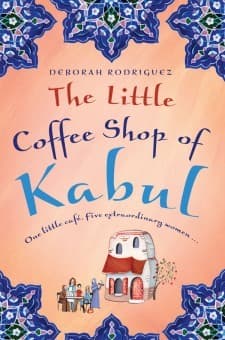
Deborah Rodriguez (2013)
Genre
Romance
Reading Time
6-8 hours
Key Themes
See below
Sign in to track this book
In war-torn Kabul, an American woman's coffee shop is a haven where expats and locals find unexpected romance, friendship, and shared humanity, navigating dangerous secrets and the complexities of Afghan life.
Sunny, a thirty-eight-year-old American, has opened the Kabul Coffee House in Afghanistan. She seeks refuge from a painful past involving a failed relationship with Tommy. Her coffee shop becomes a unique haven for diverse expatriates, aid workers, and locals. Among her staff is Halajan, an older Afghan woman who manages the kitchen and embodies the country's traditions while secretly navigating a modern romance. The story introduces the core group of characters who frequent the shop: Isabel, a driven British journalist; Jack, an American consultant escaping family issues; and Candace, a wealthy American philanthropist whose intentions are sometimes misguided. Sunny finds solace in the daily routine and the unexpected community forming around her, but the dangers of Kabul are always present.
One day, a young Afghan woman named Yazmina is found abandoned and pregnant on the streets of Kabul after being kidnapped from her village. Sunny, moved by her situation, offers her a job and a safe place at the coffee house, despite potential complications. Yazmina, initially withdrawn, gradually begins to open up to Sunny and Halajan. However, she carries a serious secret: she was kidnapped and forced to marry a Taliban commander, Qader, and the child she carries is his. This revelation, if discovered, could put Yazmina, Sunny, and the entire coffee house at extreme risk from both the Taliban and local authorities, who might accuse them of harboring a terrorist's wife.
Halajan, a widow, is secretly pursuing a romance with a charming Afghan man named Shaheed. Their courtship is a quiet act against strict societal norms and the expectations of her conservative son, Ahmed. Ahmed, a deeply religious man, is unaware of his mother's modern inclinations and would strongly disapprove. Ironically, Ahmed himself is facing a crisis of faith, secretly questioning the rigid interpretations of Islam he has always followed. This internal conflict makes him more watchful of his mother's actions, creating tension for Halajan as she tries to maintain her secret happiness.
Isabel, the British journalist, is pursuing a high-stakes story about human trafficking in Afghanistan. Her investigations lead her into dangerous areas and bring her into contact with unsavory characters. She is determined to expose the truth, believing it is her duty to give a voice to the voiceless. Her dedication to her work often puts her at odds with Sunny, who worries about her safety. As Isabel digs deeper, she uncovers connections to powerful figures and realizes the significant risks involved, but her resolve only strengthens, making her a target for those who wish to keep their illicit activities hidden.
Jack, an American consultant, came to Kabul seeking a lucrative contract and an escape from a troubled marriage and a strained relationship with his son back in Michigan. He frequents the coffee house, finding solace in its atmosphere and developing an attraction to Sunny. Despite his initial guardedness, he slowly begins to confide in Sunny about his personal struggles. Their relationship begins to deepen, offering both hope amidst the chaos of Kabul. However, his past and the dangers of his work constantly threaten to complicate any potential future with Sunny.
Candace, a wealthy American philanthropist, is driven by a genuine desire to help the Afghan people. However, her well-meaning efforts often clash with the local culture. She frequently starts projects without fully understanding the nuances or consulting those on the ground, leading to inefficiencies or even unintended negative consequences. Her attempts to 'modernize' or 'improve' things, while sincere, sometimes come across as condescending or culturally insensitive. Sunny and the others often find themselves gently guiding Candace or dealing with the fallout from her projects, showing the complexities of aid work in a foreign land.
As Yazmina's pregnancy progresses, the threat of her past catching up to her intensifies. Qader, the Taliban commander she was forced to marry, begins actively searching for her, believing she is his property and carrying his child. His network of informants makes the search increasingly dangerous for Yazmina and everyone at the coffee house. Sunny and Halajan realize the seriousness of the situation and begin to make plans for Yazmina's safety, knowing that if Qader or his men find her, their lives, and the existence of the coffee house, will be irrevocably jeopardized. The stakes become very high as they try to outwit a dangerous and powerful enemy.
Isabel's investigation into the human trafficking ring finally yields significant results. She uncovers clear evidence, including names and locations, that could expose the entire operation. However, this breakthrough comes at a great personal cost. Her actions attract the direct attention of the criminals involved, who issue serious threats against her life. Despite the danger, Isabel is determined to publish her story, believing the truth must come out. Sunny and Jack become increasingly concerned for her safety, urging her to take precautions, but Isabel's journalistic integrity drives her forward.
Recognizing the immediate danger, Sunny, Halajan, Jack, and even Candace, put aside their differences to formulate a daring plan for Yazmina's escape. Their goal is to get her out of Kabul and into a safer environment where she can give birth and raise her child without fear of Qader. The plan involves intricate logistics, including securing false documents, arranging safe passage, and finding a suitable place for her to live. The group pools their resources and connections, showing their deep loyalty and commitment to Yazmina's well-being, despite the risks involved for each of them.
As the plan for Yazmina's escape is put into motion, Qader and his men close in on the coffee house. A tense confrontation ensues, forcing Sunny and her friends to act quickly. Through quick thinking, strategic alliances, and some luck, they outmaneuver Qader's forces. Yazmina is successfully taken away, ultimately finding refuge and a new life in Europe, where she can raise her child in peace. This climactic event solidifies the bonds between the characters and is a turning point for each of them, showing their resilience and the power of their unconventional family.
With Yazmina safely away, life at the Kabul Coffee House gradually returns to a new normal. Sunny and Jack's relationship deepens, offering the promise of a stable future. Halajan finds a way to openly embrace her relationship with Shaheed, with Ahmed eventually accepting his mother's happiness. Isabel publishes her exposé, bringing justice to the victims of human trafficking and advancing her career. Candace, having learned valuable lessons about cultural sensitivity, dedicates herself to more effective aid work. The coffee house remains a symbol of their enduring friendship and the unexpected community they formed in a war-torn city, each character having found peace and purpose.
The Protagonist
Sunny transforms from a woman seeking escape to a strong leader who finds purpose and love in an unlikely place.
The Supporting
Halajan finds the courage to embrace personal happiness and openly pursue her relationship despite societal expectations.
The Supporting
Yazmina transforms from a victim of circumstance to a courageous young mother who finds freedom and a new future.
The Supporting
Isabel's relentless pursuit of a story leads her to a major breakthrough, solidifying her career and personal resolve.
The Supporting
Jack finds love and a renewed sense of purpose, moving past his personal struggles to build a new life.
The Supporting
Candace learns humility and cultural sensitivity, becoming a more effective and understanding aid worker.
The Supporting
Ahmed slowly begins to question his rigid beliefs and eventually accepts his mother's happiness, finding a more nuanced understanding of faith and family.
The Supporting
Shaheed's steadfast affection and patience help Halajan find the courage to pursue her own happiness.
The Antagonist
Qader remains a static antagonist, serving as the primary threat to Yazmina's freedom and the coffee house's safety.
The Kabul Coffee House is a place for diverse individuals who, despite different backgrounds, form an unlikely and strong community. Sunny, Halajan, Yazmina, Isabel, Jack, and Candace create a 'found family' that offers support, protection, and understanding in a city full of danger and cultural divides. This theme is clear in their collective efforts to protect Yazmina, proving that bonds of friendship and shared humanity can go beyond cultural and political barriers, offering comfort and strength.
“In Kabul, you learn that family is not always blood. Sometimes, it is the people who stand with you when the world is against you.”
The characters in the book, especially the Afghan women like Halajan and Yazmina, show resilience in the face of adversity. They navigate war, tradition, and personal hardship with an unwavering spirit. Yazmina's survival after being kidnapped and her determination to protect her child, or Halajan's quiet defiance in pursuing a modern romance, are examples of this theme. Even Sunny, having fled personal heartbreak, shows resilience in building a new life and sanctuary in a challenging environment, showing the human capacity to adapt and thrive.
“Life here, it is a river. It flows, even when there are rocks. You must learn to flow with it.”
The novel clearly shows the complexities of cultural differences, especially between Westerners and Afghans. Candace's well-meaning but often misguided aid efforts, or Ahmed's struggle with his mother's modern romance, show the friction that can arise. However, the coffee house also helps create understanding and mutual respect. Sunny's efforts to learn about Afghan customs and Halajan's explanations help to navigate these clashes, showing that while differences exist, empathy and open-mindedness can lead to connection.
“You cannot come to a country like this and expect it to change for you. You must change for it.”
Many characters are on a journey of self-discovery. Sunny seeks to redefine herself after a failed relationship, finding purpose in running her coffee shop. Halajan reclaims her personal identity by pursuing love after years of widowhood. Yazmina, having her identity taken away by her kidnapping, slowly reclaims it through the support of her new friends. Jack also seeks to escape and redefine himself away from his family issues. These journeys show the constant evolution of identity, especially when confronted with new environments and challenges.
“Sometimes, the hardest thing is to remember who you are, when everyone else tells you who you should be.”
Despite the war and cultural conservatism, love appears in various forms throughout the story. Sunny and Jack's developing romance, Halajan and Shaheed's secret courtship, and the deep platonic love among the women of the coffee house all show this theme. It suggests that love, whether romantic or platonic, can thrive even in challenging and unlikely environments, providing hope, comfort, and a reason to keep going. The coffee house itself becomes a symbol of this unexpected warmth and connection.
“Even in the desert, a flower can bloom if it is given water and a little sun.”
A central gathering place symbolizing sanctuary and community.
The Kabul Coffee House is more than just a location; it functions as a central character in the novel. It serves as a neutral ground where diverse individuals—expatriates, aid workers, and locals—can interact, share stories, and form bonds away from the political and cultural tensions of the city. It represents a sanctuary, a place of warmth, comfort, and safety amidst the chaos of Kabul, fostering an unlikely community and providing a haven for those seeking refuge, especially Yazmina. Its existence is a testament to Sunny's resilience and vision.
A ticking time bomb driving the plot's suspense and danger.
Yazmina's secret—that she was kidnapped and forced to marry a Taliban commander and is carrying his child—acts as a major plot device. It introduces immediate and escalating danger, creating suspense and driving much of the narrative's conflict. This secret not only puts Yazmina's life at risk but also endangers Sunny, Halajan, and the entire coffee house, forcing the characters to unite and devise a perilous plan for her safety. It highlights the brutal realities faced by women in war-torn regions and fuels the urgency of the story.
A source of conflict and character development, particularly for Candace.
The frequent cultural misunderstandings, particularly those involving Candace's well-intentioned but often ill-informed philanthropic efforts, serve as a plot device to highlight the complexities of aid work and cross-cultural interactions. These misunderstandings create minor conflicts and moments of frustration, but ultimately lead to character growth, especially for Candace, who learns the importance of cultural sensitivity and listening to local perspectives. They also provide opportunities for Halajan and Sunny to explain Afghan customs and bridge cultural gaps, deepening the narrative's exploration of identity and empathy.
A common expatriate incentive that masks deeper personal issues.
The concept of 'danger pay' is a recurring motivation for many expatriates in Kabul, notably Jack. While it provides a practical reason for characters to be in a war zone, it also functions as a plot device to reveal deeper personal issues. For Jack, it's an escape from a failing marriage and a way to avoid confronting his problems at home. This motivation underscores the idea that many who come to Kabul are not just seeking financial gain but also a form of emotional or psychological refuge, adding layers to their characters and relationships.
“In Kabul, secrets are the currency of survival.”
— Reflecting on the hidden lives and unspoken truths in the city.
“Sometimes the bravest thing you can do is to stay.”
— A character deciding to remain in Kabul despite dangers.
“Coffee has a way of bringing people together, even in the most unlikely places.”
— Describing the unifying power of the coffee shop.
“Love in Kabul is a whispered promise, not a shouted declaration.”
— Commenting on the discreet nature of romance in the city.
“We are all just trying to find a little light in the darkness.”
— A moment of shared hope among the characters.
“The walls of this coffee shop have heard more stories than any book.”
— Highlighting the coffee shop as a place of shared narratives.
“In a city of chaos, this is my sanctuary.”
— A character finding peace in the coffee shop.
“You don't choose who you fall in love with; it chooses you.”
— Reflecting on an unexpected romantic connection.
“Every cup of coffee here is a small act of rebellion.”
— Describing how the coffee shop defies societal norms.
“Home isn't a place; it's the people who make you feel safe.”
— A character redefining the concept of home.
“The heart knows no borders, especially in Kabul.”
— Commenting on love transcending cultural boundaries.
“Sometimes the smallest gestures hold the deepest meanings.”
— Noting the significance of subtle acts of kindness.
“In this coffee shop, we are all equal, if only for a moment.”
— Describing the egalitarian atmosphere of the shop.
“Fear is a luxury we cannot afford here.”
— A character pushing past fear to live fully.
Ready to see how well you understood this book? Take our interactive quiz with 10 questions.

Deborah Rodriguez is an American author known for her heartwarming fiction, including the international bestseller "The Little Coffee Shop of Kabul." Her work often explores themes of resilience, friendship, and finding hope in challenging circumstances. Rodriguez's engaging storytelling and vivid portrayals of diverse characters have earned her a dedicated readership.