“I was looking for a man who was cute and smart and funny, and who had a job. And who was nice to his mother.”
— Jane's early dating aspirations.

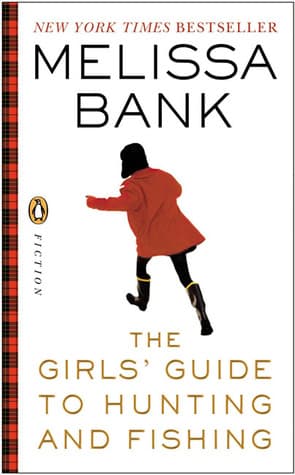
Melissa Bank (1999)
Genre
Romance
Reading Time
384 min
Key Themes
See below
Sign in to track this book
A witty young woman navigates dating and career challenges with a generous heart and sharp observations, moving through perplexing relationships and self-discovery.
The first story introduces Jane Rosenal as a young girl, dealing with her parents' relationship and her own early understanding of love. She sees her mother's passive acceptance of her father's affairs and her brother Henry's easy charm with girls. Jane's first crush, a boy named Robert, is a source of anxiety and misunderstanding, as she struggles to interpret his signals and her own feelings. This chapter sets the stage for Jane's lifelong quest to understand relationships, often through advice from her well-meaning but sometimes misguided mother, who encourages her to be 'feminine' to attract men, while Jane wants genuine connection.
As a teenager, Jane develops a crush on her older brother Henry's friend, Robert. She tries to impress him during a family vacation, feeling very self-conscious about her looks and actions. Her attempts to appear sophisticated often fail, leading to embarrassing moments. She wants Robert to see her as more than just Henry's little sister, but her efforts are clumsy. This period shows Jane's struggle with self-esteem and her early attempts at navigating social attraction, often feeling out of step with her peers and her own desires.
This chapter focuses on Jane's relationship with her father, especially as he ages and faces health issues. She remembers his past affairs, which deeply affected her mother and, by extension, Jane herself. Despite his flaws, Jane feels a deep affection for him and tries to understand him beyond his marital betrayals. She navigates the emotions of filial love mixed with the lingering pain of her parents' fractured marriage, and how these experiences influenced her own approach to relationships and trust. Her father's vulnerability in his later years adds a new dimension to their bond.
Now an adult living in New York City, Jane receives a self-help book called 'The Girls' Guide to Hunting and Fishing' from her well-meaning but misguided mother. The book offers formulaic advice on how to attract and keep a man, encouraging women to play coy and manipulate situations. Jane, wanting romantic success, tries to follow its rules, often with disastrous and humorous results. She tries to apply the strategies to various dates, including a man named Robert, only to find them inauthentic and ineffective. This chapter satirizes the self-help industry and shows Jane's internal conflict between genuine connection and strategic dating.
Jane, now working as an assistant at a publishing house, begins a relationship with Archie Knox, a much older and respected book editor. Archie is charming, sophisticated, and gives Jane a sense of stability and intellectual companionship she hasn't found before. Their relationship develops quickly, and Jane moves into his apartment. Despite the age gap, Jane is drawn to his maturity and the comfort he offers. However, the dynamics of their relationship, particularly Archie's established life and Jane's inexperience, begin to create subtle tensions and questions about her own identity within the relationship.
Living with Archie, Jane deals with her role as the younger woman in a relationship with a man who has a long past, including a previous marriage and adult children. She meets Archie's ex-wife, who remains important in his life, and feels insecure about her own position. Jane also struggles with her career goals, feeling overshadowed by Archie's success. The comfort she initially found begins to lessen as she confronts the realities of their age difference and his entrenched life, leading to feelings of inadequacy and a search for her own independent identity.
Jane and Archie continue their relationship, navigating social events and family gatherings. Jane observes Archie's interactions with his friends and colleagues, often feeling like an outsider or an appendage to his established life. While she loves him, she wants a deeper sense of belonging and recognition as an equal partner. She experiences moments of connection with Archie, but these are often marked by reminders of their different life stages and his history. This chapter explores the nuances of their love, highlighting both the joys and the underlying anxieties Jane feels about their future together.
Archie faces a health scare, forcing Jane to confront the fragility of his life and their relationship. She becomes his primary caregiver, a role that deepens their bond but also brings the reality of their age difference into sharper focus. This crisis makes Jane seriously consider their future together, including the implications of his mortality and her own desire for a family and a life that might not align with his. The experience forces Jane to mature and evaluate what she truly wants from a partnership, moving beyond the initial allure of his sophistication.
Jane’s relationship with her brother, Henry, is central as she reflects on their sibling bond and its influence on her life. Henry, often seen as the more charming and successful sibling, has his own struggles, and Jane finds herself offering him support, reversing their childhood roles. This chapter explores the complexities of family expectations, sibling rivalry, and the enduring love between them. Jane recognizes how her family's patterns, particularly her parents' marriage, have shaped her views on love and partnership, and how she strives to forge her own path while still connected to her roots.
After much thought and dealing with Archie's health issues, Jane makes the difficult decision to leave him. She realizes that despite her love for him, their life together does not align with her deeper desires for an independent identity, a family, and a more equal partnership. This decision is painful but empowering, marking a significant step in Jane's journey of self-discovery. She acknowledges the valuable lessons and love she shared with Archie but chooses to prioritize her own needs and aspirations, showing her growth from a young woman seeking external validation to one making choices based on internal conviction.
Following her breakup with Archie, Jane moves to the country, seeking a fresh start and a quieter life. She continues to pursue her writing career, facing the rejections and small victories common to aspiring authors. She dates various men, but her experiences are often marked by awkwardness and a continued search for genuine connection rather than superficial attraction. This period shows Jane's evolving understanding of herself outside of a relationship, as she learns to appreciate her own company and refine her definition of happiness and fulfillment, both personally and professionally. She is no longer solely defined by her romantic pursuits.
In the final story, Jane attends a farewell party, where she meets various figures from her past, including some ex-boyfriends. This allows her to reflect on her romantic life, recognizing the patterns, mistakes, and growth she has experienced. She shows a newfound self-awareness and a more mature understanding of love, relationships, and her own worth. While still open to love, she is no longer desperate for it, having found a sense of peace and independence. The story concludes with Jane embracing her future, confident in her ability to navigate life's complexities on her own terms, having truly come of age.
The Protagonist
Jane evolves from a naive girl seeking external validation in relationships to a self-aware woman who understands her own needs and makes choices based on personal conviction.
The Supporting
Archie remains largely consistent, serving as a catalyst for Jane's growth rather than undergoing significant personal change himself.
The Supporting
Henry's character subtly evolves from a seemingly carefree brother to one who also faces life's complexities, fostering a deeper, more reciprocal bond with Jane.
The Supporting
Her character remains largely consistent, serving as a representation of traditional expectations and a catalyst for Jane's rebellion against them.
The Supporting
His character's portrayal shifts from a distant, flawed figure to a more vulnerable parent, deepening Jane's understanding of him.
The Mentioned
Robert remains a consistent, if minor, figure, serving as a recurring romantic interest against whom Jane measures her growth.
The Mentioned
This 'character's' influence wanes as Jane rejects its principles, signifying Jane's growth.
A central theme is Jane's lifelong search for genuine, meaningful relationships amidst social pressures and her own insecurities. From childhood crushes where she struggles to understand signals to her adult attempts to follow self-help dating advice, Jane constantly seeks a partner with whom she can be truly herself. Her relationship with Archie, while initially comforting, ultimately highlights her desire for a more equal partnership, leading her to leave a situation that, despite love, felt inauthentic to her deeper needs. This quest is a journey of self-discovery as much as it is about finding love.
“What I wanted was not to be loved, but to be known.”
The book chronicles Jane's journey from an awkward, insecure girl to a more self-assured woman. Each story marks a new stage in her development, as she learns from her romantic failures, family dynamics, and career struggles. Her coming-of-age is not just about finding a partner, but about defining herself outside of her relationships. The decision to leave Archie, despite her love for him, is a moment of self-discovery, showing her evolving understanding of her own needs and desires, and her readiness to forge an independent path.
“I was learning to take care of myself. It was a slow and clumsy process.”
Jane's parents' dysfunctional marriage, particularly her father's affairs and her mother's passive acceptance, shapes Jane's views on love, trust, and commitment. She observes their patterns and, consciously or unconsciously, carries these lessons into her own relationships. Her relationship with her brother Henry also provides a contrasting view of male-female dynamics. The family is a foundational blueprint against which Jane reacts and tries to build her own, healthier relationship models, often dealing with inherited anxieties and expectations about love and partnership.
“My mother was always telling me how to catch a man, but she never told me how to keep one, or what to do once you had one.”
The 'Girls' Guide to Hunting and Fishing' satirizes the prescriptive and often manipulative nature of self-help dating advice. Jane's attempts to follow its rules, such as playing hard to get or feigning disinterest, lead to comedic and inauthentic interactions. This theme highlights the absurdity of trying to strategize love and critiques the social pressures on women to conform to certain behaviors to attract a partner. Jane's eventual rejection of such advice signifies her growth towards valuing sincerity over superficial games.
“The book suggested that if you wanted to keep a man interested, you had to be a challenge. I was more of a puzzle, but not in a good way.”
Each chapter functions as a self-contained short story, yet contributes to a larger narrative arc.
The novel is structured as a collection of interconnected short stories, each focusing on a distinct period or event in Jane Rosenal's life. While each chapter can stand alone, they are chronologically linked and collectively build a comprehensive portrait of Jane's coming-of-age. This structure allows the author to jump between significant moments, highlighting key lessons and character developments without needing to detail every intervening year. It mirrors the fragmented way one often remembers and processes life experiences, particularly in the journey of self-discovery and relationship navigation.
The story is told entirely through Jane Rosenal's witty and introspective perspective.
The entire novel is narrated by Jane Rosenal, offering intimate access to her thoughts, insecurities, observations, and humorous self-commentary. Her distinctive voice is characterized by its wit, self-deprecation, and keen analytical eye, particularly regarding human relationships. This first-person perspective allows readers to deeply empathize with Jane's struggles and triumphs, making her journey of self-discovery feel personal and relatable. Her internal monologues and reflections are key to understanding the thematic concerns of the book, especially her quest for authentic connection and her critiques of societal dating norms.
Early experiences and observations subtly hint at future relationship patterns and challenges.
While not overt, the novel employs subtle foreshadowing through Jane's early observations and experiences. Her childhood understanding of her parents' strained marriage and her father's infidelities, for instance, subtly foreshadows her own cautious and sometimes insecure approach to romantic commitment as an adult. Similarly, her early attempts to 'play the game' of dating as a teenager hint at her later, more explicit struggles with the advice in 'The Girls' Guide to Hunting and Fishing.' These early insights lay the groundwork for her later emotional challenges and eventual growth, making her journey feel cohesive and earned.
The self-help book symbolizes superficial and manipulative approaches to love.
The titular book serves as a central symbol within the novel. It represents the prescriptive, often inauthentic, and manipulative advice offered to women on how to 'catch' and 'keep' a man. Its 'hunting and fishing' metaphor highlights the transactional and strategic view of relationships it advocates. Jane's attempts to follow its rules and her eventual rejection of them symbolize her journey from seeking external validation and conforming to societal expectations to embracing a more genuine and self-aware approach to love and life. The book's failure to provide real happiness underscores the novel's critique of superficiality.
“I was looking for a man who was cute and smart and funny, and who had a job. And who was nice to his mother.”
— Jane's early dating aspirations.
“The thing about love is that you don't get to choose who you love, you just get to choose whether or not to be brave enough to admit it.”
— Jane reflecting on her feelings for Robert.
“It was impossible to be in love with someone and not have them know it, no matter how hard you tried to hide it.”
— Jane's internal struggle with unspoken affection.
“I was always waiting for something to happen, and then I realized that something was happening, and it was me.”
— Jane's epiphany about taking control of her life.
“You can't make someone love you. You can only love them and hope for the best.”
— Jane's realization about unrequited love.
“The worst part about being lied to is knowing you weren't worth the truth.”
— Jane's feelings after a romantic deception.
“I thought I wanted a boyfriend, but what I really wanted was someone to tell me I wasn't crazy.”
— Jane's deeper emotional needs in a relationship.
“Sometimes you just have to give up on the idea of what you thought your life would be like and just live the one you have.”
— Jane's acceptance of life's unexpected turns.
“There are some people who just always know how to make you feel like you're the only person in the room.”
— Jane describing the charisma of certain individuals.
“It's not about finding someone to complete you. It's about finding someone who accepts you completely.”
— Jane's evolving understanding of healthy relationships.
“I wanted to be the kind of person who could just walk away, but I wasn't.”
— Jane's struggle with letting go of a difficult relationship.
“You learn more about yourself from the people who don't love you than from the people who do.”
— Jane reflecting on lessons learned from past heartbreaks.
“The best way to get over someone is to get under someone else, but it's not always the best way to heal.”
— Jane's candid thought on coping mechanisms after a breakup.
“I was always trying to be someone else, when all I really needed to be was me.”
— Jane's journey to embracing her authentic self.
Ready to see how well you understood this book? Take our interactive quiz with 10 questions.

Biography coming soon.