““Love isn’t a decision, it’s a feeling. If we could decide who we loved, it would be a lot simpler, but a lot less magical.””
— Poppy is reflecting on the nature of love and relationships.


Debbie Macomber (2009)
Genre
Romance
Reading Time
735 min
Key Themes
See below
Sign in to track this book
On Blossom Street, a knitting class helps women leave old habits behind and start fresh, one stitch at a time.
Lydia Goetz, owner of A Good Yarn knitting shop on Blossom Street in Seattle, starts a new class called 'Knit to Quit.' The idea is for participants to knit something while working through a personal challenge or bad habit they want to overcome. Lydia, having successfully navigated her own life changes, believes in the healing power of knitting. She puts up flyers and advertises the class, hoping to attract people ready for a fresh start. Her goal is to provide a supportive environment where students can share their struggles and find companionship, using the rhythmic motion of knitting to focus their intentions to change.
The first 'Knit to Quit' session brings together four women, each with a distinct reason for joining. Alix Turner, a young woman, is determined to stop smoking. Colette Blake wants to stop being a pushover for her demanding family and husband. Bethanne Hamlin struggles with her identity after her husband's infidelity and their divorce, wanting to stop feeling lost. Myrna Johnson, an older woman, reveals she wants to stop judging others, especially her daughter. Lydia welcomes them all, assigning them a simple scarf project to begin their knitting journey, encouraging them to share their 'quits' as they knit.
Alix Turner, committed to stopping smoking, finds herself drawn to a musician named Jordan. Their initial encounters are lighthearted, but Jordan's inconsistent communication and casual attitude leave Alix feeling uncertain and hurt. Despite her efforts to quit smoking, the stress of her relationship with Jordan often pushes her back to her old habit. Lydia, seeing Alix's struggles, offers gentle advice, reminding her that quitting is not just about nicotine but also about identifying and eliminating other unhealthy patterns in her life. Alix realizes she needs to stop chasing someone who does not value her.
Colette Blake's 'quit' is about no longer being a people-pleaser. Her husband, Paul, and their children often take advantage of her good nature, leaving her feeling unappreciated and overwhelmed. Through the class, Colette starts to realize she needs to set boundaries. She begins by saying no to unreasonable requests from her family and dedicating time to herself, much to their initial surprise and resistance. Her knitting project becomes a symbol of her newfound independence. The class provides a safe space for her to voice her frustrations and receive encouragement, empowering her to stand up for her own needs and desires.
Bethanne Hamlin is still recovering from her divorce and her ex-husband Grant's betrayal. Her 'quit' is about letting go of the past and rediscovering who she is as an individual, not just as a wife and mother. She struggles with self-doubt and loneliness but finds comfort and strength in the 'Knit to Quit' group. A chance encounter with a kind man named Max, who visits A Good Yarn, sparks a potential new romance. Bethanne slowly begins to open herself to the possibility of love again, learning to trust her own judgment and embrace her independence, helped by the supportive friendships she forms.
Myrna Johnson's 'quit' is to stop being judgmental, a habit she realizes she has had for years, particularly towards her unconventional daughter, Carole. Myrna often criticizes Carole's choices and lifestyle, causing a rift between them. As she knits, Myrna reflects on her past and the reasons behind her rigid views. The open discussions in the class, along with the other women's diverse experiences, challenge Myrna's ideas. She begins to actively listen more and judge less, slowly working towards mending her strained relationship with Carole, understanding that true acceptance starts with herself.
While leading the 'Knit to Quit' class, Lydia Goetz is also navigating her own life. Her relationship with Brad, a supportive partner, is strong, but she still deals with lingering anxieties from her past health issues. She mentors her students, offering wisdom and empathy, drawing on her own experiences of overcoming challenges. Lydia's calm demeanor and practical advice are invaluable to the women. She ensures the class remains a safe haven, creating a sense of community and shared purpose, even as she sometimes questions her own ability to help everyone.
As the weeks progress, each woman experiences both progress and setbacks. Alix struggles with temptation, sometimes giving in to cigarettes when Jordan disappoints her, but she keeps trying. Colette's family initially resists her new assertiveness, creating tension, but she holds firm. Bethanne faces moments of doubt, fearing another heartbreak, but Max's patience and genuine affection help her move forward. Myrna has difficult conversations with Carole, and while not always smooth, they begin to chip away at years of resentment. The shared vulnerability within the class strengthens their bonds, providing mutual support during difficult moments.
The women reach critical turning points. Alix, realizing Jordan is not committed, finally decides to leave him for good, recognizing her self-worth is more important than a fleeting romance. Colette has a frank discussion with Paul and her children, clearly outlining her boundaries and expectations for their household. Bethanne, feeling more confident, embraces her relationship with Max, allowing herself to be happy. Myrna, after an emotional conversation, truly apologizes to Carole and begins to build a more accepting relationship with her daughter. Each woman finds the courage to make decisive changes, empowered by the support of their knitting group.
The final session of 'Knit to Quit' celebrates personal victories. Alix has successfully stopped smoking and is focusing on her own future. Colette has established a healthier dynamic with her family, finding more balance in her life. Bethanne is happily in a committed relationship with Max, having found renewed confidence and love. Myrna has made significant progress in mending her relationship with Carole, embracing a more open-minded perspective. While their individual 'quits' are ongoing journeys, the class has provided them with the tools and, more importantly, the lasting friendships to continue their growth. They agree to continue meeting, their bonds strengthened by shared experience.
The Protagonist/Mentor
Lydia reinforces her belief in the power of community and personal growth, strengthening her own resolve and solidifying her role as a supportive figure in her community.
The Supporting
Alix successfully quits smoking and, more importantly, learns to quit pursuing unhealthy relationships, choosing self-respect over fleeting romance.
The Supporting
Colette transforms from a people-pleaser into a woman who confidently asserts her needs and establishes healthy boundaries within her family.
The Supporting
Bethanne overcomes the pain of divorce, rebuilds her confidence, and embraces a new, healthier relationship, finding happiness and self-acceptance.
The Supporting
Myrna confronts her deep-seated judgmental tendencies, leading to a more accepting attitude and a mended relationship with her daughter.
The Supporting
Brad remains a steadfast source of support, demonstrating the importance of a loving partnership in navigating life's challenges.
The Supporting
Max helps Bethanne heal and build trust, proving to be a loving and stable partner as she embarks on a new chapter.
The Mentioned
Jordan's fleeting presence serves as a wake-up call for Alix, prompting her to prioritize her own well-being over a shallow connection.
The Mentioned
Carole's relationship with Myrna slowly begins to mend as Myrna learns to be more accepting and less critical.
The 'Knit to Quit' class itself shows this theme. The women, initially strangers, form deep bonds by sharing their vulnerabilities and offering mutual encouragement. Lydia creates this environment, making a safe space where judgment is absent. For example, when Alix struggles with relapsing on cigarettes due to Jordan's behavior, the other women empathize and remind her of her strength. Colette finds the courage to stand up to her family because she knows her classmates support her. This collective strength helps each individual confront challenges they might not face alone.
“Sometimes the hardest part of quitting is just knowing you're not alone in the struggle.”
Each character's 'quit' is a journey of self-discovery and reinvention. Bethanne, after her divorce, must rediscover her identity outside of her marriage, learning to trust herself and open up to new love. Colette reclaims her personal power, realizing her worth beyond serving her family's every whim. Myrna challenges decades of ingrained judgmental thinking to become a more accepting person. Alix learns to value herself enough to quit both smoking and an unhealthy relationship. The act of knitting symbolizes the deliberate construction of a new self, stitch by stitch.
“Knitting isn't just about making something new; it's about unraveling the old and finding the pattern for who you truly want to be.”
This theme is central to the 'Knit to Quit' premise. While Alix's struggle with smoking is a literal addiction, the theme extends to other unhealthy habits and dependencies. Colette's habit of people-pleasing, Bethanne's dependence on her past identity, and Myrna's habit of judging others are all patterns that need to be broken. The book shows that quitting is a process, often with setbacks, but sustained effort and support lead to lasting change. Knitting acts as a meditative focus, helping to redirect energy from the unwanted habit.
“Quitting isn't a single act; it's a series of choices, every single day, to choose something better for yourself.”
Knitting is a metaphor and a practical tool for healing and self-reflection throughout the novel. The rhythmic, repetitive motion of knitting provides a meditative outlet for the characters, allowing them to process their thoughts and emotions. It gives them a tangible project to focus on while they tackle abstract personal challenges. The creation of something beautiful, like a scarf, symbolizes the positive change they are trying to weave into their lives. The shared activity also helps bonding and open communication among the women, showing that creative pursuits can be deeply therapeutic.
“Every stitch is a moment of focus, a breath taken, a step forward from what you're leaving behind.”
A structured support group centered around knitting, designed to help individuals overcome personal challenges.
The 'Knit to Quit' class is the central organizing device of the novel. It brings together diverse characters who would otherwise not interact, providing a shared purpose and a structured environment for their individual journeys. The class acts as a catalyst for personal growth, a safe space for vulnerability, and a source of community. The act of knitting itself serves as a therapeutic and symbolic activity, mirroring the incremental process of change. This device allows for parallel plotlines to unfold and intersect, showcasing different types of 'quits' and how they are addressed within a supportive framework.
The act of knitting symbolizes the process of creating, unraveling, and rebuilding one's life.
Throughout the novel, knitting is used as a powerful metaphor for life's challenges and changes. The process of picking up stitches, following a pattern, correcting mistakes, and ultimately creating something new parallels the characters' journeys of self-discovery and transformation. Unraveling a mistake can represent letting go of past hurts or bad habits, while a new stitch signifies a fresh start or a conscious choice. The completed projects symbolize their achievements and the tangible results of their efforts to 'knit a new life' for themselves.
Multiple characters experience similar thematic journeys, highlighting universal struggles and the diversity of human experience.
The novel employs parallel character arcs, with each of the four main students (Alix, Colette, Bethanne, Myrna) undergoing a significant personal transformation. While their specific 'quits' differ (smoking, people-pleasing, post-divorce identity, judgmentalism), their journeys share common elements: struggle, self-reflection, seeking support, and ultimately achieving growth. This device allows the author to explore the multifaceted nature of change and personal challenges, while also emphasizing the universality of these experiences and the power of shared human connection in overcoming them.
The knitting shop and its surrounding street serve as a comforting, community-focused backdrop for personal growth.
Blossom Street, specifically A Good Yarn, functions as more than just a location; it's a character in itself, embodying warmth, community, and tradition. The shop is a sanctuary where women can gather, share, and heal. The familiar, cozy atmosphere of the street and the shop reinforces the themes of belonging and support. It provides a consistent, comforting backdrop against which the characters' personal dramas unfold, suggesting that even amidst turmoil, there are places of stability and solace where new beginnings can be fostered.
““Love isn’t a decision, it’s a feeling. If we could decide who we loved, it would be a lot simpler, but a lot less magical.””
— Poppy is reflecting on the nature of love and relationships.
““Sometimes the best laid plans go awry, and sometimes that's exactly what you need.””
— Susannah is experiencing unexpected changes in her life.
““The hardest part about saying goodbye wasn't the goodbye itself, but the knowing that you'd never get to say hello again.””
— Savannah is dealing with a past loss and its lingering effects.
““Hope is a fragile thing, but it’s the only thing that keeps us going sometimes.””
— One of the characters is facing a difficult personal challenge.
““It's amazing how a simple act of kindness can change someone's entire day, or even their life.””
— A character witnesses or performs a small act of kindness.
““You can't live your life regretting the past. You have to look forward, even when it's scary.””
— A character is encouraged to move on from past mistakes.
““Sometimes the quietest moments are the ones that speak the loudest to your heart.””
— A character finds clarity and peace in solitude.
““Friendship isn't about who you've known the longest, it's about who walked into your life, said 'I'm here for you,' and proved it.””
— The women on Blossom Street solidify their bonds of friendship.
““Every stitch tells a story, just like every day of our lives.””
— A character is reflecting on a knitting project and its deeper meaning.
““It takes courage to open your heart again after it’s been broken, but it’s worth it for the right person.””
— Poppy considers taking a chance on a new relationship.
““Life has a funny way of giving you exactly what you need, even if it's not what you thought you wanted.””
— A character discovers an unexpected but positive turn of events.
““The warmth of a summer evening, the laughter of friends, and a project to work on – sometimes that’s all you need.””
— Describing the simple joys of the knitting group's gatherings.
““Forgiveness isn't about condoning what happened, it's about releasing yourself from the burden of anger.””
— A character struggles with forgiving someone from their past.
““You can't rush true love. It blossoms when it's ready, like a flower in the sun.””
— A romantic relationship develops slowly and naturally.
Ready to see how well you understood this book? Take our interactive quiz with 10 questions.
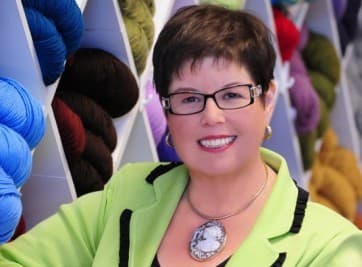
Debbie Macomber is a bestselling author of inspirational fiction and heartwarming stories. She is renowned for her "Cedar Creek" and "Blossom Street" series, which have captivated readers worldwide. Macomber's work often explores themes of family, friendship, and second chances, earning her a devoted following and numerous accolades.