“I don't want to be a star. I want to be a song.”
— The protagonist, a musician, expresses her artistic philosophy.

Sign in to track this book
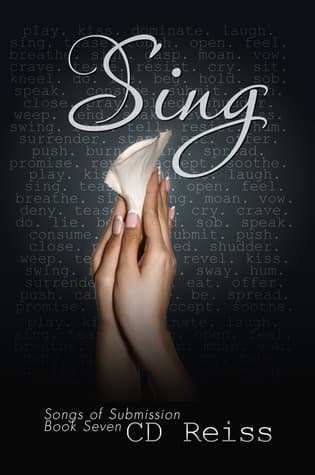
A rock star and his muse find an unexpected path forward, letting their hearts lead them past fame and into their own future.
Theresa Drazen and Jonathan Drazen, now married, start their new life in a secluded villa in Italy. Jonathan, still recovering from his past trauma and the events around his father's death, struggles with intimacy and fully accepting their future. Theresa, despite her deep love, feels the emotional distance and the weight of his unresolved issues. Their first days have a quiet tension, as Theresa tries to be patient and understanding, while Jonathan deals with his internal problems, unable to fully remove the protective walls he built over the years. The beautiful Italian setting contrasts with the emotional trouble beneath their new marriage, showing the challenges they still face in finding true peace and connection.
As they settle into their Italian home, Theresa encourages Jonathan to face his past. He slowly begins to talk, sharing memories of his abusive father, his mother's role, and the constant fear that defined his childhood. He describes the mental and physical pain he endured, and how he tried to protect his younger brother, Julian. These revelations are painful for both of them; Theresa is saddened by what he suffered, and Jonathan struggles to explain the deep trauma that still affects him. Each shared memory is a small step towards healing, but also a reminder of the emotional journey they must take together. Theresa’s strong support is important during these difficult talks.
Jonathan talks more about his past, focusing on his relationship with Julian. He recalls how he always tried to shield Julian from their father's cruelty, often taking most of the abuse himself. He feels bad about not being able to protect Julian completely and for the lasting scars he thinks Julian carries because of their childhood. This guilt is a big obstacle to Jonathan's own healing, as he feels he failed his brother. Theresa listens patiently, offering comfort, helping him to see that he did his best in impossible situations. She says his sacrifices were acts of love, not failures, and that Julian loves him deeply.
Jonathan reveals his father's manipulative ways, not just through physical abuse, but also mentally. He explains how his father controlled every part of their lives, creating fear and obedience, and how even after his death, his influence still bothers Jonathan. He talks about the pressure to keep a certain image, the constant need for control, and the difficulty in trusting others. This legacy makes it hard for Jonathan to fully let go of control in his own life, even with Theresa, and to believe he deserves happiness. Theresa helps him tell the difference between his father's voice and his own, encouraging him to find his identity separate from his past.
One evening, after another difficult talk about his past, Jonathan finally lets himself be truly open with Theresa. He shares his fears about intimacy, his feelings of not being good enough, and the deep belief that he is broken. Theresa, with great patience and love, assures him of her strong devotion and desire. They share a deeply intimate moment, both physically and emotionally. This experience is a turning point, as Jonathan begins to let go of some of his fears and allows himself to truly connect with his wife. It shows the strength of their love and Theresa's understanding, marking a step in his healing journey.
Julian, Jonathan's younger brother, visits them at the Italian villa. His arrival brings mixed feelings for Jonathan. While he loves Julian, his brother's presence also brings back many memories and the renewed weight of his guilt. Julian, though, is a source of lightness and understanding. He expresses his love and thanks for Jonathan's past protection, directly addressing Jonathan's feelings of failure. Their interactions are gentle and supportive, helping Jonathan to see that Julian has dealt with his own trauma and does not blame him. This reunion helps Jonathan to release some of his self-blame and accept that he did his best for his brother.
During Julian's visit, the conversation turns to their mother. Jonathan expresses his deep anger towards her for her role in their father's abuse and her silence. He struggles with the fact that she chose to protect herself rather than her children. Julian, having dealt with his own feelings, offers a more balanced view, recognizing their mother's weakness but also the psychological hold their father had on her. This discussion allows Jonathan to say his anger and pain. While he does not forgive her completely, understanding Julian's perspective helps him to start letting go of the strong bitterness he feels towards her, seeing her as another victim in a different way.
With Julian's support and Theresa's love, Jonathan decides to fully embrace his new life. He says he wants to leave the past behind and build a future of joy, love, and peace with Theresa. He knows that healing is an ongoing process, but he now has the tools and support to handle it. He expresses his deep love and thanks for Theresa, seeing her as his anchor and his greatest strength. This commitment marks an emotional turning point, showing his freedom from his childhood shadows and his full acceptance of happiness.
As the book ends, Jonathan and Theresa are truly happy and connected. Jonathan still makes music, finding comfort and expression through it, but now it is a source of joy rather than a escape from pain. They imagine a future together, perhaps with children, and a life full of shared moments and continued growth. The Italian villa, once a place of quiet struggle, becomes a symbol of their new beginning. Jonathan's journey from a broken, troubled man to one who is whole and capable of deep love is complete, ending with a strong sense of peace and hope for their life together. Their love story has found its harmonious ending.
The Protagonist
Theresa starts as a loving wife navigating her husband's trauma and evolves into a pivotal figure in his healing, ultimately finding profound peace and connection with him.
The Protagonist
Jonathan begins as a man emotionally distant and burdened by trauma, gradually opening up and healing through his wife's love and support, ultimately finding peace and joy.
The Supporting
Julian serves as a catalyst for Jonathan's further healing, providing perspective and reassurance, solidifying their brotherly bond.
The Antagonist/Mentioned
His influence, though posthumous, gradually diminishes as Jonathan confronts and processes the trauma he inflicted.
The Mentioned
Her character serves as a point of contention and healing for Jonathan, as he processes his anger and begins to detach from her influence.
The main theme is Jonathan's difficult journey to heal from severe childhood abuse. The book details the psychological scars left by his father's cruelty and his mother's role, showing up as struggles with intimacy, trust, and self-worth. Through Theresa's love and patience, and later Julian's perspective, Jonathan slowly faces these deep wounds. The story emphasizes that healing is not a straight path but a complex, ongoing one requiring openness, communication, and much emotional support. Jonathan's ability to share his painful memories and eventually find peace shows how confronting one's past can change things.
“"He was a broken man, but with her, he was learning to rebuild, piece by painful piece."”
Theresa's deep love for Jonathan drives his healing. Her patience, understanding, and refusal to give up on him create a safe place where Jonathan can finally talk about his trauma. She does not demand, but gently encourages, showing that true love involves accepting a partner's past and supporting their journey towards wholeness. This theme shows how love, with empathy and persistence, can help overcome even the deepest emotional wounds, changing a relationship from quiet tension to deep connection and intimacy.
“"Her love wasn't a demand, but an invitation, a soft place for his broken pieces to land."”
The book explores the complex and often harmful dynamics within families, especially the lasting effects of abuse. Jonathan's relationship with his brother, Julian, shows the dual impact of shared trauma—both the protective bond formed in hardship and the lingering guilt. The portrayal of their mother's role shows the many sides of abuse, extending beyond the abuser. The story shows how family history, even when painful, shapes identity and relationships, and how facing that legacy is important for breaking cycles of pain and building a healthier future. It also shows how siblings can help each other heal.
“"He carried the weight of his brother's innocence, a burden and a blessing all at once."”
A part of Jonathan's healing is his struggle with intimacy, both physical and emotional, because of his past trauma. The book looks at how hard it is to open up, trust another person, and let oneself be truly seen after experiencing deep pain and betrayal. Theresa's gentle persistence in encouraging openness is important. Their journey towards a deeper physical and emotional connection is shown as a series of small steps, where Jonathan slowly learns to remove his protective walls. This theme shows that true intimacy needs courage, trust, and the willingness to show one's deepest fears and scars.
“"To let her in, truly in, meant dismantling walls he'd spent a lifetime building."”
Jonathan's verbal recounting of past trauma to Theresa.
Instead of direct flashbacks, the novel primarily uses Jonathan's verbal recounts of his childhood memories to Theresa. This device serves to reveal his traumatic past gradually, mirroring his own slow process of opening up and confronting his demons. It allows the reader to experience his pain through his present-day vulnerability, emphasizing the therapeutic aspect of sharing his story. These conversations are pivotal for both Jonathan's healing and the development of his and Theresa's relationship, as his words build trust and deepen their emotional bond.
Music as an expression of pain, healing, and connection.
Music, particularly singing, acts as a powerful symbol throughout the book. For Jonathan, it initially serves as an escape and a way to channel his internal pain and trauma. As he heals, music transforms into an expression of his growing joy, peace, and connection with Theresa. It represents his voice, his identity, and his journey towards wholeness. The 'sing' in the title implies finding one's true voice and harmony, both literally and metaphorically, in life and in love. It signifies the beautiful culmination of his emotional journey.
A secluded, beautiful backdrop for intense emotional healing.
The remote Italian villa serves as more than just a setting; it's a symbolic space for introspection and healing. Its isolation allows Jonathan and Theresa to focus solely on each other and Jonathan's recovery, away from external distractions. The inherent beauty and tranquility of Italy contrast sharply with Jonathan's internal turmoil, highlighting his struggle to find peace amidst serenity. It represents a new beginning, a sanctuary where old wounds can be addressed and a new life built, free from the shadows of his past, in a place of beauty and potential for renewal.
Conversations as the primary means of psychological exploration and healing.
Dialogue, particularly the intimate conversations between Jonathan and Theresa, functions as a therapeutic tool. Jonathan's verbalizing of his past trauma is presented as the primary mechanism for him to process and release his pain. Theresa's active listening, gentle questioning, and empathetic responses guide him through his emotional landscape. These dialogues are not merely plot exposition but are central to the characters' development and the exploration of the themes of healing, trust, and intimacy. They showcase the power of communication in overcoming profound psychological barriers.
“I don't want to be a star. I want to be a song.”
— The protagonist, a musician, expresses her artistic philosophy.
“Love isn't a choice. It's a force of nature.”
— A reflection on the uncontrollable nature of love in the story.
“The silence between us was louder than any music.”
— Describing a tense moment between the main romantic pair.
“You can't write a love song without a little heartbreak.”
— A character discusses the creative process of songwriting.
“I fell for the melody, but I stayed for the man.”
— The heroine reflects on her deepening feelings for the love interest.
“Sometimes the bravest thing you can do is walk away.”
— A moment of self-realization and difficult decision-making.
“Our voices tangled together, creating something new and beautiful.”
— Describing a harmonious duet or intimate moment.
“The stage is my sanctuary, but you are my home.”
— Comparing professional passion to personal love.
“Every scar tells a story, and mine sing.”
— A character embraces past pain as part of their identity.
“We were a duet written in a minor key—beautifully sad.”
— Metaphor for the complex, bittersweet romance.
“You don't find your voice; you fight for it.”
— A lesson about artistic and personal empowerment.
“In the end, all we have are the songs we leave behind.”
— A philosophical musing on legacy and art.
“His touch was a chord that resonated through my soul.”
— Describing the physical and emotional impact of intimacy.
“We tuned our hearts to the same frequency.”
— Metaphor for deep emotional connection and understanding.
Ready to see how well you understood this book? Take our interactive quiz with 10 questions.

C.D. Reiss is a fiction author known for her novel "Sing." Her writing often explores themes of resilience and human connection within compelling narratives. Reiss is recognized for her ability to craft emotionally resonant stories that draw readers into complex character journeys.