“The things we lose have a way of coming back to us in the end, if not always in the way we expect.”
— Reflecting on loss and unexpected returns.

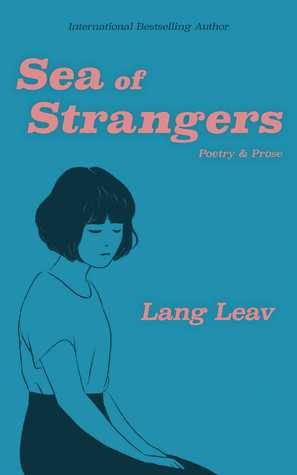
Lang Leav (2018)
Genre
Romance
Reading Time
120 min
Key Themes
See below
Sign in to track this book
Lang Leav's "Sea of Strangers" explores self-discovery, empowerment, and the changing nature of the human heart, moving beyond simple love and loss.
Lang Leav starts "Sea of Strangers" with a mood of change and self-reflection. The first poems often discuss leaving past heartbreaks and familiar places, suggesting a desire for new experiences and understanding. There is a clear sense of emotional preparation, letting go of old fears to make room for growth. No specific characters are introduced, but the speaker, likely Leav herself or a persona, expresses a readiness to explore the unknown, a symbolic 'sea' of new feelings and self-discovery. This beginning sets up the book's main idea of a journey.
As the collection continues, the speaker deals with the uncertainties of self-discovery and new relationships. Poems explore the fear of being vulnerable, the hesitation to trust after past hurts, and the quiet hope for real connection. Leav uses images of waves, currents, and distant horizons to show the flow of emotions and the vastness of human experience. The 'strangers' in the title become not just possible lovers, but different parts of the self yet to be found, and the larger group of people one meets in life. There is an inner discussion about readiness and strength.
Even with this forward movement, "Sea of Strangers" recognizes the lasting effects of past loves. Several poems return to the pain of breakups, the bittersweet memory of what was lost, and the lessons learned. Leav explores how former partners, even when gone, continue to shape one's identity and approach to new connections. These thoughts are presented as processing and adding these memories to the ongoing journey of self-understanding. The speaker deals with forgiveness, for others and for oneself.
A strong theme in "Sea of Strangers" is self-worth. Leav's poetry often encourages readers, and the speaker, to see their value apart from outside approval or romantic relationships. Poems address the importance of self-love, setting boundaries, and finding strength in being alone. This section is an anchor in the emotional 'sea,' stressing that true happiness must come from within. The speaker learns to be their own guide, rather than relying on others to show them the way or define their worth.
The literal 'strangers' become clearer as Leav examines the beauty and complexity of meeting new people. These encounters range from simple observations to the cautious beginnings of new romantic interests. The poems highlight the vulnerability of opening up to someone new, the excitement of finding shared feelings, and the possibility of both deep connection and eventual separation. There is a sense that every person encountered, no matter how briefly, leaves a small mark, adding to the richness of the journey. The speaker observes and connects with diverse human experiences.
Unlike some of her earlier works that might have made love seem perfect, "Sea of Strangers" offers a more realistic view. Love is shown not just as passionate romance, but as a complex emotion that includes friendship, self-acceptance, and a deep understanding of another's faults and strengths. The poems suggest that true love requires effort, openness, and a willingness to navigate challenges together. The speaker seeks a love that adds to, rather than defines, their individuality, moving from dependence to an equal partnership. It is about finding someone who feels like 'home' without losing oneself.
Throughout the collection, Leav stresses the importance of vulnerability for real connection and emotional growth. Many poems describe the fear of being exposed, of showing one's true self and risking rejection, but ultimately encourage taking that step. The speaker learns that hiding one's true feelings or past hurts only creates barriers. There is a recognition that true strength is not in being unbreakable, but in the courage to be imperfect and open-hearted, allowing others to see and accept one's whole self. This openness also extends to self-acceptance.
Towards the end of the book, there is a growing sense of peace and resolution. The speaker, having navigated the 'sea of strangers' — both outside and within — reaches a place of greater self-understanding and acceptance. This is not necessarily a final stop, but a comfortable 'shore' for rest and reflection. The poems convey a feeling of empowerment, of having found one's own voice and direction. The initial anxieties give way to quiet confidence, suggesting that the journey, though hard, was ultimately life-changing and worthwhile.
Interspersed are poems that reflect on writing and the power of words to heal, connect, and express complex emotions. Leav often mentions how writing down feelings is therapeutic, and how poetry bridges the speaker's inner world and the reader's outer world. The book itself shows the journey, with each poem a marker or a guide. The speaker finds comfort and strength in being able to describe their experiences and share them with the 'strangers' who read their work.
The end of "Sea of Strangers" is marked by a strong sense of hope and openness to the future. While self-discovery continues, the speaker has gained valuable insights and a stronger sense of self. The 'sea' no longer feels overwhelming but full of possibility. The poems leave readers with the message that even after loss and uncertainty, new beginnings, meaningful connections, and continued growth are always possible. It is an optimistic view that encourages embracing the unknown with a strong and open heart, ready for whatever comes next.
The Protagonist
The speaker evolves from navigating past hurts and uncertainties to embracing self-worth and finding a more mature understanding of love and independence.
The Supporting/Mentioned
Their influence shifts from being a source of pain to a memory that informs the speaker's present wisdom.
The Supporting/Mentioned
Represents the potential for a more fulfilling relationship, reflecting the speaker's evolved understanding of love.
The Mentioned
Intended to find personal insights and validation through the shared emotional journey.
A main theme is the journey of understanding and defining oneself, separate from external relationships. Leav explores letting go of old identities shaped by others and creating an authentic self. Poems like 'Before You Go' and 'The Journey' highlight the importance of self-reflection and self-reliance. The speaker learns that true happiness comes from within, not from outside approval or romantic partners. This theme appears in moments of quiet thought and the courage to be alone, as when the speaker realizes their own strength after a breakup, understanding they are 'enough' on their own.
“I think the most important thing a woman can have is her own mind, her own voice, and her own story.”
This collection offers a more mature view of love than some of Leav's earlier works. Love is shown not just as passionate romance, but as a complex mix of friendship, respect, and mutual growth. It emphasizes the importance of self-love before fully loving another, and the idea that love can be found in many forms. Poems like 'Home' suggest that true love is about finding someone who feels like a safe place without demanding a loss of self. The theme moves beyond infatuation to a deeper, stronger kind of affection that can handle life's challenges.
“It was never about finding someone to complete you. It was about finding someone to accept your incompleteness.”
"Sea of Strangers" deeply explores healing from past heartbreaks and building emotional strength. Many poems acknowledge the pain of loss but consistently move towards recovery and strength. The speaker's journey involves processing grief, forgiving, and moving forward with new hope. This theme is clear in poems about putting life back together, mending a broken heart, and learning to trust again after being hurt. It is about seeing that scars tell a story of survival, not just pain, and that one can become stronger from hardship.
“The hardest part about walking away from someone is when you realize they're not coming after you.”
The title itself points to the theme of navigating a world full of 'strangers' — both actual people and the unknown parts of life and self. Leav explores the desire for deep connection amid the vastness of human experience, as well as the unavoidable moments of separation and loneliness. Poems delve into the brief nature of some encounters and the deep impact of others. This theme appears in the tension between wanting to open up and fearing misunderstanding or hurt, ultimately encouraging the courage to reach out and form bonds, even if temporary.
“We are all strangers in a sea of strangers, searching for a familiar shore.”
A significant recurring theme is the courage needed to be vulnerable and real in one's emotions and relationships. Leav's poems often highlight the inner conflict between self-protection and the desire for true connection. The speaker learns that real strength is not in hiding one's flaws or fears, but in openly expressing them. This theme encourages readers to embrace their true selves, imperfections and all, as the only way to meaningful connections. It is seen when the speaker chooses to share their deepest thoughts, risking rejection for the chance of true understanding.
“Don't be afraid to show your scars. They are proof of your strength.”
The entire collection is framed as a voyage through emotional landscapes.
The 'sea of strangers' serves as the overarching metaphor for life's journey, particularly the exploration of self, love, and human connection. The poems use imagery of waves, tides, shores, anchors, and navigation to represent the ebb and flow of emotions, the challenges of uncertainty, and the search for stability and belonging. This device provides a cohesive framework for the diverse emotional experiences explored, allowing Leav to consistently link individual poems to the broader theme of discovery and resilience.
Engages the reader personally, making the emotional experience universal.
Leav frequently uses the pronoun 'you' to directly address either a past lover, a potential new love interest, or, most powerfully, the reader themselves. This device creates an intimate and confessional tone, inviting the reader to project their own experiences onto the poems. It blurs the line between the speaker's personal narrative and the universal human condition, making the themes of love, loss, and self-discovery feel immediate and relatable to a wide audience. It fosters empathy and a sense of shared vulnerability.
Contrasting emotions highlight the complexity of the human heart.
Throughout the collection, Leav masterfully places poems of profound sadness and loss alongside those of burgeoning hope and renewed optimism. This juxtaposition emphasizes the cyclical nature of emotions and the resilience of the human spirit. For example, a poem detailing the pain of a breakup might be followed by one celebrating the strength found in solitude or the excitement of a new beginning. This device prevents the collection from being solely melancholic or overly optimistic, instead presenting a balanced and realistic portrayal of emotional life.
Accessible vocabulary and clear imagery for emotional resonance.
Leav's use of simple, straightforward language and clear, relatable imagery allows her poetry to be highly accessible and emotionally impactful. She avoids overly complex metaphors or obscure allusions, opting instead for direct expressions of feeling that resonate immediately with the reader. This device ensures that the profound emotional messages are not lost in linguistic complexity, making the themes of love, loss, and self-discovery universally understood and felt. The clarity of expression enhances the emotional connection.
“The things we lose have a way of coming back to us in the end, if not always in the way we expect.”
— Reflecting on loss and unexpected returns.
“I was both an ocean and a desert, a vast expanse of longing and a barren land of no return.”
— Describing internal conflict and emotional landscape.
“You were the song that played on repeat in my mind, the one I couldn't skip, even when it hurt.”
— About an unforgettable and painful love.
“We are all a little broken, but the last time I checked, broken crayons still color the same.”
— A metaphor for resilience and inherent worth despite flaws.
“It was the kind of love that made you question everything, including your own sanity.”
— Describing an intense and overwhelming love.
“Some feelings are like a sea of strangers, you drown in them, even when you're standing on dry land.”
— The title-sake quote, about being overwhelmed by emotions.
“Perhaps we are all just looking for a little bit of magic in a world that often feels mundane.”
— A general reflection on human desire for wonder.
“He was the calm before the storm, and the storm itself.”
— Describing a person's dual nature and impact.
“To be loved is to be seen, truly seen, not just the parts you want to show.”
— Defining the essence of true love and acceptance.
“There are some people you meet, and you just know. You know you're meant to intertwine.”
— About instant connection and fated encounters.
“Every goodbye is a promise of a hello, even if it's to someone new.”
— A hopeful perspective on endings and new beginnings.
“Maybe love was never meant to be a calm sea, but a wild ocean, full of storms and hidden treasures.”
— A redefinition of love's nature.
“She was a secret kept too long, a truth whispered in the dark.”
— Describing a mysterious and significant person.
“The greatest loves are the ones that are a little bit mad, a little bit dangerous, and a whole lot of real.”
— Defining passionate and authentic love.
Ready to see how well you understood this book? Take our interactive quiz with 10 questions.

Biography coming soon.