The Extrovert Ideal: A Cultural Construct
How society came to overvalue extroversion and undervalue introversion.
Quote
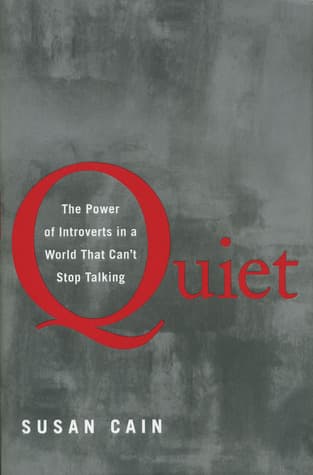
We live in a world that can't stop talking, and in which the ideal self is a confident, charismatic, and gregarious speaker.
Cain carefully shows the historical change from a 'culture of character'—which valued good qualities like honesty and good deeds—to a 'culture of personality' in the early 20th century. This change, caused by industrialization, cities growing, and mass media appearing, focused on outward charm, magnetism, and being able to 'sell' oneself. This created the 'Extrovert Ideal,' a common social rule that favors being assertive, sociable, and thinking quickly in groups. This ideal has greatly shaped our workplaces, schools, and social expec...
Supporting evidence
Cain cites historian Warren Susman's work on the shift from 'character' to 'personality' and the rise of self-help literature promoting extroverted traits, such as Dale Carnegie's 'How to Win Friends and Influence People.'
Apply this
Reflect on how the Extrovert Ideal influences your personal and professional environments. Consciously challenge assumptions that equate leadership or success solely with extroverted behaviors, and seek to understand the quiet strengths that might be overlooked.